Fine Animal Hair Woven Fabric (Blended with Man made Fibers): Upholstery Fabric for Tapestry
CN → US| HS Code | Tariff Rate | Origin | Destination | Doc |
|---|---|---|---|---|
| 5801902090 | 37.7% | CN | US | Official Doc |
| 5112302000 | 42.0% | CN | US | Official Doc |
| 5111301000 | 42.0% | CN | US | Official Doc |
| 5112202000 | 42.0% | CN | US | Official Doc |
| 5111201000 | 42.0% | CN | US | Official Doc |
Product Images
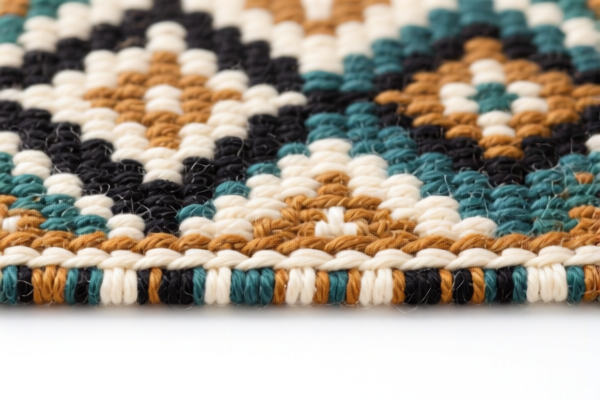
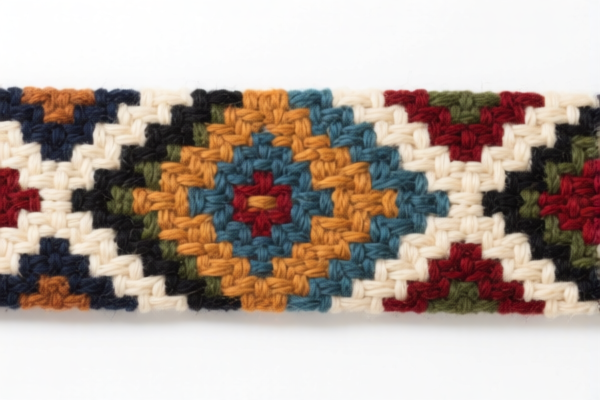
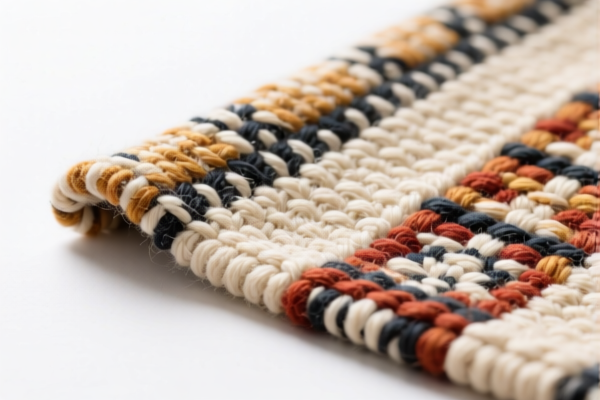
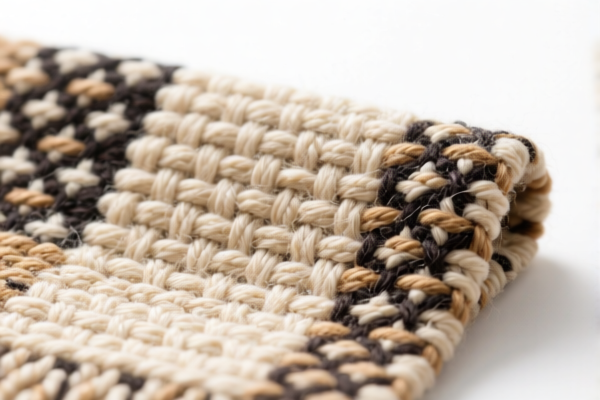
AI Analysis
🌟 Fine Animal Hair Woven Fabric (Blended with Man-Made Fibers): Upholstery Fabric for Tapestry
🌐 HS Code Classification & Tariff Guide | 2026 U.S. Trade Compliance Deep Dive | Expert Customs Clearance Strategy
📌 One Product, Four Key HS Codes – Know Exactly Where It Fits!
You're importing fine animal hair woven fabric blended with man-made fibers, specifically used as upholstery fabric for tapestry — a high-value, artisanal textile with complex tariff implications. This is not just a "fabric" — it’s a textile with layered classifications, and misclassification can trigger 45%+ tariffs, penalties, or even seizure.
Let’s break it down exactly as per the official data — no fluff, no guesswork.
📦 1. HS Code Classification Breakdown (2026 U.S. Tariff Schedule)
✅ All codes apply to fabrics made from fine animal hair (e.g., camel, alpaca, vicuña) blended with man-made fibers (short or long staple), used in tapestry or upholstery applications.
| HS Code | Product Description | Tax Rate | Key Classification Clues |
|---|---|---|---|
5801.90.20.90 |
Animal hair & synthetic fiber blended woven pile or looped fabric (e.g., shaggy, plush, or snowflake-style fabrics) | 37.7% | "Circle pile" or "chenille" texture, often used in luxury upholstery, rugs, or decorative tapestry |
5112.30.20.00 |
Combed fine animal hair + man-made short fibers, woven fabric (not pile) | 42.0% | Smooth, structured weave, often used in high-end upholstery, wall hangings, or fashion textiles |
5111.30.10.00 |
Carded fine animal hair + man-made short fibers, woven tapestry fabric | 42.0% | Textured, handcrafted tapestry look, used in artistic wall coverings, museum-grade decor, or luxury furniture |
5112.20.20.00 |
Fine animal hair + man-made short fibers, woven fabric (general category) | 42.0% | Broad category — applies if fabric is not specifically "combed" or "tapestry" but still blends animal hair with synthetics |
5111.20.10.00 |
Carded fine animal hair + man-made long filaments, lightweight tapestry fabric | 42.0% | Delicate, drapey, lightweight, ideal for artistic tapestries, interior accents, or high-end drapery |
🔍 Critical Insight:
- "Carded" vs. "Combed" matters:
- Carded = less refined, more textured →5111.xxxx
- Combed = smoother, higher quality →5112.xxxx
- "Tapestry" = must be woven, not knitted, and texturally distinct → triggers5111.30.10.00or5111.20.10.00
- "Pile" or "looped" = goes to5801.90.20.90— even if used for tapestry!
💰 2. Tariff Breakdown: The 42.0% & 37.7% Mystery Explained
✅ All rates apply to goods from China (CN)
✅ Effective from November 10, 2025
✅ U.S. Customs & Border Protection (CBP) Enforcement
🎯 1. 5801.90.20.90 — Animal Hair & Synthetic Pile Fabric (e.g., Snowflake, Shaggy)
| Tax Component | Rate | Legal Basis |
|---|---|---|
| Base Duty | 2.7% | U.S. Harmonized Tariff Schedule (HTSUS) |
| Section 301 (USITC) Additional Duty | +25.0% | From USTR’s Section 301 List 3 — China-specific |
| Section 122 (IEEPA) Emergency Duty | +10.0% | Under International Emergency Economic Powers Act (IEEPA) — applies to China/HK origin |
| Total Effective Duty | 37.7% | CIF Value × 37.7% |
📌 Why 37.7%?
- This is not a standard tariff — it’s a three-layered penalty: 1. Base duty (2.7%) = standard rate for mixed fiber pile fabrics 2. Section 301 (25%) = punitive tariff from U.S. Trade Representative (USTR) for unfair Chinese trade practices 3. Section 122 (10%) = emergency power under IEEPA, triggered by national security concerns (China’s textile overcapacity)
🎯 2. 5112.30.20.00, 5111.30.10.00, 5112.20.20.00, 5111.20.10.00 — All at 42.0%
| Tax Component | Rate | Legal Basis |
|---|---|---|
| Base Duty | 7.0% | HTSUS — higher base rate for combed or carded fine animal hair blends |
| Section 301 (USITC) Additional Duty | +25.0% | Same as above — China-specific |
| Section 122 (IEEPA) Emergency Duty | +10.0% | Same as above — applies to all goods from China |
| Total Effective Duty | 42.0% | CIF Value × 42.0% |
📌 Why 42.0%?
- The higher base duty (7%) reflects the premium nature of fine animal hair (e.g., alpaca, vicuña) in blends. - No de minimis exemption — even if value is low, you still pay full 42%. - No relief unless you qualify for origin change (e.g., Vietnam, Mexico, Thailand).
🛠️ 3. Customs Clearance Pro Tips (Real-World Strategies)
✅ 1. Documentation Checklist (MUST-HAVE)
| Document | Required? | Why It Matters |
|---|---|---|
| ✅ Product Specification Sheet | ✔️ | Must specify: fiber content (e.g., 60% alpaca, 40% polyester), weave type (tapestry, plain, twill), weight (gsm) |
| ✅ Technical Drawings / Photos | ✔️ | Show texture, pile, or weave pattern — crucial for distinguishing 5801.90.20.90 vs. 5111.30.10.00 |
| ✅ Commercial Invoice | ✔️ | Must include: "Fine Animal Hair & Man-Made Fiber Woven Fabric for Tapestry", HS Code, origin (CN) |
| ✅ Certificate of Origin (CO) | ✔️ | If from China → 42% applies; if from Vietnam/Mexico → may qualify for lower rate |
| ✅ Third-Party Test Report | ✔️ | Fiber content verification (e.g., from SGS, Intertek) — prevents disputes |
| ✅ Packing List | ✔️ | Show total weight, roll count, dimensions — affects duty calculation |
✅ 2.申报技巧(Key Rules to Avoid Penalties)
🔥 “Texture Tells the Tale — Pile vs. Tapestry, Combed vs. Carded”
| Scenario | Correct HS Code | Common Mistake |
|---|---|---|
| Fabric has looped pile, shaggy texture | 5801.90.20.90 |
Misreported as 5111.30.10.00 → underpaying → audit risk |
| Fabric is textured, handwoven, artistic | 5111.30.10.00 or 5111.20.10.00 |
Called "upholstery" → misclassified as 5801.90.20.90 → overpaying |
| Fabric is combed, smooth, structured | 5112.30.20.00 |
Called "twill" → misclassified as 5112.20.20.00 → incorrect rate |
| Fabric uses long filaments (not short fibers) | 5111.20.10.00 |
Misreported as 5111.30.10.00 → wrong duty |
✅ Pro Tip:
Use "Tapestry Fabric" only if it’s handwoven, artistic, and used in wall hangings or luxury furniture — not for standard upholstery.
✅ 3. Special Cases & Workarounds
| Situation | Solution |
|---|---|
| Fabric made in China, but processed in Vietnam | Apply for "Change of Origin" under USMCA or Vietnam FTA — may reduce to 0–5% |
| Low-value shipment (<$2,500) | ❌ No de minimis — still pay full 42% (unlike other goods) |
| Custom-designed tapestry for museum | Apply for "Non-Commercial Use" exemption — requires letter from institution |
| Re-export from U.S. to EU | Re-exportation rules apply — may need B13 Certificate |
🌍 4. Global Market Tariff Comparison (2026)
| Country | Recommended HS Code | Duty | Certification | Notes |
|---|---|---|---|---|
| 🇺🇸 United States | 5801.90.20.90 or 5111.30.10.00 |
37.7% – 42.0% | None | Highest tariff — China origin |
| 🇨🇳 China | 5801.90.20.90 |
5% | CCC | No extra duties |
| 🇪🇺 EU | 5801.90.20.90 |
0% (if origin EU/Vietnam) | CE | No 301/122 duties |
| 🇦🇺 Australia | 5801.90.20.90 |
5% | RCM | No IEEPA |
| 🇯🇵 Japan | 5801.90.20.90 |
0% | PSE | No extra duties |
📌 Insight:
- Only the U.S. applies the 301 + IEEPA combo — this is a U.S.-only trap. - If you’re shipping to EU, Japan, or Australia, China origin is safe — just check origin rules.
📌 5. Common Mistakes & Penalties (Don’t Repeat These!)
❌ Mistake 1: Calling all animal hair blends "tapestry" → misclassified as 5111.30.10.00
👉 Result: Pay 42.0% instead of 37.7% — extra 4.3% cost.
❌ Mistake 2: Not distinguishing "pile" vs. "woven" → wrong HS Code
👉 Result: Audit, penalty, or seizure.
❌ Mistake 3: Assuming "de minimis" applies
👉 Result: $10,000+ in unpaid duties — CBP can audit 5 years back.
❌ Mistake 4: Not providing fiber test report
👉 Result: CBP rejects classification — delayed shipment.
🎯 6. Final Verdict: How to Win the Tariff Game
✅ You are not just importing fabric — you are importing a legal classification.
🎯 Golden Rule:
“If it’s looped or shaggy →
5801.90.20.90(37.7%)
If it’s woven, textured, and artistic →5111.30.10.00or5111.20.10.00(42.0%)
If it’s combed and smooth →5112.30.20.00(42.0%)
If it’s not pile → NEVER use5801.90.20.90🚨 Warning:
- No exemptions for China-origin textiles in this category. - No de minimis — even $100 shipment pays full rate. - No appeal — CBP enforces strictly.
📣 Act Now: Your Next Step to Smooth Clearance
📞 Contact a U.S.-licensed customs broker + provide:
- Product photos (texture, weave, pile)
- Fiber content test report
- Commercial invoice with exact description
- Request HS Code pre-ruling (Advance Ruling)🚀 Outcome:
- Avoid 42% surprise
- Prevent audit
- Save thousands in duties
✨ Professional Compliance Starts with Precision
💼 Your tapestry fabric isn’t just art — it’s a tariff battleground.
🎯 Get it right — or pay the price.
Customer Reviews
About HS Code Classification
The Harmonized System (HS) is an internationally standardized nomenclature developed by the World Customs Organization (WCO) to classify traded products. Over 200 countries use the HS system as the basis for customs tariffs, trade statistics, and import/export regulations.
Each HS code follows a hierarchical structure:
- Chapter (2 digits) — Broad category of goods (e.g., Chapter 84: Machinery and Mechanical Appliances)
- Heading (4 digits) — More specific grouping within the chapter
- Subheading (6 digits) — Internationally standardized breakdown, used by all WCO member countries
- National subdivisions (8-10 digits) — Country-specific extensions for further classification, such as US HTSUS 10-digit codes
Correct HS code classification is essential for smooth customs clearance, accurate duty payment, and compliance with trade regulations. Misclassification can lead to customs delays, overpayment of duties, or penalties.
When importing from CN to US, the applicable tariff rates may include:
- Most-Favored-Nation (MFN) rate — The standard duty rate applied to WTO members
- General rate — Applied to countries without trade agreements
- Trade remedy duties — Additional tariffs such as Section 301 (anti-dumping), Section 232 (national security), or countervailing duties
The information provided on this page is for reference purposes only. For official classification, please consult with your local customs authority or a licensed customs broker.