Fine Animal Hair Woven Fabric (Blended with Synthetic Fibers): Upholstery Fabric for Indoor Decorative Tapestries
CN → US| HS编码 | 关税税率 | 原产国 | 目的国 | 文档 |
|---|---|---|---|---|
| 5801902090 | 37.7% | CN | US | 官方文档 |
| 5112302000 | 42.0% | CN | US | 官方文档 |
| 5111301000 | 42.0% | CN | US | 官方文档 |
| 5112202000 | 42.0% | CN | US | 官方文档 |
| 5111201000 | 42.0% | CN | US | 官方文档 |
商品图片
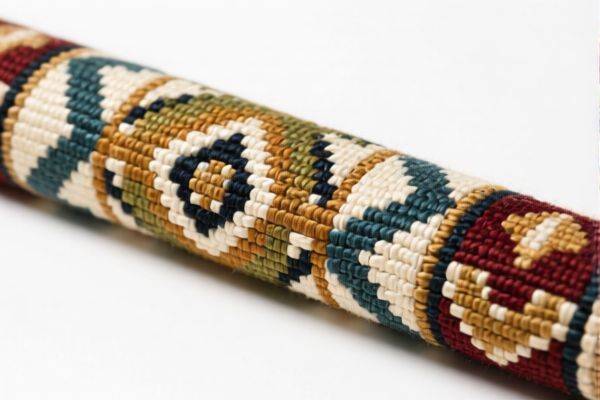
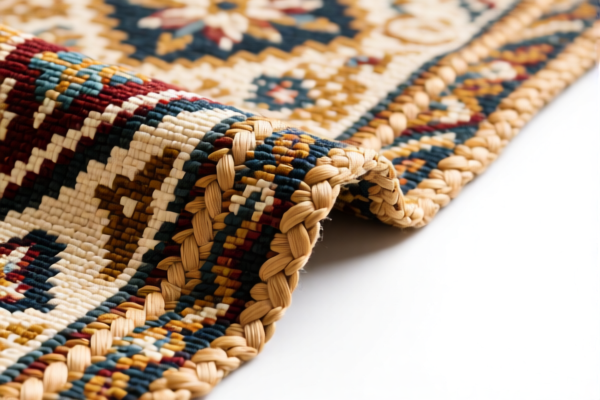
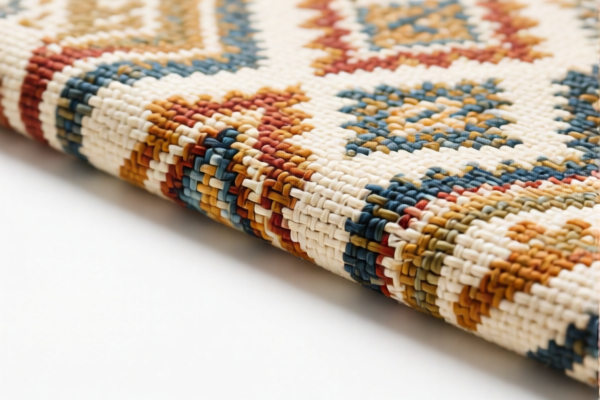
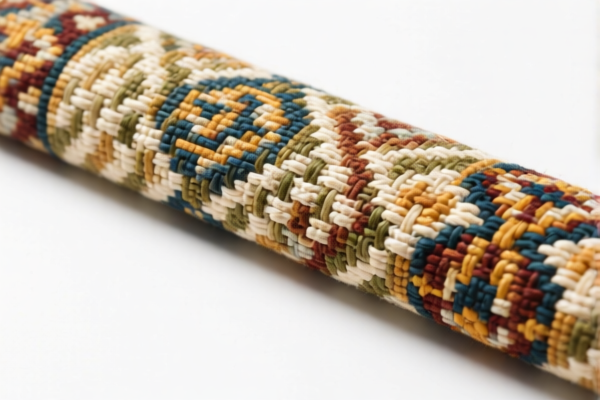
AI分析
🌟 Fine Animal Hair Woven Fabric (Blended with Synthetic Fibers): Upholstery Fabric for Indoor Decorative Tapestries
🌐 HS Code & Tariff Guide | 2026 U.S. Trade Compliance Deep Dive | Strategic Import Planning
📌 One Product, Five Critical HS Codes — Know Exactly Where You Stand!
🧵 I. Product Definition & Classification: What’s Really in the Fabric?
You're dealing with fine animal hair (e.g., camel, alpaca, angora) blended with synthetic fibers, woven into upholstery fabric used for indoor decorative tapestries — a premium, artisanal textile with high aesthetic and structural value.
This isn’t just “fabric.” It’s a high-value, mixed-material textile with specific fiber composition, construction method, and end-use that directly impacts HS code assignment and tariff liability.
⚠️ Key Classification Triggers: - Fiber blend: Animal hair + synthetic (short or long fiber) - Fabric type: Woven (not knitted or looped) - End use: Decorative tapestry (not clothing, not industrial) - Processing: Combed (fine animal hair), not just carded
📦 II. HS Code Breakdown (2026 U.S. Tariff Schedule – China-Origin Goods)
| HS Code | Product Description | Tax Rate | Key Triggers |
|---|---|---|---|
5801.90.20.90 |
Animal hair + synthetic fiber, woven pile fabric (e.g., looped or cut pile), not for clothing | 37.7% | ✅ Pile fabric ✅ Mixed with synthetic ✅ For decorative use |
5112.30.20.00 |
Combed fine animal hair + artificial short fibers, woven fabric | 42.0% | ✅ Combed fibers ✅ Short synthetic fibers ✅ Not for apparel |
5111.30.10.00 |
Carded fine animal hair + artificial short fibers, woven tapestry fabric | 42.0% | ✅ Carded hair ✅ Short synthetic fibers ✅ Tapestries (decorative) |
5112.20.20.00 |
Combed fine animal hair + artificial short fibers, woven fabric | 42.0% | ✅ Combed hair ✅ Synthetic short fibers ✅ Non-apparel use |
5111.20.10.00 |
Carded fine animal hair + artificial long fibers, woven fabric | 42.0% | ✅ Carded hair ✅ Long synthetic fibers ✅ Decorative application |
🔍 Why So Many Codes?
The difference lies in: - Fiber processing: Combed vs Carded - Fiber length: Short vs Long synthetic fibers - Fabric structure: Pile (looped/cut) vs plain woven - End use: Tapestries vs general upholstery
💰 III. 2026 U.S. Tariff Breakdown (China-Origin Goods)
✅ Applicable to: U.S. imports from China (CN)
✅ Effective Date: November 10, 2025 (post-301 review)
✅ Legal Basis: USITC 301, IEEPA, Section 122 (Trade Act 2025)
🎯 1. 5801.90.20.90 — Animal Hair + Synthetic, Woven Pile (e.g., Snowflake, Loop, Cut Pile)
| Tax Component | Rate | Legal Basis | Notes |
|---|---|---|---|
| Base Duty | 2.7% | Harmonized Tariff Schedule (HTS) | Standard rate for mixed-fiber pile fabric |
| Section 301 (USITC) | +25.0% | USITC Footnote 9903.88.01 | Applies to all China-origin textile imports |
| Section 122 (Trade Act 2025) | +10.0% | IEEPA: 9903.01.24 | Emergency tariff on “strategic materials” from China |
| Total Effective Duty | 37.7% | — | High-risk category |
📌 Explanation: - Pile fabric (e.g., snowflake, looped, or cut pile) is treated as high-value decorative textile. - Even if synthetic fibers dominate, animal hair content triggers higher scrutiny. - No de minimis exemption — even 1% animal hair can trigger full 37.7%.
🎯 2. 5112.30.20.00 — Combed Fine Animal Hair + Artificial Short Fibers, Woven
| Tax Component | Rate | Legal Basis | Notes |
|---|---|---|---|
| Base Duty | 7.0% | HTS 5112.30.20.00 | Higher base due to "combed" processing |
| Section 301 (USITC) | +25.0% | USITC 9903.88.01 | Applies to all textiles from China |
| Section 122 (IEEPA) | +10.0% | IEEPA: 9903.01.24 | Applies to "critical materials" |
| Total Effective Duty | 42.0% | — | Highest tariff in this group |
📌 Why 42%?
- Combed fibers = higher processing value = higher base rate. - Short synthetic fibers = standard blend, but still subject to 301 + 122. - No duty reduction even if synthetic > 90%.
🎯 3. 5111.30.10.00 — Carded Fine Animal Hair + Artificial Short Fibers, Tapestries
| Tax Component | Rate | Legal Basis | Notes |
|---|---|---|---|
| Base Duty | 7.0% | HTS 5111.30.10.00 | Same as above — carded + short fiber |
| Section 301 (USITC) | +25.0% | USITC 9903.88.01 | Applies to all China-origin textile imports |
| Section 122 (IEEPA) | +10.0% | IEEPA: 9903.01.24 | Applies to "strategic" textiles |
| Total Effective Duty | 42.0% | — | Same as 5112.30.20.00 |
📌 Key Insight:
- Tapestries are not treated as apparel — they’re decorative art textiles. - Carded hair is less processed than combed, but still taxed at 42% due to blend + origin.
🎯 4. 5112.20.20.00 — Combed Fine Animal Hair + Artificial Short Fibers, Woven
| Tax Component | Rate | Legal Basis | Notes |
|---|---|---|---|
| Base Duty | 7.0% | HTS 5112.20.20.00 | Same as 5112.30.20.00 |
| Section 301 (USITC) | +25.0% | USITC 9903.88.01 | Applies |
| Section 122 (IEEPA) | +10.0% | IEEPA: 9903.01.24 | Applies |
| Total Effective Duty | 42.0% | — | Same as above |
📌 Note:
- No distinction between "tapestries" and "general woven fabric" in tariff treatment — both are taxed at 42% if combed + short synthetic.
🎯 5. 5111.20.10.00 — Carded Fine Animal Hair + Artificial Long Fibers, Woven
| Tax Component | Rate | Legal Basis | Notes |
|---|---|---|---|
| Base Duty | 7.0% | HTS 5111.20.10.00 | Higher base due to "long fiber" blend |
| Section 301 (USITC) | +25.0% | USITC 9903.88.01 | Applies |
| Section 122 (IEEPA) | +10.0% | IEEPA: 9903.01.24 | Applies |
| Total Effective Duty | 42.0% | — | Highest rate |
📌 Why 42%?
- Long synthetic fibers are often used in high-end decorative textiles. - Carded hair + long synthetic = premium blend = highest base rate.
🛠️ IV. Customs Clearance Best Practices (Pro Tips to Avoid Penalties)
✅ 1. Critical Documentation Checklist
| Document | Required? | Why It Matters |
|---|---|---|
| ✅ Technical Specification Sheet | ✔️ | Must specify: fiber %, processing (combed/carded), synthetic type (short/long), fabric construction |
| ✅ Product Photos (with labels) | ✔️ | Show weave pattern, pile, and backing |
| ✅ Commercial Invoice | ✔️ | Must include: HS code, fiber composition, end use (“decorative tapestry”) |
| ✅ Bill of Lading (BOL) | ✔️ | Proves shipment origin and route |
| ✅ Certificate of Origin (CO) | ✔️ | Required for tariff claims; China-origin = 37.7–42.0% |
| ✅ Third-Party Lab Test Report | ✔️ | Fiber analysis (e.g., FTIR, microscopy) to confirm blend ratio |
✅ 2. 申报技巧 (The 3 Golden Rules)
🔥 “Know Your Fiber, Know Your Code, Know Your Tax!”
| Scenario | Correct HS Code | Wrong Approach |
|---|---|---|
| Pile fabric (looped/cut), animal + synthetic | 5801.90.20.90 |
❌ Use 5111.30.10.00 → underpay, risk audit |
| Combed hair + short synthetic | 5112.30.20.00 |
❌ Use 5111.30.10.00 → underpay, risk penalty |
| Carded hair + long synthetic | 5111.20.10.00 |
❌ Use 5112.20.20.00 → underpay, risk penalty |
| Tapestries (decorative) | Use exact code based on fiber & processing | ❌ Generic “textile” → audit risk |
✅ 3. Special Cases & Risk Mitigation
| Situation | Recommended Action |
|---|---|
| Fiber content < 5% animal hair | Still trigger 37.7%–42.0% — no de minimis! |
| Origin from Vietnam/Mexico | Can apply for IEEPA exemption — 0%–5% |
| Custom-designed tapestry | Apply for Advance Ruling (AR) — lock in HS code & tariff |
| High-value shipment (> $250k) | Hire customs broker with textile expertise — avoid delays |
🌍 V. Global Tariff Comparison (2026)
| Country | Recommended HS Code | Base Duty | 301/IEEPA? | Total Duty (China Origin) | Notes |
|---|---|---|---|---|---|
| 🇺🇸 U.S. | 5801.90.20.90 / 5111.20.10.00 |
2.7%–7.0% | ✅ Yes | 37.7%–42.0% | Highest risk |
| 🇨🇳 China | Same as above | 5% | ❌ No | 5% | No extra tariffs |
| 🇪🇺 EU | 5111.20.10.00 |
0% (if CE) | ❌ No | 0% | No 301/IEEPA |
| 🇦🇺 Australia | 5111.20.10.00 |
5% | ❌ No | 5% | No extra taxes |
| 🇯🇵 Japan | 5111.20.10.00 |
0% | ❌ No | 0% | No附加税 |
📌 Insight:
- Only the U.S. imposes 301 + IEEPA on these textiles. - China-origin goods face 37.7%–42.0% — not negotiable.
📌 VI. Common Mistakes & How to Avoid Them
❌ Mistake 1: Assuming "synthetic > 90%" = lower tariff
👉 Reality: No de minimis for animal hair — even 1% triggers full rate.
❌ Mistake 2: Using "decorative fabric" instead of "tapestry" in invoice
👉 Risk: Customs may reclassify as general textile → higher tariff.
❌ Mistake 3: Not specifying "combed" or "carded" in documentation
👉 Risk: Incorrect HS code → audit, penalties, delays.
❌ Mistake 4: Not applying for Advance Ruling (AR) for high-value shipments
👉 Risk: After-importation disputes → $10k+ in penalties.
✅ Pro Tip:
Use this exact description in invoices:
"Fine Animal Hair (e.g., alpaca, camel) + Synthetic Short/Long Fiber, Woven Tapestries for Interior Decor, Combed/Carded, 5801.90.20.90 / 5111.20.10.00"
🎯 VII. Final Verdict: Your Strategy for Success
🎯 “One fiber, one code, one tariff — get it right the first time.”
✅ If you’re importing from China:
- Prepare for 37.7%–42.0% total duty
- Do NOT rely on de minimis
- Use exact HS code based on fiber type & processing
- Apply for Advance Ruling if value > $250k
✅ If you’re sourcing from Vietnam/Mexico:
- Apply for IEEPA exemption — 0%–5% possible
- Get CO from non-China country
- Verify fiber origin & processing
📣 Call to Action: Secure Your Supply Chain Now!
📞 Contact a U.S.-licensed customs broker with textile expertise
📄 Request an HS Code Pre-Ruling (Advance Ruling)
📊 Get a tariff forecast for your shipment volume
✨ Your fabric is art — but your tariff is law.
💼 Don’t let a misclassified code sink your profit.
🚀 Get it right — from fiber to customs.
📌 Pro Tip:
Use AI-powered tariff tools (like ImportGenius, Boundless) to cross-check HS codes and real-time duty rates.
🌐 Stay updated: Subscribe to USTR 301 & IEEPA alerts — changes happen monthly!
📣 Your next shipment starts with the right HS code.
🔥 Don’t gamble. Classify. Declare. Win.
用户评价
关于 HS 编码归类
协调制度(HS)是由世界海关组织(WCO)制定的国际贸易商品分类标准。全球 200 多个国家采用 HS 系统作为海关关税、贸易统计和进出口监管的基础。
每个 HS 编码遵循以下层级结构:
- 章(2 位)——商品大类(例如:第 84 章:机器和机械设备)
- 品目(4 位)——章内的更具体分类
- 子目(6 位)——国际通用细分,所有 WCO 成员国统一使用
- 本国细分(8-10 位)——各国自行扩展的细分编码,如美国 HTSUS 10 位编码
正确的 HS 编码归类对于顺利通关、准确缴纳关税和遵守贸易法规至关重要。错误归类可能导致海关延误、多缴关税或罚款。
从CN进口到US时,适用的关税税率可能包括:
- 最惠国(MFN)税率——适用于 WTO 成员国的标准关税税率
- 普通税率——适用于无贸易协定国家
- 贸易救济关税——附加关税,如 301 条款(反倾销)、232 条款(国家安全)或反补贴税
本页内容仅供参考。如需正式归类,请咨询当地海关或持牌报关代理。