Fine Animal Hair Woven Fabric (Blended with Synthetic Fibers): Upholstery Fabric for Indoor Decorative Tapestries
CN → US| HS Code | Tariff Rate | Origin | Destination | Doc |
|---|---|---|---|---|
| 5801902090 | 37.7% | CN | US | Official Doc |
| 5112302000 | 42.0% | CN | US | Official Doc |
| 5111301000 | 42.0% | CN | US | Official Doc |
| 5112202000 | 42.0% | CN | US | Official Doc |
| 5111201000 | 42.0% | CN | US | Official Doc |
Product Images
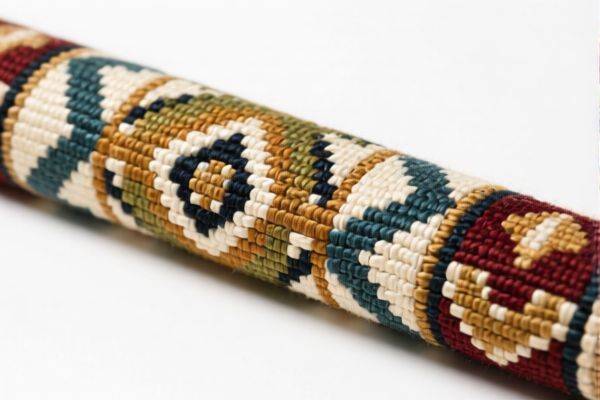
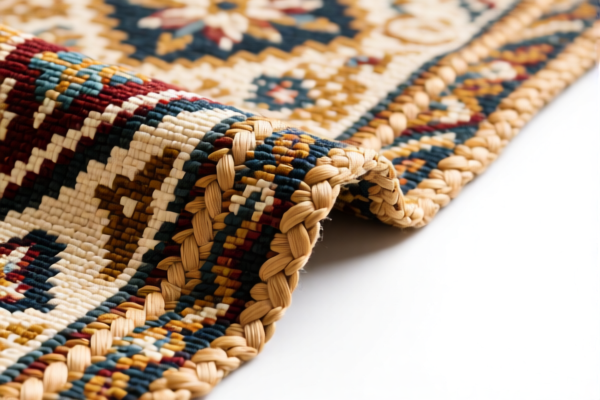
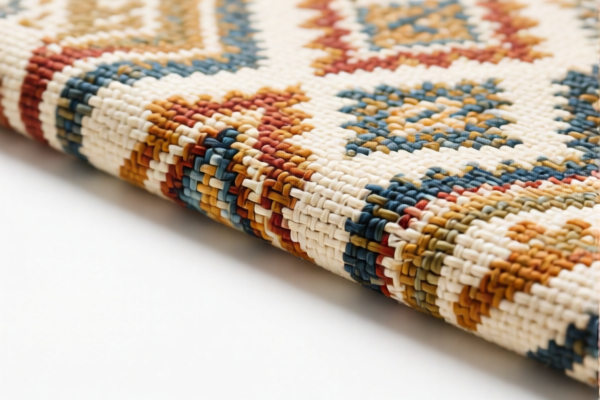
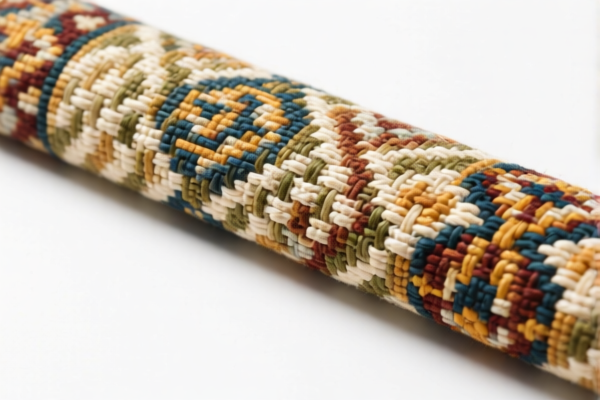
AI Analysis
🌟 Fine Animal Hair Woven Fabric (Blended with Synthetic Fibers): Upholstery Fabric for Indoor Decorative Tapestries
🌐 HS Code & Tariff Guide | 2026 U.S. Trade Compliance Deep Dive | Strategic Import Planning
📌 One Product, Five Critical HS Codes — Know Exactly Where You Stand!
🧵 I. Product Definition & Classification: What’s Really in the Fabric?
You're dealing with fine animal hair (e.g., camel, alpaca, angora) blended with synthetic fibers, woven into upholstery fabric used for indoor decorative tapestries — a premium, artisanal textile with high aesthetic and structural value.
This isn’t just “fabric.” It’s a high-value, mixed-material textile with specific fiber composition, construction method, and end-use that directly impacts HS code assignment and tariff liability.
⚠️ Key Classification Triggers: - Fiber blend: Animal hair + synthetic (short or long fiber) - Fabric type: Woven (not knitted or looped) - End use: Decorative tapestry (not clothing, not industrial) - Processing: Combed (fine animal hair), not just carded
📦 II. HS Code Breakdown (2026 U.S. Tariff Schedule – China-Origin Goods)
| HS Code | Product Description | Tax Rate | Key Triggers |
|---|---|---|---|
5801.90.20.90 |
Animal hair + synthetic fiber, woven pile fabric (e.g., looped or cut pile), not for clothing | 37.7% | ✅ Pile fabric ✅ Mixed with synthetic ✅ For decorative use |
5112.30.20.00 |
Combed fine animal hair + artificial short fibers, woven fabric | 42.0% | ✅ Combed fibers ✅ Short synthetic fibers ✅ Not for apparel |
5111.30.10.00 |
Carded fine animal hair + artificial short fibers, woven tapestry fabric | 42.0% | ✅ Carded hair ✅ Short synthetic fibers ✅ Tapestries (decorative) |
5112.20.20.00 |
Combed fine animal hair + artificial short fibers, woven fabric | 42.0% | ✅ Combed hair ✅ Synthetic short fibers ✅ Non-apparel use |
5111.20.10.00 |
Carded fine animal hair + artificial long fibers, woven fabric | 42.0% | ✅ Carded hair ✅ Long synthetic fibers ✅ Decorative application |
🔍 Why So Many Codes?
The difference lies in: - Fiber processing: Combed vs Carded - Fiber length: Short vs Long synthetic fibers - Fabric structure: Pile (looped/cut) vs plain woven - End use: Tapestries vs general upholstery
💰 III. 2026 U.S. Tariff Breakdown (China-Origin Goods)
✅ Applicable to: U.S. imports from China (CN)
✅ Effective Date: November 10, 2025 (post-301 review)
✅ Legal Basis: USITC 301, IEEPA, Section 122 (Trade Act 2025)
🎯 1. 5801.90.20.90 — Animal Hair + Synthetic, Woven Pile (e.g., Snowflake, Loop, Cut Pile)
| Tax Component | Rate | Legal Basis | Notes |
|---|---|---|---|
| Base Duty | 2.7% | Harmonized Tariff Schedule (HTS) | Standard rate for mixed-fiber pile fabric |
| Section 301 (USITC) | +25.0% | USITC Footnote 9903.88.01 | Applies to all China-origin textile imports |
| Section 122 (Trade Act 2025) | +10.0% | IEEPA: 9903.01.24 | Emergency tariff on “strategic materials” from China |
| Total Effective Duty | 37.7% | — | High-risk category |
📌 Explanation: - Pile fabric (e.g., snowflake, looped, or cut pile) is treated as high-value decorative textile. - Even if synthetic fibers dominate, animal hair content triggers higher scrutiny. - No de minimis exemption — even 1% animal hair can trigger full 37.7%.
🎯 2. 5112.30.20.00 — Combed Fine Animal Hair + Artificial Short Fibers, Woven
| Tax Component | Rate | Legal Basis | Notes |
|---|---|---|---|
| Base Duty | 7.0% | HTS 5112.30.20.00 | Higher base due to "combed" processing |
| Section 301 (USITC) | +25.0% | USITC 9903.88.01 | Applies to all textiles from China |
| Section 122 (IEEPA) | +10.0% | IEEPA: 9903.01.24 | Applies to "critical materials" |
| Total Effective Duty | 42.0% | — | Highest tariff in this group |
📌 Why 42%?
- Combed fibers = higher processing value = higher base rate. - Short synthetic fibers = standard blend, but still subject to 301 + 122. - No duty reduction even if synthetic > 90%.
🎯 3. 5111.30.10.00 — Carded Fine Animal Hair + Artificial Short Fibers, Tapestries
| Tax Component | Rate | Legal Basis | Notes |
|---|---|---|---|
| Base Duty | 7.0% | HTS 5111.30.10.00 | Same as above — carded + short fiber |
| Section 301 (USITC) | +25.0% | USITC 9903.88.01 | Applies to all China-origin textile imports |
| Section 122 (IEEPA) | +10.0% | IEEPA: 9903.01.24 | Applies to "strategic" textiles |
| Total Effective Duty | 42.0% | — | Same as 5112.30.20.00 |
📌 Key Insight:
- Tapestries are not treated as apparel — they’re decorative art textiles. - Carded hair is less processed than combed, but still taxed at 42% due to blend + origin.
🎯 4. 5112.20.20.00 — Combed Fine Animal Hair + Artificial Short Fibers, Woven
| Tax Component | Rate | Legal Basis | Notes |
|---|---|---|---|
| Base Duty | 7.0% | HTS 5112.20.20.00 | Same as 5112.30.20.00 |
| Section 301 (USITC) | +25.0% | USITC 9903.88.01 | Applies |
| Section 122 (IEEPA) | +10.0% | IEEPA: 9903.01.24 | Applies |
| Total Effective Duty | 42.0% | — | Same as above |
📌 Note:
- No distinction between "tapestries" and "general woven fabric" in tariff treatment — both are taxed at 42% if combed + short synthetic.
🎯 5. 5111.20.10.00 — Carded Fine Animal Hair + Artificial Long Fibers, Woven
| Tax Component | Rate | Legal Basis | Notes |
|---|---|---|---|
| Base Duty | 7.0% | HTS 5111.20.10.00 | Higher base due to "long fiber" blend |
| Section 301 (USITC) | +25.0% | USITC 9903.88.01 | Applies |
| Section 122 (IEEPA) | +10.0% | IEEPA: 9903.01.24 | Applies |
| Total Effective Duty | 42.0% | — | Highest rate |
📌 Why 42%?
- Long synthetic fibers are often used in high-end decorative textiles. - Carded hair + long synthetic = premium blend = highest base rate.
🛠️ IV. Customs Clearance Best Practices (Pro Tips to Avoid Penalties)
✅ 1. Critical Documentation Checklist
| Document | Required? | Why It Matters |
|---|---|---|
| ✅ Technical Specification Sheet | ✔️ | Must specify: fiber %, processing (combed/carded), synthetic type (short/long), fabric construction |
| ✅ Product Photos (with labels) | ✔️ | Show weave pattern, pile, and backing |
| ✅ Commercial Invoice | ✔️ | Must include: HS code, fiber composition, end use (“decorative tapestry”) |
| ✅ Bill of Lading (BOL) | ✔️ | Proves shipment origin and route |
| ✅ Certificate of Origin (CO) | ✔️ | Required for tariff claims; China-origin = 37.7–42.0% |
| ✅ Third-Party Lab Test Report | ✔️ | Fiber analysis (e.g., FTIR, microscopy) to confirm blend ratio |
✅ 2. 申报技巧 (The 3 Golden Rules)
🔥 “Know Your Fiber, Know Your Code, Know Your Tax!”
| Scenario | Correct HS Code | Wrong Approach |
|---|---|---|
| Pile fabric (looped/cut), animal + synthetic | 5801.90.20.90 |
❌ Use 5111.30.10.00 → underpay, risk audit |
| Combed hair + short synthetic | 5112.30.20.00 |
❌ Use 5111.30.10.00 → underpay, risk penalty |
| Carded hair + long synthetic | 5111.20.10.00 |
❌ Use 5112.20.20.00 → underpay, risk penalty |
| Tapestries (decorative) | Use exact code based on fiber & processing | ❌ Generic “textile” → audit risk |
✅ 3. Special Cases & Risk Mitigation
| Situation | Recommended Action |
|---|---|
| Fiber content < 5% animal hair | Still trigger 37.7%–42.0% — no de minimis! |
| Origin from Vietnam/Mexico | Can apply for IEEPA exemption — 0%–5% |
| Custom-designed tapestry | Apply for Advance Ruling (AR) — lock in HS code & tariff |
| High-value shipment (> $250k) | Hire customs broker with textile expertise — avoid delays |
🌍 V. Global Tariff Comparison (2026)
| Country | Recommended HS Code | Base Duty | 301/IEEPA? | Total Duty (China Origin) | Notes |
|---|---|---|---|---|---|
| 🇺🇸 U.S. | 5801.90.20.90 / 5111.20.10.00 |
2.7%–7.0% | ✅ Yes | 37.7%–42.0% | Highest risk |
| 🇨🇳 China | Same as above | 5% | ❌ No | 5% | No extra tariffs |
| 🇪🇺 EU | 5111.20.10.00 |
0% (if CE) | ❌ No | 0% | No 301/IEEPA |
| 🇦🇺 Australia | 5111.20.10.00 |
5% | ❌ No | 5% | No extra taxes |
| 🇯🇵 Japan | 5111.20.10.00 |
0% | ❌ No | 0% | No附加税 |
📌 Insight:
- Only the U.S. imposes 301 + IEEPA on these textiles. - China-origin goods face 37.7%–42.0% — not negotiable.
📌 VI. Common Mistakes & How to Avoid Them
❌ Mistake 1: Assuming "synthetic > 90%" = lower tariff
👉 Reality: No de minimis for animal hair — even 1% triggers full rate.
❌ Mistake 2: Using "decorative fabric" instead of "tapestry" in invoice
👉 Risk: Customs may reclassify as general textile → higher tariff.
❌ Mistake 3: Not specifying "combed" or "carded" in documentation
👉 Risk: Incorrect HS code → audit, penalties, delays.
❌ Mistake 4: Not applying for Advance Ruling (AR) for high-value shipments
👉 Risk: After-importation disputes → $10k+ in penalties.
✅ Pro Tip:
Use this exact description in invoices:
"Fine Animal Hair (e.g., alpaca, camel) + Synthetic Short/Long Fiber, Woven Tapestries for Interior Decor, Combed/Carded, 5801.90.20.90 / 5111.20.10.00"
🎯 VII. Final Verdict: Your Strategy for Success
🎯 “One fiber, one code, one tariff — get it right the first time.”
✅ If you’re importing from China:
- Prepare for 37.7%–42.0% total duty
- Do NOT rely on de minimis
- Use exact HS code based on fiber type & processing
- Apply for Advance Ruling if value > $250k
✅ If you’re sourcing from Vietnam/Mexico:
- Apply for IEEPA exemption — 0%–5% possible
- Get CO from non-China country
- Verify fiber origin & processing
📣 Call to Action: Secure Your Supply Chain Now!
📞 Contact a U.S.-licensed customs broker with textile expertise
📄 Request an HS Code Pre-Ruling (Advance Ruling)
📊 Get a tariff forecast for your shipment volume
✨ Your fabric is art — but your tariff is law.
💼 Don’t let a misclassified code sink your profit.
🚀 Get it right — from fiber to customs.
📌 Pro Tip:
Use AI-powered tariff tools (like ImportGenius, Boundless) to cross-check HS codes and real-time duty rates.
🌐 Stay updated: Subscribe to USTR 301 & IEEPA alerts — changes happen monthly!
📣 Your next shipment starts with the right HS code.
🔥 Don’t gamble. Classify. Declare. Win.
Customer Reviews
About HS Code Classification
The Harmonized System (HS) is an internationally standardized nomenclature developed by the World Customs Organization (WCO) to classify traded products. Over 200 countries use the HS system as the basis for customs tariffs, trade statistics, and import/export regulations.
Each HS code follows a hierarchical structure:
- Chapter (2 digits) — Broad category of goods (e.g., Chapter 84: Machinery and Mechanical Appliances)
- Heading (4 digits) — More specific grouping within the chapter
- Subheading (6 digits) — Internationally standardized breakdown, used by all WCO member countries
- National subdivisions (8-10 digits) — Country-specific extensions for further classification, such as US HTSUS 10-digit codes
Correct HS code classification is essential for smooth customs clearance, accurate duty payment, and compliance with trade regulations. Misclassification can lead to customs delays, overpayment of duties, or penalties.
When importing from CN to US, the applicable tariff rates may include:
- Most-Favored-Nation (MFN) rate — The standard duty rate applied to WTO members
- General rate — Applied to countries without trade agreements
- Trade remedy duties — Additional tariffs such as Section 301 (anti-dumping), Section 232 (national security), or countervailing duties
The information provided on this page is for reference purposes only. For official classification, please consult with your local customs authority or a licensed customs broker.