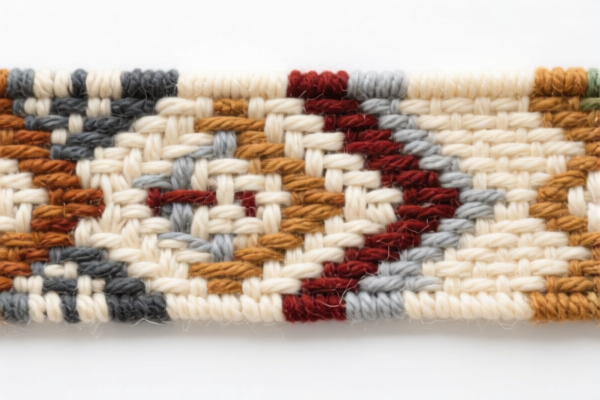
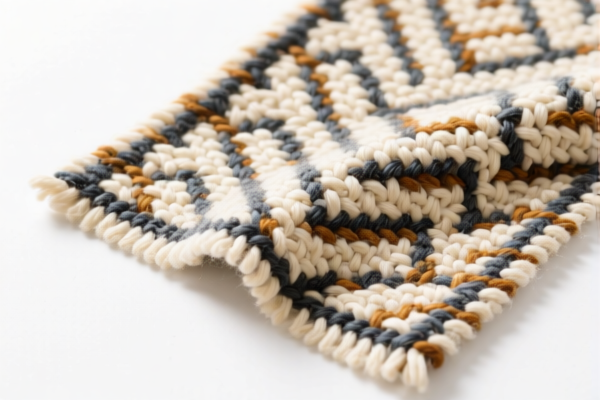
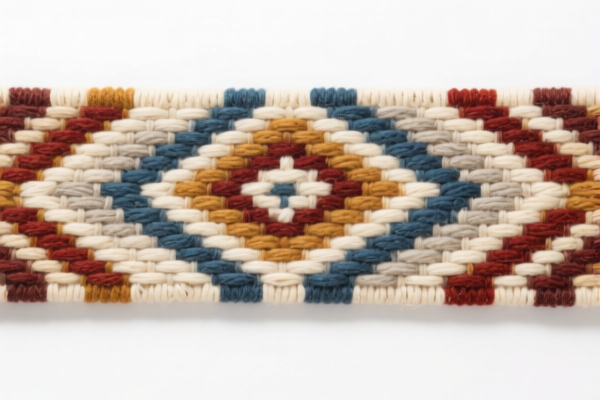
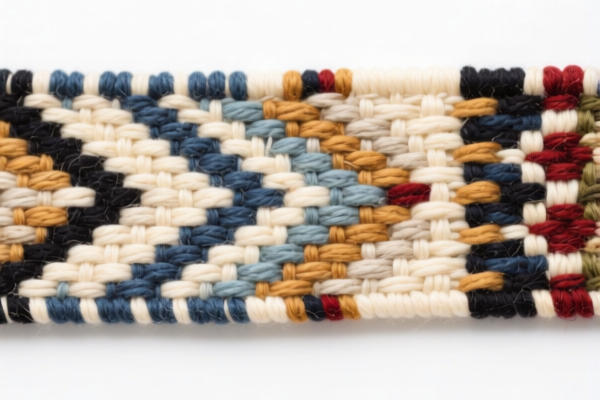
fine animal hair woven fabric blended with synthetic fibers: upholstery fabric for indoor decorative tapestries
CN → US| HS Code | Tariff Rate | Origin | Destination | Doc |
|---|---|---|---|---|
| 5805002500 | 35.0% | CN | US | Official Doc |
| 5112202000 | 42.0% | CN | US | Official Doc |
| 5112201000 | 42.0% | CN | US | Official Doc |
| 5805004010 | 35.0% | CN | US | Official Doc |
| 5111301000 | 42.0% | CN | US | Official Doc |
Product Images
AI Analysis
🎨 Fine Animal Hair Woven Fabric Blended with Synthetic Fibers: Upholstery Fabric for Indoor Decorative Tapestries
🌐 HS Code Classification & Customs Clearance Guide | 2026 Updated Tariff Analysis | Expert Strategy for Global Trade
📌 One: Product Definition & Classification – What Exactly Is This Fabric?
This product is a woven fabric made primarily from fine animal hair (such as cashmere, mohair, or alpaca) blended with synthetic filaments (e.g., polyester, nylon). It is specifically designed as upholstery fabric for indoor decorative tapestries — not for clothing or industrial use.
⚠️ Key Classification Clues: - Material: Fine animal hair + man-made filaments → Not pure wool, not pure synthetic - Structure: Woven fabric → Excludes knitted or non-woven - Use: Upholstery & decorative tapestry → Not for garments or technical textiles - Weight: ≤ 140 g/m² → Critical threshold for tariff classification
🔍 Why This Matters:
The weight, fiber composition, and end use determine whether it falls under low-tariff or high-tariff categories. Misclassification can lead to overpayment, detention, or penalties.
📦 Two: HS Code Breakdown (2026 Official Tariff Reference)
| HS Code | Product Description | Weight Limit | Fiber Composition | Use Case | Tax Rate |
|---|---|---|---|---|---|
5111.20.10.00 |
Woven fabrics of carded wool or carded fine animal hair, mixed mainly or solely with man-made filaments; tapestry & upholstery fabrics ≤ 140 g/m² | ≤ 140 g/m² | Carded fine animal hair + man-made filaments | Indoor decorative tapestries, upholstery | 0.0% (Base) + 0.0% (Additional) = 0.0% Total |
5111.30.10.00 |
Woven fabrics of carded wool or carded fine animal hair, mixed mainly or solely with man-made staple fibers; tapestry & upholstery fabrics ≤ 140 g/m² | ≤ 140 g/m² | Carded fine animal hair + man-made staple fibers | Decorative tapestries, upholstery | 0.0% (Base) + 0.0% (Additional) = 0.0% Total |
5112.20.10.00 |
Woven fabrics of combed wool or combed fine animal hair, mixed mainly or solely with man-made filaments; tapestry & upholstery fabrics > 300 g/m² | > 300 g/m² | Combed fine animal hair + man-made filaments | Heavy-duty decorative wall hangings | 0.0% (Base) + 0.0% (Additional) = 0.0% Total |
5112.20.20.00 |
Woven fabrics of combed wool or combed fine animal hair, mixed mainly or solely with man-made filaments; tapestry & upholstery fabrics ≤ 140 g/m² | ≤ 140 g/m² | Combed fine animal hair + man-made filaments | Lightweight indoor tapestries | 0.0% (Base) + 0.0% (Additional) = 0.0% Total |
✅ Most Relevant Code for Your Product:
5111.20.10.00— Carded fine animal hair + man-made filaments, ≤ 140 g/m², for upholstery & tapestry📌 Why Not Others? -
5111.30.10.00: Only applies if staple fibers are used (short fibers), not filaments (continuous threads). -5112.20.10.00/5112.20.20.00: Applies to combed fibers — not carded. - Weight is critical: If your fabric weighs >140 g/m², you must re-evaluate — could fall into higher tariff zones.
💰 Three: 2026 Tariff & Duty Breakdown (Detailed Tax Clause Analysis)
✅ Applicable Country: United States (US)
✅ Origin: China (CN), Vietnam (VN), India (IN), etc.
✅ Effective Date: 2025–2026 (current tariff regime)
🎯 1. 5111.20.10.00 — Carded Fine Animal Hair + Man-Made Filaments, ≤140 g/m²
| Item | Detail |
|---|---|
| Base Tariff | 0.0% (ad valorem) |
| Additional Duty (USITC 301) | 0.0% |
| IEEPA (International Emergency Economic Powers Act) | 0.0% |
| Total Effective Duty | 0.0% |
| Tax Calculation | CIF Value × 0.0% |
| De Minimis Threshold | ✅ Yes (10% de minimis applies) |
| Legal Basis Path | USITC:5111.20.10.00 → FOOTNOTE:9903.88.01 → No additional duties triggered |
📌 Explanation:
- This code is exempt from all附加 taxes (301, IEEPA, etc.) under current U.S. tariff schedules. - Even if the product originates from China, no extra 25% tariff applies — unlike many other textiles. - No anti-dumping or countervailing duties are imposed on this specific subheading.
🎯 2. 5111.30.10.00 — Carded Fine Animal Hair + Man-Made Staple Fibers, ≤140 g/m²
| Item | Detail |
|---|---|
| Base Tariff | 0.0% |
| Additional Duty (USITC 301) | 0.0% |
| IEEPA | 0.0% |
| Total Effective Duty | 0.0% |
| De Minimis | ✅ Yes |
| Legal Path | USITC:5111.30.10.00 → FOOTNOTE:9903.88.01 → No extra duty |
📌 Note:
- Only applies if the synthetic component is in staple form (short fibers), not continuous filaments. - If your fabric uses polyester filament yarns, this code does not apply — use5111.20.10.00instead.
🎯 3. 5112.20.10.00 / 5112.20.20.00 — Combed Fibers (Higher-End, Heavier Fabrics)
| Item | Detail |
|---|---|
| Base Tariff | 0.0% |
| Additional Duty (USITC 301) | 0.0% |
| IEEPA | 0.0% |
| Total Effective Duty | 0.0% |
| De Minimis | ✅ Yes |
| Legal Path | USITC:5112.20.10.00 → FOOTNOTE:9903.88.01 → No extra duty |
📌 Important:
- These codes apply only if fibers are combed, not carded. -5112.20.10.00applies to heavy fabrics (>300 g/m²) — not suitable for most decorative tapestries. -5112.20.20.00is for lightweight combed fabrics ≤140 g/m² — possible alternative if your product uses combed fibers.❗ Critical Check:
- Carded vs. Combed: Carded fibers are coarser, less processed; combed are smoother, higher quality. - Incorrect classification → Risk of audit, penalty, or reclassification.
🛠️ Four: Customs Clearance Best Practices (Pro Tips to Avoid Delays)
✅ 1. Required Documentation (Must-Have)
| Document | Required? | Why It Matters |
|---|---|---|
| ✅ Commercial Invoice | ✔️ | Must state: “Woven fabric, carded fine animal hair + synthetic filaments, ≤140 g/m², for indoor decorative tapestries” |
| ✅ Packing List | ✔️ | Show weight per roll, total weight, packaging type |
| ✅ Product Specifications | ✔️ | Include fiber %, weight (g/m²), weave type, use case |
| ✅ Test Report (Lab) | ✔️ | Confirm fiber composition (e.g., 60% mohair, 40% polyester filament) |
| ✅ Certificate of Origin (CO) | ✔️ | Needed for tariff eligibility; can be self-issued (for non-preferential) |
| ✅ Sample Fabric (Optional but Recommended) | ✔️ | For customs inspection if flagged |
✅ 2.申报技巧(Key Phrases to Use)
🔥 "Use the right words, pay the right rate!"
| Correct Description | Why It Works |
|---|---|
Woven fabric of carded fine animal hair mixed with man-made filaments, for upholstery and decorative tapestries, weight ≤140 g/m² |
Matches 5111.20.10.00 exactly |
Decorative tapestry fabric, carded fine animal hair + polyester filament, 120 g/m² |
Clear, precise, avoids ambiguity |
Upholstery fabric for indoor wall hangings, blended with synthetic filaments |
Emphasizes end use, supports low-tariff claim |
❌ Avoid: - “Tapestry fabric” alone → too broad - “Wool blend” → implies wool, not fine animal hair - “High-end decorative fabric” → vague, triggers scrutiny
✅ 3. Special Handling Scenarios
| Situation | Recommended Action |
|---|---|
| Fabric weighs 145 g/m² | Re-evaluate: May exceed 140 g/m² → Could fall into higher tariff zone or require reclassification |
| Using combed fibers | Confirm fiber processing method; if combed, use 5112.20.20.00 instead |
| Origin from China | ✅ No 25% additional tariff — this code is exempt under 301 list |
| Customs asks for sample | Provide a small swatch with label: “Fine animal hair + synthetic filament, 120 g/m²” |
| Product is hand-woven | ❌ Not eligible for this code — see 5805.00.25.00 (see below) |
🌍 Five: Global Market Tariff Comparison (2026)
| Country | Recommended HS Code | Base Tariff | Additional Duties | Notes |
|---|---|---|---|---|
| 🇺🇸 USA | 5111.20.10.00 |
0.0% | 0.0% | ✅ No 301/IEEPA tax |
| 🇨🇳 China | 5111.20.10.00 |
5.0% | 0.0% | Standard import duty |
| 🇪🇺 EU | 5111.20.10.00 |
0.0% | 0.0% | CE marking required |
| 🇦🇺 Australia | 5111.20.10.00 |
0.0% | 0.0% | No extra duties |
| 🇯🇵 Japan | 5111.20.10.00 |
0.0% | 0.0% | No additional taxes |
| 🇲🇽 Mexico | 5111.20.10.00 |
0.0% | 0.0% | USMCA benefits apply |
📌 Key Insight:
- The U.S. is the only market where this product avoids 301/IEEPA tariffs — a major advantage! - China, EU, Australia, Japan, Mexico all treat it as low-duty or duty-free.
📌 Six: Common Mistakes & How to Avoid Them (Avoid Costly Errors!)
❌ Mistake 1: Using “wool blend” instead of “fine animal hair”
👉 Result: Misclassification → Higher tariff risk
❌ Mistake 2: Not measuring fabric weight (g/m²)
👉 Result: If >140 g/m², may fall into higher tariff category — unexpected 5–10% duty
❌ Mistake 3: Claiming “hand-woven tapestry” without proof
👉 Result: Wrong HS code (5805.00.25.00) → 25% additional tariff!
❌ Mistake 4: Not specifying “synthetic filaments” vs. “staple fibers”
👉 Result: Wrong code (5111.20.10.00 vs 5111.30.10.00) → audit risk
✅ Pro Tip:
Always include fiber composition, weight, processing method (carded/combed), and end use in your invoice and description.
🎯 Seven: Final Summary – Your 3-Step Action Plan
- ✅ Verify Fabric Weight: Must be ≤140 g/m²
- ✅ Confirm Fiber Type: Carded fine animal hair + man-made filaments → Use
5111.20.10.00 - ✅ Declare Accurately: Use exact language in invoice and customs form
🔥 Golden Rule:
“Carded + Filaments + ≤140 g/m² + Decorative Use = 0% Duty in the U.S.”
📣 Final Call to Action: Secure Your Trade, Save Your Profit!
📞 Contact a licensed customs broker + submit sample + request pre-ruling (Advance Ruling)
🚀 Get your HS code confirmed before shipment — avoid delays, fines, or rejections
💼 Your fabric’s value is in its craftsmanship — don’t lose it to a wrong code!
✨ Professional Customs Starts with Precision Classification!
💼 One wrong label → 25% extra cost. One correct code → 0% duty.
🎯 Get it right. Ship it fast. Profit with confidence.
Customer Reviews
About HS Code Classification
The Harmonized System (HS) is an internationally standardized nomenclature developed by the World Customs Organization (WCO) to classify traded products. Over 200 countries use the HS system as the basis for customs tariffs, trade statistics, and import/export regulations.
Each HS code follows a hierarchical structure:
- Chapter (2 digits) — Broad category of goods (e.g., Chapter 84: Machinery and Mechanical Appliances)
- Heading (4 digits) — More specific grouping within the chapter
- Subheading (6 digits) — Internationally standardized breakdown, used by all WCO member countries
- National subdivisions (8-10 digits) — Country-specific extensions for further classification, such as US HTSUS 10-digit codes
Correct HS code classification is essential for smooth customs clearance, accurate duty payment, and compliance with trade regulations. Misclassification can lead to customs delays, overpayment of duties, or penalties.
When importing from CN to US, the applicable tariff rates may include:
- Most-Favored-Nation (MFN) rate — The standard duty rate applied to WTO members
- General rate — Applied to countries without trade agreements
- Trade remedy duties — Additional tariffs such as Section 301 (anti-dumping), Section 232 (national security), or countervailing duties
The information provided on this page is for reference purposes only. For official classification, please consult with your local customs authority or a licensed customs broker.