Fire Extinguishing Agent Connecting Fittings
CN → US| HS编码 | 关税税率 | 原产国 | 目的国 | 文档 |
|---|---|---|---|---|
| 3917400095 | 40.3% | CN | US | 官方文档 |
| 7307995045 | 89.3% | CN | US | 官方文档 |
| 3917290090 | 38.1% | CN | US | 官方文档 |
| 7307995060 | 89.3% | CN | US | 官方文档 |
| 3917400095 | 40.3% | CN | US | 官方文档 |
商品图片
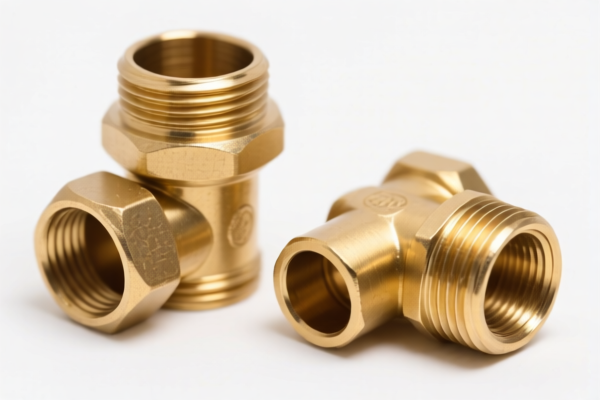
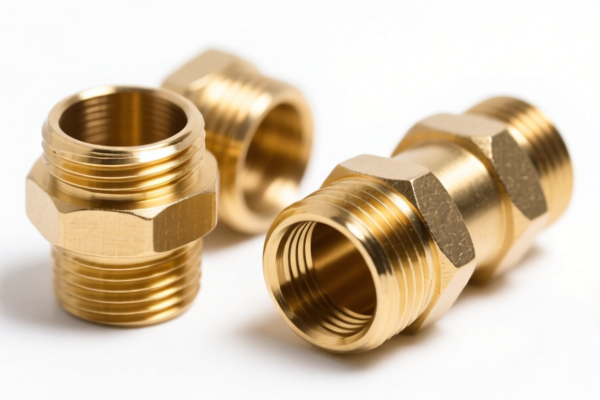
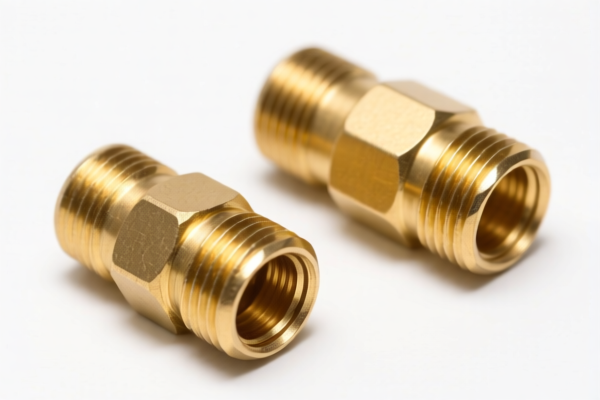
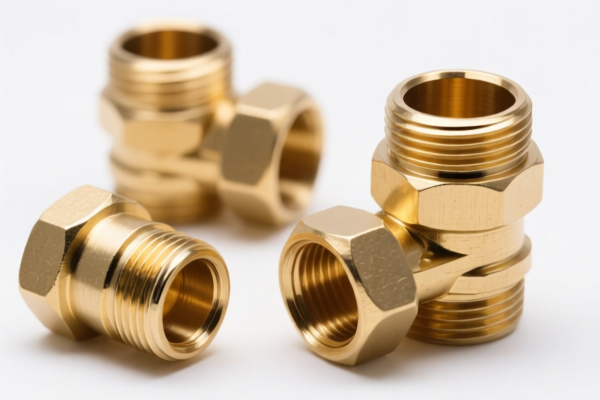
AI分析
🧯 Fire Extinguishing Agent Connecting Fittings
🌐 HS Code Reference & Customs Clearance Guide | 2026 Latest Tariff Analysis | Professional Clearance Strategy
📌 I. Product Definition & Classification: Do You Understand the Material Difference?
Fire extinguishing agent connecting fittings are critical components in fire suppression systems, serving as connectors between pipes, cylinders, and discharge nozzles. In international trade, the material composition is the single most decisive factor for classification and tariff calculation.
There are two primary categories:
1. Plastic Fittings (Plastic Materials):
Made from polymers such as PVC, CPVC, PP, or ABS. These are commonly used in residential systems, light commercial applications, or where corrosion resistance is key.
* Key Characteristic: Non-metallic, lightweight, often threaded or solvent-welded.
2. Metallic Fittings (Iron, Steel, Alloy Steel):
Made from cast iron, carbon steel, stainless steel, or alloy steel. These are used in high-pressure industrial systems, wet chemical systems, or environments requiring high durability.
* Key Characteristic: Heavy, high-strength, often galvanized or threaded.
⚠️ Critical Distinction Point:
- If the fitting is Plastic → It falls under Chapter 39.
- If the fitting is Metal (Iron/Steel/Alloy) → It falls under Chapter 73.
- Misclassification leads to severe penalties: The tariff difference between plastic and metal fittings is massive (38.1% vs. 89.3%!).
📦 II. HS Code Classification Details (2026 Latest Tariff Authority Cross-Reference)
| HS Code | Product Description | Material | Application Scenario | Key Attribute |
|---|---|---|---|---|
3917.40.00.95 |
Plastic Connecting Fittings for Fire Extinguishing Agents | Plastic | Residential sprinklers, light commercial fire pipes | ✅ Plastic Material |
7307.99.50.45 |
Iron or Non-Alloy Steel Connecting Fittings for Fire Extinguishing Agents | Iron / Non-Alloy Steel | Industrial fire suppression, high-pressure systems | ✅ Metal (Iron/Steel) |
3917.29.00.90 |
Plastic Pipe Accessories (General) | Plastic | General plastic plumbing, non-specific fire fittings | ✅ Plastic Material |
7307.99.50.60 |
Alloy Steel Pipe Fittings | Alloy Steel | High-temp/high-pressure industrial fire systems | ✅ Metal (Alloy) |
🔍 Important Reminder:
- Plastic Fittings: Must clearly specify "Plastic" (e.g., PVC, CPVC) in the declaration.
- Metal Fittings: Must distinguish between Non-Alloy Steel (Iron) and Alloy Steel. While both have the same total tax rate in this data set, the HS codes are different for regulatory purposes.
- Do Not Mix: A shipment containing both plastic and metal fittings must be declared separately to avoid customs hold-ups.
💰 III. 2026 Latest Tariff Rate Details (Including Surcharges & Policy Add-ons)
✅ Applicable Country: United States (US)
✅ Origin: China (CN)
✅ Effective Time: Current policies including Section 301 & Section 122 tariffs.
🎯 1. 3917.40.00.95 & 3917.29.00.90 —— Plastic Fittings
| Item | Content |
|---|---|
| Base Tariff | 3.1% - 5.3% (Ad Valorem) |
| Section 301 Surcharge | +25.0% (Standard US Tariff on Chinese Goods) |
| Section 122 Surcharge | +10.0% (Specific policy surcharge) |
| Total Tax Rate | 38.1% - 40.3% |
| Tax Calculation | CIF Value × Total Rate |
| De Minimis Eligibility | ❌ No (High tax rate exceeds typical de minimis thresholds for practical clearance) |
| Legal Basis Path | Section 301: Footnote 9903.88.01 → Section 122 → USITC:3917.40.00.95 |
📌 Explanation:
- Base Tax: Low because plastics generally have lower base duties.
- Section 301 (25%): The major cost driver for Chinese plastic imports.
- Section 122 (10%): An additional layer of tax applicable to these goods.
- Total ~40%: This is a high-cost item. Profit margins must account for this.
🎯 2. 7307.99.50.45 & 7307.99.50.60 —— Metal Fittings (Iron/Steel/Alloy)
| Item | Content |
|---|---|
| Base Tariff | 4.3% (Ad Valorem) |
| Section 301 Surcharge | +25.0% (Standard US Tariff on Chinese Goods) |
| Section 122 Surcharge | +10.0% (Specific policy surcharge) |
| Additional Metal/Alloy Surcharge | +50.0% (Specific to Steel, Aluminum, Copper products) |
| Total Tax Rate | 89.3% |
| Tax Calculation | CIF Value × 89.3% |
| De Minimis Eligibility | ❌ No (Extremely high tax rate) |
| Legal Basis Path | Section 301: Footnote 9903.88.01 → Section 122 → Additional Metal Tariff (50%) → USITC:7307.99.50.45 |
📌 Explanation:
- Base Tax: Only 4.3%, which is low.
- The Trap: The 50% additional surcharge for steel/metal products.
- Total 89.3%: This is an extremely prohibitive tariff.
- Crucial Insight: Even though the base tax is low, the metal-specific surcharge makes Chinese steel fittings nearly non-competitive in the US market without a tariff engineering strategy or origin shifting.
🛠️ IV. Customs Clearance Practical Advice (Avoiding Pitfalls)
✅ 1. Preparation Checklist (Non-Negotiable)
| Document | Required | Notes |
|---|---|---|
| ✅ Material Certificate | ✔️ Must Have | Must explicitly state "Plastic" or "Iron/Steel" to determine the correct HS code. |
| ✅ Product Photos | ✔️ | Show threads, connections, and any markings (e.g., "PVC," "SS316," "Cast Iron"). |
| ✅ Commercial Invoice | ✔️ | Clearly describe as "Fire Extinguishing Agent Connecting Fittings." Do NOT just write "Fittings." |
| ✅ Origin Certificate | ✔️ | Essential if claiming any potential exemptions (though rare for these codes from China). |
| ✅ HS Code Pre-Ruling | ✔️ | Highly recommended due to the huge tax difference (40% vs 89%). |
✅ 2. Declaration Tips (Key Mantras)
🔥 "Material First, HS Code Second, Metal Tax High!"
| Scenario | Correct Declaration | Wrong Practice | Consequence |
|---|---|---|---|
| Plastic Fittings | 3917.40.00.95 |
Declare as Metal | Underpayment of tax → Penalty + Back Tax |
| Iron Fittings | 7307.99.50.45 |
Declare as Plastic | Overpayment (You paid 40% instead of 89%, but customs will catch it and penalize) OR If you declare as Plastic to save tax, you are committing fraud. |
| Alloy Steel Fittings | 7307.99.50.60 |
Declare as General Steel | Misclassification → Audit Risk |
| Mixed Shipment | Separate Lines | Mixed Line Item | Customs will reject the entire shipment for unclear classification. |
✅ 3. Special Situations
| Situation | Handling Advice |
|---|---|
| Composite Materials (e.g., Plastic body with Metal threads) | Declare based on essential character. If plastic is the main material, use 3917.40.00.95. Provide detailed photos. |
| Branded vs. Generic | Brand does not affect HS code, but may affect value declaration. Ensure invoice value is accurate to avoid valuation audits. |
| Fire Suppression Certification | Some US jurisdictions require NFPA or UL listing. Provide certification docs to speed up local authority checks, even if CBP only cares about HS/Tax. |
🌍 V. Global Market Comparison (2026 Latest)
| Country/Region | Recommended HS Code | Tax Rate (China Origin) | Notes |
|---|---|---|---|
| 🇺🇸 USA | 3917.40.00.95 (Plastic) / 7307.99.50.45 (Metal) |
38.1%-40.3% (Plastic) 89.3% (Metal) |
Hardest Market. Metal fittings face near-prohibitive tariffs. |
| 🇨🇳 China (Export) | 3917.40.00.95 / 7307.99.50.45 |
0% (Export Duty) | No export tax, but high import tax in destination. |
| 🇪🇺 EU | 3917.29.00 / 7307.99.00 |
~5-7% | Generally lower tariffs. No Section 301 equivalent. |
| 🇦🇺 Australia | 3917.29.00 / 7307.99.00 |
5% | Free Trade Agreement (China-Australia) may apply 0% for some metals/plastics if certified. |
📌 Conclusion:
- The US market is uniquely punitive for Chinese metal fire fittings due to the 50% additional surcharge.
- Plastic fittings are more viable in the US, but still carry a ~40% tax burden.
- For Metal fittings, consider sourcing from Vietnam, Thailand, or Mexico to avoid US Section 301 and metal surcharges.
📌 VI. Common Errors & Pitfalls (Lessons Learned)
❌ Error 1: Declaring Metal Fittings as Plastic to avoid the 89.3% tax.
👉 Consequence: Customs inspection will reveal the weight/material. Severe penalty + 100% fraud fine + potential legal action.
❌ Error 2: Using the general "Pipe Fittings" code (7307.99.90) instead of the specific fire agent fitting code.
👉 Consequence: If the specific code (7307.99.50.45) has a higher surcharge, you risk being underpaid. If lower, you get caught in an audit. Always use the most specific description.
❌ Error 3: Ignoring the Section 122 Surcharge.
👉 Consequence: Even if you calculate Section 301 correctly, forgetting the 10% Section 122 adds significant unexpected costs.
✅ Correct Approach:
"Fire Extinguishing Agent Connecting Fittings, Material: PVC (Plastic), Model: XYZ, Certified to NFPA 13."
OR
"Fire Extinguishing Agent Connecting Fittings, Material: Cast Iron, Model: ABC, Certified to UL."
🎯 VII. Conclusion: Professional Classification Saves Millions
🎯 Remember the Mantra:
🔹 "Plastic: ~40% Tax. Metal: ~89% Tax. Don't Mix!"
🔹 "Metal Tax is a Killer. Consider Non-China Origin for Steel."
🔹 "Declare Material Clearly. Ambiguity = Audit."
📌 Tips:
- For Metal Fittings, strongly consider supply chain diversification to Southeast Asia or North America (Mexico) to bypass the 89.3% US tariff.
- For Plastic Fittings, ensure anti-dumping duties are not applicable (check current AD/CVD orders for plastics).
- Apply for an Advance Ruling from US Customs and Border Protection (CBP) if the shipment value is significant. This provides legal certainty.
📣 Immediate Action:
📞 Contact a licensed Customs Broker + Provide Material Spec Sheets + Verify Section 122 Applicability
🚀 Navigate the Tariff Maze with Precision. Avoid the 89.3% Pitfall.
✨ Professional Clearance Starts with Accurate Classification!
💼 Your Cost Structure Depends on the HS Code. Get It Right the First Time.
用户评价
关于 HS 编码归类
协调制度(HS)是由世界海关组织(WCO)制定的国际贸易商品分类标准。全球 200 多个国家采用 HS 系统作为海关关税、贸易统计和进出口监管的基础。
每个 HS 编码遵循以下层级结构:
- 章(2 位)——商品大类(例如:第 84 章:机器和机械设备)
- 品目(4 位)——章内的更具体分类
- 子目(6 位)——国际通用细分,所有 WCO 成员国统一使用
- 本国细分(8-10 位)——各国自行扩展的细分编码,如美国 HTSUS 10 位编码
正确的 HS 编码归类对于顺利通关、准确缴纳关税和遵守贸易法规至关重要。错误归类可能导致海关延误、多缴关税或罚款。
从CN进口到US时,适用的关税税率可能包括:
- 最惠国(MFN)税率——适用于 WTO 成员国的标准关税税率
- 普通税率——适用于无贸易协定国家
- 贸易救济关税——附加关税,如 301 条款(反倾销)、232 条款(国家安全)或反补贴税
本页内容仅供参考。如需正式归类,请咨询当地海关或持牌报关代理。