Fire Extinguishing Agent Connecting Fittings
CN → US| HS Code | Tariff Rate | Origin | Destination | Doc |
|---|---|---|---|---|
| 3917400095 | 40.3% | CN | US | Official Doc |
| 7307995045 | 89.3% | CN | US | Official Doc |
| 3917290090 | 38.1% | CN | US | Official Doc |
| 7307995060 | 89.3% | CN | US | Official Doc |
| 3917400095 | 40.3% | CN | US | Official Doc |
Product Images
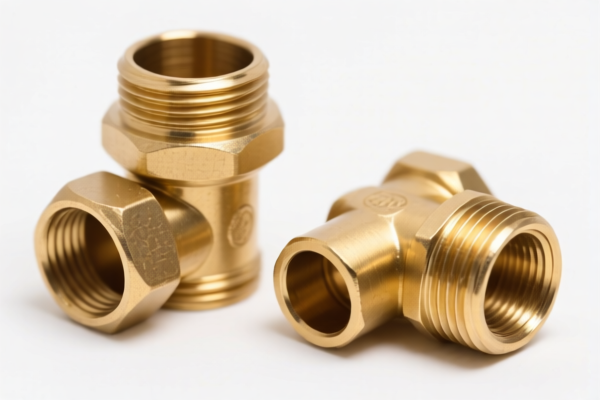
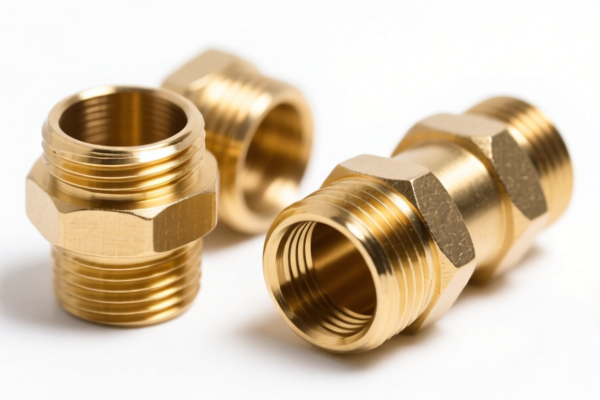
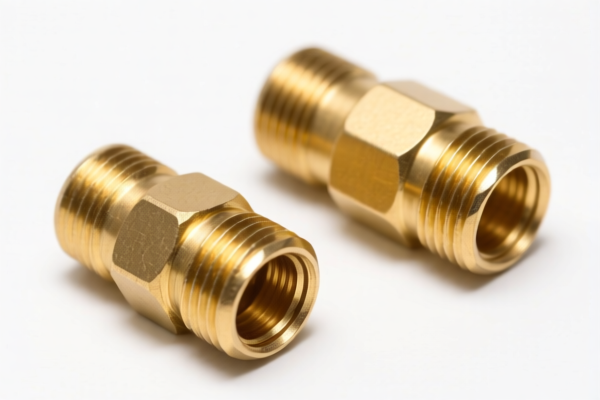
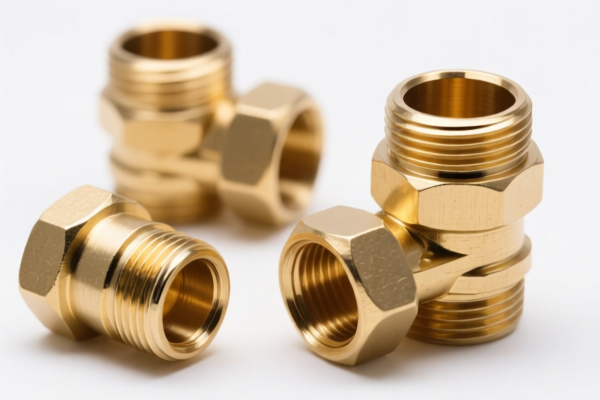
AI Analysis
🧯 Fire Extinguishing Agent Connecting Fittings
🌐 HS Code Reference & Customs Clearance Guide | 2026 Latest Tariff Analysis | Professional Clearance Strategy
📌 I. Product Definition & Classification: Do You Understand the Material Difference?
Fire extinguishing agent connecting fittings are critical components in fire suppression systems, serving as connectors between pipes, cylinders, and discharge nozzles. In international trade, the material composition is the single most decisive factor for classification and tariff calculation.
There are two primary categories:
1. Plastic Fittings (Plastic Materials):
Made from polymers such as PVC, CPVC, PP, or ABS. These are commonly used in residential systems, light commercial applications, or where corrosion resistance is key.
* Key Characteristic: Non-metallic, lightweight, often threaded or solvent-welded.
2. Metallic Fittings (Iron, Steel, Alloy Steel):
Made from cast iron, carbon steel, stainless steel, or alloy steel. These are used in high-pressure industrial systems, wet chemical systems, or environments requiring high durability.
* Key Characteristic: Heavy, high-strength, often galvanized or threaded.
⚠️ Critical Distinction Point:
- If the fitting is Plastic → It falls under Chapter 39.
- If the fitting is Metal (Iron/Steel/Alloy) → It falls under Chapter 73.
- Misclassification leads to severe penalties: The tariff difference between plastic and metal fittings is massive (38.1% vs. 89.3%!).
📦 II. HS Code Classification Details (2026 Latest Tariff Authority Cross-Reference)
| HS Code | Product Description | Material | Application Scenario | Key Attribute |
|---|---|---|---|---|
3917.40.00.95 |
Plastic Connecting Fittings for Fire Extinguishing Agents | Plastic | Residential sprinklers, light commercial fire pipes | ✅ Plastic Material |
7307.99.50.45 |
Iron or Non-Alloy Steel Connecting Fittings for Fire Extinguishing Agents | Iron / Non-Alloy Steel | Industrial fire suppression, high-pressure systems | ✅ Metal (Iron/Steel) |
3917.29.00.90 |
Plastic Pipe Accessories (General) | Plastic | General plastic plumbing, non-specific fire fittings | ✅ Plastic Material |
7307.99.50.60 |
Alloy Steel Pipe Fittings | Alloy Steel | High-temp/high-pressure industrial fire systems | ✅ Metal (Alloy) |
🔍 Important Reminder:
- Plastic Fittings: Must clearly specify "Plastic" (e.g., PVC, CPVC) in the declaration.
- Metal Fittings: Must distinguish between Non-Alloy Steel (Iron) and Alloy Steel. While both have the same total tax rate in this data set, the HS codes are different for regulatory purposes.
- Do Not Mix: A shipment containing both plastic and metal fittings must be declared separately to avoid customs hold-ups.
💰 III. 2026 Latest Tariff Rate Details (Including Surcharges & Policy Add-ons)
✅ Applicable Country: United States (US)
✅ Origin: China (CN)
✅ Effective Time: Current policies including Section 301 & Section 122 tariffs.
🎯 1. 3917.40.00.95 & 3917.29.00.90 —— Plastic Fittings
| Item | Content |
|---|---|
| Base Tariff | 3.1% - 5.3% (Ad Valorem) |
| Section 301 Surcharge | +25.0% (Standard US Tariff on Chinese Goods) |
| Section 122 Surcharge | +10.0% (Specific policy surcharge) |
| Total Tax Rate | 38.1% - 40.3% |
| Tax Calculation | CIF Value × Total Rate |
| De Minimis Eligibility | ❌ No (High tax rate exceeds typical de minimis thresholds for practical clearance) |
| Legal Basis Path | Section 301: Footnote 9903.88.01 → Section 122 → USITC:3917.40.00.95 |
📌 Explanation:
- Base Tax: Low because plastics generally have lower base duties.
- Section 301 (25%): The major cost driver for Chinese plastic imports.
- Section 122 (10%): An additional layer of tax applicable to these goods.
- Total ~40%: This is a high-cost item. Profit margins must account for this.
🎯 2. 7307.99.50.45 & 7307.99.50.60 —— Metal Fittings (Iron/Steel/Alloy)
| Item | Content |
|---|---|
| Base Tariff | 4.3% (Ad Valorem) |
| Section 301 Surcharge | +25.0% (Standard US Tariff on Chinese Goods) |
| Section 122 Surcharge | +10.0% (Specific policy surcharge) |
| Additional Metal/Alloy Surcharge | +50.0% (Specific to Steel, Aluminum, Copper products) |
| Total Tax Rate | 89.3% |
| Tax Calculation | CIF Value × 89.3% |
| De Minimis Eligibility | ❌ No (Extremely high tax rate) |
| Legal Basis Path | Section 301: Footnote 9903.88.01 → Section 122 → Additional Metal Tariff (50%) → USITC:7307.99.50.45 |
📌 Explanation:
- Base Tax: Only 4.3%, which is low.
- The Trap: The 50% additional surcharge for steel/metal products.
- Total 89.3%: This is an extremely prohibitive tariff.
- Crucial Insight: Even though the base tax is low, the metal-specific surcharge makes Chinese steel fittings nearly non-competitive in the US market without a tariff engineering strategy or origin shifting.
🛠️ IV. Customs Clearance Practical Advice (Avoiding Pitfalls)
✅ 1. Preparation Checklist (Non-Negotiable)
| Document | Required | Notes |
|---|---|---|
| ✅ Material Certificate | ✔️ Must Have | Must explicitly state "Plastic" or "Iron/Steel" to determine the correct HS code. |
| ✅ Product Photos | ✔️ | Show threads, connections, and any markings (e.g., "PVC," "SS316," "Cast Iron"). |
| ✅ Commercial Invoice | ✔️ | Clearly describe as "Fire Extinguishing Agent Connecting Fittings." Do NOT just write "Fittings." |
| ✅ Origin Certificate | ✔️ | Essential if claiming any potential exemptions (though rare for these codes from China). |
| ✅ HS Code Pre-Ruling | ✔️ | Highly recommended due to the huge tax difference (40% vs 89%). |
✅ 2. Declaration Tips (Key Mantras)
🔥 "Material First, HS Code Second, Metal Tax High!"
| Scenario | Correct Declaration | Wrong Practice | Consequence |
|---|---|---|---|
| Plastic Fittings | 3917.40.00.95 |
Declare as Metal | Underpayment of tax → Penalty + Back Tax |
| Iron Fittings | 7307.99.50.45 |
Declare as Plastic | Overpayment (You paid 40% instead of 89%, but customs will catch it and penalize) OR If you declare as Plastic to save tax, you are committing fraud. |
| Alloy Steel Fittings | 7307.99.50.60 |
Declare as General Steel | Misclassification → Audit Risk |
| Mixed Shipment | Separate Lines | Mixed Line Item | Customs will reject the entire shipment for unclear classification. |
✅ 3. Special Situations
| Situation | Handling Advice |
|---|---|
| Composite Materials (e.g., Plastic body with Metal threads) | Declare based on essential character. If plastic is the main material, use 3917.40.00.95. Provide detailed photos. |
| Branded vs. Generic | Brand does not affect HS code, but may affect value declaration. Ensure invoice value is accurate to avoid valuation audits. |
| Fire Suppression Certification | Some US jurisdictions require NFPA or UL listing. Provide certification docs to speed up local authority checks, even if CBP only cares about HS/Tax. |
🌍 V. Global Market Comparison (2026 Latest)
| Country/Region | Recommended HS Code | Tax Rate (China Origin) | Notes |
|---|---|---|---|
| 🇺🇸 USA | 3917.40.00.95 (Plastic) / 7307.99.50.45 (Metal) |
38.1%-40.3% (Plastic) 89.3% (Metal) |
Hardest Market. Metal fittings face near-prohibitive tariffs. |
| 🇨🇳 China (Export) | 3917.40.00.95 / 7307.99.50.45 |
0% (Export Duty) | No export tax, but high import tax in destination. |
| 🇪🇺 EU | 3917.29.00 / 7307.99.00 |
~5-7% | Generally lower tariffs. No Section 301 equivalent. |
| 🇦🇺 Australia | 3917.29.00 / 7307.99.00 |
5% | Free Trade Agreement (China-Australia) may apply 0% for some metals/plastics if certified. |
📌 Conclusion:
- The US market is uniquely punitive for Chinese metal fire fittings due to the 50% additional surcharge.
- Plastic fittings are more viable in the US, but still carry a ~40% tax burden.
- For Metal fittings, consider sourcing from Vietnam, Thailand, or Mexico to avoid US Section 301 and metal surcharges.
📌 VI. Common Errors & Pitfalls (Lessons Learned)
❌ Error 1: Declaring Metal Fittings as Plastic to avoid the 89.3% tax.
👉 Consequence: Customs inspection will reveal the weight/material. Severe penalty + 100% fraud fine + potential legal action.
❌ Error 2: Using the general "Pipe Fittings" code (7307.99.90) instead of the specific fire agent fitting code.
👉 Consequence: If the specific code (7307.99.50.45) has a higher surcharge, you risk being underpaid. If lower, you get caught in an audit. Always use the most specific description.
❌ Error 3: Ignoring the Section 122 Surcharge.
👉 Consequence: Even if you calculate Section 301 correctly, forgetting the 10% Section 122 adds significant unexpected costs.
✅ Correct Approach:
"Fire Extinguishing Agent Connecting Fittings, Material: PVC (Plastic), Model: XYZ, Certified to NFPA 13."
OR
"Fire Extinguishing Agent Connecting Fittings, Material: Cast Iron, Model: ABC, Certified to UL."
🎯 VII. Conclusion: Professional Classification Saves Millions
🎯 Remember the Mantra:
🔹 "Plastic: ~40% Tax. Metal: ~89% Tax. Don't Mix!"
🔹 "Metal Tax is a Killer. Consider Non-China Origin for Steel."
🔹 "Declare Material Clearly. Ambiguity = Audit."
📌 Tips:
- For Metal Fittings, strongly consider supply chain diversification to Southeast Asia or North America (Mexico) to bypass the 89.3% US tariff.
- For Plastic Fittings, ensure anti-dumping duties are not applicable (check current AD/CVD orders for plastics).
- Apply for an Advance Ruling from US Customs and Border Protection (CBP) if the shipment value is significant. This provides legal certainty.
📣 Immediate Action:
📞 Contact a licensed Customs Broker + Provide Material Spec Sheets + Verify Section 122 Applicability
🚀 Navigate the Tariff Maze with Precision. Avoid the 89.3% Pitfall.
✨ Professional Clearance Starts with Accurate Classification!
💼 Your Cost Structure Depends on the HS Code. Get It Right the First Time.
Customer Reviews
About HS Code Classification
The Harmonized System (HS) is an internationally standardized nomenclature developed by the World Customs Organization (WCO) to classify traded products. Over 200 countries use the HS system as the basis for customs tariffs, trade statistics, and import/export regulations.
Each HS code follows a hierarchical structure:
- Chapter (2 digits) — Broad category of goods (e.g., Chapter 84: Machinery and Mechanical Appliances)
- Heading (4 digits) — More specific grouping within the chapter
- Subheading (6 digits) — Internationally standardized breakdown, used by all WCO member countries
- National subdivisions (8-10 digits) — Country-specific extensions for further classification, such as US HTSUS 10-digit codes
Correct HS code classification is essential for smooth customs clearance, accurate duty payment, and compliance with trade regulations. Misclassification can lead to customs delays, overpayment of duties, or penalties.
When importing from CN to US, the applicable tariff rates may include:
- Most-Favored-Nation (MFN) rate — The standard duty rate applied to WTO members
- General rate — Applied to countries without trade agreements
- Trade remedy duties — Additional tariffs such as Section 301 (anti-dumping), Section 232 (national security), or countervailing duties
The information provided on this page is for reference purposes only. For official classification, please consult with your local customs authority or a licensed customs broker.