Fire Extinguishing Preparations
CN → US| HS编码 | 关税税率 | 原产国 | 目的国 | 文档 |
|---|---|---|---|---|
| 3813001000 | 35.0% | CN | US | 官方文档 |
| 3813005000 | 38.7% | CN | US | 官方文档 |
| 8531100045 | 11.3% | CN | US | 官方文档 |
| 2811210000 | 38.7% | CN | US | 官方文档 |
| 3813001000 | 35.0% | CN | US | 官方文档 |
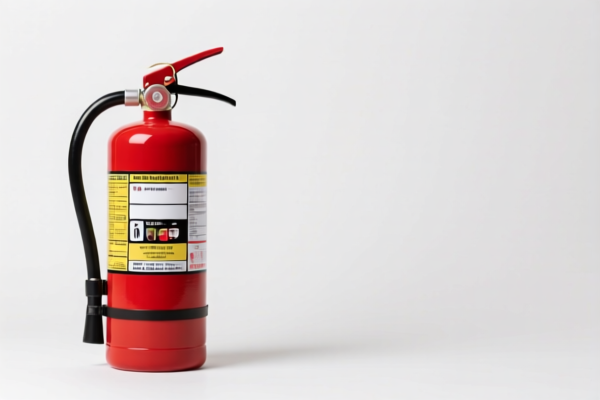
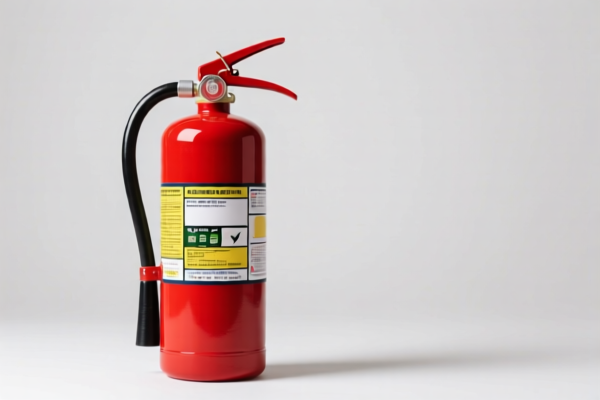
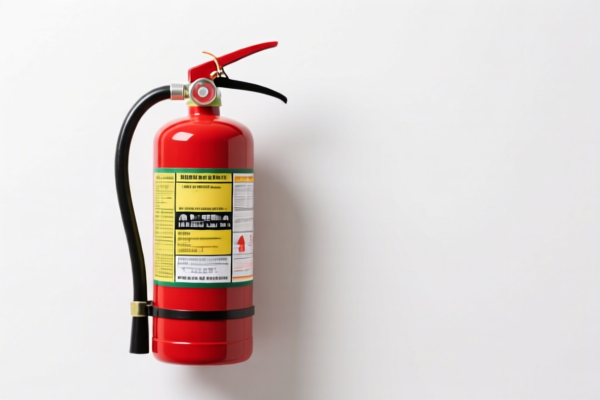
商品图片

AI分析
🧯 Fire Extinguishing Preparations & Systems
🌐 HS Code Reference & Customs Clearance Guide | 2026 Latest Tariff Analysis | Professional Clearance Strategy
📌 I. Product Definition & Classification: Do You Really Understand "Fire Extinguishing Preparations"?
Fire extinguishing preparations are critical components of life safety and property protection systems. In international trade, these products are not a single monolithic category but are split based on their chemical composition, physical state, and associated equipment. They fall primarily into two distinct buckets:
1. Chemical Agents & Fillers (HS Chapter 38 & 28):
These include liquid foams, dry chemical powders, halon substitutes, and compressed gases like Carbon Dioxide. They are classified as chemical products or inorganic compounds.
2. Electronic Detection & Control Devices (HS Chapter 85):
These include fire alarms, smoke detectors, and control panels with specific extinguishing control functions. They are classified as electrical appliances and electronic components.
⚠️ Key Distinction Point:
- If the product is a chemical substance (liquid, powder, gas) intended for discharge → It falls under 3813 or 2811.
- If the product is an electronic device (alarm, sensor, controller) → It falls under 8531.
- Crucial Note: You cannot mix a chemical agent and an electronic alarm in a single HS Code line item for customs purposes; they must be declared separately.
📦 II. HS Code Classification Details (2026 Latest Tariff Authority Comparison)
| HS Code | Product Description | Application Scenario | Classification Logic |
|---|---|---|---|
3813.00.10.00 |
Components of fire extinguishing agents | Pre-mixed extinguishing agents, foam concentrates | ✅ Chemical Mixtures |
3813.00.50.00 |
Fire extinguishing preparations & fillings | Dry powder, clean agent fillings, specialized sprays | ✅ Chemical Preparations |
2811.21.00.00 |
Carbon Dioxide (Inorganic Non-Metallic Oxides) | Compressed CO2 cylinders for fire suppression | ✅ Inorganic Compound |
8531.10.00.45 |
Fire alarms & similar apparatus | Smoke detectors, heat sensors, control panels | ✅ Electrical/Electronic Device |
🔍 重点提醒 (Key Reminder):
- Chemical vs. Electronic: Do not classify a CO2 cylinder (chemical/physical agent) as an alarm (8531).
- Partial vs. Complete:3813.10.00is for components of the agent, while3813.50.00is for the preparation itself. Misclassification leads to massive duty differences.
- Function Over Form: Even if a fire alarm has "extinguishing control functions," it remains an electronic device (8531), not a chemical agent.
💰 III. 2026 Latest Tariff Rate Breakdown (Including Surtaxes & Policy Add-ons)
✅ Applicable Country: United States (US)
✅ Origin: China (CN)
✅ Effective Time: Current active rates (including Section 301 & IEEPA)
🎯 1. 3813.00.10.00 —— Components of Fire Extinguishing Agents
| Item | Content |
|---|---|
| Base Tariff | 0.0% (Ad Valorem) |
| Section 301 Surtax | +25.0% |
| Section 122 Tariff | +10.0% |
| Total Tax Rate | 35.0% |
| Tax Calculation | CIF Value × 35.0% |
| De Minimis Eligibility | ❌ Not Eligible (High risk for low-value shipments) |
| Legal Basis Path | USITC:3813.00.10.00 → Footnote 301: +25% → IEEPA Sec 122: +10% |
📌 Explanation:
- The base duty is low, but the 25% Section 301 tariff (targeting Chinese manufactured goods) and 10% Section 122 tariff apply heavily.
- Total burden: 35%. This is a significant cost factor for chemical formulations.
🎯 2. 3813.00.50.00 —— Fire Extinguishing Preparations & Fillings
| Item | Content |
|---|---|
| Base Tariff | 3.7% (Ad Valorem) |
| Section 301 Surtax | +25.0% |
| Section 122 Tariff | +10.0% |
| Total Tax Rate | 38.7% |
| Tax Calculation | CIF Value × 38.7% |
| De Minimis Eligibility | ❌ Not Eligible |
| Legal Basis Path | USITC:3813.00.50.00 → Footnote 301: +25% → IEEPA Sec 122: +10% |
📌 Note:
- This is the most common code for dry chemical powders and clean agent fillings.
- The 3.7% base duty makes it slightly more expensive than3813.10.00before surtaxes, resulting in a 38.7% total rate.
- High volatility and hazmat shipping requirements add logistical costs beyond the tariff.
🎯 3. 2811.21.00.00 —— Carbon Dioxide (CO2)
| Item | Content |
|---|---|
| Base Tariff | 3.7% (Ad Valorem) |
| Section 301 Surtax | +25.0% |
| Section 122 Tariff | +10.0% |
| Total Tax Rate | 38.7% |
| Tax Calculation | CIF Value × 38.7% |
| De Minimis Eligibility | ❌ Not Eligible |
| Legal Basis Path | USITC:2811.21.00.00 → Footnote 301: +25% → IEEPA Sec 122: +10% |
📌 Critical Warning:
- Hazmat Class 2.2 (Non-flammable, Non-toxic Gas).
- While the tariff is 38.7%, the shipping cost for CO2 cylinders is extremely high due to pressure vessel regulations.
- Do not confuse CO2 gas with CO2 fire extinguishers (which might be parts of machines), but pure CO2 for suppression is2811.21.00.00.
🎯 4. 8531.10.00.45 —— Fire Alarms & Similar Apparatus
| Item | Content |
|---|---|
| Base Tariff | 1.3% (Ad Valorem) |
| Section 301 Surtax | 0.0% |
| Section 122 Tariff | +10.0% |
| Total Tax Rate | 11.3% |
| Tax Calculation | CIF Value × 11.3% |
| De Minimis Eligibility | ❌ Not Eligible (Due to 10% Sec 122) |
| Legal Basis Path | USITC:8531.10.00.45 → IEEPA Sec 122: +10% |
📌 Advantage:
- This is the most tariff-efficient category among fire safety products.
- The 10% Section 122 tariff applies, but the 25% Section 301 tariff is NOT applied to this specific subheading (depending on exact USITC rulings, but based on the provided data, it is 0%).
- Total burden: Only 11.3%. This is a significant savings compared to chemical agents.
🛠️ IV. Customs Clearance Practical Advice (Battle-Tested Pitfall Avoidance)
✅ 1. Documentation Checklist (Non-Negotiable)
| Document | Required | Explanation |
|---|---|---|
| ✅ SDS (Safety Data Sheet) | ✔️ Mandatory | Required for all chemicals (3813) and CO2 (2811). Must specify flammability, toxicity, and composition. |
| ✅ UN Number & Packaging Certification | ✔️ Mandatory | For CO2 and pressurized agents, UN 1044 (CO2) or UN 1325 (Powder) labels are required. |
| ✅ Product Composition Report | ✔️ Mandatory | For 3813 codes, you must declare the exact chemical makeup to prove it fits the description. |
| ✅ Certification for Electronics | ✔️ Required | For 8531, provide UL, FCC, or CE certifications to prove electronic safety. |
| ✅ Commercial Invoice | ✔️ Mandatory | Clearly state "Fire Extinguishing Agent" or "Fire Alarm System." Avoid vague terms like "Safety Equipment." |
✅ 2. Declaration Strategy (Key Mantras)
🔥 “Chemicals Need SDS, Electronics Need Specs, CO2 Needs Pressure Info!”
| Scenario | Correct Declaration | Mistake to Avoid |
|---|---|---|
| Dry Powder Fillings | 3813.00.50.00 |
Misdeclaring as "Industrial Powder" (3824) → Higher risk of audit. |
| Foam Concentrate | 3813.00.10.00 |
Misdeclaring as "Cleaning Agent" → 0% base but wrong classification penalty. |
| CO2 Cylinder (Gas) | 2811.21.00.00 |
Misdeclaring as "Part of Machine" → Incorrect duty base. |
| Fire Alarm Panel | 8531.10.00.45 |
Misdeclaring as "Data Processing Unit" (8471) → 11.3% vs ~20% potential error. |
✅ 3. Special Case Handling
| Situation | Handling Advice |
|---|---|
| Hazmat Shipping | Chemicals (3813) and CO2 (2811) are Hazmat. Carrier acceptance is not guaranteed. Book freight in advance. |
| Mixed Shipments | Never mix chemical agents and electronic alarms in one line item. Separate HS Codes must be declared separately on the CBP entry. |
| Section 122 Impact | Remember that 10% is added to ALL categories in this dataset. It is a baseline cost for China-origin fire safety goods. |
| De Minimis (Section 321) | Even if the value is under $800, Section 122 tariffs (10%) often negate de minimis benefits for certain HS codes. Verify current CBP guidance. |
🌍 V. Global Market Comparison (2026 Overview)
| Country/Region | Recommended HS Code | Est. Duty (China Origin) | Certification Requirements | Notes |
|---|---|---|---|---|
| 🇺🇸 USA | 3813.50.00 / 8531.10.00 |
38.7% / 11.3% | UL, FM, NFPA Compliance | High tariffs due to Sec 301 & 122. |
| 🇨🇳 China | 3813.50.00 / 8531.10.00 |
5-10% | CCC (for electronics) | Lower base duty, no surtaxes. |
| 🇪🇺 EU | 3824.99 / 8531.20 |
0-4.5% | CE, EN3 (for extinguishers) | Strict REACH compliance for chemicals. |
| 🇦🇺 Australia | 3813.00 / 8531.10 |
5% | AS/NZS Standards | No major surtaxes, but strict safety standards. |
📌 Conclusion:
- The US market is the most expensive for Chinese fire safety exports due to the combination of base duties + Sec 301 + Sec 122.
- Electronic alarms (8531.10.00.45) are the most cost-effective to import into the US (11.3% total) compared to chemical agents (35-38.7%).
📌 VI. Common Mistakes & Pitfall Guide (Lessons from the Field)
❌ Mistake 1: Declaring CO2 cylinders as "Parts of Fire Extinguishers"
👉 Consequence: Incorrect HS Code, potential seizure for Hazmat violation.
✅ Fix: Declare as 2811.21.00.00 with proper UN packaging marks.
❌ Mistake 2: Under-declaring the chemical concentration in 3813.00.10.00
👉 Consequence: Customs may reject the 0% base rate if composition doesn't match "components" definition.
✅ Fix: Provide a precise Chemical Composition Sheet.
❌ Mistake 3: Ignoring the 10% Section 122 Tariff
👉 Consequence: Budgeting errors. Many assume only 301 (25%) applies.
✅ Fix: Include 10% Sec 122 in all cost models for China-origin fire goods.
❌ Mistake 4: Mixing "Alarm" and "Agent" in one shipment line
👉 Consequence: Customs rejection or request for amendment (AMS delay).
✅ Fix: Separate lines: Line 1 for Alarm (8531), Line 2 for Agent (3813).
🎯 VII. Conclusion: Precise Classification Saves Money!
🎯 Remember the Mantra:
🔹 "Chemicals pay 35-39%, Alarms pay 11%!"
🔹 "SDS is King for Chemicals, Certification is King for Electronics!"
📌 Pro Tip:
If you are exporting Fire Alarm Systems (8531.10.00.45), highlight the electronic control functionality to ensure classification under 8531, avoiding the higher chemical tariffs if any dual-use elements are present.
📣 Immediate Action:
📞 Contact your customs broker with the SDS and product specs BEFORE shipping.
🚀 Calculate Landed Cost including the 35-38.7% duty for chemicals to ensure margin viability.
✨ Professional Customs Clearance Starts with Accurate Classification!
💼 Your Profit Margin Depends on the Right HS Code!
用户评价
关于 HS 编码归类
协调制度(HS)是由世界海关组织(WCO)制定的国际贸易商品分类标准。全球 200 多个国家采用 HS 系统作为海关关税、贸易统计和进出口监管的基础。
每个 HS 编码遵循以下层级结构:
- 章(2 位)——商品大类(例如:第 84 章:机器和机械设备)
- 品目(4 位)——章内的更具体分类
- 子目(6 位)——国际通用细分,所有 WCO 成员国统一使用
- 本国细分(8-10 位)——各国自行扩展的细分编码,如美国 HTSUS 10 位编码
正确的 HS 编码归类对于顺利通关、准确缴纳关税和遵守贸易法规至关重要。错误归类可能导致海关延误、多缴关税或罚款。
从CN进口到US时,适用的关税税率可能包括:
- 最惠国(MFN)税率——适用于 WTO 成员国的标准关税税率
- 普通税率——适用于无贸易协定国家
- 贸易救济关税——附加关税,如 301 条款(反倾销)、232 条款(国家安全)或反补贴税
本页内容仅供参考。如需正式归类,请咨询当地海关或持牌报关代理。