Flame Retardant Plastic Wall Cloth Fabric
CN → US| HS编码 | 关税税率 | 原产国 | 目的国 | 文档 |
|---|---|---|---|---|
| 5911101000 | 37.9% | CN | US | 官方文档 |
| 5911900080 | 38.8% | CN | US | 官方文档 |
| 6303990010 | 28.8% | CN | US | 官方文档 |
| 6303922050 | 28.8% | CN | US | 官方文档 |
| 6303922050 | 28.8% | CN | US | 官方文档 |
商品图片
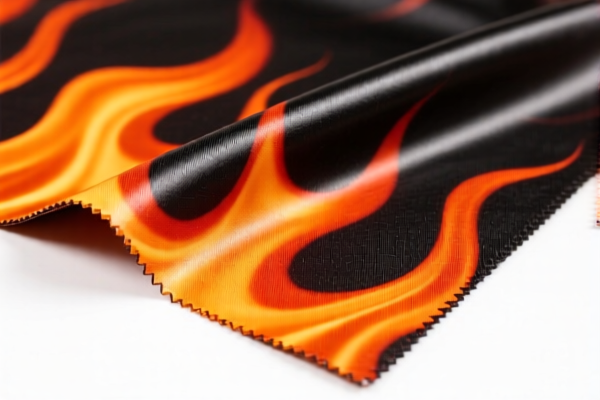
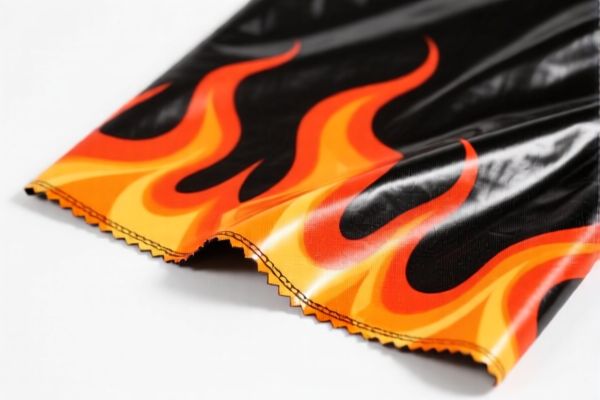
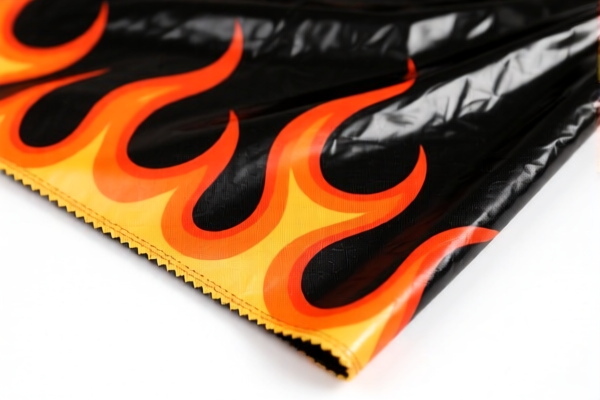
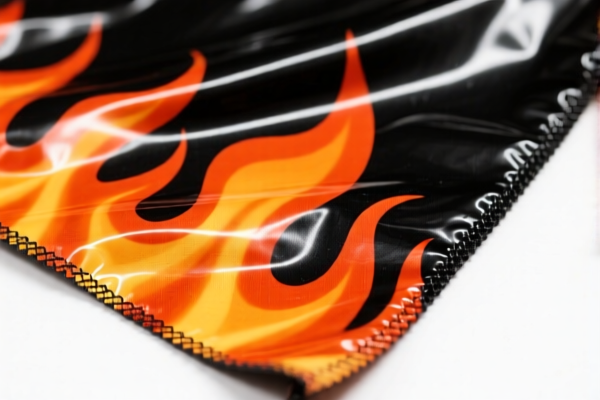
AI分析
🧱 Flame Retardant Plastic Wall Cloth Fabric
🌐 HS Code Reference & Customs Clearance Guide | 2026 Latest Tariff Analysis | Professional-Level Clearance Strategy
📌 I. Product Definition & Classification: Do You Really Understand "Flame Retardant Wall Cloth"?
"Flame Retardant Plastic Wall Cloth Fabric" is a niche building material and decorative textile product. In international trade, its classification is tricky because it straddles the line between textiles (Chapter 59/63) and plastics/consumer goods (Chapter 63). The key lies in the material composition (fibers vs. plastic sheets) and form (fabric/woven vs. curtain/sheet).
Key Distinctions: 1. Textile-Based (Woven/Knitted Fabrics): If the core material is textile fibers (cotton, polyester, etc.) treated with flame retardants, it falls under Chapter 59 (Textile Articles Impregnated/Covered) or Chapter 63 (Other Made-Up Textile Articles). 2. Plastic-Based (Sheets/Curtains): If the material is essentially a plastic sheet or curtain (even if marketed as "cloth" or "wall covering"), it may fall under Chapter 63 as other made-up articles.
⚠️ Critical Classification Point:
- If it is a woven textile with flame-retardant finishing → Likely 5911.10.10.00 or 5911.90.00.80.
- If it is a non-textile wall covering (e.g., plastic-coated, PVC-based) acting as a curtain/wall cloth → Likely 6303.99.00.10 or 6303.92.20.50.
📦 II. HS Code Classification Details (2026 Latest Tariff Authority Mapping)
| HS Code | Product Description | Application Scenario | Material/Form | Total Tax Rate* |
|---|---|---|---|---|
5911.10.10.00 |
High-quality flame retardant fabric, textile form, functional flame retardancy | Industrial protective textiles, specialized decorative fabrics | Textile (Fabric) | 37.9% |
5911.90.00.80 |
Technical textile products, material is fabric, flame retardancy is a functional feature | Technical textiles, specialized wall coverings | Textile (Fabric) | 38.8% |
6303.99.00.10 |
Textile material form, flame retardant fabric usually made of artificial or blended fibers | Decorative wall cloths, non-standard textile coverings | Textile (Made-up) | 28.8% |
6303.92.20.50 |
Fabric form, complies with synthetic fibers or fiber products, no conflict with flame retardant attribute | General synthetic fiber wall coverings, decorative panels | Synthetic Fiber | 28.8% |
6303.92.20.50 |
Plastic flame retardant curtain, form is curtain, material is plastic, complies with synthetic material category | PVC/Plastic-based wall "cloths" or curtains | Plastic/Synthetic | 28.8% |
🔍 Note:
- Codes5911.*are for technical/textile fabrics where flame retardancy is a primary functional attribute.
- Codes6303.*are for made-up textile or plastic articles (like curtains/wall cloths) where the form (curtain/sheet) dominates.
- Tax rates vary significantly based on whether it's classified as a "technical textile" (higher duty) or a "general wall covering" (lower duty).*Total Tax Rate includes: Basic Tariff + Section 301 (Additional) Tariff + Section 122 Tariff (if applicable).
💰 III. 2026 Latest Tariff Rate Breakdown (Including Surcharges & Policy Add-ons)
✅ Applicable Country: United States (US)
✅ Country of Origin: China (CN)
✅ Effective Date: 2025 November 10 onwards (and subsequent imports)
🎯 1. 5911.10.10.00 —— High-Quality Flame Retardant Fabric (Textile)
| Item | Content |
|---|---|
| Basic Tariff | 2.9% (Ad Valorem) |
| Section 301 Additional Tariff | +25.0% |
| Section 122 Tariff | +10.0% |
| Total Tax Rate | 37.9% |
| Tax Calculation | CIF Value × 37.9% |
| De Minimis Eligibility | ❌ No (Denied) |
| Legal Basis Path | USITC:5911.10.10.00 → Section 301: 25% → Section 122: 10% |
📌 Explanation:
- This code is for technical textiles. The "flame retardant" attribute defines its function.
- 37.9% is a high rate. Importers must ensure the product truly meets the "technical textile" definition. Misclassification can lead to penalties.
🎯 2. 5911.90.00.80 —— Technical Textile Products (Fabric)
| Item | Content |
|---|---|
| Basic Tariff | 3.8% |
| Section 301 Additional Tariff | +25.0% |
| Section 122 Tariff | +10.0% |
| Total Tax Rate | 38.8% |
| Tax Calculation | CIF Value × 38.8% |
| De Minimis Eligibility | ❌ No |
| Legal Basis Path | USITC:5911.90.00.80 → Section 301: 25% → Section 122: 10% |
📌 Note:
- Slightly higher basic rate (3.8% vs 2.9%) than the previous code.
- Used when the specific subheading5911.10.10.00does not fully apply, but it's still a technical fabric.
🎯 3. 6303.99.00.10 —— Other Made-Up Textile Articles (Wall Cloth)
| Item | Content |
|---|---|
| Basic Tariff | 11.3% |
| Section 301 Additional Tariff | +7.5% |
| Section 122 Tariff | +10.0% |
| Total Tax Rate | 28.8% |
| Tax Calculation | CIF Value × 28.8% |
| De Minimis Eligibility | ❌ No |
| Legal Basis Path | USITC:6303.99.00.10 → Section 301: 7.5% → Section 122: 10% |
📌 Explanation:
- Lower total rate (28.8%) compared to Chapter 59.
- This code is often used for decorative wall coverings that are textile-based but not classified as "technical fabrics."
- Risk: Customs may challenge this if the product is deemed "technical" (requiring Chapter 59).
🎯 4. 6303.92.20.50 —— Synthetic Fiber Wall Coverings / Plastic Curtains
| Item | Content |
|---|---|
| Basic Tariff | 11.3% |
| Section 301 Additional Tariff | +7.5% |
| Section 122 Tariff | +10.0% |
| Total Tax Rate | 28.8% |
| Tax Calculation | CIF Value × 28.8% |
| De Minimis Eligibility | ❌ No |
| Legal Basis Path | USITC:6303.92.20.50 → Section 301: 7.5% → Section 122: 10% |
📌 Note:
- This code covers plastic-based wall coverings or synthetic fiber products.
- If your "plastic wall cloth" is essentially a PVC sheet or plastic curtain, this is likely the most accurate and cost-effective classification (28.8%).
- Key: Ensure documentation clearly states "Plastic Curtain" or "Synthetic Wall Covering" rather than "Textile Fabric."
🛠️ IV. Customs Clearance Practical Advice (Real-World Pitfall Guide)
✅ 1. Documentation Checklist (Mandatory)
| Document | Required | Description |
|---|---|---|
| ✅ Product Specification Sheet | ✔️ | Must specify material (e.g., "PVC-coated polyester" vs. "Pure Polyester"), weight, width, and flame retardant certification. |
| ✅ Material Composition Proof | ✔️ | Lab test report showing % of synthetic vs. natural fibers or plastic content. |
| ✅ Flame Retardant Test Report | ✔️ | UL, ASTM, or EN standards proof. Crucial for functional description. |
| ✅ Commercial Invoice | ✔️ | Clear description: e.g., "Flame Retardant PVC Wall Covering" OR "Technical Flame Retardant Fabric." |
| ✅ Packing List | ✔️ | Roll dimensions, weight, and packing method. |
| ✅ Certificate of Origin | ✔️ | To prove Chinese origin (for tariff calculation). |
✅ 2. Declaration Tips (Key Mnemonic)
🔥 "Material Dictates Code, Form Dictates Chapter!"
| Scenario | Correct HS Code | Incorrect Code | Consequence |
|---|---|---|---|
| PVC/Plastic-based Wall Covering | 6303.92.20.50 (28.8%) |
5911.10.10.00 (37.9%) |
Overpaying ~9% duty |
| Technical Textile Fabric | 5911.10.10.00 (37.9%) |
6303.99.00.10 (28.8%) |
Underpayment + Penalties |
| General Decorative Textile Curtain | 6303.99.00.10 (28.8%) |
5911.90.00.80 (38.8%) |
Overpaying ~10% duty |
📌 Critical Advice:
- If the product is plastic-based, emphasize "Plastic Curtain" or "PVC Wall Covering" in the description to aim for 6303.92.20.50 (28.8%).
- If it is fabric-based, determine if it's "technical" (Chapter 59) or "general made-up" (Chapter 63).
- Do not use vague terms like "Wall Cloth" without specifying material.
✅ 3. Special Case Handling
| Situation | Handling Advice |
|---|---|
| Hybrid Material (e.g., Fiberglass + Plastic Coating) | Classify based on essential character. If plastic coating dominates, consider 6303.92.20.50. If fiberglass textile is essential, consider 5911. |
| Flame Retardant Certification | Provide UL/ASTM reports. Customs may inspect to verify functional claims. |
| Rolls vs. Sheets | If cut to size and packaged as sheets, it may still be considered "made-up" under Chapter 63. |
🌍 V. Global Market Clearance Comparison (2026 Latest)
| Country/Region | Recommended HS Code | Tariff (China Origin) | Certification Requirement | Notes |
|---|---|---|---|---|
| 🇺🇸 USA | 6303.92.20.50 |
28.8% | UL/ASTM (Flame Retardancy) | High scrutiny on material composition |
| 🇨🇳 China | 6303.92.20.50 |
11.3% | CCC (if applicable) | Lower duty, no Section 301 |
| 🇪🇺 EU | 6303.92.20.50 |
0%~6% | CE/REACH (Flame Retardancy) | No additional surcharges |
| 🇦🇺 Australia | 6303.92.20.50 |
5% | AS/NZS Standards | No Section 301 |
| 🇯🇵 Japan | 6303.92.20.50 |
0%~5% | JIS Standards | No additional surcharges |
📌 Conclusion:
- USA is the most expensive market due to Section 301 and Section 122 tariffs.
- Chapter 63 (28.8%) is significantly cheaper than Chapter 59 (37.9%-38.8%).
- Strategy: If your product can be legitimately classified as a "plastic wall covering" or "synthetic fiber article" (Chapter 63), do so to save ~10% in duties.
📌 VI. Common Mistakes & Pitfall Guide (Lessons Learned)
❌ Mistake 1: Calling "Plastic Wall Cloth" a "Textile Fabric"
👉 Result: Customs classifies it as 5911.10.10.00 (37.9%) → Overpaid ~9%.
✅ Fix: Use "Plastic Wall Covering" or "PVC Curtain" in declaration.
❌ Mistake 2: Ignoring Flame Retardant Certification
👉 Result: Customs questions the "functional" description → Delay/Inspection.
✅ Fix: Always attach UL/ASTM test reports.
❌ Mistake 3: Misclassifying "Technical Textile" as "General Curtain"
👉 Result: Underpayment of duty → Penalties + Back Taxes.
✅ Fix: If the fabric is used for industrial/technical purposes, use Chapter 59.
❌ Mistake 4: Vague Description "Wall Cloth"
👉 Result: Ambiguity → Customs discretion → High Risk.
✅ Fix: Be specific: "Flame Retardant PVC Wall Covering, 1.5m Width, Roll Form."
🎯 VII. Conclusion: Professional Declaration, Save Costs, Ensure Clearance!
🎯 Remember the Mnemonic:
🔹 "Plastic Form, Chapter 63 (28.8%); Textile Function, Chapter 59 (38%)."
🔹 "HS Code Saves Money, Description Saves Time!"
📌 Pro Tip:
If your product is plastic-based, insist on classification under 6303.92.20.50. It offers the lowest duty rate (28.8%) among the options provided.
If it's textile-based, ensure you have a strong case for Chapter 59 if it's technical, or Chapter 63 if it's general.
📣 Immediate Action:
📞 Consult a customs broker with material test reports + product photos.
🚀 Get an Advance Ruling from U.S. Customs to lock in the correct HS Code and avoid post-import audits.
✨ Professional Clearance Starts with Accurate Classification!
💼 Your Cost Savings Are Worth the Effort!
用户评价
关于 HS 编码归类
协调制度(HS)是由世界海关组织(WCO)制定的国际贸易商品分类标准。全球 200 多个国家采用 HS 系统作为海关关税、贸易统计和进出口监管的基础。
每个 HS 编码遵循以下层级结构:
- 章(2 位)——商品大类(例如:第 84 章:机器和机械设备)
- 品目(4 位)——章内的更具体分类
- 子目(6 位)——国际通用细分,所有 WCO 成员国统一使用
- 本国细分(8-10 位)——各国自行扩展的细分编码,如美国 HTSUS 10 位编码
正确的 HS 编码归类对于顺利通关、准确缴纳关税和遵守贸易法规至关重要。错误归类可能导致海关延误、多缴关税或罚款。
从CN进口到US时,适用的关税税率可能包括:
- 最惠国(MFN)税率——适用于 WTO 成员国的标准关税税率
- 普通税率——适用于无贸易协定国家
- 贸易救济关税——附加关税,如 301 条款(反倾销)、232 条款(国家安全)或反补贴税
本页内容仅供参考。如需正式归类,请咨询当地海关或持牌报关代理。