Flame Retardant Synthetic Staple Yarn
CN → US| HS编码 | 关税税率 | 原产国 | 目的国 | 文档 |
|---|---|---|---|---|
| 5503909000 | 39.3% | CN | US | 官方文档 |
| 5503300000 | 39.3% | CN | US | 官方文档 |
商品图片
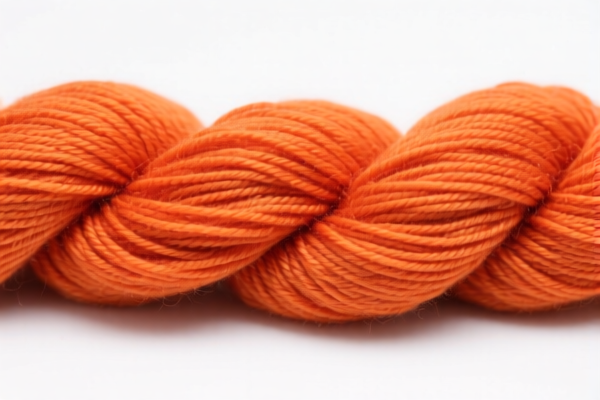
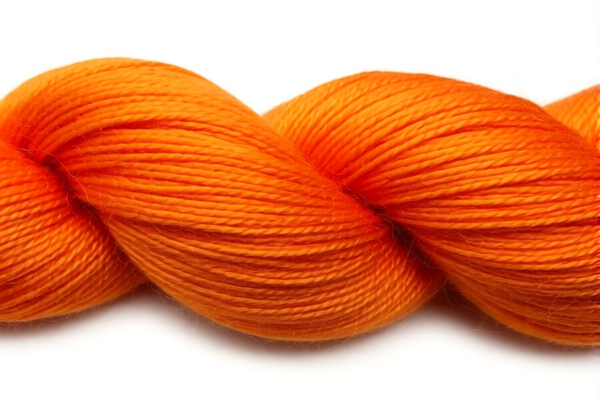
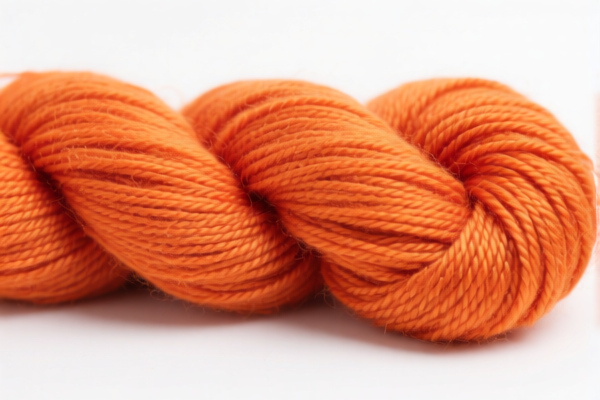
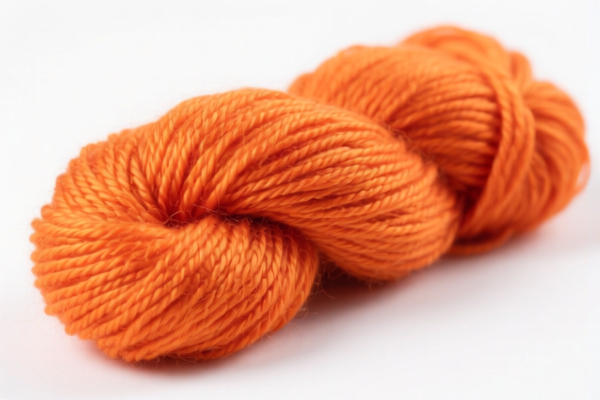
AI分析
🔥 Flame Retardant Synthetic Staple Yarn (Synthetic Staple Fibers)
🌐 HS Code Reference & Clearance Guide | 2026 Latest Tariff Analysis | Professional Customs Strategy
📌 1. Product Definition & Classification: What exactly is "Flame Retardant Synthetic Staple Yarn" in Customs Terms?
In international trade, the term "Yarn" often causes confusion. Customs classification depends strictly on the physical state and processing level of the material.
- "Staple Fiber" (Short Fiber): Refers to cut fibers of a certain length (e.g., cotton-like bales), not yet spun into continuous yarn.
- "Yarn": Refers to continuous strands spun from fibers (e.g., spools of thread).
⚠️ Critical Distinction:
If your product is sold in bales, bags, or loose bundles of short fibers (even if treated for flame retardancy), it is classified as Staple Fiber, NOT Yarn.
If it is wound on spools/cross-wound cones for knitting/weaving, it is Yarn (Chapter 54 or 55, depending on fiber type, but usually Chapter 55 for synthetic).⚠️ Based on the provided DATA, we must classify under "Staple Fibers" (Chapter 55). If your product is truly spun into continuous yarn, this DATA may not apply, and you must consult a classifier for Chapter 54 (Man-Made Filaments) or Chapter 55 (Man-Made Staple Fibers - Spun Yarns).
For the purpose of this analysis, we assume the input "Yarn" is a misnomer for "Staple Fiber" or the user intends to declare short fibers.
📦 2. HS Code Classification Details (2026 Latest Tariff Authority)
Based on the provided <DATA>, the product falls under Chapter 55: Man-Made Staple Fibers. The specific code depends on the chemical composition of the synthetic fiber.
| HS Code | Product Description | Applicable Scenario | Key Identifier |
|---|---|---|---|
5503.90.90.00 |
Synthetic staple fibers, not carded, combed or otherwise processed for spinning: Other: Other | Non-Acrylic/Non-Modacrylic synthetics (e.g., Polyester, Nylon, Polypropylene) that are NOT carded/combed. | Most common for general industrial flame-retardant polyesters. |
5503.30.00.00 |
Synthetic staple fibers, not carded, combed or otherwise processed for spinning: Acrylic or modacrylic | Acrylic or Modacrylic fibers (often used specifically for flame retardancy due to inherent FR properties). | Common for fire-resistant textiles, outdoor fabrics, and uniforms. |
🔍 Key Note on "Not Carded/Combed":
The heading5503specifically refers to fibers that are not carded or combed. If the fibers have been carded (blended and aligned into a web) for spinning, they would fall under HS 5504 (Carded/Combed Staple Fibers).
Check your processing:
- Loose/Unprocessed Fibers →5503
- Carded/Combed Slivers →5504📌 Clarification on "Flame Retardant":
The flame retardancy is a functional treatment. Unless the fiber is inherently FR (like certain modacrylics), the FR property does not change the HS code. It is still classified by base material (Polyester vs. Acrylic).
💰 3. 2026 Latest Tariff Rate Details (Including Additional Taxes)
✅ Applicable Country: United States (US)
✅ Origin: China (CN)
✅ Effective Time: Current rates apply
🎯 1. 5503.90.90.00 — Synthetic Staple Fibers (Other, e.g., Polyester)
| Item | Content |
|---|---|
| Base Tariff | 0.0% |
| Additional Tariff (Section 301/IEEPA) | 0.0% |
| Total Tariff Rate | 0.0% |
| Tax Calculation | CIF Value × 0% = $0 |
| De Minimis Eligibility | ✅ Yes (If value < $800, typically no duty) |
| Legal Basis | HTSUS 5503.90.90.00 |
📌 Explanation:
- This is a duty-free item under current US trade policy for this specific subheading.
- No Section 301 tariffs or IEEPA additional tariffs apply to this specific code.
- Low Risk: Easy clearance, low cost.
🎯 2. 5503.30.00.00 — Synthetic Staple Fibers (Acrylic/Modacrylic)
| Item | Content |
|---|---|
| Base Tariff | 0.0% |
| Additional Tariff (Section 301/IEEPA) | 0.0% |
| Total Tariff Rate | 0.0% |
| Tax Calculation | CIF Value × 0% = $0 |
| De Minimis Eligibility | ✅ Yes |
| Legal Basis | HTSUS 5503.30.00.00 |
📌 Explanation:
- Also duty-free.
- Acrylic/Modacrylic fibers, even if flame-retardant, enjoy 0% tariff under this heading.
- Low Risk: Straightforward clearance.
🛠️ 4. Customs Clearance Practical Advice (Real-World Pitfall Guide)
✅ 1. Required Documentation Checklist (Do Not Miss These)
| Document | Must Provide? | Explanation |
|---|---|---|
| ✅ Product Specification Sheet | ✔️ | Must specify: Fiber Type (Polyester/Acrylic), Length, Denier, Flame Retardant Treatment Method (e.g., Additive vs. Inherent). |
| ✅ Material Safety Data Sheet (MSDS) | ✔️ | Essential for chemicals. Shows if FR agents are hazardous. |
| ✅ Flame Retardant Test Report | ✔️ | UL94, NFPA 701, or ASTM E84 certificates. Proves FR claim for buyer’s use. |
| ✅ Commercial Invoice | ✔️ | Clearly state: "Flame Retardant Synthetic Staple Fiber, Not Carded, HS Code 5503.xx.xx" |
| ✅ Packing List | ✔️ | Weight, volume, number of bales. |
| ✅ Certificate of Origin (CO) | ✔️ | To prove Chinese origin (though tariff is 0%, CO is good for record-keeping). |
✅ 2. Declaration Tips (Critical!)
🔥 "Define the Form, Define the Code! Loose Fiber vs. Carded Sliver"
| Situation | Correct Declaration | Wrong Declaration | Consequence |
|---|---|---|---|
| Loose Fibers (Not Carded) | 5503.90.90.00 |
5504.90.00.00 (Carded) |
If declared as carded, it may trigger different duties or inspections. |
| Acrylic/Modacrylic | 5503.30.00.00 |
5503.90.90.00 |
Misclassification can lead to audit flags. Be precise. |
| Flame Retardant Claim | Add "FR Treated" in description | Omit or hide | Must disclose for safety/customs scrutiny. |
✅ 3. Special Cases & Advice
| Situation | Handling Advice |
|---|---|
| Is it truly "Yarn"? | If the product is spun into continuous strands (on spools), DO NOT USE 5503. Use 5508 (Woven Fabric Making) or 5509 (Spun Yarn) depending on composition. 5503 is ONLY for fibers, not yarn. |
| Chemical Hazard | If FR treatment uses hazardous chemicals, ensure DOT/UN shipping labels are correct for air/sea freight. |
| Bale Size | Standard bale weight (e.g., 170kg) helps customs identify it as industrial fiber, not consumer goods. |
🌍 5. Global Market Comparison (2026)
| Country/Region | Recommended HS Code (Fiber) | Tariff Rate | Notes |
|---|---|---|---|
| 🇺🇸 USA | 5503.90.90.00 or 5503.30.00.00 |
0.0% | Duty-free. No Section 301 impact. |
| 🇨🇳 China | 5503.90.00 or 5503.30.00 |
~2-5% | Import duty applies. |
| 🇪🇺 EU | 5503.90 or 5503.30 |
6.5% - 10% | Standard MFN rate. Check EU FMD for chemicals. |
| 🇬🇧 UK | 5503.90 or 5503.30 |
6.5% - 10% | Post-Brexit tariff structure similar to EU. |
📌 Conclusion:
- USA is the most advantageous market with 0% duty for these specific HS codes.
- EU/China have higher base tariffs.
📌 6. Common Mistakes & Pitfall Guide (Lessons Learned)
❌ Mistake 1: Declaring "Flame Retardant Yarn" under 5503 (Staple Fiber)
👉 Consequence: If it is actually spun yarn, customs will reject the declaration, demand reclassification under Chapter 55 (Spun Yarn) or 61/62 (Articles), potentially leading to higher duties (e.g., 10-15%) and penalties.
FIX: Confirm if product is fiber (bales) or yarn (spools).
❌ Mistake 2: Assuming "Synthetic" covers all
👉 Consequence: Mixing up Polyester (5503.90) with Acrylic (5503.30).
FIX: Test sample to determine polymer type.
❌ Mistake 3: Ignoring FR Chemical Safety
👉 Consequence: Customs may hold shipment for chemical safety review if FR agents are unknown.
FIX: Provide MSDS and test reports.
✅ Correct Declaration Example:
"Flame Retardant Polyester Staple Fiber, Cut Length 38mm, Not Carded, Not Combed, HS Code 5503.90.90.00"
🎯 7. Conclusion: Professional Declaration Saves Time & Money
🎯 Remember the Key Rules:
🔹 "Fiber vs. Yarn: Check the Form!"
🔹 "Not Carded = 5503 (0% Duty in USA)"
🔹 "Carded = 5504 (Check Rates)"
🔹 "Flame Retardant = Just a Feature, Not a Code Change"
📌 Pro Tip:
If you are importing spun yarn (not staple fiber), please re-evaluate your HS Code under Chapter 55 (Spun Yarns) or Chapter 65/61. The provided DATA only applies to Staple Fibers.
Contact a licensed customs broker to verify if your "Yarn" is truly fiber or spun product.
📣 Immediate Action:
📞 Verify Product Form (Fiber vs. Yarn)
📋 Obtain FR Test Reports
🚀 Declare under5503.90.90.00or5503.30.00.00for 0% Duty in the USA.
✨ Accurate Classification = Zero Duty + Fast Clearance!
💼 Your Supply Chain Efficiency Starts with the Right HS Code!
用户评价
关于 HS 编码归类
协调制度(HS)是由世界海关组织(WCO)制定的国际贸易商品分类标准。全球 200 多个国家采用 HS 系统作为海关关税、贸易统计和进出口监管的基础。
每个 HS 编码遵循以下层级结构:
- 章(2 位)——商品大类(例如:第 84 章:机器和机械设备)
- 品目(4 位)——章内的更具体分类
- 子目(6 位)——国际通用细分,所有 WCO 成员国统一使用
- 本国细分(8-10 位)——各国自行扩展的细分编码,如美国 HTSUS 10 位编码
正确的 HS 编码归类对于顺利通关、准确缴纳关税和遵守贸易法规至关重要。错误归类可能导致海关延误、多缴关税或罚款。
从CN进口到US时,适用的关税税率可能包括:
- 最惠国(MFN)税率——适用于 WTO 成员国的标准关税税率
- 普通税率——适用于无贸易协定国家
- 贸易救济关税——附加关税,如 301 条款(反倾销)、232 条款(国家安全)或反补贴税
本页内容仅供参考。如需正式归类,请咨询当地海关或持牌报关代理。