Flame Retardant Synthetic Staple Yarn
CN → US| HS Code | Tariff Rate | Origin | Destination | Doc |
|---|---|---|---|---|
| 5503909000 | 39.3% | CN | US | Official Doc |
| 5503300000 | 39.3% | CN | US | Official Doc |
Product Images
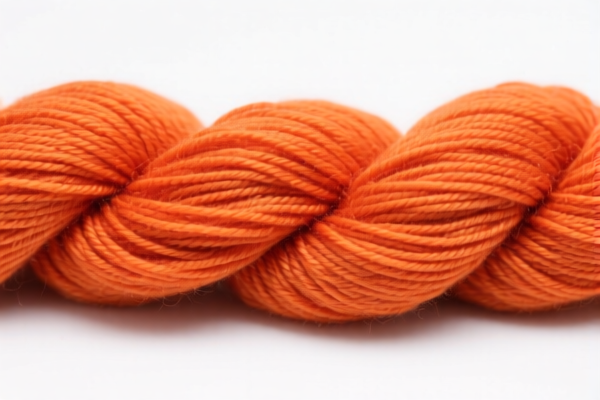
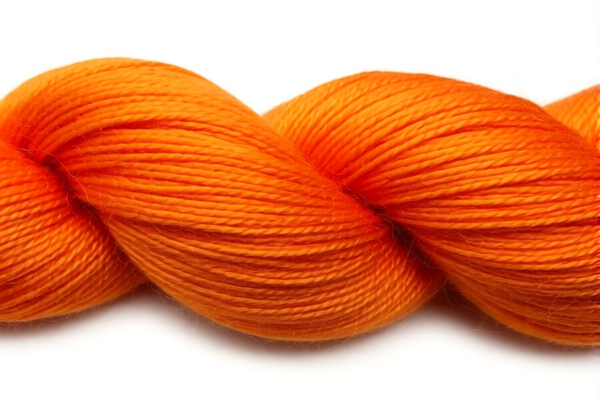
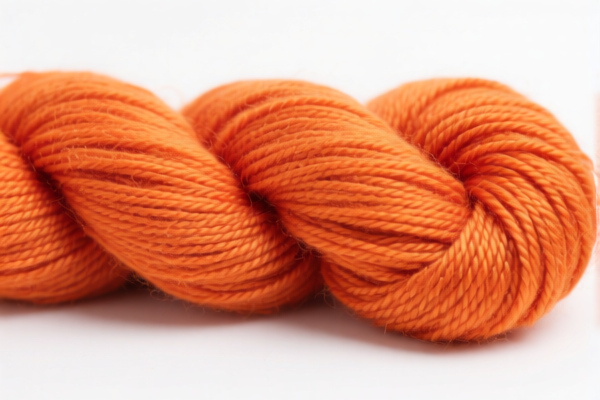
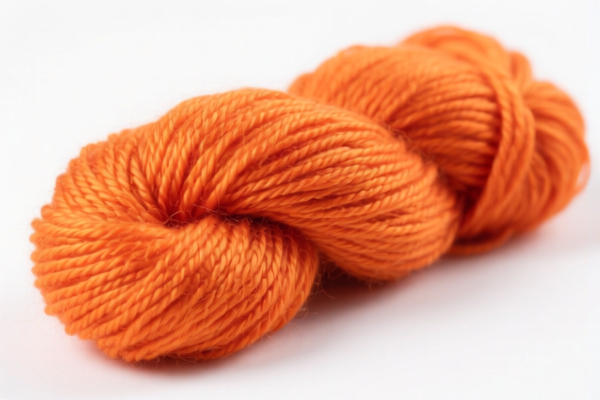
AI Analysis
🔥 Flame Retardant Synthetic Staple Yarn (Synthetic Staple Fibers)
🌐 HS Code Reference & Clearance Guide | 2026 Latest Tariff Analysis | Professional Customs Strategy
📌 1. Product Definition & Classification: What exactly is "Flame Retardant Synthetic Staple Yarn" in Customs Terms?
In international trade, the term "Yarn" often causes confusion. Customs classification depends strictly on the physical state and processing level of the material.
- "Staple Fiber" (Short Fiber): Refers to cut fibers of a certain length (e.g., cotton-like bales), not yet spun into continuous yarn.
- "Yarn": Refers to continuous strands spun from fibers (e.g., spools of thread).
⚠️ Critical Distinction:
If your product is sold in bales, bags, or loose bundles of short fibers (even if treated for flame retardancy), it is classified as Staple Fiber, NOT Yarn.
If it is wound on spools/cross-wound cones for knitting/weaving, it is Yarn (Chapter 54 or 55, depending on fiber type, but usually Chapter 55 for synthetic).⚠️ Based on the provided DATA, we must classify under "Staple Fibers" (Chapter 55). If your product is truly spun into continuous yarn, this DATA may not apply, and you must consult a classifier for Chapter 54 (Man-Made Filaments) or Chapter 55 (Man-Made Staple Fibers - Spun Yarns).
For the purpose of this analysis, we assume the input "Yarn" is a misnomer for "Staple Fiber" or the user intends to declare short fibers.
📦 2. HS Code Classification Details (2026 Latest Tariff Authority)
Based on the provided <DATA>, the product falls under Chapter 55: Man-Made Staple Fibers. The specific code depends on the chemical composition of the synthetic fiber.
| HS Code | Product Description | Applicable Scenario | Key Identifier |
|---|---|---|---|
5503.90.90.00 |
Synthetic staple fibers, not carded, combed or otherwise processed for spinning: Other: Other | Non-Acrylic/Non-Modacrylic synthetics (e.g., Polyester, Nylon, Polypropylene) that are NOT carded/combed. | Most common for general industrial flame-retardant polyesters. |
5503.30.00.00 |
Synthetic staple fibers, not carded, combed or otherwise processed for spinning: Acrylic or modacrylic | Acrylic or Modacrylic fibers (often used specifically for flame retardancy due to inherent FR properties). | Common for fire-resistant textiles, outdoor fabrics, and uniforms. |
🔍 Key Note on "Not Carded/Combed":
The heading5503specifically refers to fibers that are not carded or combed. If the fibers have been carded (blended and aligned into a web) for spinning, they would fall under HS 5504 (Carded/Combed Staple Fibers).
Check your processing:
- Loose/Unprocessed Fibers →5503
- Carded/Combed Slivers →5504📌 Clarification on "Flame Retardant":
The flame retardancy is a functional treatment. Unless the fiber is inherently FR (like certain modacrylics), the FR property does not change the HS code. It is still classified by base material (Polyester vs. Acrylic).
💰 3. 2026 Latest Tariff Rate Details (Including Additional Taxes)
✅ Applicable Country: United States (US)
✅ Origin: China (CN)
✅ Effective Time: Current rates apply
🎯 1. 5503.90.90.00 — Synthetic Staple Fibers (Other, e.g., Polyester)
| Item | Content |
|---|---|
| Base Tariff | 0.0% |
| Additional Tariff (Section 301/IEEPA) | 0.0% |
| Total Tariff Rate | 0.0% |
| Tax Calculation | CIF Value × 0% = $0 |
| De Minimis Eligibility | ✅ Yes (If value < $800, typically no duty) |
| Legal Basis | HTSUS 5503.90.90.00 |
📌 Explanation:
- This is a duty-free item under current US trade policy for this specific subheading.
- No Section 301 tariffs or IEEPA additional tariffs apply to this specific code.
- Low Risk: Easy clearance, low cost.
🎯 2. 5503.30.00.00 — Synthetic Staple Fibers (Acrylic/Modacrylic)
| Item | Content |
|---|---|
| Base Tariff | 0.0% |
| Additional Tariff (Section 301/IEEPA) | 0.0% |
| Total Tariff Rate | 0.0% |
| Tax Calculation | CIF Value × 0% = $0 |
| De Minimis Eligibility | ✅ Yes |
| Legal Basis | HTSUS 5503.30.00.00 |
📌 Explanation:
- Also duty-free.
- Acrylic/Modacrylic fibers, even if flame-retardant, enjoy 0% tariff under this heading.
- Low Risk: Straightforward clearance.
🛠️ 4. Customs Clearance Practical Advice (Real-World Pitfall Guide)
✅ 1. Required Documentation Checklist (Do Not Miss These)
| Document | Must Provide? | Explanation |
|---|---|---|
| ✅ Product Specification Sheet | ✔️ | Must specify: Fiber Type (Polyester/Acrylic), Length, Denier, Flame Retardant Treatment Method (e.g., Additive vs. Inherent). |
| ✅ Material Safety Data Sheet (MSDS) | ✔️ | Essential for chemicals. Shows if FR agents are hazardous. |
| ✅ Flame Retardant Test Report | ✔️ | UL94, NFPA 701, or ASTM E84 certificates. Proves FR claim for buyer’s use. |
| ✅ Commercial Invoice | ✔️ | Clearly state: "Flame Retardant Synthetic Staple Fiber, Not Carded, HS Code 5503.xx.xx" |
| ✅ Packing List | ✔️ | Weight, volume, number of bales. |
| ✅ Certificate of Origin (CO) | ✔️ | To prove Chinese origin (though tariff is 0%, CO is good for record-keeping). |
✅ 2. Declaration Tips (Critical!)
🔥 "Define the Form, Define the Code! Loose Fiber vs. Carded Sliver"
| Situation | Correct Declaration | Wrong Declaration | Consequence |
|---|---|---|---|
| Loose Fibers (Not Carded) | 5503.90.90.00 |
5504.90.00.00 (Carded) |
If declared as carded, it may trigger different duties or inspections. |
| Acrylic/Modacrylic | 5503.30.00.00 |
5503.90.90.00 |
Misclassification can lead to audit flags. Be precise. |
| Flame Retardant Claim | Add "FR Treated" in description | Omit or hide | Must disclose for safety/customs scrutiny. |
✅ 3. Special Cases & Advice
| Situation | Handling Advice |
|---|---|
| Is it truly "Yarn"? | If the product is spun into continuous strands (on spools), DO NOT USE 5503. Use 5508 (Woven Fabric Making) or 5509 (Spun Yarn) depending on composition. 5503 is ONLY for fibers, not yarn. |
| Chemical Hazard | If FR treatment uses hazardous chemicals, ensure DOT/UN shipping labels are correct for air/sea freight. |
| Bale Size | Standard bale weight (e.g., 170kg) helps customs identify it as industrial fiber, not consumer goods. |
🌍 5. Global Market Comparison (2026)
| Country/Region | Recommended HS Code (Fiber) | Tariff Rate | Notes |
|---|---|---|---|
| 🇺🇸 USA | 5503.90.90.00 or 5503.30.00.00 |
0.0% | Duty-free. No Section 301 impact. |
| 🇨🇳 China | 5503.90.00 or 5503.30.00 |
~2-5% | Import duty applies. |
| 🇪🇺 EU | 5503.90 or 5503.30 |
6.5% - 10% | Standard MFN rate. Check EU FMD for chemicals. |
| 🇬🇧 UK | 5503.90 or 5503.30 |
6.5% - 10% | Post-Brexit tariff structure similar to EU. |
📌 Conclusion:
- USA is the most advantageous market with 0% duty for these specific HS codes.
- EU/China have higher base tariffs.
📌 6. Common Mistakes & Pitfall Guide (Lessons Learned)
❌ Mistake 1: Declaring "Flame Retardant Yarn" under 5503 (Staple Fiber)
👉 Consequence: If it is actually spun yarn, customs will reject the declaration, demand reclassification under Chapter 55 (Spun Yarn) or 61/62 (Articles), potentially leading to higher duties (e.g., 10-15%) and penalties.
FIX: Confirm if product is fiber (bales) or yarn (spools).
❌ Mistake 2: Assuming "Synthetic" covers all
👉 Consequence: Mixing up Polyester (5503.90) with Acrylic (5503.30).
FIX: Test sample to determine polymer type.
❌ Mistake 3: Ignoring FR Chemical Safety
👉 Consequence: Customs may hold shipment for chemical safety review if FR agents are unknown.
FIX: Provide MSDS and test reports.
✅ Correct Declaration Example:
"Flame Retardant Polyester Staple Fiber, Cut Length 38mm, Not Carded, Not Combed, HS Code 5503.90.90.00"
🎯 7. Conclusion: Professional Declaration Saves Time & Money
🎯 Remember the Key Rules:
🔹 "Fiber vs. Yarn: Check the Form!"
🔹 "Not Carded = 5503 (0% Duty in USA)"
🔹 "Carded = 5504 (Check Rates)"
🔹 "Flame Retardant = Just a Feature, Not a Code Change"
📌 Pro Tip:
If you are importing spun yarn (not staple fiber), please re-evaluate your HS Code under Chapter 55 (Spun Yarns) or Chapter 65/61. The provided DATA only applies to Staple Fibers.
Contact a licensed customs broker to verify if your "Yarn" is truly fiber or spun product.
📣 Immediate Action:
📞 Verify Product Form (Fiber vs. Yarn)
📋 Obtain FR Test Reports
🚀 Declare under5503.90.90.00or5503.30.00.00for 0% Duty in the USA.
✨ Accurate Classification = Zero Duty + Fast Clearance!
💼 Your Supply Chain Efficiency Starts with the Right HS Code!
Customer Reviews
About HS Code Classification
The Harmonized System (HS) is an internationally standardized nomenclature developed by the World Customs Organization (WCO) to classify traded products. Over 200 countries use the HS system as the basis for customs tariffs, trade statistics, and import/export regulations.
Each HS code follows a hierarchical structure:
- Chapter (2 digits) — Broad category of goods (e.g., Chapter 84: Machinery and Mechanical Appliances)
- Heading (4 digits) — More specific grouping within the chapter
- Subheading (6 digits) — Internationally standardized breakdown, used by all WCO member countries
- National subdivisions (8-10 digits) — Country-specific extensions for further classification, such as US HTSUS 10-digit codes
Correct HS code classification is essential for smooth customs clearance, accurate duty payment, and compliance with trade regulations. Misclassification can lead to customs delays, overpayment of duties, or penalties.
When importing from CN to US, the applicable tariff rates may include:
- Most-Favored-Nation (MFN) rate — The standard duty rate applied to WTO members
- General rate — Applied to countries without trade agreements
- Trade remedy duties — Additional tariffs such as Section 301 (anti-dumping), Section 232 (national security), or countervailing duties
The information provided on this page is for reference purposes only. For official classification, please consult with your local customs authority or a licensed customs broker.