Flexible Plastic Sheet Material
CN → US| HS编码 | 关税税率 | 原产国 | 目的国 | 文档 |
|---|---|---|---|---|
| 3920992000 | 39.2% | CN | US | 官方文档 |
| 3920991000 | 41.0% | CN | US | 官方文档 |
| 3923210085 | 38.0% | CN | US | 官方文档 |
| 4202991000 | 38.4% | CN | US | 官方文档 |
| 4202929700 | 52.6% | CN | US | 官方文档 |
| 3923290000 | 38.0% | CN | US | 官方文档 |
商品图片
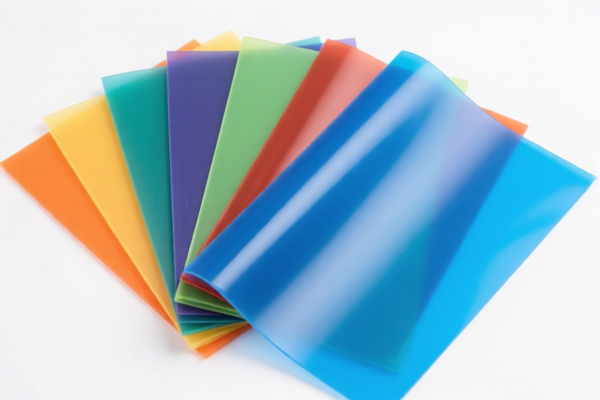
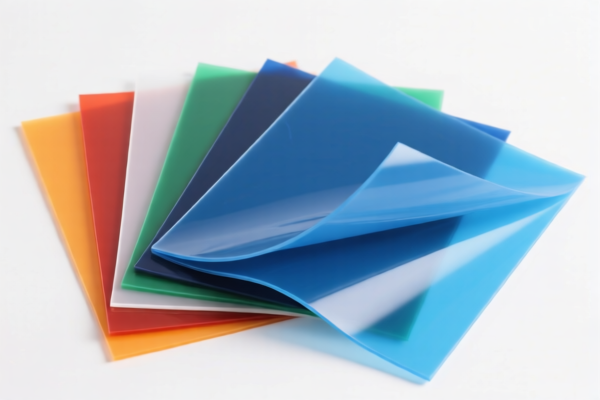
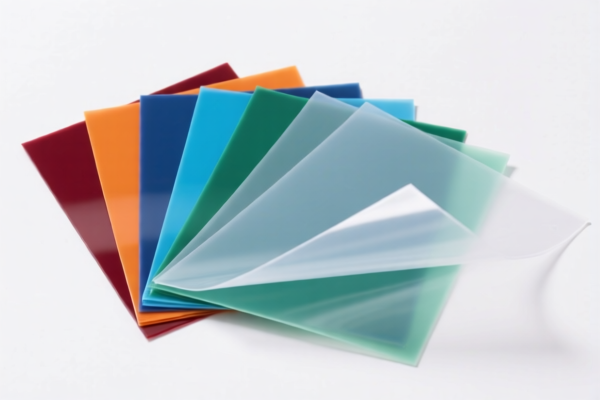
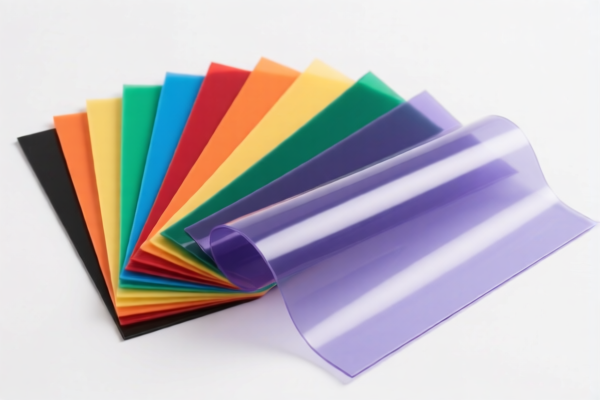
AI分析
📦 Flexible Plastic Sheet & Bag Materials (Customs Clearance Guide 2026)
🌐 HS Code Reference & Customs Strategy | 2026 Latest Tariff Analysis | Professional Clearance Strategy
📌 I. Product Definition & Classification: Are You Importing Sheets or Bags?
In international trade, "Flexible Plastic Materials" are often misunderstood. The key distinction lies in the physical state and specific use:
1. Flexible Plastic Sheets/Films (Raw/Intermediate Materials): These are uncut, semi-finished, or cut rolls/sheets of plastic. They lack the final shape of a container or packaging item. * Key Feature: Continuous film, rolls, strips, or flat sheets. * Typical HS Codes: Chapter 39 (Plastics and Articles Thereof), specifically heading 3920.
2. Flexible Plastic Bags/Pouches (Finished Packaging Goods): These are manufactured articles with a specific closure mechanism (seal, zipper, etc.) or defined shape (pouch, sack) used for holding goods. * Key Feature: Ready-to-use containers, sealed edges, handles, or zippers. * Typical HS Codes: Chapter 42 (Articles of Leather; ...; or Chapter 39 heading 3923).
⚠️ Critical Distinction Point:
- If the item is a roll, flat sheet, or loose film without final bagging structure →归入 3920.xxxxxx
- If the item is a sealed pouch, sack, or bag with specific packaging function →归入 3923.xxxxxx or 4202.xxxxxx
📦 II. HS Code Classification Details (2026 Latest Tariff Authoritative Comparison)
Based on the provided data, here are the specific classifications for "Flexible Plastic Materials" and "Flexible Plastic Bags":
| HS Code | Product Description | Applicable Scenario | Tax Detail (Total 38-41%) |
|---|---|---|---|
3920.99.20.00 |
Flexible plastic stretching material, plastic material, flexible film/strip/sheet form. | Raw plastic films, uncut flexible sheets, industrial plastic strips. | Total Tax: 39.2% |
3920.99.10.00 |
Flexible plastic stretching material, film/foil/strip, non-cellular plastic film characteristics. | Specific cellular or non-cellular plastic films/filaments. | Total Tax: 41.0% |
3923.21.00.85 |
Flexible plastic bag, polyethylene polymer, bag form, for packaging. | PE plastic bags, food packaging bags, standard polyethylene sacks. | Total Tax: 38.0% |
4202.99.10.00 |
Flexible plastic bag, plastic material, bag form, other plastic containers. | Other plastic bags/pouches not specified elsewhere (general packaging). | Total Tax: 38.4% |
4202.92.97.00 |
Flexible plastic bag, packaging use, plastic material, other plastic containers. | Specific other plastic packaging containers (higher base duty). | Total Tax: 52.6% |
3923.29.00.00 |
Flexible plastic bag, plastic material, bag/pouch form, plastic packaging articles. | Plastic pouches, flexible plastic packaging not classified as bags in 3923.21. | Total Tax: 38.0% |
🔍 Key Reminder:
- 3920 codes generally apply to films and sheets (raw material stage).
- 3923 codes generally apply to bags, sacks, and pouches (finished packaging stage).
- 4202 codes apply to other plastic containers/packaging that don't fit neatly into standard film or bag definitions.
💰 III. 2026 Latest Tariff Rate Details (Including Surcharges & Policy Add-ons)
✅ Applicable Country: United States (US)
✅ Origin: China (CN)
✅ Effective Time: 2025/2026 (Includes subsequent imports)
🎯 1. 3920.99.20.00 —— Flexible Plastic Film/Sheet (Most Common for Raw Films)
| Item | Content |
|---|---|
| Base Duty | 4.2% |
| Section 301 Surcharge | +25.0% |
| Section 122 Surcharge | +10.0% |
| Total Rate | 39.2% |
| Tax Calculation | CIF Value × 39.2% |
| De Minimis Exemption | ❌ Not Eligible (deny_de_minimis) |
| Legal Basis Path | USITC:3920.99.20.00 → 301:25% → 122:10% |
📌 Explanation:
- 4.2% is the standard Most Favored Nation (MFN) base duty for plastic films.
- 25% is the Section 301 tariff on Chinese plastic products.
- 10% is the Section 122 tariff (often applied to national security/essential goods).
- Total 39.2% is significant. Importers must factor this into landed cost calculations.
🎯 2. 3920.99.10.00 —— Specific Plastic Film/Foil
| Item | Content |
|---|---|
| Base Duty | 6.0% |
| Section 301 Surcharge | +25.0% |
| Section 122 Surcharge | +10.0% |
| Total Rate | 41.0% |
| Tax Calculation | CIF Value × 41.0% |
| De Minimis Exemption | ❌ Not Eligible |
| Legal Basis Path | USITC:3920.99.10.00 → 301:25% → 122:10% |
📌 Note:
- Slightly higher total rate due to higher base duty (6.0%).
- Applies to specific film types like foils or non-cellular films.
🎯 3. 3923.21.00.85 & 3923.29.00.00 —— Plastic Bags/Pouches
| Item | Content |
|---|---|
| Base Duty | 3.0% |
| Section 301 Surcharge | +25.0% |
| Section 122 Surcharge | +10.0% |
| Total Rate | 38.0% |
| Tax Calculation | CIF Value × 38.0% |
| De Minimis Exemption | ❌ Not Eligible |
| Legal Basis Path | USITC:3923.21.00.85 / 3923.29.00.00 → 301:25% → 122:10% |
📌 Note:
- Lower base duty (3.0%) compared to films (4.2%-6.0%).
- Total rate is 38.0%, the lowest among the provided codes.
🎯 4. 4202.99.10.00 —— Other Plastic Containers/Bags
| Item | Content |
|---|---|
| Base Duty | 3.4% |
| Section 301 Surcharge | +25.0% |
| Section 122 Surcharge | +10.0% |
| Total Rate | 38.4% |
| Tax Calculation | CIF Value × 38.4% |
| De Minimis Exemption | ❌ Not Eligible |
| Legal Basis Path | USITC:4202.99.10.00 → 301:25% → 122:10% |
🎯 5. 4202.92.97.00 —— Higher Duty Plastic Containers
| Item | Content |
|---|---|
| Base Duty | 17.6% |
| Section 301 Surcharge | +25.0% |
| Section 122 Surcharge | +10.0% |
| Total Rate | 52.6% |
| Tax Calculation | CIF Value × 52.6% |
| De Minimis Exemption | ❌ Not Eligible |
| Legal Basis Path | USITC:4202.92.97.00 → 301:25% → 122:10% |
📌 Warning:
- This code has a high base duty (17.6%), leading to a total of 52.6%.
- Avoid this code unless the product specifically fits the description of "other plastic containers" under heading 4202.92. Misclassification here is costly.
🛠️ IV. Customs Clearance Practical Advice (Pitfall Avoidance Guide)
✅ 1. Required Documentation Checklist (Non-negotiable)
| Document | Must Provide | Description |
|---|---|---|
| ✅ Product Specification Sheet | ✔️ | Material type (PE, PP, PVC, etc.), thickness, dimensions, width/length. |
| ✅ Product Photos | ✔️ | Clear images of the product in roll form, cut sheets, or sealed bags. Show texture and finish. |
| ✅ Commercial Invoice | ✔️ | Must clearly state "Flexible Plastic Film" or "Plastic Bags" with HS Code. |
| ✅ Packing List | ✔️ | Detail roll weights, net/gross weights, and packaging units. |
| ✅ Material Safety Data Sheet (MSDS) | ✔️ | If applicable for specific plastic compounds. |
| ✅ Certificate of Origin | ✔️ | For trade agreement benefits (if any, though US-China tariffs are high). |
✅ 2. Declaration Tips (Key Mantra)
🔥 "Material State Defines HS Code: Rolls = 3920, Bags = 3923/4202. Don't Mix!"
| Scenario | Correct Declaration | Incorrect Practice |
|---|---|---|
| Plastic in rolls, uncut | 3920.99.20.00 (Film/Sheet) |
Declare as "Bags" → Wrong HS Code |
| Sealed polyethylene shopping bag | 3923.21.00.85 (Bag) |
Declare as "Film" → Wrong HS Code |
| Plastic pouch with zipper | 3923.29.00.00 or 4202.99.10.00 |
Declare as "Sheet" → Wrong HS Code |
| Flexible plastic sheet for industrial use | 3920.99.10.00 or 3920.99.20.00 |
Declare as "Bag" → Wrong HS Code |
✅ 3. Special Cases Handling
| Scenario | Handling Advice |
|---|---|
| OEM Custom Bags | Provide design specs. If it's a bag, use 3923 or 4202. Don't use 3920. |
| Mixed Shipment (Sheets + Bags) | Split Declaration: Declare rolls under 3920 and bags under 3923/4202. Do not lump them together. |
| Plastic Film Used for Bag Making | If imported as rolls and cut by the importer, declare as 3920. |
| Finished Bags Imported | If imported as ready-to-use bags, declare as 3923 or 4202. |
🌍 V. Global Market Clearance Comparison (2026 Latest)
| Country/Region | Recommended HS Code | Tariff (China Origin) | Certification Requirements | Notes |
|---|---|---|---|---|
| 🇺🇸 USA | 3920.99.20.00 / 3923.21.00.85 |
38.0% - 41.0% | None specific (but check FDA for food contact) | High tariffs due to Section 301 & 122. |
| 🇨🇳 China | 3920 / 3923 |
Low (2-5%) | None | No additional surcharges. |
| 🇪🇺 EU | 3920 / 3923 |
~0-6% | REACH, RoHS (if electrical components involved) | Generally low tariffs. |
| 🇦🇺 Australia | 3920 / 3923 |
5% - 10% | None | Moderate tariffs. |
| 🇯🇵 Japan | 3920 / 3923 |
~0-6% | JIS Standards (if applicable) | Low tariffs. |
📌 Conclusion:
- The USA is the most expensive market for these goods due to Section 301 and Section 122 tariffs.
- EU, China, Japan, and Australia have significantly lower tariff burdens.
- Consider supply chain diversification if targeting the US market heavily.
📌 VI. Common Errors & Pitfall Guide (Lessons from Blood & Tears)
❌ Error 1: Declaring finished plastic bags as plastic film (3920)
👉 Consequence: Incorrect HS Code → Potential penalty, delay, or retroactive tariff adjustment.
👉 Correct: Use 3923.21.00.85 for bags.
❌ Error 2: Declaring rolls of plastic film as bags (3923)
👉 Consequence: Misclassification → Customs may reject or ask for redeclaration.
👉 Correct: Use 3920.99.20.00 for films/rolls.
❌ Error 3: Ignoring Section 122 & 301 Surcharges in cost calculation
👉 Consequence: Underestimating landed cost by 35-40% → Profit loss.
👉 Correct: Always include 25% + 10% in financial models for US imports from China.
❌ Error 4: Using vague descriptions like "Plastic Goods"
👉 Consequence: Customs ambiguity → Delays, inspections, or penalties.
👉 Correct: Use precise terms: "Polyethylene Plastic Film Rolls" or "Sealed Plastic Shopping Bags".
✅ Correct Practice Example:
"Polyethylene (PE) Plastic Film Rolls, Unprinted, Width 120cm, Thickness 0.05mm, for Industrial Packaging. HS Code: 3920.99.20.00"
OR
"Sealed Plastic Polypropylene (PP) Bags, with Zipper, for Food Packaging. HS Code: 3923.21.00.85"
🎯 VII. Conclusion: Precise Classification, Cost Control, Smooth Clearance!
🎯 Remember the Mantra:
🔹 "Rolls are Film (3920), Bags are Packaging (3923/4202). Don't Mix!"
🔹 "US Tariffs are High (38-41%), Plan Costs Early!"
🔹 "Clear Description, Correct HS Code, Avoid Delays!"
📌 Pro Tip:
If your plastic products are food-contact or medical-grade, ensure you have FDA compliance documentation ready, even if it doesn't affect the HS Code directly, it speeds up clearance.
Consider applying for a Binding Ruling from CBP if you are unsure about the distinction between a "flexible sheet" and a "bag."
📣 Take Action Now:
📞 Consult a Licensed Customs Broker
📋 Provide Detailed Product Specs & Photos
🚀 Ensure Accurate HS Code Classification to Avoid 38-41% Surprises!
✨ Professional Clearance Starts with Accurate Classification!
💼 Every Percent of Tax Matters in Your Profit Margin!
用户评价
关于 HS 编码归类
协调制度(HS)是由世界海关组织(WCO)制定的国际贸易商品分类标准。全球 200 多个国家采用 HS 系统作为海关关税、贸易统计和进出口监管的基础。
每个 HS 编码遵循以下层级结构:
- 章(2 位)——商品大类(例如:第 84 章:机器和机械设备)
- 品目(4 位)——章内的更具体分类
- 子目(6 位)——国际通用细分,所有 WCO 成员国统一使用
- 本国细分(8-10 位)——各国自行扩展的细分编码,如美国 HTSUS 10 位编码
正确的 HS 编码归类对于顺利通关、准确缴纳关税和遵守贸易法规至关重要。错误归类可能导致海关延误、多缴关税或罚款。
从CN进口到US时,适用的关税税率可能包括:
- 最惠国(MFN)税率——适用于 WTO 成员国的标准关税税率
- 普通税率——适用于无贸易协定国家
- 贸易救济关税——附加关税,如 301 条款(反倾销)、232 条款(国家安全)或反补贴税
本页内容仅供参考。如需正式归类,请咨询当地海关或持牌报关代理。