Flexible Plastic Sheet Material
CN → US| HS Code | Tariff Rate | Origin | Destination | Doc |
|---|---|---|---|---|
| 3920992000 | 39.2% | CN | US | Official Doc |
| 3920991000 | 41.0% | CN | US | Official Doc |
| 3923210085 | 38.0% | CN | US | Official Doc |
| 4202991000 | 38.4% | CN | US | Official Doc |
| 4202929700 | 52.6% | CN | US | Official Doc |
| 3923290000 | 38.0% | CN | US | Official Doc |
Product Images
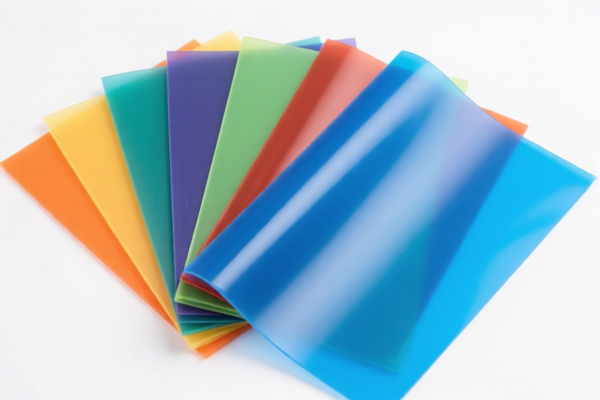
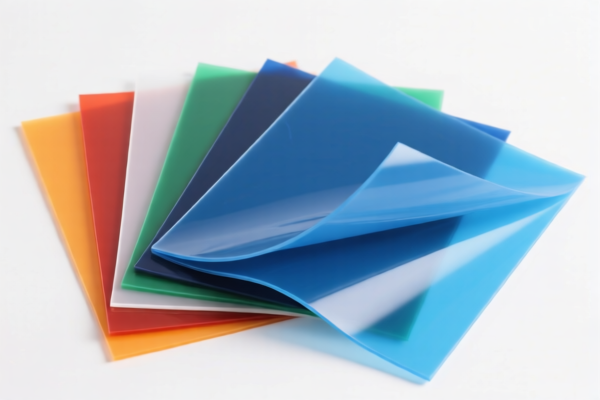
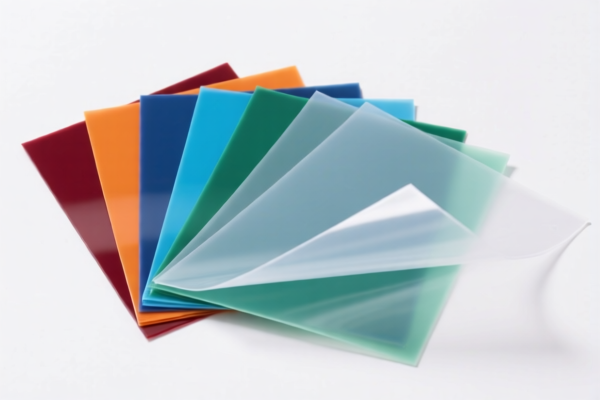
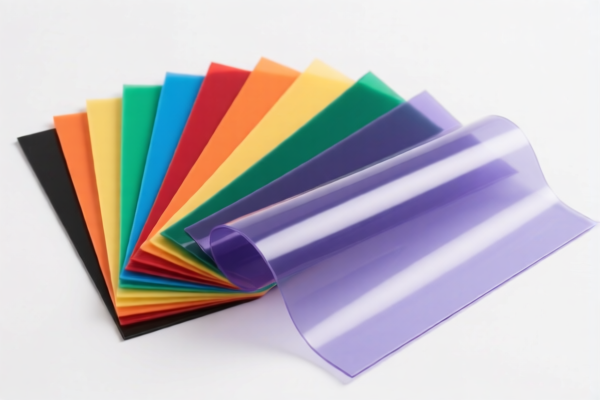
AI Analysis
📦 Flexible Plastic Sheet & Bag Materials (Customs Clearance Guide 2026)
🌐 HS Code Reference & Customs Strategy | 2026 Latest Tariff Analysis | Professional Clearance Strategy
📌 I. Product Definition & Classification: Are You Importing Sheets or Bags?
In international trade, "Flexible Plastic Materials" are often misunderstood. The key distinction lies in the physical state and specific use:
1. Flexible Plastic Sheets/Films (Raw/Intermediate Materials): These are uncut, semi-finished, or cut rolls/sheets of plastic. They lack the final shape of a container or packaging item. * Key Feature: Continuous film, rolls, strips, or flat sheets. * Typical HS Codes: Chapter 39 (Plastics and Articles Thereof), specifically heading 3920.
2. Flexible Plastic Bags/Pouches (Finished Packaging Goods): These are manufactured articles with a specific closure mechanism (seal, zipper, etc.) or defined shape (pouch, sack) used for holding goods. * Key Feature: Ready-to-use containers, sealed edges, handles, or zippers. * Typical HS Codes: Chapter 42 (Articles of Leather; ...; or Chapter 39 heading 3923).
⚠️ Critical Distinction Point:
- If the item is a roll, flat sheet, or loose film without final bagging structure →归入 3920.xxxxxx
- If the item is a sealed pouch, sack, or bag with specific packaging function →归入 3923.xxxxxx or 4202.xxxxxx
📦 II. HS Code Classification Details (2026 Latest Tariff Authoritative Comparison)
Based on the provided data, here are the specific classifications for "Flexible Plastic Materials" and "Flexible Plastic Bags":
| HS Code | Product Description | Applicable Scenario | Tax Detail (Total 38-41%) |
|---|---|---|---|
3920.99.20.00 |
Flexible plastic stretching material, plastic material, flexible film/strip/sheet form. | Raw plastic films, uncut flexible sheets, industrial plastic strips. | Total Tax: 39.2% |
3920.99.10.00 |
Flexible plastic stretching material, film/foil/strip, non-cellular plastic film characteristics. | Specific cellular or non-cellular plastic films/filaments. | Total Tax: 41.0% |
3923.21.00.85 |
Flexible plastic bag, polyethylene polymer, bag form, for packaging. | PE plastic bags, food packaging bags, standard polyethylene sacks. | Total Tax: 38.0% |
4202.99.10.00 |
Flexible plastic bag, plastic material, bag form, other plastic containers. | Other plastic bags/pouches not specified elsewhere (general packaging). | Total Tax: 38.4% |
4202.92.97.00 |
Flexible plastic bag, packaging use, plastic material, other plastic containers. | Specific other plastic packaging containers (higher base duty). | Total Tax: 52.6% |
3923.29.00.00 |
Flexible plastic bag, plastic material, bag/pouch form, plastic packaging articles. | Plastic pouches, flexible plastic packaging not classified as bags in 3923.21. | Total Tax: 38.0% |
🔍 Key Reminder:
- 3920 codes generally apply to films and sheets (raw material stage).
- 3923 codes generally apply to bags, sacks, and pouches (finished packaging stage).
- 4202 codes apply to other plastic containers/packaging that don't fit neatly into standard film or bag definitions.
💰 III. 2026 Latest Tariff Rate Details (Including Surcharges & Policy Add-ons)
✅ Applicable Country: United States (US)
✅ Origin: China (CN)
✅ Effective Time: 2025/2026 (Includes subsequent imports)
🎯 1. 3920.99.20.00 —— Flexible Plastic Film/Sheet (Most Common for Raw Films)
| Item | Content |
|---|---|
| Base Duty | 4.2% |
| Section 301 Surcharge | +25.0% |
| Section 122 Surcharge | +10.0% |
| Total Rate | 39.2% |
| Tax Calculation | CIF Value × 39.2% |
| De Minimis Exemption | ❌ Not Eligible (deny_de_minimis) |
| Legal Basis Path | USITC:3920.99.20.00 → 301:25% → 122:10% |
📌 Explanation:
- 4.2% is the standard Most Favored Nation (MFN) base duty for plastic films.
- 25% is the Section 301 tariff on Chinese plastic products.
- 10% is the Section 122 tariff (often applied to national security/essential goods).
- Total 39.2% is significant. Importers must factor this into landed cost calculations.
🎯 2. 3920.99.10.00 —— Specific Plastic Film/Foil
| Item | Content |
|---|---|
| Base Duty | 6.0% |
| Section 301 Surcharge | +25.0% |
| Section 122 Surcharge | +10.0% |
| Total Rate | 41.0% |
| Tax Calculation | CIF Value × 41.0% |
| De Minimis Exemption | ❌ Not Eligible |
| Legal Basis Path | USITC:3920.99.10.00 → 301:25% → 122:10% |
📌 Note:
- Slightly higher total rate due to higher base duty (6.0%).
- Applies to specific film types like foils or non-cellular films.
🎯 3. 3923.21.00.85 & 3923.29.00.00 —— Plastic Bags/Pouches
| Item | Content |
|---|---|
| Base Duty | 3.0% |
| Section 301 Surcharge | +25.0% |
| Section 122 Surcharge | +10.0% |
| Total Rate | 38.0% |
| Tax Calculation | CIF Value × 38.0% |
| De Minimis Exemption | ❌ Not Eligible |
| Legal Basis Path | USITC:3923.21.00.85 / 3923.29.00.00 → 301:25% → 122:10% |
📌 Note:
- Lower base duty (3.0%) compared to films (4.2%-6.0%).
- Total rate is 38.0%, the lowest among the provided codes.
🎯 4. 4202.99.10.00 —— Other Plastic Containers/Bags
| Item | Content |
|---|---|
| Base Duty | 3.4% |
| Section 301 Surcharge | +25.0% |
| Section 122 Surcharge | +10.0% |
| Total Rate | 38.4% |
| Tax Calculation | CIF Value × 38.4% |
| De Minimis Exemption | ❌ Not Eligible |
| Legal Basis Path | USITC:4202.99.10.00 → 301:25% → 122:10% |
🎯 5. 4202.92.97.00 —— Higher Duty Plastic Containers
| Item | Content |
|---|---|
| Base Duty | 17.6% |
| Section 301 Surcharge | +25.0% |
| Section 122 Surcharge | +10.0% |
| Total Rate | 52.6% |
| Tax Calculation | CIF Value × 52.6% |
| De Minimis Exemption | ❌ Not Eligible |
| Legal Basis Path | USITC:4202.92.97.00 → 301:25% → 122:10% |
📌 Warning:
- This code has a high base duty (17.6%), leading to a total of 52.6%.
- Avoid this code unless the product specifically fits the description of "other plastic containers" under heading 4202.92. Misclassification here is costly.
🛠️ IV. Customs Clearance Practical Advice (Pitfall Avoidance Guide)
✅ 1. Required Documentation Checklist (Non-negotiable)
| Document | Must Provide | Description |
|---|---|---|
| ✅ Product Specification Sheet | ✔️ | Material type (PE, PP, PVC, etc.), thickness, dimensions, width/length. |
| ✅ Product Photos | ✔️ | Clear images of the product in roll form, cut sheets, or sealed bags. Show texture and finish. |
| ✅ Commercial Invoice | ✔️ | Must clearly state "Flexible Plastic Film" or "Plastic Bags" with HS Code. |
| ✅ Packing List | ✔️ | Detail roll weights, net/gross weights, and packaging units. |
| ✅ Material Safety Data Sheet (MSDS) | ✔️ | If applicable for specific plastic compounds. |
| ✅ Certificate of Origin | ✔️ | For trade agreement benefits (if any, though US-China tariffs are high). |
✅ 2. Declaration Tips (Key Mantra)
🔥 "Material State Defines HS Code: Rolls = 3920, Bags = 3923/4202. Don't Mix!"
| Scenario | Correct Declaration | Incorrect Practice |
|---|---|---|
| Plastic in rolls, uncut | 3920.99.20.00 (Film/Sheet) |
Declare as "Bags" → Wrong HS Code |
| Sealed polyethylene shopping bag | 3923.21.00.85 (Bag) |
Declare as "Film" → Wrong HS Code |
| Plastic pouch with zipper | 3923.29.00.00 or 4202.99.10.00 |
Declare as "Sheet" → Wrong HS Code |
| Flexible plastic sheet for industrial use | 3920.99.10.00 or 3920.99.20.00 |
Declare as "Bag" → Wrong HS Code |
✅ 3. Special Cases Handling
| Scenario | Handling Advice |
|---|---|
| OEM Custom Bags | Provide design specs. If it's a bag, use 3923 or 4202. Don't use 3920. |
| Mixed Shipment (Sheets + Bags) | Split Declaration: Declare rolls under 3920 and bags under 3923/4202. Do not lump them together. |
| Plastic Film Used for Bag Making | If imported as rolls and cut by the importer, declare as 3920. |
| Finished Bags Imported | If imported as ready-to-use bags, declare as 3923 or 4202. |
🌍 V. Global Market Clearance Comparison (2026 Latest)
| Country/Region | Recommended HS Code | Tariff (China Origin) | Certification Requirements | Notes |
|---|---|---|---|---|
| 🇺🇸 USA | 3920.99.20.00 / 3923.21.00.85 |
38.0% - 41.0% | None specific (but check FDA for food contact) | High tariffs due to Section 301 & 122. |
| 🇨🇳 China | 3920 / 3923 |
Low (2-5%) | None | No additional surcharges. |
| 🇪🇺 EU | 3920 / 3923 |
~0-6% | REACH, RoHS (if electrical components involved) | Generally low tariffs. |
| 🇦🇺 Australia | 3920 / 3923 |
5% - 10% | None | Moderate tariffs. |
| 🇯🇵 Japan | 3920 / 3923 |
~0-6% | JIS Standards (if applicable) | Low tariffs. |
📌 Conclusion:
- The USA is the most expensive market for these goods due to Section 301 and Section 122 tariffs.
- EU, China, Japan, and Australia have significantly lower tariff burdens.
- Consider supply chain diversification if targeting the US market heavily.
📌 VI. Common Errors & Pitfall Guide (Lessons from Blood & Tears)
❌ Error 1: Declaring finished plastic bags as plastic film (3920)
👉 Consequence: Incorrect HS Code → Potential penalty, delay, or retroactive tariff adjustment.
👉 Correct: Use 3923.21.00.85 for bags.
❌ Error 2: Declaring rolls of plastic film as bags (3923)
👉 Consequence: Misclassification → Customs may reject or ask for redeclaration.
👉 Correct: Use 3920.99.20.00 for films/rolls.
❌ Error 3: Ignoring Section 122 & 301 Surcharges in cost calculation
👉 Consequence: Underestimating landed cost by 35-40% → Profit loss.
👉 Correct: Always include 25% + 10% in financial models for US imports from China.
❌ Error 4: Using vague descriptions like "Plastic Goods"
👉 Consequence: Customs ambiguity → Delays, inspections, or penalties.
👉 Correct: Use precise terms: "Polyethylene Plastic Film Rolls" or "Sealed Plastic Shopping Bags".
✅ Correct Practice Example:
"Polyethylene (PE) Plastic Film Rolls, Unprinted, Width 120cm, Thickness 0.05mm, for Industrial Packaging. HS Code: 3920.99.20.00"
OR
"Sealed Plastic Polypropylene (PP) Bags, with Zipper, for Food Packaging. HS Code: 3923.21.00.85"
🎯 VII. Conclusion: Precise Classification, Cost Control, Smooth Clearance!
🎯 Remember the Mantra:
🔹 "Rolls are Film (3920), Bags are Packaging (3923/4202). Don't Mix!"
🔹 "US Tariffs are High (38-41%), Plan Costs Early!"
🔹 "Clear Description, Correct HS Code, Avoid Delays!"
📌 Pro Tip:
If your plastic products are food-contact or medical-grade, ensure you have FDA compliance documentation ready, even if it doesn't affect the HS Code directly, it speeds up clearance.
Consider applying for a Binding Ruling from CBP if you are unsure about the distinction between a "flexible sheet" and a "bag."
📣 Take Action Now:
📞 Consult a Licensed Customs Broker
📋 Provide Detailed Product Specs & Photos
🚀 Ensure Accurate HS Code Classification to Avoid 38-41% Surprises!
✨ Professional Clearance Starts with Accurate Classification!
💼 Every Percent of Tax Matters in Your Profit Margin!
Customer Reviews
About HS Code Classification
The Harmonized System (HS) is an internationally standardized nomenclature developed by the World Customs Organization (WCO) to classify traded products. Over 200 countries use the HS system as the basis for customs tariffs, trade statistics, and import/export regulations.
Each HS code follows a hierarchical structure:
- Chapter (2 digits) — Broad category of goods (e.g., Chapter 84: Machinery and Mechanical Appliances)
- Heading (4 digits) — More specific grouping within the chapter
- Subheading (6 digits) — Internationally standardized breakdown, used by all WCO member countries
- National subdivisions (8-10 digits) — Country-specific extensions for further classification, such as US HTSUS 10-digit codes
Correct HS code classification is essential for smooth customs clearance, accurate duty payment, and compliance with trade regulations. Misclassification can lead to customs delays, overpayment of duties, or penalties.
When importing from CN to US, the applicable tariff rates may include:
- Most-Favored-Nation (MFN) rate — The standard duty rate applied to WTO members
- General rate — Applied to countries without trade agreements
- Trade remedy duties — Additional tariffs such as Section 301 (anti-dumping), Section 232 (national security), or countervailing duties
The information provided on this page is for reference purposes only. For official classification, please consult with your local customs authority or a licensed customs broker.