Flower Vase
CN → US| HS编码 | 关税税率 | 原产国 | 目的国 | 文档 |
|---|---|---|---|---|
| 7013999090 | 24.7% | CN | US | 官方文档 |
| 6913105000 | 17.5% | CN | US | 官方文档 |
| 6913905000 | 23.5% | CN | US | 官方文档 |
商品图片
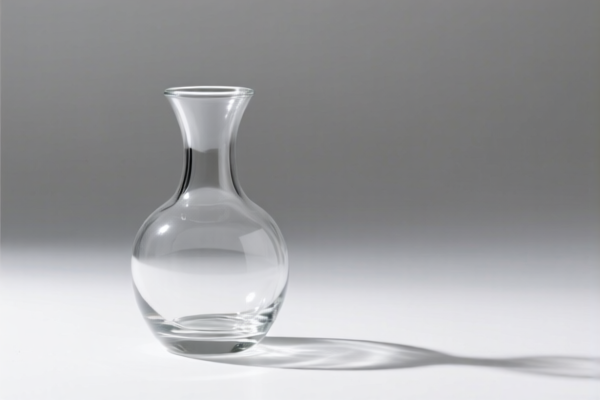


AI分析
🌸 Flower Vases (Glass & Ceramic Decorative Ware)
🌐 HS Code Reference & Customs Clearance Guide | 2026 Latest Tariff Analysis | Professional Clearance Strategy
📌 I. Product Definition & Classification: What Exactly Is a "Flower Vase"?
Flower vases, used for indoor decoration, are primarily categorized by material and function. In international trade, they are strictly divided into two main material groups:
- Glass Vases (
7013): Made entirely of glass, often transparent or colored, used for aesthetic display. - Ceramic Vases (
6913): Made of fired clay (porcelain or other ceramics), ranging from delicate porcelain to sturdy decorative ceramics.
⚠️ Key Distinction Point:
- If the product is Glass → Look at Chapter 70 (Glass and glassware).
- If the product is Ceramic/Porcelain → Look at Chapter 69 (Ceramic products).
- Do not confuse ceramic vases with "plastic" or "metal" vases, which have entirely different HS codes not listed in the provided data.
📦 II. HS Code Classification Details (2026 Latest Tariff Authority Comparison)
Based on the provided data <DATA>, here are the specific classifications for Glass and Ceramic Vases:
| HS Code | Product Description | Material | Total Tax Rate | Tax Composition Details |
|---|---|---|---|---|
7013.99.90.90 |
Glass Vases, for indoor decoration | Glass | 24.7% | Base: 7.2% + Section 301: 7.5% + Section 122: 10% |
6913.10.50.00 |
Ceramic Vases, Porcelain Decorative Articles | Porcelain | 17.5% | Base: 0.0% + Section 301: 7.5% + Section 122: 10% |
6913.90.50.00 |
Ceramic Vases, Decorative Ceramic Products | Ceramic (Non-Porcelain) | 23.5% | Base: 6.0% + Section 301: 7.5% + Section 122: 10% |
🔍 Important Note:
- Glass Vases have a higher base tariff (7.2%) compared to Porcelain Vases (0.0%).
- However, Non-Porcelain Ceramics (6913.90) have a base of 6.0%, making their total rate (23.5%) closer to Glass (24.7%).
- Porcelain (6913.10) is the most tax-efficient option among the three, with a 0% base tariff.
💰 III. 2026 Latest Tariff Rate Breakdown (Including Additional Taxes)
✅ Applicable Country: United States (US)
✅ Origin: China (CN) (Inferred from "Section 301" and "122" clauses which typically apply to Chinese goods)
✅ Effective Date: Current 2026 Tariff Structure
🎯 1. 7013.99.90.90 —— Glass Vases (For Indoor Decoration)
| Item | Content |
|---|---|
| Base Tariff | 7.2% (ad valorem) |
| Section 301 Tariff | +7.5% (Additional duty on Chinese goods) |
| Section 122 Tariff | +10% (Specific duty on certain articles) |
| Total Effective Rate | 24.7% |
| Tax Calculation | CIF Value × 24.7% |
| De Minimis Exemption? | ❌ No (High value goods typically excluded, verify with carrier) |
| Legal Basis Path | USITC:7013.99.90.90 → Footnote:301 → Footnote:122 |
📌 Explanation:
- Glassware is subject to a standard import duty (7.2%).
- Section 301 adds 7.5% specifically for goods from China.
- Section 122 adds an additional 10% for certain household items, including decorative glass.
- Total: 24.7%. This is a moderate-to-high tariff for decorative items.
🎯 2. 6913.10.50.00 —— Ceramic Vases, Porcelain
| Item | Content |
|---|---|
| Base Tariff | 0.0% (Duty-free Base) |
| Section 301 Tariff | +7.5% (Additional duty on Chinese goods) |
| Section 122 Tariff | +10% (Specific duty on certain articles) |
| Total Effective Rate | 17.5% |
| Tax Calculation | CIF Value × 17.5% |
| De Minimis Exemption? | ❌ No |
| Legal Basis Path | USITC:6913.10.50.00 → Footnote:301 → Footnote:122 |
📌 Explanation:
- Porcelain vases enjoy a 0% base tariff, which is the lowest possible base rate.
- The 17.5% total rate is significantly lower than Glass (24.7%) and Non-Porcelain Ceramic (23.5%).
- Strategy: If you can use porcelain instead of glass or generic ceramic, you save 7.2% in total taxes.
🎯 3. 6913.90.50.00 —— Ceramic Vases, Other Decorative Ceramic
| Item | Content |
|---|---|
| Base Tariff | 6.0% (ad valorem) |
| Section 301 Tariff | +7.5% (Additional duty on Chinese goods) |
| Section 122 Tariff | +10% (Specific duty on certain articles) |
| Total Effective Rate | 23.5% |
| Tax Calculation | CIF Value × 23.5% |
| De Minimis Exemption? | ❌ No |
| Legal Basis Path | USITC:6913.90.50.00 → Footnote:301 → Footnote:122 |
📌 Explanation:
- This category covers ceramics that are not specifically "porcelain" (e.g., stoneware, earthenware).
- It has a 6.0% base tariff, making the total 23.5%.
- It is slightly cheaper than Glass (24.7%) but more expensive than Porcelain (17.5%).
🛠️ IV. Customs Clearance Practical Advice (Battle-Tested Pitfall Guide)
✅ 1. Documentation Checklist (Essential)
| Document | Required? | Description |
|---|---|---|
| ✅ Commercial Invoice | ✔️ | Must clearly state: "Glass/Ceramic Vase", Material, and Use (Indoor Decoration). |
| ✅ Packing List | ✔️ | Detail weight, dimensions, and packaging type (critical for fragile goods). |
| ✅ Product Photos | ✔️ | Clear images showing material (transparency for glass, texture for ceramic). |
| ✅ Material Declaration | ✔️ | Explicitly state "100% Porcelain" or "Lead-free Glass" to avoid misclassification. |
| ✅ Labeling | ✔️ | "Made in China" must be permanently affixed to the product or packaging. |
✅ 2. Declaration Tips (Key Mantra)
🔥 “Material First, Base Rate Matters, Fragile Needs Care!”
| Scenario | Correct Declaration | Error to Avoid |
|---|---|---|
| Porcelain Vase | HS: 6913.10.50.00 |
Misdeclaring as Glass (7013) → Higher Tax (24.7%) |
| Glass Vase | HS: 7013.99.90.90 |
Misdeclaring as Ceramic (6913) → Customs Rejection/Inspection |
| Stoneware Vase | HS: 6913.90.50.00 |
Calling it "Porcelain" incorrectly → Potential Penalty |
| Fragile Packaging | Mark "Fragile" on Invoice | No special marking → High damage risk & insurance claims |
✅ 3. Special Considerations
| Situation | Recommendation |
|---|---|
| Mixed Shipment | If shipping both Glass and Ceramic, declare separately. Do not combine under one HS Code. |
| Gift Sets | If vases are part of a gift set with flowers/plants, the vase is still classified by its material. |
| Sample Shipments | Even for low-value samples, if declared as commercial goods, the 24.7% or 17.5% rate may still apply unless eligible for De Minimis (check current threshold). |
| Lead/Glass Safety | Ensure glass is labeled "Lead-Free" if intended for food/drink use, to avoid FDA complications (though primarily for decoration). |
🌍 V. Global Market Comparison (2026 Latest)
| Country/Region | Recommended HS Code | Base Tariff | Additional Tax (China) | Total Est. Rate | Notes |
|---|---|---|---|---|---|
| 🇺🇸 USA | 7013.99.90.90 (Glass) |
7.2% | +17.5% (301+122) | 24.7% | High additional taxes. |
| 🇺🇸 USA | 6913.10.50.00 (Porcelain) |
0.0% | +17.5% (301+122) | 17.5% | Best Option for China Origin. |
| 🇪🇺 EU | 7013/6913 | 6.0% | 0% | 6.0% | No Section 301/122 in EU. |
| 🇨🇳 China | 7013/6913 | 5-12% | 0% | ~7-12% | Different tax structure. |
📌 Conclusion:
- For US Imports from China, Porcelain (6913.10.50.00) is the most cost-effective choice due to the 0% base tariff.
- Glass (7013.99.90.90) incurs the highest total duty (24.7%) due to its 7.2% base.
- Consider sourcing Porcelain or using Porcelain components in designs to reduce landed cost.
📌 VI. Common Mistakes & Pitfall Guide (Lessons Learned)
❌ Mistake 1: Declaring "Ceramic Vase" without specifying "Porcelain"
👉 Consequence: Customs may classify it as 6913.90 (23.5%) instead of 6913.10 (17.5%) → Lost Savings!
❌ Mistake 2: Ignoring "Section 122" Tariff
👉 Consequence: Forgetting that decorative glass/ceramics attract an extra 10% duty → Unexpected Cost!
❌ Mistake 3: Mislabeling Material
👉 Consequence: If a glass vase is labeled as "ceramic," customs will detain it for inspection → Delay & Storage Fees!
✅ Correct Action:
Always specify: "Material: Porcelain/Glass" and "Use: Indoor Decorative Vase" on the commercial invoice.
🎯 VII. Conclusion: Precision Classification for Cost Efficiency
🎯 Remember the Mantra:
🔹 "Porcelain Wins (0% Base), Glass Pays More (7.2% Base)."
🔹 "301 + 122 = 17.5% Extra, No Matter the Material!"
🔹 "Declare Material Clearly, Avoid the 24.7% Glass Trap!"
📌 Pro Tip:
If your product is not from China (e.g., Vietnam, Thailand), Section 301 (7.5%) may not apply.
Check your Country of Origin carefully. A Vietnamese ceramic vase might have 0% total duty in the US!
📣 Immediate Action:
📞 Consult your customs broker for Pre-Ruling if your product's material is ambiguous (e.g., glass-ceramic).
🚀 Optimize for Porcelain if possible to save 7.2% on every shipment!
✨ Professional Clearance Starts with Accurate Classification!
💼 Every Percentage Point Counts in Global Trade!
用户评价
关于 HS 编码归类
协调制度(HS)是由世界海关组织(WCO)制定的国际贸易商品分类标准。全球 200 多个国家采用 HS 系统作为海关关税、贸易统计和进出口监管的基础。
每个 HS 编码遵循以下层级结构:
- 章(2 位)——商品大类(例如:第 84 章:机器和机械设备)
- 品目(4 位)——章内的更具体分类
- 子目(6 位)——国际通用细分,所有 WCO 成员国统一使用
- 本国细分(8-10 位)——各国自行扩展的细分编码,如美国 HTSUS 10 位编码
正确的 HS 编码归类对于顺利通关、准确缴纳关税和遵守贸易法规至关重要。错误归类可能导致海关延误、多缴关税或罚款。
从CN进口到US时,适用的关税税率可能包括:
- 最惠国(MFN)税率——适用于 WTO 成员国的标准关税税率
- 普通税率——适用于无贸易协定国家
- 贸易救济关税——附加关税,如 301 条款(反倾销)、232 条款(国家安全)或反补贴税
本页内容仅供参考。如需正式归类,请咨询当地海关或持牌报关代理。