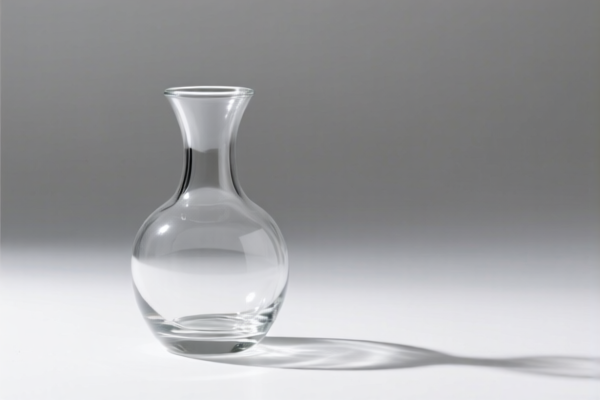
Flower Vase
CN → US| HS Code | Tariff Rate | Origin | Destination | Doc |
|---|---|---|---|---|
| 7013999090 | 24.7% | CN | US | Official Doc |
| 6913105000 | 17.5% | CN | US | Official Doc |
| 6913905000 | 23.5% | CN | US | Official Doc |
Product Images


AI Analysis
🌸 Flower Vases (Glass & Ceramic Decorative Ware)
🌐 HS Code Reference & Customs Clearance Guide | 2026 Latest Tariff Analysis | Professional Clearance Strategy
📌 I. Product Definition & Classification: What Exactly Is a "Flower Vase"?
Flower vases, used for indoor decoration, are primarily categorized by material and function. In international trade, they are strictly divided into two main material groups:
- Glass Vases (
7013): Made entirely of glass, often transparent or colored, used for aesthetic display. - Ceramic Vases (
6913): Made of fired clay (porcelain or other ceramics), ranging from delicate porcelain to sturdy decorative ceramics.
⚠️ Key Distinction Point:
- If the product is Glass → Look at Chapter 70 (Glass and glassware).
- If the product is Ceramic/Porcelain → Look at Chapter 69 (Ceramic products).
- Do not confuse ceramic vases with "plastic" or "metal" vases, which have entirely different HS codes not listed in the provided data.
📦 II. HS Code Classification Details (2026 Latest Tariff Authority Comparison)
Based on the provided data <DATA>, here are the specific classifications for Glass and Ceramic Vases:
| HS Code | Product Description | Material | Total Tax Rate | Tax Composition Details |
|---|---|---|---|---|
7013.99.90.90 |
Glass Vases, for indoor decoration | Glass | 24.7% | Base: 7.2% + Section 301: 7.5% + Section 122: 10% |
6913.10.50.00 |
Ceramic Vases, Porcelain Decorative Articles | Porcelain | 17.5% | Base: 0.0% + Section 301: 7.5% + Section 122: 10% |
6913.90.50.00 |
Ceramic Vases, Decorative Ceramic Products | Ceramic (Non-Porcelain) | 23.5% | Base: 6.0% + Section 301: 7.5% + Section 122: 10% |
🔍 Important Note:
- Glass Vases have a higher base tariff (7.2%) compared to Porcelain Vases (0.0%).
- However, Non-Porcelain Ceramics (6913.90) have a base of 6.0%, making their total rate (23.5%) closer to Glass (24.7%).
- Porcelain (6913.10) is the most tax-efficient option among the three, with a 0% base tariff.
💰 III. 2026 Latest Tariff Rate Breakdown (Including Additional Taxes)
✅ Applicable Country: United States (US)
✅ Origin: China (CN) (Inferred from "Section 301" and "122" clauses which typically apply to Chinese goods)
✅ Effective Date: Current 2026 Tariff Structure
🎯 1. 7013.99.90.90 —— Glass Vases (For Indoor Decoration)
| Item | Content |
|---|---|
| Base Tariff | 7.2% (ad valorem) |
| Section 301 Tariff | +7.5% (Additional duty on Chinese goods) |
| Section 122 Tariff | +10% (Specific duty on certain articles) |
| Total Effective Rate | 24.7% |
| Tax Calculation | CIF Value × 24.7% |
| De Minimis Exemption? | ❌ No (High value goods typically excluded, verify with carrier) |
| Legal Basis Path | USITC:7013.99.90.90 → Footnote:301 → Footnote:122 |
📌 Explanation:
- Glassware is subject to a standard import duty (7.2%).
- Section 301 adds 7.5% specifically for goods from China.
- Section 122 adds an additional 10% for certain household items, including decorative glass.
- Total: 24.7%. This is a moderate-to-high tariff for decorative items.
🎯 2. 6913.10.50.00 —— Ceramic Vases, Porcelain
| Item | Content |
|---|---|
| Base Tariff | 0.0% (Duty-free Base) |
| Section 301 Tariff | +7.5% (Additional duty on Chinese goods) |
| Section 122 Tariff | +10% (Specific duty on certain articles) |
| Total Effective Rate | 17.5% |
| Tax Calculation | CIF Value × 17.5% |
| De Minimis Exemption? | ❌ No |
| Legal Basis Path | USITC:6913.10.50.00 → Footnote:301 → Footnote:122 |
📌 Explanation:
- Porcelain vases enjoy a 0% base tariff, which is the lowest possible base rate.
- The 17.5% total rate is significantly lower than Glass (24.7%) and Non-Porcelain Ceramic (23.5%).
- Strategy: If you can use porcelain instead of glass or generic ceramic, you save 7.2% in total taxes.
🎯 3. 6913.90.50.00 —— Ceramic Vases, Other Decorative Ceramic
| Item | Content |
|---|---|
| Base Tariff | 6.0% (ad valorem) |
| Section 301 Tariff | +7.5% (Additional duty on Chinese goods) |
| Section 122 Tariff | +10% (Specific duty on certain articles) |
| Total Effective Rate | 23.5% |
| Tax Calculation | CIF Value × 23.5% |
| De Minimis Exemption? | ❌ No |
| Legal Basis Path | USITC:6913.90.50.00 → Footnote:301 → Footnote:122 |
📌 Explanation:
- This category covers ceramics that are not specifically "porcelain" (e.g., stoneware, earthenware).
- It has a 6.0% base tariff, making the total 23.5%.
- It is slightly cheaper than Glass (24.7%) but more expensive than Porcelain (17.5%).
🛠️ IV. Customs Clearance Practical Advice (Battle-Tested Pitfall Guide)
✅ 1. Documentation Checklist (Essential)
| Document | Required? | Description |
|---|---|---|
| ✅ Commercial Invoice | ✔️ | Must clearly state: "Glass/Ceramic Vase", Material, and Use (Indoor Decoration). |
| ✅ Packing List | ✔️ | Detail weight, dimensions, and packaging type (critical for fragile goods). |
| ✅ Product Photos | ✔️ | Clear images showing material (transparency for glass, texture for ceramic). |
| ✅ Material Declaration | ✔️ | Explicitly state "100% Porcelain" or "Lead-free Glass" to avoid misclassification. |
| ✅ Labeling | ✔️ | "Made in China" must be permanently affixed to the product or packaging. |
✅ 2. Declaration Tips (Key Mantra)
🔥 “Material First, Base Rate Matters, Fragile Needs Care!”
| Scenario | Correct Declaration | Error to Avoid |
|---|---|---|
| Porcelain Vase | HS: 6913.10.50.00 |
Misdeclaring as Glass (7013) → Higher Tax (24.7%) |
| Glass Vase | HS: 7013.99.90.90 |
Misdeclaring as Ceramic (6913) → Customs Rejection/Inspection |
| Stoneware Vase | HS: 6913.90.50.00 |
Calling it "Porcelain" incorrectly → Potential Penalty |
| Fragile Packaging | Mark "Fragile" on Invoice | No special marking → High damage risk & insurance claims |
✅ 3. Special Considerations
| Situation | Recommendation |
|---|---|
| Mixed Shipment | If shipping both Glass and Ceramic, declare separately. Do not combine under one HS Code. |
| Gift Sets | If vases are part of a gift set with flowers/plants, the vase is still classified by its material. |
| Sample Shipments | Even for low-value samples, if declared as commercial goods, the 24.7% or 17.5% rate may still apply unless eligible for De Minimis (check current threshold). |
| Lead/Glass Safety | Ensure glass is labeled "Lead-Free" if intended for food/drink use, to avoid FDA complications (though primarily for decoration). |
🌍 V. Global Market Comparison (2026 Latest)
| Country/Region | Recommended HS Code | Base Tariff | Additional Tax (China) | Total Est. Rate | Notes |
|---|---|---|---|---|---|
| 🇺🇸 USA | 7013.99.90.90 (Glass) |
7.2% | +17.5% (301+122) | 24.7% | High additional taxes. |
| 🇺🇸 USA | 6913.10.50.00 (Porcelain) |
0.0% | +17.5% (301+122) | 17.5% | Best Option for China Origin. |
| 🇪🇺 EU | 7013/6913 | 6.0% | 0% | 6.0% | No Section 301/122 in EU. |
| 🇨🇳 China | 7013/6913 | 5-12% | 0% | ~7-12% | Different tax structure. |
📌 Conclusion:
- For US Imports from China, Porcelain (6913.10.50.00) is the most cost-effective choice due to the 0% base tariff.
- Glass (7013.99.90.90) incurs the highest total duty (24.7%) due to its 7.2% base.
- Consider sourcing Porcelain or using Porcelain components in designs to reduce landed cost.
📌 VI. Common Mistakes & Pitfall Guide (Lessons Learned)
❌ Mistake 1: Declaring "Ceramic Vase" without specifying "Porcelain"
👉 Consequence: Customs may classify it as 6913.90 (23.5%) instead of 6913.10 (17.5%) → Lost Savings!
❌ Mistake 2: Ignoring "Section 122" Tariff
👉 Consequence: Forgetting that decorative glass/ceramics attract an extra 10% duty → Unexpected Cost!
❌ Mistake 3: Mislabeling Material
👉 Consequence: If a glass vase is labeled as "ceramic," customs will detain it for inspection → Delay & Storage Fees!
✅ Correct Action:
Always specify: "Material: Porcelain/Glass" and "Use: Indoor Decorative Vase" on the commercial invoice.
🎯 VII. Conclusion: Precision Classification for Cost Efficiency
🎯 Remember the Mantra:
🔹 "Porcelain Wins (0% Base), Glass Pays More (7.2% Base)."
🔹 "301 + 122 = 17.5% Extra, No Matter the Material!"
🔹 "Declare Material Clearly, Avoid the 24.7% Glass Trap!"
📌 Pro Tip:
If your product is not from China (e.g., Vietnam, Thailand), Section 301 (7.5%) may not apply.
Check your Country of Origin carefully. A Vietnamese ceramic vase might have 0% total duty in the US!
📣 Immediate Action:
📞 Consult your customs broker for Pre-Ruling if your product's material is ambiguous (e.g., glass-ceramic).
🚀 Optimize for Porcelain if possible to save 7.2% on every shipment!
✨ Professional Clearance Starts with Accurate Classification!
💼 Every Percentage Point Counts in Global Trade!
Customer Reviews
About HS Code Classification
The Harmonized System (HS) is an internationally standardized nomenclature developed by the World Customs Organization (WCO) to classify traded products. Over 200 countries use the HS system as the basis for customs tariffs, trade statistics, and import/export regulations.
Each HS code follows a hierarchical structure:
- Chapter (2 digits) — Broad category of goods (e.g., Chapter 84: Machinery and Mechanical Appliances)
- Heading (4 digits) — More specific grouping within the chapter
- Subheading (6 digits) — Internationally standardized breakdown, used by all WCO member countries
- National subdivisions (8-10 digits) — Country-specific extensions for further classification, such as US HTSUS 10-digit codes
Correct HS code classification is essential for smooth customs clearance, accurate duty payment, and compliance with trade regulations. Misclassification can lead to customs delays, overpayment of duties, or penalties.
When importing from CN to US, the applicable tariff rates may include:
- Most-Favored-Nation (MFN) rate — The standard duty rate applied to WTO members
- General rate — Applied to countries without trade agreements
- Trade remedy duties — Additional tariffs such as Section 301 (anti-dumping), Section 232 (national security), or countervailing duties
The information provided on this page is for reference purposes only. For official classification, please consult with your local customs authority or a licensed customs broker.