Fluorescent Butterfly Cape
CN → US| HS编码 | 关税税率 | 原产国 | 目的国 | 文档 |
|---|---|---|---|---|
| 9503000073 | 10.0% | CN | US | 官方文档 |
| 6117101000 | 27.1% | CN | US | 官方文档 |
| 6214101000 | 18.7% | CN | US | 官方文档 |
| 6214102000 | 21.4% | CN | US | 官方文档 |
| 6117106010 | 27.0% | CN | US | 官方文档 |
商品图片


AI分析
🦋 Fluorescent Butterfly Cape (Shimmering Costume Accessory)
🌐 HS Code Reference & Customs Clearance Guide | 2026 Latest Tariff Analysis | Strategic通关 Strategy
📌 I. Product Definition & Classification: What Exactly Is a "Fluorescent Butterfly Cape"?
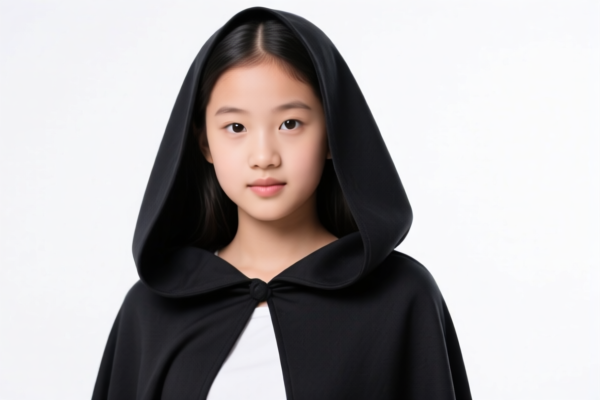
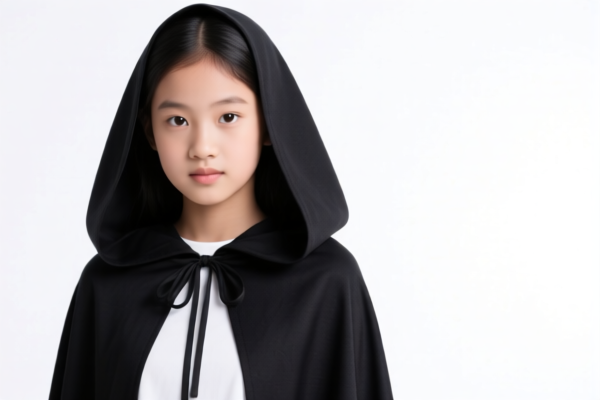
A Fluorescent Butterfly Cape is typically a costume accessory, often used in parties, Halloween, theatrical performances, or children's play. It features a butterfly wing shape, often made from sheer, lightweight fabrics (such as organza, mesh, or non-woven fabric) with fluorescent or glittery coatings.
In international trade, its classification is controversial because it sits at the intersection of Toy/Costume and Apparel/Accessory. The key determinant is whether it is viewed primarily as a plaything or as a wearable garment/accessory.
⚠️ Key Distinction Point:
- If it is small, rigid, or clearly marketed as a toy/plaything (e.g., for kids to play dress-up) → Classify under Chapter 95 (Toys).
- If it is a wearable fashion item, scarf, or shawl-like garment → Classify under Chapter 61 or 62 (Apparel/Textiles).
📦 II. HS Code Classification Details (Based on Provided Data)
| HS Code | Summary Description | Key Logic | Total Tax Rate |
|---|---|---|---|
| 9503.00.00.73 | Toy Category: Butterfly cape classified as a toy. Shape matches capes used in play/entertainment models. Material inferred as fabric or lightweight material. | Viewed as a Plaything/Costume Toy. | 10.0% |
| 6117.10.10.00 | Scarf/Shawl Category: Butterfly cape classified as a shawl/scarf. Shape matches; material inferred as fibrous fabric. No conflict with wool/fine animal hair logic. | Viewed as a Wearable Scarf/Shawl. | 27.1% |
| 6214.10.10.00 | Cape/Shawl Category: Butterfly cape classified as a cape. Shape similar to shawls/scarves; material inferred as silk or silk blend. No material conflict. | Viewed as a Silk Scarf/Cape. | 18.7% |
| 6214.10.20.00 | Cape/Shawl Category: Similar to 6214.10.10.00, but potentially different sub-material classification. Material inferred as silk or similar textile. | Viewed as a Silk-like Scarf/Cape. | 21.4% |
| 6117.10.60.10 | Similar Article Category: Butterfly cape classified as a similar article to scarves/shawls. Material inferred as cotton or non-cotton. | Viewed as a Cotton/Non-Cotton Scarf. | 27.0% |
🔍 Critical Insight:
- The Toy classification (9503) offers the lowest tax (10%). - The Apparel/Scarf classifications (6117/6214) carry significantly higher taxes (18.7% - 27.1%) due to base tariffs + additional tariffs. - Material proof is crucial for Chapter 61/62 cases. If you cannot prove it is silk or specific textiles, customs may default to higher rates or reject the classification.
💰 III. 2026 Latest Tariff Rate Details (Including Additional Tariffs & Policy Surcharges)
✅ Applicable Country: United States (US)
✅ Origin: China (CN)
✅ Effective Time: 2025 November 10 onwards (including subsequent imports)
🎯 1. 9503.00.00.73 —— Toy Category (Lowest Tax Option)
| Item | Content |
|---|---|
| Base Tariff | 0.0% (ad valorem) |
| Section 301 / Additional Tariff | 0.0% |
| Section 122 Tariff | +10% (Specificly applied to this code) |
| Total Tax Rate | 10.0% |
| Tax Calculation | CIF Value × 10% |
| De Minimis Eligibility | ⚠️ Check Context: Usually toys may qualify for de minimis if under $800, but Section 122 specifics apply. Note: Data says "122 Tariff 10%", implying it applies even if otherwise exempt. |
| Legal Basis Path | USITC:9503.00.00.73 → SECTION122:10% |
📌 Explanation:
- This is the most cost-effective classification for a "Butterfly Cape" if it is marketed as a toy or costume play item. - The 10% total tax is driven entirely by the Section 122 Tariff. - No base tariff or Section 301 tariff applies, making this the strategic choice for cost optimization.
🎯 2. 6117.10.10.00 —— Scarf/Shawl (Wool/Animal Hair Logic)
| Item | Content |
|---|---|
| Base Tariff | 9.6% |
| Additional Tariff (Section 301) | +7.5% |
| Section 122 Tariff | +10% |
| Total Tax Rate | 27.1% |
| Tax Calculation | CIF Value × 27.1% |
| De Minimis Eligibility | ❌ No (Textile/Apparel categories generally excluded or higher threshold) |
| Legal Basis Path | USITC:6117.10.10.00 → SECTION301:7.5% → SECTION122:10% |
📌 Note:
- High tax burden due to Base Tariff (9.6%). - Suitable only if the product is explicitly a high-end fashion scarf made of wool or fine animal hair.
🎯 3. 6214.10.10.00 —— Silk Scarf/Cape
| Item | Content |
|---|---|
| Base Tariff | 1.2% |
| Additional Tariff (Section 301) | +7.5% |
| Section 122 Tariff | +10% |
| Total Tax Rate | 18.7% |
| Tax Calculation | CIF Value × 18.7% |
| De Minimis Eligibility | ❌ No |
| Legal Basis Path | USITC:6214.10.10.00 → SECTION301:7.5% → SECTION122:10% |
📌 Note:
- Lower base tariff than wool scarves, but still significantly higher than the toy classification. - Requires proof of Silk content.
🎯 4. 6214.10.20.00 —— Similar Silk-like Scarf/Cape
| Item | Content |
|---|---|
| Base Tariff | 3.9% |
| Additional Tariff (Section 301) | +7.5% |
| Section 122 Tariff | +10% |
| Total Tax Rate | 21.4% |
| Tax Calculation | CIF Value × 21.4% |
| De Minimis Eligibility | ❌ No |
| Legal Basis Path | USITC:6214.10.20.00 → SECTION301:7.5% → SECTION122:10% |
📌 Note:
- Slightly higher base tariff than6214.10.10.00, likely due to different material composition rules.
🎯 5. 6117.10.60.10 —— Cotton/Non-Cotton Scarf/Accessory
| Item | Content |
|---|---|
| Base Tariff | 9.5% |
| Additional Tariff (Section 301) | +7.5% |
| Section 122 Tariff | +10% |
| Total Tax Rate | 27.0% |
| Tax Calculation | CIF Value × 27.0% |
| De Minimis Eligibility | ❌ No |
| Legal Basis Path | USITC:6117.10.60.10 → SECTION301:7.5% → SECTION122:10% |
📌 Note:
- High base tariff (9.5%) makes this one of the most expensive options. - Avoid unless the product is definitively a cotton scarf and cannot be classified as a toy.
🛠️ IV. Customs Clearance Practical Advice (Strategic Pitfall Avoidance)
✅ 1. Material & Product Description Strategy
| Strategy | Action | Impact |
|---|---|---|
| Opt for Toy Classification | Market as "Costume Toy", "Play Cape", "Child's Dress-up Accessory" | Tax: 10% (Saves ~17-17.1% vs apparel) |
| Avoid "Scarf" Language | Do NOT use words like "Shawl", "Neckwear", "Fashion Accessory" if aiming for 10% | Prevents misclassification to Chapter 61/62 |
| Proof of Material (If Apparel) | Provide fabric composition labels (e.g., "100% Polyester Mesh", "Silk Blend") | Required for 6117/6214 codes; if missing, customs may assess penalty |
✅ 2. Documentation Checklist
| Document | Requirement | Purpose |
|---|---|---|
| Commercial Invoice | Clearly state: "Butterfly Costume Cape, Material: Polyester/Organza, For Children's Play" | Supports 9503 classification |
| Product Photos | Show scale, usage (e.g., child wearing it), and packaging | Proves Toy/Play intent |
| Labeling | Include age warning (e.g., "For Ages 3+") | Reinforces Toy status |
| Material Test Report | If claiming 6117/6214, provide fabric analysis | Justifies Base Tariff rate |
✅ 3. Common Mistakes & Consequences
❌ Mistake 1: Labeling as "Fashion Scarf" for a children's party item
👉 Consequence: Classified under 6117/6214 → Tax jumps from 10% to 27.1% → Unnecessary cost increase.
❌ Mistake 2: Vague description "Cape"
👉 Consequence: Customs officer may interpret as apparel → Higher tax or delay for clarification.
❌ Mistake 3: Ignoring Section 122 Tariff
👉 Consequence: Even if base tariff is 0%, the 10% Section 122 applies to ALL listed HS codes. Do not assume exemption.
🌍 V. Global Market Comparison (2026 Overview)
| Country/Region | Recommended HS Code | Tax Rate (China Origin) | Key Requirement |
|---|---|---|---|
| 🇺🇸 USA | 9503.00.00.73 |
10.0% | Prove "Toy/Play" intent |
| 🇺🇸 USA | 6117.10.10.00 |
27.1% | Prove "Scarf/Shawl" use |
| 🇪🇺 EU | 6117/6214 | ~5-10% + VAT | Different tariff structure |
| 🇨🇳 China | 9503/6117 | 0-10% (Import) | Domestic sale tax applies |
📌 Conclusion:
- USA Market: The 10% Toy Classification is highly advantageous.
- Strategic Tip: If your "Fluorescent Butterfly Cape" is intended for children or parties, insist on the 9503 classification. It saves nearly 17% in taxes compared to apparel classifications.
📌 VI. Final Recommendations
- Optimize Description: Use terms like "Costume Toy", "Dress-up Cape", "Play Accessory" in your invoice and product listing.
- Avoid Apparel Keywords: Do not use "Scarf", "Shawl", "Neckwear" unless it is genuinely a fashion accessory for adults.
- Prepare Evidence: Keep photos of the product in use (e.g., on a child) and packaging that suggests play.
- Confirm Material: If classifying under 6117/6214, ensure fabric composition matches the HS code exactly to avoid penalties.
🔥 "Toy or Scarf? Choose Wisely! 10% vs 27% is the Difference!"
📣 Immediate Action:
📦 For Toys: File under 9503.00.00.73 → 10% Total Tax
👗 For Fashion: File under 6117/6214 → 18.7% - 27.1% Total Tax
✨ Professional Customs Clearance: Start with Accurate Classification!
💼 Every Percent Saved is Pure Profit!
用户评价
关于 HS 编码归类
协调制度(HS)是由世界海关组织(WCO)制定的国际贸易商品分类标准。全球 200 多个国家采用 HS 系统作为海关关税、贸易统计和进出口监管的基础。
每个 HS 编码遵循以下层级结构:
- 章(2 位)——商品大类(例如:第 84 章:机器和机械设备)
- 品目(4 位)——章内的更具体分类
- 子目(6 位)——国际通用细分,所有 WCO 成员国统一使用
- 本国细分(8-10 位)——各国自行扩展的细分编码,如美国 HTSUS 10 位编码
正确的 HS 编码归类对于顺利通关、准确缴纳关税和遵守贸易法规至关重要。错误归类可能导致海关延误、多缴关税或罚款。
从CN进口到US时,适用的关税税率可能包括:
- 最惠国(MFN)税率——适用于 WTO 成员国的标准关税税率
- 普通税率——适用于无贸易协定国家
- 贸易救济关税——附加关税,如 301 条款(反倾销)、232 条款(国家安全)或反补贴税
本页内容仅供参考。如需正式归类,请咨询当地海关或持牌报关代理。