Fluorescent Butterfly Cape
CN → US| HS Code | Tariff Rate | Origin | Destination | Doc |
|---|---|---|---|---|
| 9503000073 | 10.0% | CN | US | Official Doc |
| 6117101000 | 27.1% | CN | US | Official Doc |
| 6214101000 | 18.7% | CN | US | Official Doc |
| 6214102000 | 21.4% | CN | US | Official Doc |
| 6117106010 | 27.0% | CN | US | Official Doc |
Product Images
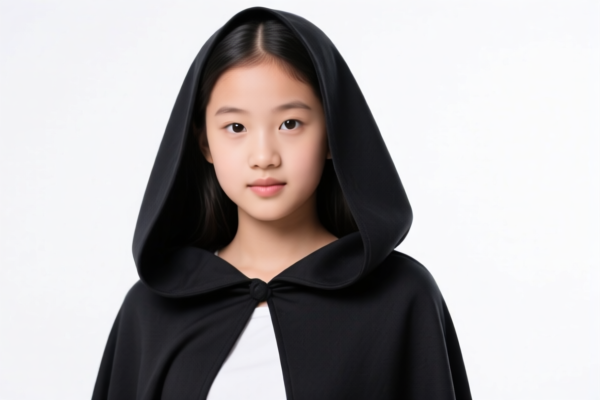
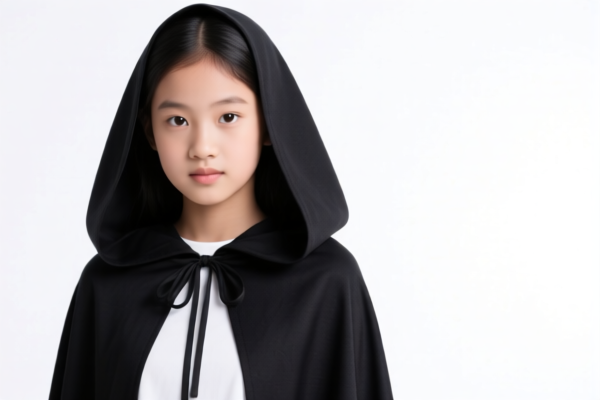


AI Analysis
🦋 Fluorescent Butterfly Cape (Shimmering Costume Accessory)
🌐 HS Code Reference & Customs Clearance Guide | 2026 Latest Tariff Analysis | Strategic通关 Strategy
📌 I. Product Definition & Classification: What Exactly Is a "Fluorescent Butterfly Cape"?
A Fluorescent Butterfly Cape is typically a costume accessory, often used in parties, Halloween, theatrical performances, or children's play. It features a butterfly wing shape, often made from sheer, lightweight fabrics (such as organza, mesh, or non-woven fabric) with fluorescent or glittery coatings.
In international trade, its classification is controversial because it sits at the intersection of Toy/Costume and Apparel/Accessory. The key determinant is whether it is viewed primarily as a plaything or as a wearable garment/accessory.
⚠️ Key Distinction Point:
- If it is small, rigid, or clearly marketed as a toy/plaything (e.g., for kids to play dress-up) → Classify under Chapter 95 (Toys).
- If it is a wearable fashion item, scarf, or shawl-like garment → Classify under Chapter 61 or 62 (Apparel/Textiles).
📦 II. HS Code Classification Details (Based on Provided Data)
| HS Code | Summary Description | Key Logic | Total Tax Rate |
|---|---|---|---|
| 9503.00.00.73 | Toy Category: Butterfly cape classified as a toy. Shape matches capes used in play/entertainment models. Material inferred as fabric or lightweight material. | Viewed as a Plaything/Costume Toy. | 10.0% |
| 6117.10.10.00 | Scarf/Shawl Category: Butterfly cape classified as a shawl/scarf. Shape matches; material inferred as fibrous fabric. No conflict with wool/fine animal hair logic. | Viewed as a Wearable Scarf/Shawl. | 27.1% |
| 6214.10.10.00 | Cape/Shawl Category: Butterfly cape classified as a cape. Shape similar to shawls/scarves; material inferred as silk or silk blend. No material conflict. | Viewed as a Silk Scarf/Cape. | 18.7% |
| 6214.10.20.00 | Cape/Shawl Category: Similar to 6214.10.10.00, but potentially different sub-material classification. Material inferred as silk or similar textile. | Viewed as a Silk-like Scarf/Cape. | 21.4% |
| 6117.10.60.10 | Similar Article Category: Butterfly cape classified as a similar article to scarves/shawls. Material inferred as cotton or non-cotton. | Viewed as a Cotton/Non-Cotton Scarf. | 27.0% |
🔍 Critical Insight:
- The Toy classification (9503) offers the lowest tax (10%). - The Apparel/Scarf classifications (6117/6214) carry significantly higher taxes (18.7% - 27.1%) due to base tariffs + additional tariffs. - Material proof is crucial for Chapter 61/62 cases. If you cannot prove it is silk or specific textiles, customs may default to higher rates or reject the classification.
💰 III. 2026 Latest Tariff Rate Details (Including Additional Tariffs & Policy Surcharges)
✅ Applicable Country: United States (US)
✅ Origin: China (CN)
✅ Effective Time: 2025 November 10 onwards (including subsequent imports)
🎯 1. 9503.00.00.73 —— Toy Category (Lowest Tax Option)
| Item | Content |
|---|---|
| Base Tariff | 0.0% (ad valorem) |
| Section 301 / Additional Tariff | 0.0% |
| Section 122 Tariff | +10% (Specificly applied to this code) |
| Total Tax Rate | 10.0% |
| Tax Calculation | CIF Value × 10% |
| De Minimis Eligibility | ⚠️ Check Context: Usually toys may qualify for de minimis if under $800, but Section 122 specifics apply. Note: Data says "122 Tariff 10%", implying it applies even if otherwise exempt. |
| Legal Basis Path | USITC:9503.00.00.73 → SECTION122:10% |
📌 Explanation:
- This is the most cost-effective classification for a "Butterfly Cape" if it is marketed as a toy or costume play item. - The 10% total tax is driven entirely by the Section 122 Tariff. - No base tariff or Section 301 tariff applies, making this the strategic choice for cost optimization.
🎯 2. 6117.10.10.00 —— Scarf/Shawl (Wool/Animal Hair Logic)
| Item | Content |
|---|---|
| Base Tariff | 9.6% |
| Additional Tariff (Section 301) | +7.5% |
| Section 122 Tariff | +10% |
| Total Tax Rate | 27.1% |
| Tax Calculation | CIF Value × 27.1% |
| De Minimis Eligibility | ❌ No (Textile/Apparel categories generally excluded or higher threshold) |
| Legal Basis Path | USITC:6117.10.10.00 → SECTION301:7.5% → SECTION122:10% |
📌 Note:
- High tax burden due to Base Tariff (9.6%). - Suitable only if the product is explicitly a high-end fashion scarf made of wool or fine animal hair.
🎯 3. 6214.10.10.00 —— Silk Scarf/Cape
| Item | Content |
|---|---|
| Base Tariff | 1.2% |
| Additional Tariff (Section 301) | +7.5% |
| Section 122 Tariff | +10% |
| Total Tax Rate | 18.7% |
| Tax Calculation | CIF Value × 18.7% |
| De Minimis Eligibility | ❌ No |
| Legal Basis Path | USITC:6214.10.10.00 → SECTION301:7.5% → SECTION122:10% |
📌 Note:
- Lower base tariff than wool scarves, but still significantly higher than the toy classification. - Requires proof of Silk content.
🎯 4. 6214.10.20.00 —— Similar Silk-like Scarf/Cape
| Item | Content |
|---|---|
| Base Tariff | 3.9% |
| Additional Tariff (Section 301) | +7.5% |
| Section 122 Tariff | +10% |
| Total Tax Rate | 21.4% |
| Tax Calculation | CIF Value × 21.4% |
| De Minimis Eligibility | ❌ No |
| Legal Basis Path | USITC:6214.10.20.00 → SECTION301:7.5% → SECTION122:10% |
📌 Note:
- Slightly higher base tariff than6214.10.10.00, likely due to different material composition rules.
🎯 5. 6117.10.60.10 —— Cotton/Non-Cotton Scarf/Accessory
| Item | Content |
|---|---|
| Base Tariff | 9.5% |
| Additional Tariff (Section 301) | +7.5% |
| Section 122 Tariff | +10% |
| Total Tax Rate | 27.0% |
| Tax Calculation | CIF Value × 27.0% |
| De Minimis Eligibility | ❌ No |
| Legal Basis Path | USITC:6117.10.60.10 → SECTION301:7.5% → SECTION122:10% |
📌 Note:
- High base tariff (9.5%) makes this one of the most expensive options. - Avoid unless the product is definitively a cotton scarf and cannot be classified as a toy.
🛠️ IV. Customs Clearance Practical Advice (Strategic Pitfall Avoidance)
✅ 1. Material & Product Description Strategy
| Strategy | Action | Impact |
|---|---|---|
| Opt for Toy Classification | Market as "Costume Toy", "Play Cape", "Child's Dress-up Accessory" | Tax: 10% (Saves ~17-17.1% vs apparel) |
| Avoid "Scarf" Language | Do NOT use words like "Shawl", "Neckwear", "Fashion Accessory" if aiming for 10% | Prevents misclassification to Chapter 61/62 |
| Proof of Material (If Apparel) | Provide fabric composition labels (e.g., "100% Polyester Mesh", "Silk Blend") | Required for 6117/6214 codes; if missing, customs may assess penalty |
✅ 2. Documentation Checklist
| Document | Requirement | Purpose |
|---|---|---|
| Commercial Invoice | Clearly state: "Butterfly Costume Cape, Material: Polyester/Organza, For Children's Play" | Supports 9503 classification |
| Product Photos | Show scale, usage (e.g., child wearing it), and packaging | Proves Toy/Play intent |
| Labeling | Include age warning (e.g., "For Ages 3+") | Reinforces Toy status |
| Material Test Report | If claiming 6117/6214, provide fabric analysis | Justifies Base Tariff rate |
✅ 3. Common Mistakes & Consequences
❌ Mistake 1: Labeling as "Fashion Scarf" for a children's party item
👉 Consequence: Classified under 6117/6214 → Tax jumps from 10% to 27.1% → Unnecessary cost increase.
❌ Mistake 2: Vague description "Cape"
👉 Consequence: Customs officer may interpret as apparel → Higher tax or delay for clarification.
❌ Mistake 3: Ignoring Section 122 Tariff
👉 Consequence: Even if base tariff is 0%, the 10% Section 122 applies to ALL listed HS codes. Do not assume exemption.
🌍 V. Global Market Comparison (2026 Overview)
| Country/Region | Recommended HS Code | Tax Rate (China Origin) | Key Requirement |
|---|---|---|---|
| 🇺🇸 USA | 9503.00.00.73 |
10.0% | Prove "Toy/Play" intent |
| 🇺🇸 USA | 6117.10.10.00 |
27.1% | Prove "Scarf/Shawl" use |
| 🇪🇺 EU | 6117/6214 | ~5-10% + VAT | Different tariff structure |
| 🇨🇳 China | 9503/6117 | 0-10% (Import) | Domestic sale tax applies |
📌 Conclusion:
- USA Market: The 10% Toy Classification is highly advantageous.
- Strategic Tip: If your "Fluorescent Butterfly Cape" is intended for children or parties, insist on the 9503 classification. It saves nearly 17% in taxes compared to apparel classifications.
📌 VI. Final Recommendations
- Optimize Description: Use terms like "Costume Toy", "Dress-up Cape", "Play Accessory" in your invoice and product listing.
- Avoid Apparel Keywords: Do not use "Scarf", "Shawl", "Neckwear" unless it is genuinely a fashion accessory for adults.
- Prepare Evidence: Keep photos of the product in use (e.g., on a child) and packaging that suggests play.
- Confirm Material: If classifying under 6117/6214, ensure fabric composition matches the HS code exactly to avoid penalties.
🔥 "Toy or Scarf? Choose Wisely! 10% vs 27% is the Difference!"
📣 Immediate Action:
📦 For Toys: File under 9503.00.00.73 → 10% Total Tax
👗 For Fashion: File under 6117/6214 → 18.7% - 27.1% Total Tax
✨ Professional Customs Clearance: Start with Accurate Classification!
💼 Every Percent Saved is Pure Profit!
Customer Reviews
About HS Code Classification
The Harmonized System (HS) is an internationally standardized nomenclature developed by the World Customs Organization (WCO) to classify traded products. Over 200 countries use the HS system as the basis for customs tariffs, trade statistics, and import/export regulations.
Each HS code follows a hierarchical structure:
- Chapter (2 digits) — Broad category of goods (e.g., Chapter 84: Machinery and Mechanical Appliances)
- Heading (4 digits) — More specific grouping within the chapter
- Subheading (6 digits) — Internationally standardized breakdown, used by all WCO member countries
- National subdivisions (8-10 digits) — Country-specific extensions for further classification, such as US HTSUS 10-digit codes
Correct HS code classification is essential for smooth customs clearance, accurate duty payment, and compliance with trade regulations. Misclassification can lead to customs delays, overpayment of duties, or penalties.
When importing from CN to US, the applicable tariff rates may include:
- Most-Favored-Nation (MFN) rate — The standard duty rate applied to WTO members
- General rate — Applied to countries without trade agreements
- Trade remedy duties — Additional tariffs such as Section 301 (anti-dumping), Section 232 (national security), or countervailing duties
The information provided on this page is for reference purposes only. For official classification, please consult with your local customs authority or a licensed customs broker.