Foam Curling Rod
CN → US| HS编码 | 关税税率 | 原产国 | 目的国 | 文档 |
|---|---|---|---|---|
| 6704190000 | 17.5% | CN | US | 官方文档 |
| 6704900000 | 17.5% | CN | US | 官方文档 |
| 3926909989 | 22.8% | CN | US | 官方文档 |
| 8543908885 | 85.0% | CN | US | 官方文档 |
商品图片
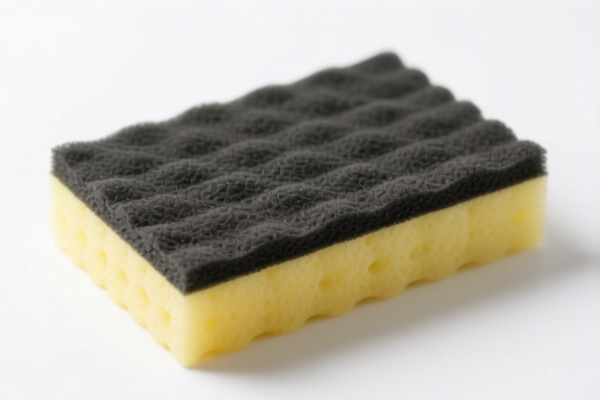
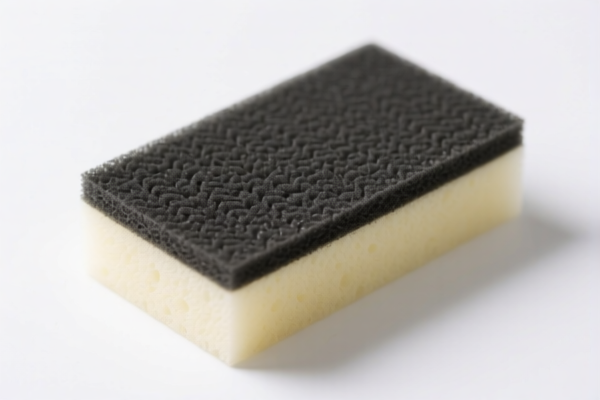
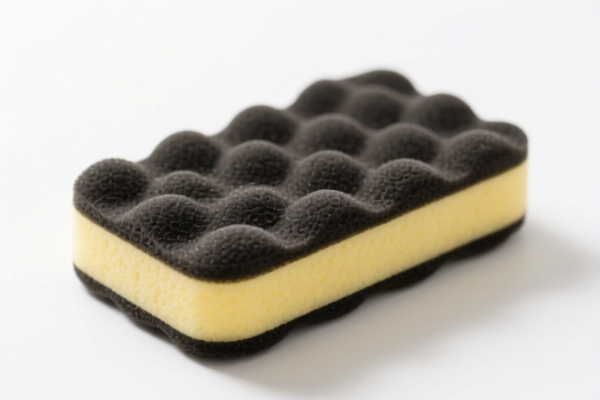
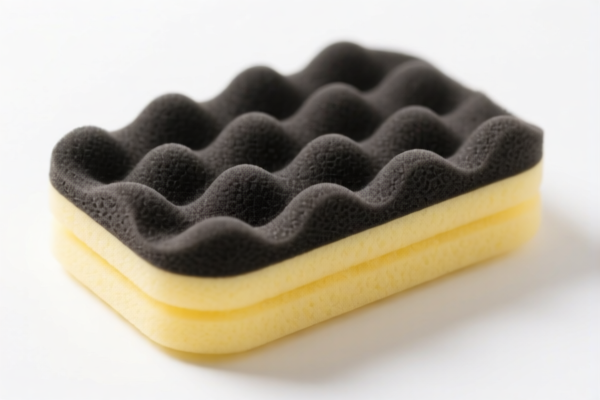
AI分析
🌀 Foam Curling Rod (Hair Styling Tool)
🌐 HS Code Reference & Customs Clearance Guide | 2026 Latest Tariff Analysis | Professional Clearance Strategy
📌 I. Product Definition & Classification: Do You Really Understand the "Foam Curling Rod"?
The Foam Curling Rod is a hair styling tool primarily used for creating curls in hair extensions, wigs, or natural hair. In international trade, its classification depends heavily on two factors: Material Composition and Functionality (Heated vs. Non-Heated).
Non-Heated Foam/Plastic Rods: Made of polyurethane foam or plastic, used for cold setting or wig styling. These are classified under hair/accessory goods or general plastic articles.
Heated Electric Rods: If the rod contains heating elements (even if the exterior is foam), it is classified as an electrical personal care appliance.
⚠️ Key Distinction Point:
- If it is purely foam/plastic with no electrical components → Classified under Chapter 67 (Wigs/Hair Goods) or Chapter 39 (Plastics).
- If it contains wiring/heating elements → Classified under Chapter 85 (Electrical Machinery).
- Misclassification Risk: Declaring an electric rod as a simple foam tool to avoid higher electrical tariffs is a common customs red flag.
📦 II. HS Code Classification Details (2026 Latest Tariff Authority Comparison)
Based on the provided data, here are the four possible classifications depending on the specific product attributes:
| HS Code | Product Description | Applicability Scenario | Key Characteristics |
|---|---|---|---|
6704.90.00.00 |
Other made-up hair goods; articles of human hair or other materials | Non-electric foam rollers used as accessories for wigs/hair extensions | ✅ Foam/Plastic material, Non-heated, Part of hair styling kits |
3926.90.99.89 |
Other articles of plastics and articles of other materials of headings 3901 to 3914 | Purely plastic/foam items not specifically listed elsewhere | ✅ Generic plastic foam product, No hair-specific function |
6704.19.00.00 |
Other made-up hair goods; articles of synthetic textile materials | Foam/Plastic rods classified under synthetic textile-based hair goods | ✅ Synthetic polymer material, Hair-tool specific |
8543.90.88.85 |
Electrical machines and apparatus, having individual functions, not specified elsewhere | Electrically Heated Curling Rods (even if housing is foam) | ❌ Contains heating element/electrical components |
🔍 Critical Reminder:
- If the product is non-electric, it should generally fall under Chapter 67 (6704) as a hair accessory/tool, which has a lower base tariff (0%) compared to general plastics.
- If the product is electric, it falls under Chapter 85 (8543), triggering significantly higher tariffs due to the "301 Tariffs" and "IEEPA" surcharges.
- Note: Even if the heating part is small, the presence of electricity shifts the classification entirely.
💰 III. 2026 Latest Tariff Rate Breakdown (Including Surtaxes & Policy Add-ons)
✅ Applicable Country: United States (US)
✅ Country of Origin: China (CN)
✅ Effective Time: November 10, 2025 onwards (including subsequent imports)
🎯 1. 6704.90.00.00 – Made-up Hair Goods / Foam Rods (Non-Electric)
| Item | Content |
|---|---|
| Base Tariff | 0% (ad valorem) |
| Section 301 Surtax | +7.5% (Standard Section 301 rate) |
| IEEPA Surcharge | +10% (China-specific surcharge) |
| Total Tariff Rate | 17.5% |
| Tax Calculation | CIF Value × 17.5% |
| De Minimis Eligibility | ❌ No (Denied under current USITC rules for Chinese goods subject to these surcharges) |
| Legal Basis Path | Section 301: 7.5% → IEEPA: 10% → HS: 6704.90.00.00 |
📌 Explanation:
- This is the most favorable rate for non-electric foam curling rods.
- The "0% base" comes from the Harmonized Tariff Schedule for hair goods.
- The total 17.5% is the sum of the standard trade war tariff (7.5%) and the specific IEEPA surcharge (10%).
🎯 2. 3926.90.99.89 – Other Plastic Articles (Generic)
| Item | Content |
|---|---|
| Base Tariff | 5.3% |
| Section 301 Surtax | +7.5% |
| IEEPA Surcharge | +10% |
| Total Tariff Rate | 22.8% |
| Tax Calculation | CIF Value × 22.8% |
| De Minimis Eligibility | ❌ No |
| Legal Basis Path | Base: 5.3% → Section 301: 7.5% → IEEPA: 10% → HS: 3926.90.99.89 |
📌 Explanation:
- If customs determines the product is a generic plastic foam item rather than a "hair good," it applies the higher base rate of 5.3%.
- The surcharges remain the same (17.5% total add-on), leading to a higher final rate of 22.8%.
- Risk: Declaring as "plastic article" when it's clearly a hair tool can lead to re-classification and penalties.
🎯 3. 6704.19.00.00 – Synthetic Hair Goods
| Item | Content |
|---|---|
| Base Tariff | 0% |
| Section 301 Surtax | +7.5% |
| IEEPA Surcharge | +10% |
| Total Tariff Rate | 17.5% |
| Tax Calculation | CIF Value × 17.5% |
| De Minimis Eligibility | ❌ No |
| Legal Basis Path | Section 301: 7.5% → IEEPA: 10% → HS: 6704.19.00.00 |
📌 Note:
- Similar to6704.90.00.00, this code also benefits from a 0% base rate.
- It applies if the foam/roller is considered a "synthetic textile material" article related to hair.
- Total Rate: 17.5%.
🎯 4. 8543.90.88.85 – Electrical Machinery/Apparatus (Heated Rods)
| Item | Content |
|---|---|
| Base Tariff | 0% |
| Section 301 Surtax | +25% (Higher tier for certain electrical goods) |
| IEEPA Surcharge | +10% |
| Section 232 (Steel/Alum) Surcharge | +50% (If containing steel/aluminum/copper components) |
| Total Tariff Rate | 85.0% (Standard Electrical) / 100%+ (If Metal Components Present) |
| Tax Calculation | CIF Value × 85.0% (Minimum) |
| De Minimis Eligibility | ❌ No |
| Legal Basis Path | Section 301: 25% → IEEPA: 10% → Section 232: 50% (if applicable) → HS: 8543.90.88.85 |
📌 CRITICAL WARNING:
- If your "Foam Curling Rod" has any electrical heating function, the tariff jumps dramatically.
- The "25% Section 301" applies to many electrical appliances.
- If the device contains steel, aluminum, or copper parts (e.g., internal heating coil, plug), Section 232 tariffs (50%) may apply, leading to a massive 85%–100%+ total tariff.
- Never declare an electric rod as a foam/plastic item to avoid this. Customs inspections (X-ray) easily detect heating elements.
🛠️ IV. Customs Clearance Practical Advice (Real-World Pitfall Guide)
✅ 1. Document Checklist (Must-Haves)
| Document | Required? | Description |
|---|---|---|
| ✅ Product Specifications | ✔️ | Must clearly state "Non-Electric" OR "Electric, Model XYZ" |
| ✅ Material Declaration | ✔️ | Specify "Polyurethane Foam" or "Plastic" for non-electric; "Heating Element Type" for electric |
| ✅ Product Photos | ✔️ | Clear images showing no cords/plugs for non-electric versions |
| ✅ Commercial Invoice | ✔️ | Must use precise description: "Foam Hair Rollers, Non-Electric" or "Electric Hair Curler" |
| ✅ Packing List | ✔️ | Item count, weight, dimensions |
| ✅ Certificate of Origin | ✔️ | To prove CN origin (triggers surcharges) |
✅ 2. Declaration Tips (Key Mantras)
🔥 "Non-Electric goes to 6704, Electric goes to 8543. Don't Mix!"
| Scenario | Correct Declaration | Wrong Action |
|---|---|---|
| Standard Foam Roller (No plug, no heat) | 6704.90.00.00 (17.5% Total) |
Declaring as 3926 (22.8%) → Overpaying |
| Electric Heated Wand (With cord) | 8543.90.88.85 (85%+ Total) |
Declaring as 6704 (17.5%) → SEIZURE & FINE |
| Set with Case (Foam rods + Case) | 6704.90.00.00 for rods, separate for case |
Combined value misdeclaration → Risk of audit |
✅ 3. Special Handling
| Situation | Recommendation |
|---|---|
| Mixed Shipment | If you ship both electric and non-electric items, declare them separately on the same invoice. Do not lump them together. |
| Customs Inquiry | If asked about "Foam," provide a material safety data sheet (MSDS) or factory declaration stating it is for cold styling only. |
| OEM Products | Ensure the brand name on the product matches the invoice. Discrepancies can lead to delays. |
🌍 V. Global Market Clearance Comparison (2026 Update)
| Region | Recommended HS Code (Non-Electric) | Est. Tariff (China Origin) | Notes |
|---|---|---|---|
| 🇺🇸 USA | 6704.90.00.00 |
17.5% (0% Base + 7.5% 301 + 10% IEEPA) | High compliance scrutiny. |
| 🇨🇳 China | 6704.90.00.00 |
~10-14% | Lower import duties, VAT applies. |
| 🇪🇺 EU | 6704.90.00.00 |
0% (Most Favored Nation) | No Section 301/IEEPA. Check VAT/Green Tax. |
| 🇬🇧 UK | 6704.90.00.00 |
0% | Post-Brexit rules apply. |
| 🇨🇦 Canada | 6704.90.00.00 |
0% | USMCA benefits may not apply to CN origin. |
📌 Conclusion:
- The US market is the most challenging due to the combination of Base Rate + Section 301 + IEEPA.
- Non-electric status is crucial to keeping tariffs at 17.5% instead of jumping to 22.8% or 85%+.
📌 VI. Common Mistakes & Pitfalls (Lessons Learned)
❌ Mistake 1: Declaring an electric heated curling rod as "Foam Hair Rollers" (6704)
👉 Consequence: Customs detects heating element → Re-classifies to 8543 → Back taxes + Penalties + Seizure.
❌ Mistake 2: Declaring non-electric rods as "Plastic Articles" (3926)
👉 Consequence: Unnecessary 5.3% base tariff increase → Total rate 22.8% instead of 17.5%. Wasted money.
❌ Mistake 3: Vague Description ("Hair Tool")
👉 Consequence: Customs delays for classification review → Holds at port, demurrage charges.
✅ Correct Approach:
"Foam Hair Rollers, Non-Electric, Polyurethane Material, for Cosmetic Use Only"
HS Code:6704.90.00.00
🎯 VII. Conclusion: Precision in Classification Saves Money!
🎯 Remember the Mantra:
🔹 "No Wire? 6704 is King (17.5%)."
🔹 "Wire? 8543 is Pain (85%+)."
🔹 "Plastic? 3926 is Extra Cost (22.8%)."
🔹 "Don't Hide Electricity!"
📌 Pro Tip:
If you are importing non-electric foam curling rods, ensure your supplier provides a Letter of Non-Electrical Function to support the 6704 classification in case of customs audit.
For electric versions, budget for 85%+ duty or consider sourcing from non-Chinese countries if possible to mitigate IEEPA/Section 301 risks.
📣 Immediate Action:
📞 Consult your customs broker with photos of the product.
🚀 Classify accurately to avoid surprise tariffs at the border.
✨ Clear Goods Smoothly, Maximize Profits!
✨ Professional Customs Clearance Starts with Accurate Classification!
💼 Every percentage point of tariff difference impacts your bottom line!
用户评价
关于 HS 编码归类
协调制度(HS)是由世界海关组织(WCO)制定的国际贸易商品分类标准。全球 200 多个国家采用 HS 系统作为海关关税、贸易统计和进出口监管的基础。
每个 HS 编码遵循以下层级结构:
- 章(2 位)——商品大类(例如:第 84 章:机器和机械设备)
- 品目(4 位)——章内的更具体分类
- 子目(6 位)——国际通用细分,所有 WCO 成员国统一使用
- 本国细分(8-10 位)——各国自行扩展的细分编码,如美国 HTSUS 10 位编码
正确的 HS 编码归类对于顺利通关、准确缴纳关税和遵守贸易法规至关重要。错误归类可能导致海关延误、多缴关税或罚款。
从CN进口到US时,适用的关税税率可能包括:
- 最惠国(MFN)税率——适用于 WTO 成员国的标准关税税率
- 普通税率——适用于无贸易协定国家
- 贸易救济关税——附加关税,如 301 条款(反倾销)、232 条款(国家安全)或反补贴税
本页内容仅供参考。如需正式归类,请咨询当地海关或持牌报关代理。