Foam Curling Rod
CN → US| HS Code | Tariff Rate | Origin | Destination | Doc |
|---|---|---|---|---|
| 6704190000 | 17.5% | CN | US | Official Doc |
| 6704900000 | 17.5% | CN | US | Official Doc |
| 3926909989 | 22.8% | CN | US | Official Doc |
| 8543908885 | 85.0% | CN | US | Official Doc |
Product Images
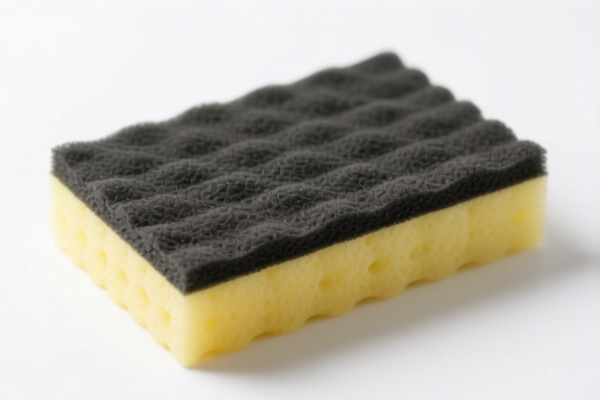
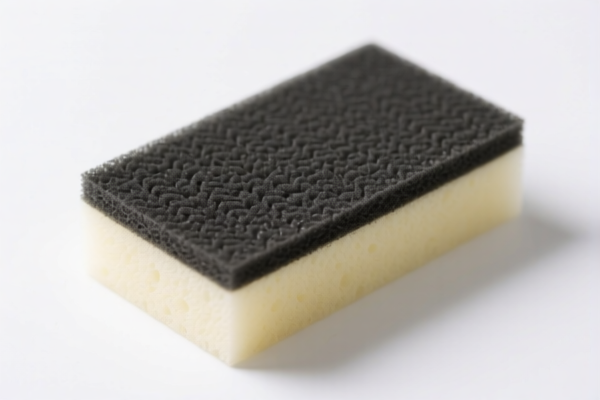
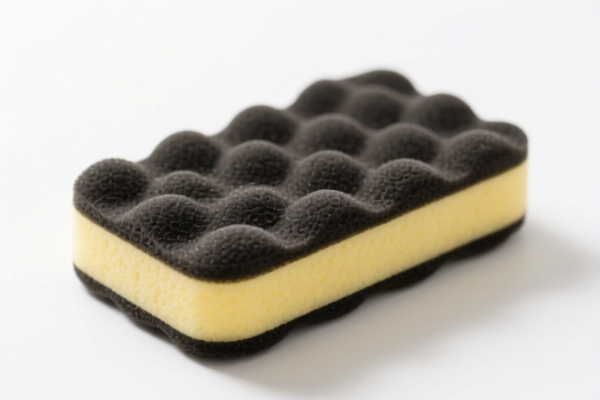
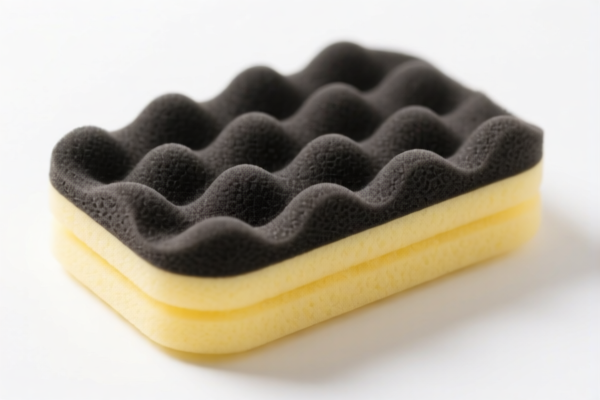
AI Analysis
🌀 Foam Curling Rod (Hair Styling Tool)
🌐 HS Code Reference & Customs Clearance Guide | 2026 Latest Tariff Analysis | Professional Clearance Strategy
📌 I. Product Definition & Classification: Do You Really Understand the "Foam Curling Rod"?
The Foam Curling Rod is a hair styling tool primarily used for creating curls in hair extensions, wigs, or natural hair. In international trade, its classification depends heavily on two factors: Material Composition and Functionality (Heated vs. Non-Heated).
Non-Heated Foam/Plastic Rods: Made of polyurethane foam or plastic, used for cold setting or wig styling. These are classified under hair/accessory goods or general plastic articles.
Heated Electric Rods: If the rod contains heating elements (even if the exterior is foam), it is classified as an electrical personal care appliance.
⚠️ Key Distinction Point:
- If it is purely foam/plastic with no electrical components → Classified under Chapter 67 (Wigs/Hair Goods) or Chapter 39 (Plastics).
- If it contains wiring/heating elements → Classified under Chapter 85 (Electrical Machinery).
- Misclassification Risk: Declaring an electric rod as a simple foam tool to avoid higher electrical tariffs is a common customs red flag.
📦 II. HS Code Classification Details (2026 Latest Tariff Authority Comparison)
Based on the provided data, here are the four possible classifications depending on the specific product attributes:
| HS Code | Product Description | Applicability Scenario | Key Characteristics |
|---|---|---|---|
6704.90.00.00 |
Other made-up hair goods; articles of human hair or other materials | Non-electric foam rollers used as accessories for wigs/hair extensions | ✅ Foam/Plastic material, Non-heated, Part of hair styling kits |
3926.90.99.89 |
Other articles of plastics and articles of other materials of headings 3901 to 3914 | Purely plastic/foam items not specifically listed elsewhere | ✅ Generic plastic foam product, No hair-specific function |
6704.19.00.00 |
Other made-up hair goods; articles of synthetic textile materials | Foam/Plastic rods classified under synthetic textile-based hair goods | ✅ Synthetic polymer material, Hair-tool specific |
8543.90.88.85 |
Electrical machines and apparatus, having individual functions, not specified elsewhere | Electrically Heated Curling Rods (even if housing is foam) | ❌ Contains heating element/electrical components |
🔍 Critical Reminder:
- If the product is non-electric, it should generally fall under Chapter 67 (6704) as a hair accessory/tool, which has a lower base tariff (0%) compared to general plastics.
- If the product is electric, it falls under Chapter 85 (8543), triggering significantly higher tariffs due to the "301 Tariffs" and "IEEPA" surcharges.
- Note: Even if the heating part is small, the presence of electricity shifts the classification entirely.
💰 III. 2026 Latest Tariff Rate Breakdown (Including Surtaxes & Policy Add-ons)
✅ Applicable Country: United States (US)
✅ Country of Origin: China (CN)
✅ Effective Time: November 10, 2025 onwards (including subsequent imports)
🎯 1. 6704.90.00.00 – Made-up Hair Goods / Foam Rods (Non-Electric)
| Item | Content |
|---|---|
| Base Tariff | 0% (ad valorem) |
| Section 301 Surtax | +7.5% (Standard Section 301 rate) |
| IEEPA Surcharge | +10% (China-specific surcharge) |
| Total Tariff Rate | 17.5% |
| Tax Calculation | CIF Value × 17.5% |
| De Minimis Eligibility | ❌ No (Denied under current USITC rules for Chinese goods subject to these surcharges) |
| Legal Basis Path | Section 301: 7.5% → IEEPA: 10% → HS: 6704.90.00.00 |
📌 Explanation:
- This is the most favorable rate for non-electric foam curling rods.
- The "0% base" comes from the Harmonized Tariff Schedule for hair goods.
- The total 17.5% is the sum of the standard trade war tariff (7.5%) and the specific IEEPA surcharge (10%).
🎯 2. 3926.90.99.89 – Other Plastic Articles (Generic)
| Item | Content |
|---|---|
| Base Tariff | 5.3% |
| Section 301 Surtax | +7.5% |
| IEEPA Surcharge | +10% |
| Total Tariff Rate | 22.8% |
| Tax Calculation | CIF Value × 22.8% |
| De Minimis Eligibility | ❌ No |
| Legal Basis Path | Base: 5.3% → Section 301: 7.5% → IEEPA: 10% → HS: 3926.90.99.89 |
📌 Explanation:
- If customs determines the product is a generic plastic foam item rather than a "hair good," it applies the higher base rate of 5.3%.
- The surcharges remain the same (17.5% total add-on), leading to a higher final rate of 22.8%.
- Risk: Declaring as "plastic article" when it's clearly a hair tool can lead to re-classification and penalties.
🎯 3. 6704.19.00.00 – Synthetic Hair Goods
| Item | Content |
|---|---|
| Base Tariff | 0% |
| Section 301 Surtax | +7.5% |
| IEEPA Surcharge | +10% |
| Total Tariff Rate | 17.5% |
| Tax Calculation | CIF Value × 17.5% |
| De Minimis Eligibility | ❌ No |
| Legal Basis Path | Section 301: 7.5% → IEEPA: 10% → HS: 6704.19.00.00 |
📌 Note:
- Similar to6704.90.00.00, this code also benefits from a 0% base rate.
- It applies if the foam/roller is considered a "synthetic textile material" article related to hair.
- Total Rate: 17.5%.
🎯 4. 8543.90.88.85 – Electrical Machinery/Apparatus (Heated Rods)
| Item | Content |
|---|---|
| Base Tariff | 0% |
| Section 301 Surtax | +25% (Higher tier for certain electrical goods) |
| IEEPA Surcharge | +10% |
| Section 232 (Steel/Alum) Surcharge | +50% (If containing steel/aluminum/copper components) |
| Total Tariff Rate | 85.0% (Standard Electrical) / 100%+ (If Metal Components Present) |
| Tax Calculation | CIF Value × 85.0% (Minimum) |
| De Minimis Eligibility | ❌ No |
| Legal Basis Path | Section 301: 25% → IEEPA: 10% → Section 232: 50% (if applicable) → HS: 8543.90.88.85 |
📌 CRITICAL WARNING:
- If your "Foam Curling Rod" has any electrical heating function, the tariff jumps dramatically.
- The "25% Section 301" applies to many electrical appliances.
- If the device contains steel, aluminum, or copper parts (e.g., internal heating coil, plug), Section 232 tariffs (50%) may apply, leading to a massive 85%–100%+ total tariff.
- Never declare an electric rod as a foam/plastic item to avoid this. Customs inspections (X-ray) easily detect heating elements.
🛠️ IV. Customs Clearance Practical Advice (Real-World Pitfall Guide)
✅ 1. Document Checklist (Must-Haves)
| Document | Required? | Description |
|---|---|---|
| ✅ Product Specifications | ✔️ | Must clearly state "Non-Electric" OR "Electric, Model XYZ" |
| ✅ Material Declaration | ✔️ | Specify "Polyurethane Foam" or "Plastic" for non-electric; "Heating Element Type" for electric |
| ✅ Product Photos | ✔️ | Clear images showing no cords/plugs for non-electric versions |
| ✅ Commercial Invoice | ✔️ | Must use precise description: "Foam Hair Rollers, Non-Electric" or "Electric Hair Curler" |
| ✅ Packing List | ✔️ | Item count, weight, dimensions |
| ✅ Certificate of Origin | ✔️ | To prove CN origin (triggers surcharges) |
✅ 2. Declaration Tips (Key Mantras)
🔥 "Non-Electric goes to 6704, Electric goes to 8543. Don't Mix!"
| Scenario | Correct Declaration | Wrong Action |
|---|---|---|
| Standard Foam Roller (No plug, no heat) | 6704.90.00.00 (17.5% Total) |
Declaring as 3926 (22.8%) → Overpaying |
| Electric Heated Wand (With cord) | 8543.90.88.85 (85%+ Total) |
Declaring as 6704 (17.5%) → SEIZURE & FINE |
| Set with Case (Foam rods + Case) | 6704.90.00.00 for rods, separate for case |
Combined value misdeclaration → Risk of audit |
✅ 3. Special Handling
| Situation | Recommendation |
|---|---|
| Mixed Shipment | If you ship both electric and non-electric items, declare them separately on the same invoice. Do not lump them together. |
| Customs Inquiry | If asked about "Foam," provide a material safety data sheet (MSDS) or factory declaration stating it is for cold styling only. |
| OEM Products | Ensure the brand name on the product matches the invoice. Discrepancies can lead to delays. |
🌍 V. Global Market Clearance Comparison (2026 Update)
| Region | Recommended HS Code (Non-Electric) | Est. Tariff (China Origin) | Notes |
|---|---|---|---|
| 🇺🇸 USA | 6704.90.00.00 |
17.5% (0% Base + 7.5% 301 + 10% IEEPA) | High compliance scrutiny. |
| 🇨🇳 China | 6704.90.00.00 |
~10-14% | Lower import duties, VAT applies. |
| 🇪🇺 EU | 6704.90.00.00 |
0% (Most Favored Nation) | No Section 301/IEEPA. Check VAT/Green Tax. |
| 🇬🇧 UK | 6704.90.00.00 |
0% | Post-Brexit rules apply. |
| 🇨🇦 Canada | 6704.90.00.00 |
0% | USMCA benefits may not apply to CN origin. |
📌 Conclusion:
- The US market is the most challenging due to the combination of Base Rate + Section 301 + IEEPA.
- Non-electric status is crucial to keeping tariffs at 17.5% instead of jumping to 22.8% or 85%+.
📌 VI. Common Mistakes & Pitfalls (Lessons Learned)
❌ Mistake 1: Declaring an electric heated curling rod as "Foam Hair Rollers" (6704)
👉 Consequence: Customs detects heating element → Re-classifies to 8543 → Back taxes + Penalties + Seizure.
❌ Mistake 2: Declaring non-electric rods as "Plastic Articles" (3926)
👉 Consequence: Unnecessary 5.3% base tariff increase → Total rate 22.8% instead of 17.5%. Wasted money.
❌ Mistake 3: Vague Description ("Hair Tool")
👉 Consequence: Customs delays for classification review → Holds at port, demurrage charges.
✅ Correct Approach:
"Foam Hair Rollers, Non-Electric, Polyurethane Material, for Cosmetic Use Only"
HS Code:6704.90.00.00
🎯 VII. Conclusion: Precision in Classification Saves Money!
🎯 Remember the Mantra:
🔹 "No Wire? 6704 is King (17.5%)."
🔹 "Wire? 8543 is Pain (85%+)."
🔹 "Plastic? 3926 is Extra Cost (22.8%)."
🔹 "Don't Hide Electricity!"
📌 Pro Tip:
If you are importing non-electric foam curling rods, ensure your supplier provides a Letter of Non-Electrical Function to support the 6704 classification in case of customs audit.
For electric versions, budget for 85%+ duty or consider sourcing from non-Chinese countries if possible to mitigate IEEPA/Section 301 risks.
📣 Immediate Action:
📞 Consult your customs broker with photos of the product.
🚀 Classify accurately to avoid surprise tariffs at the border.
✨ Clear Goods Smoothly, Maximize Profits!
✨ Professional Customs Clearance Starts with Accurate Classification!
💼 Every percentage point of tariff difference impacts your bottom line!
Customer Reviews
About HS Code Classification
The Harmonized System (HS) is an internationally standardized nomenclature developed by the World Customs Organization (WCO) to classify traded products. Over 200 countries use the HS system as the basis for customs tariffs, trade statistics, and import/export regulations.
Each HS code follows a hierarchical structure:
- Chapter (2 digits) — Broad category of goods (e.g., Chapter 84: Machinery and Mechanical Appliances)
- Heading (4 digits) — More specific grouping within the chapter
- Subheading (6 digits) — Internationally standardized breakdown, used by all WCO member countries
- National subdivisions (8-10 digits) — Country-specific extensions for further classification, such as US HTSUS 10-digit codes
Correct HS code classification is essential for smooth customs clearance, accurate duty payment, and compliance with trade regulations. Misclassification can lead to customs delays, overpayment of duties, or penalties.
When importing from CN to US, the applicable tariff rates may include:
- Most-Favored-Nation (MFN) rate — The standard duty rate applied to WTO members
- General rate — Applied to countries without trade agreements
- Trade remedy duties — Additional tariffs such as Section 301 (anti-dumping), Section 232 (national security), or countervailing duties
The information provided on this page is for reference purposes only. For official classification, please consult with your local customs authority or a licensed customs broker.