Foamed Synthetic Rubber
CN → US| HS编码 | 关税税率 | 原产国 | 目的国 | 文档 |
|---|---|---|---|---|
| 4006901000 | 35.0% | CN | US | 官方文档 |
| 4008111000 | 35.0% | CN | US | 官方文档 |
| 4008115000 | 38.3% | CN | US | 官方文档 |
| 4006905000 | 37.7% | CN | US | 官方文档 |
| 4016100000 | 35.0% | CN | US | 官方文档 |
商品图片
AI分析
🛢️ Foamed Synthetic Rubber Sheets & Bars (橡胶泡沫板/条)
🌐 HS Code Reference & Customs Clearance Guide | 2026 Latest Tariff Analysis | Professional Clearance Strategy
📌 I. Product Definition & Classification: Do You Really Understand "Foamed Synthetic Rubber"?
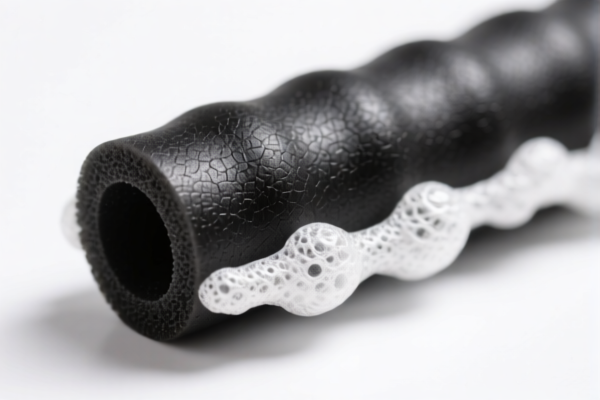
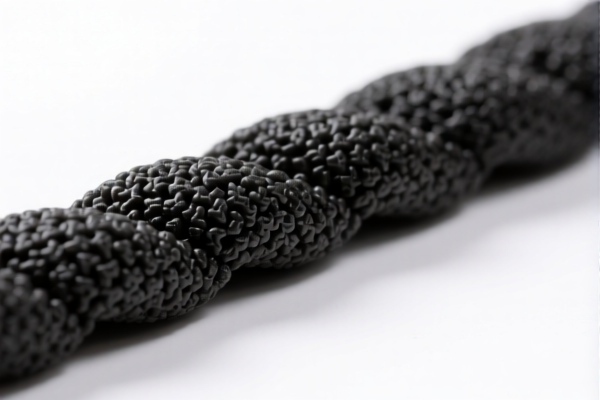
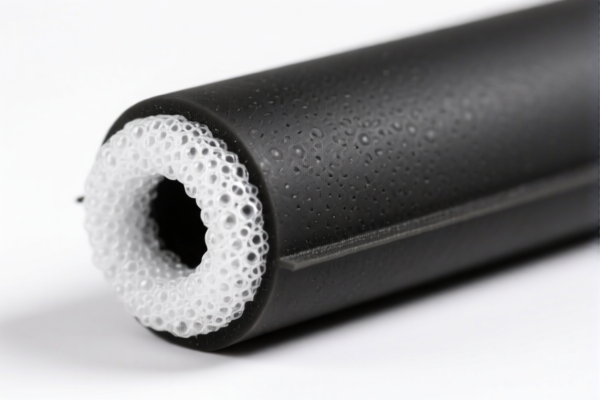
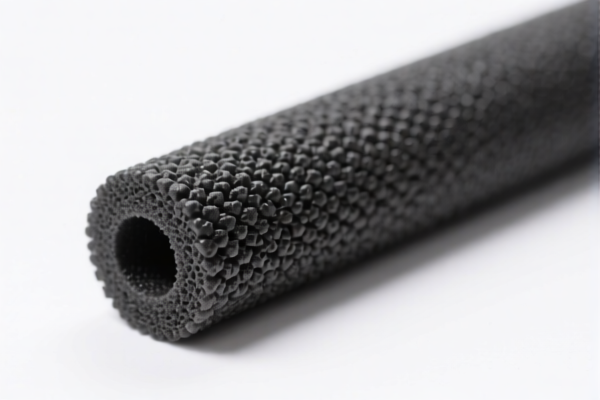
Foamed Synthetic Rubber refers to rubber products that have been expanded to create a cellular structure (pores), resulting in lighter weight, better cushioning, and sound insulation properties. In international trade, classification depends heavily on three core factors: 1. State of Vulcanization: Is it Vulcanized (硫化) or Non-Vulcanized (未硫化)? 2. Shape/Form: Is it a Plate/Slab (板) or a Bar/Strip (条)? 3. Material Type: Is it natural rubber or synthetic rubber?
⚠️ Critical Distinction Point:
- If the rubber is Not Vulcanized (raw state): It falls under Chapter 40.06 or 40.08 specific subsets.
- If the rubber is Vulcanized (processed/fixed state): It falls under Chapter 40.16 or 40.08 specific subsets.
- Misclassification Risk: Declaring a vulcanized foam sheet as "non-vulcanized" can lead to severe penalties for false declaration, as the tax rates and regulatory requirements differ significantly.
📦 II. HS Code Classification Details (2026 Latest Tariff Authority Comparison)
Based on the provided data, here are the valid HS Codes for Foamed Synthetic Rubber:
| HS Code | Product Description | Form | State of Vulcanization | Tax Detail Breakdown |
|---|---|---|---|---|
4006.90.10.00 |
Rubber foam board, material is rubber, shape is plate-like, fits "other shapes and articles of unvulcanized rubber" | Plate/Slab | Non-Vulcanized | Base: 0% + Add-on: 25% + 122 Clauses: 10% = 35.0% |
4008.11.10.00 |
Rubber foam board, shape is plate, material is rubber, fits core elements of classification explanation | Plate/Slab | Non-Vulcanized | Base: 0% + Add-on: 25% + 122 Clauses: 10% = 35.0% |
4008.11.50.00 |
Rubber foam board, "Rubber" matches material, "Foam" matches category, "Plate" matches form, fits definition of vulcanized rubber foam board | Plate/Slab | Vulcanized | Base: 3.3% + Add-on: 25% + 122 Clauses: 10% = 38.3% |
4006.90.50.00 |
Rubber foam board, material is rubber, shape is plate, belongs to "other shapes and articles of unvulcanized rubber" | Plate/Slab | Non-Vulcanized | Base: 2.7% + Add-on: 25% + 122 Clauses: 10% = 37.7% |
4016.10.00.00 |
Rubber foam bar, material is rubber, shape is bar, fits vulcanized rubber articles (cellular rubber products category) | Bar/Strip | Vulcanized | Base: 0% + Add-on: 25% + 122 Clauses: 10% = 35.0% |
🔍 Key Reminder:
- Non-Vulcanized (未硫化) products generally have 0% or low base tariffs but still face high additional taxes.
- Vulcanized (硫化) products may have a base tariff (e.g., 3.3%) but are classified under specific "finished article" codes like4016or4008.11.50.
- The shape (Plate vs. Bar) significantly impacts the final HS Code selection (e.g.,4008for plates vs.4016for bars).
💰 III. 2026 Latest Tariff Rate Detailed Explanation (Including Additional Taxes, Policy Add-ons)
✅ Applicable Country: United States (US)
✅ Origin: China (CN)
✅ Effective Date: From November 10, 2025 (including subsequent imports)
🎯 1. 4006.90.10.00 & 4008.11.10.00 —— Rubber Foam Board (Non-Vulcanized)
| Item | Content |
|---|---|
| Base Tariff Rate | 0.0% (ad valorem) |
| USITC Additional Tariff | +25.0% (From USITC Footnote / Section 301) |
| 122 Clause Tariff (IEEPA) | +10.0% (Targeting China/HK products, effective from Nov 10, 2025) |
| Total Tariff Rate | 35.0% |
| Tax Calculation | CIF Value × 35% |
| De Minimis Eligibility | ❌ Not Eligible (deny_de_minimis) |
| Legal Basis Path | USITC:4006.90.10.00 → FOOTNOTE:301 → IEEPA:122_Clause |
📌 Explanation:
- The 25% additional tariff is from Section 301 of the Trade Act.
- The 10% is the new "122 Clause" tariff targeting specific Chinese imports.
- Total 35% applies to these non-vulcanized foam board classifications.
- No base tax is applied, but the add-ons make it expensive.
🎯 2. 4006.90.50.00 —— Rubber Foam Board (Non-Vulcanized, Other)
| Item | Content |
|---|---|
| Base Tariff Rate | 2.7% |
| USITC Additional Tariff | +25.0% |
| 122 Clause Tariff (IEEPA) | +10.0% |
| Total Tariff Rate | 37.7% |
| Tax Calculation | CIF Value × 37.7% |
| De Minimis Eligibility | ❌ Not Eligible |
| Legal Basis Path | USITC:4006.90.50.00 → FOOTNOTE:301 → IEEPA:122_Clause |
📌 Note:
- This code is a subset of "other shapes" for non-vulcanized rubber.
- It incurs a 2.7% base tax, making the total 2.7% higher than4006.90.10.00.
- Careful selection of the exact sub-heading is crucial to avoid overpaying.
🎯 3. 4008.11.50.00 —— Rubber Foam Board (Vulcanized)
| Item | Content |
|---|---|
| Base Tariff Rate | 3.3% |
| USITC Additional Tariff | +25.0% |
| 122 Clause Tariff (IEEPA) | +10.0% |
| Total Tariff Rate | 38.3% |
| Tax Calculation | CIF Value × 38.3% |
| De Minimis Eligibility | ❌ Not Eligible |
| Legal Basis Path | USITC:4008.11.50.00 → FOOTNOTE:301 → IEEPA:122_Clause |
📌 Critical Warning:
- This is the highest tariff among the board options.
- It applies to Vulcanized rubber foam boards.
- If your product is vulcanized, you cannot use the non-vulcanized codes (4006) to claim lower taxes; doing so is customs fraud.
🎯 4. 4016.10.00.00 —— Rubber Foam Bar (Vulcanized)
| Item | Content |
|---|---|
| Base Tariff Rate | 0.0% |
| USITC Additional Tariff | +25.0% |
| 122 Clause Tariff (IEEPA) | +10.0% |
| Total Tariff Rate | 35.0% |
| Tax Calculation | CIF Value × 35.0% |
| De Minimis Eligibility | ❌ Not Eligible |
| Legal Basis Path | USITC:4016.10.00.00 → FOOTNOTE:301 → IEEPA:122_Clause |
📌 Note:
- Foam Bars/Strips (条) are classified differently from Foam Boards (板).
-4016.10.00.00covers "Other articles of cellular rubber".
- Tariff Advantage: Similar to non-vulcanized boards (35%), but technically distinct because it is Vulcanized yet has a 0% base rate.
- Ensure the product is indeed a Bar/Strip and not a Plate.
🛠️ IV. Customs Clearance Practical Advice (Battle-Tested Pitfall Guide)
✅ 1. Preparation Checklist (Mandatory)
| Document | Mandatory? | Description |
|---|---|---|
| ✅ Product Specifications | ✔️ | Must specify: Material (Synthetic/Natural), State (Vulcanized/Non-Vulcanized), Shape (Board/Bar), Density. |
| ✅ Photos (Clear & Detailed) | ✔️ | Show cross-section (to prove foamed structure), overall shape, and labels. |
| ✅ Commercial Invoice | ✔️ | Accurate description: "Synthetic Rubber Foam Board, Vulcanized, 10mm Thickness". |
| ✅ Packing List | ✔️ | Detail net/gross weight, dimensions. |
| ✅ Certificate of Origin (CO) | ✔️ | Required for tariff calculation. |
| ✅ Test Reports | ✔️ | Material composition report proving it is "Synthetic Rubber". |
✅ 2. Declaration Tips (Key Mnemonic)
🔥 "Shape Matters, State Determines Tax, Don't Mix Board with Bar!"
| Scenario | Correct Declaration | Wrong Practice |
|---|---|---|
| Vulcanized Foam Board | 4008.11.50.00 (38.3%) |
Misdeclare as Non-Vulcanized → Fraud/Seizure |
| Non-Vulcanized Foam Board | 4006.90.10.00 (35.0%) |
Misdeclare as Vulcanized → Overpay 3.3% |
| Vulcanized Foam Bar/Strip | 4016.10.00.00 (35.0%) |
Declare as Board → Wrong Code |
| Cellular Rubber Parts | 4016.99.00.00 (if other) |
Generic "Rubber Product" → High Risk |
✅ 3. Special Handling Cases
| Situation | Handling Advice |
|---|---|
| Mixed Shapes in One Shipment | Split Declaration. Declare Boards under 4008/4006 and Bars under 4016. Do not lump them together. |
| OEM Custom Foam | Provide design drawings showing the exact shape (Plate vs. Bar) and vulcanization process. |
| High Density vs. Low Density | Density does not change HS Code but must be declared accurately for duty valuation. |
| Origin Tracing | Ensure the synthetic rubber raw material origin is clear to avoid dual-origin disputes. |
🌍 V. Global Market Customs Comparison (2026 Latest)
| Country/Region | Recommended HS Code | Tariff (China Origin) | Certification | Notes |
|---|---|---|---|---|
| 🇺🇸 USA | 4006.90.10.00 / 4016.10.00.00 |
35.0% - 38.3% | None specific | High Tariff due to 301 + 122 Clause |
| 🇨🇳 China | 4006.90.10.00 |
~0% - 5% | CCC (if applicable) | Low import tariff for raw/semi-finished |
| 🇪🇺 EU | 4008.11.50 |
0% - 3% | REACH (Chemicals) | No Section 301 equivalent, but REACH strict |
| 🇦🇺 Australia | 4006.90.10.00 |
5% | TGA (if medical) | Standard FTAs may apply |
📌 Conclusion:
- USA is the most challenging market due to the叠加 (stacking) of 301 tariffs (25%) and 122 Clause tariffs (10%).
- Total tariff burden of 35-38% significantly impacts profit margins.
- Europe and Asia are more favorable from a tariff perspective.
📌 VI. Common Mistakes & Pitfall Guide (Blood-Stained Lessons)
❌ Mistake 1: Declaring Vulcanized foam as Non-Vulcanized
👉 Consequence: Customs will reject the declaration, impose fines, and potentially seize goods. The HS Code logic is rigid based on vulcanization state.
❌ Mistake 2: Using "Rubber Sheet" for a Foamed Product
👉 Consequence: Misclassification. Foamed rubber has different physical properties and tax implications than solid rubber sheets (4008.11.90 etc.).
❌ Mistake 3: Ignoring the 122 Clause
👉 Consequence: Many importers only account for the 25% Section 301 tariff. The additional 10% (effective Nov 2025) is new and mandatory. Total cost is 35%, not 25%.
❌ Mistake 4: Confusing Board (板) with Bar (条)
👉 Consequence: Wrong HS Code (4008 vs 4016). While rates might be similar, it triggers customs audits for inconsistency.
✅ Correct Practice:
"Synthetic Rubber Foam Board, Vulcanized, Closed Cell, Thickness: 10mm, Width: 1m, Length: 10m, Model: X100, Origin: China"
🎯 VII. Conclusion: Professional Declaration, Save Time, Reduce Costs!
🎯 Remember the Mnemonic:
🔹 "Vulcanized or Not, State is Key; Board vs. Bar, Shape is King; 25% + 10%, Total 35%+; Don't Guess, Verify!"
🔹 "HS Code decides tax, 3% base tax difference, 3% is 3% more cost; Declaration precision saves thousands!"
📌 Pro Tip:
If your synthetic rubber is sourced from Vietnam, Mexico, or Thailand, you may avoid IEEPA/301 tariffs.
Consider supply chain restructuring to leverage Free Trade Agreements (FTAs).
For high-volume imports, apply for an Advance Ruling (Pre-classification) from US Customs (CBP) to avoid post-entry audits.
📣 Immediate Action:
📞 Consult a licensed Customs Broker + Provide Product Photos + Verify Vulcanization Status
🚀 Let your rubber products clear smoothly, efficiently, and profitably!
✨ Professional Customs Clearance Starts with Accurate Classification!
💼 Every cent of cost deserves precise calculation!
用户评价
关于 HS 编码归类
协调制度(HS)是由世界海关组织(WCO)制定的国际贸易商品分类标准。全球 200 多个国家采用 HS 系统作为海关关税、贸易统计和进出口监管的基础。
每个 HS 编码遵循以下层级结构:
- 章(2 位)——商品大类(例如:第 84 章:机器和机械设备)
- 品目(4 位)——章内的更具体分类
- 子目(6 位)——国际通用细分,所有 WCO 成员国统一使用
- 本国细分(8-10 位)——各国自行扩展的细分编码,如美国 HTSUS 10 位编码
正确的 HS 编码归类对于顺利通关、准确缴纳关税和遵守贸易法规至关重要。错误归类可能导致海关延误、多缴关税或罚款。
从CN进口到US时,适用的关税税率可能包括:
- 最惠国(MFN)税率——适用于 WTO 成员国的标准关税税率
- 普通税率——适用于无贸易协定国家
- 贸易救济关税——附加关税,如 301 条款(反倾销)、232 条款(国家安全)或反补贴税
本页内容仅供参考。如需正式归类,请咨询当地海关或持牌报关代理。