Foldable Dirty Clothes Storage Basket
CN → US| HS编码 | 关税税率 | 原产国 | 目的国 | 文档 |
|---|---|---|---|---|
| 3926909989 | 22.8% | CN | US | 官方文档 |
| 4602191800 | 39.5% | CN | US | 官方文档 |
| 4602110900 | 45.0% | CN | US | 官方文档 |
| 3926907500 | 14.2% | CN | US | 官方文档 |
| 4602191800 | 39.5% | CN | US | 官方文档 |
商品图片
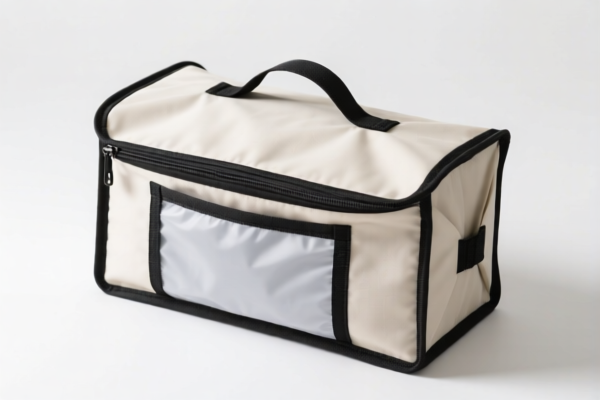
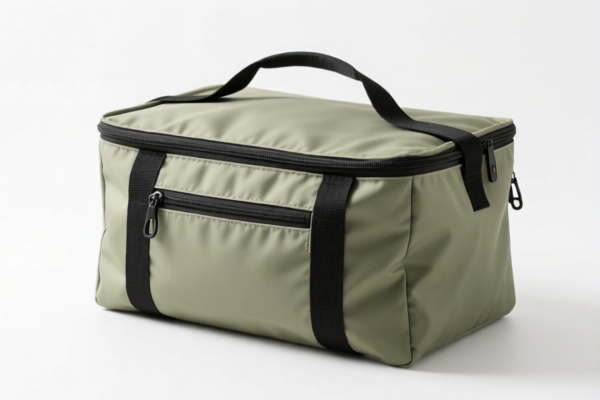
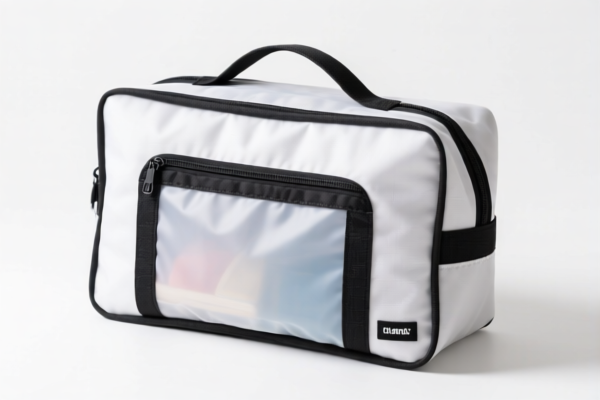
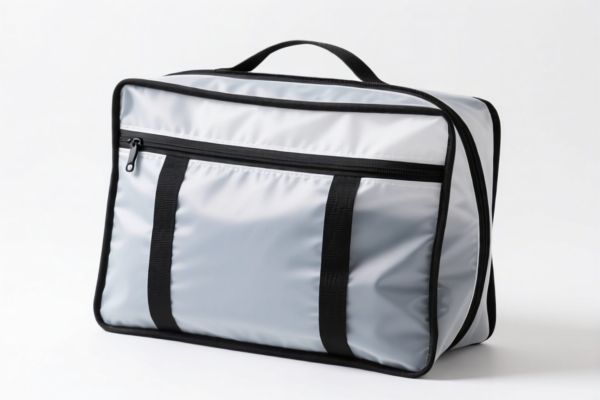
AI分析
🧺 Foldable Dirty Clothes Storage Basket (Laundry Hamper)
🌐 HS Code Reference & Customs Clearance Guide | 2026 Latest Tariff Analysis | Professional Clearance Strategy
📌 I. Product Definition & Classification: Do You Really Understand "Laundry Baskets"?
A "Foldable Dirty Clothes Storage Basket" is a household item used for sorting or storing soiled laundry. In international trade, its classification depends strictly on material composition and structural design. It falls into two main categories:
Plastic-Based Baskets: Made primarily from polymers (PP, PE, etc.), regardless of whether they are foldable. Classified under Chapter 39. Plant-Based/Weaved Baskets: Made from bamboo, rattan, grass, or other plant fibers, often structured as woven containers. Classified under Chapter 46.
⚠️ Key Distinction Point:
- If made of Plastic → Look at HS Code 3926.
- If made of Bamboo/Rattan/Grass → Look at HS Code 4602.
- Note: "Foldable" does not change the fundamental material classification but may influence specific sub-category descriptions in some jurisdictions.
📦 II. HS Code Classification Details (2026 Latest Tariff Authority Mapping)
Based on the provided data, here are the precise HS Codes applicable to "Foldable Dirty Clothes Storage Baskets":
| HS Code | Product Description | Material | Tax Rate | Tax Breakdown |
|---|---|---|---|---|
3926.90.99.89 |
Plastic dirty clothes basket, classified as other unlisted plastic articles | Plastic | 22.8% | Base: 5.3% + Section 301: 7.5% + Section 122: 10% |
4602.19.18.00 |
Basket made of plant materials (bamboo, rattan, grass) for storing dirty clothes; includes foldable types | Plant Fiber | 39.5% | Base: 4.5% + Section 301: 25.0% + Section 122: 10% |
4602.11.09.00 |
Bamboo or other plant fiber baskets, classified as basketware | Bamboo/Plant Fiber | 45.0% | Base: 10.0% + Section 301: 25.0% + Section 122: 10% |
3926.90.75.00 |
Household plastic articles, other plastic products | Plastic | 14.2% | Base: 4.2% + Section 301: 0.0% + Section 122: 10% |
🔍 Important Note:
- Section 122 Tariff (10%): This is a consistent additional tariff applied to these consumer goods, likely related to specific trade enforcement measures. - Section 301 Tariff: Varies significantly between plastic (7.5% or 0%) and plant-based materials (25% or 0%), depending on the specific sub-heading. - Plant vs. Plastic: Plastic baskets generally have lower total tariffs (14.2%-22.8%) compared to bamboo/plant baskets (39.5%-45.0%).
💰 III. 2026 Latest Tariff Rate Details (Including Additional Taxes)
✅ Applicable Country: United States (US)
✅ Origin: China (CN)
✅ 生效时间: Current effective rates as per provided data
🎯 1. 3926.90.99.89 —— Plastic Dirty Clothes Basket (Unlisted Plastic Articles)
| Item | Detail |
|---|---|
| Product Summary | Plastic materials, unlisted other plastic products |
| Total Tax Rate | 22.8% |
| Tax Breakdown | - Base Duty: 5.3% - Section 301 Tariff: 7.5% - Section 122 Tariff: 10% |
| Calculation Basis | CIF Value × 22.8% |
| Key Insight | Moderate tariff burden. Suitable for standard plastic hampers. |
📌 Explanation:
- This code captures general plastic containers not specifically listed elsewhere. - The 7.5% Section 301 tariff makes it significantly cheaper than plant-based alternatives.
🎯 2. 4602.19.18.00 —— Plant Material Basket (Bamboo/Rattan/Grass)
| Item | Detail |
|---|---|
| Product Summary | Baskets made of plant materials (e.g., bamboo, rattan, grass) for storing dirty clothes; includes foldable designs |
| Total Tax Rate | 39.5% |
| Tax Breakdown | - Base Duty: 4.5% - Section 301 Tariff: 25.0% - Section 122 Tariff: 10% |
| Calculation Basis | CIF Value × 39.5% |
| Key Insight | High tariff due to 25% Section 301 duty on woven basketware. |
📌 Explanation:
- Even if "foldable," if the material is plant-based, it falls here. - The 25% Section 301 tariff is the dominant cost driver.
🎯 3. 4602.11.09.00 —— Bamboo/Plant Fiber Basketware
| Item | Detail |
|---|---|
| Product Summary | Baskets of bamboo or other plant fibers, classified as basketware |
| Total Tax Rate | 45.0% |
| Tax Breakdown | - Base Duty: 10.0% - Section 301 Tariff: 25.0% - Section 122 Tariff: 10% |
| Calculation Basis | CIF Value × 45.0% |
| Key Insight | Highest Tariff. Avoid if possible. |
📌 Explanation:
- This is the most expensive classification. - High base duty (10%) + 25% Section 301 = 35% before Section 122. - Only use if no other classification applies.
🎯 4. 3926.90.75.00 —— Household Plastic Articles (Other)
| Item | Detail |
|---|---|
| Product Summary | Household plastic articles, other plastic products |
| Total Tax Rate | 14.2% |
| Tax Breakdown | - Base Duty: 4.2% - Section 301 Tariff: 0.0% - Section 122 Tariff: 10% |
| Calculation Basis | CIF Value × 14.2% |
| Key Insight | Lowest Tariff. Best for cost optimization. |
📌 Explanation:
- This code offers the most favorable tariff profile. - 0% Section 301 is the key advantage. - Suitable for specific household plastic items not listed in 3926.90.99.
🛠️ IV. Customs Clearance Practical Advice (Real-World Pitfall Avoidance)
✅ 1. Prepare Documentation Checklist (Essential)
| Document | Required | Notes |
|---|---|---|
| ✅ Product Specification Sheet | ✔️ | Must clearly state material (Plastic vs. Bamboo/Grass) |
| ✅ Material Declaration | ✔️ | Specify polymer type (PP/PE) for plastic; plant species for baskets |
| ✅ Product Photos | ✔️ | Show structure, especially "foldable" mechanism |
| ✅ Commercial Invoice | ✔️ | Accurate description matching HS Code |
| ✅ Packing List | ✔️ | Include dimensions and weight |
✅ 2. Classification Strategy (Key Tips)
🔥 “Material First, Code Second, Tariff Minimized!”
| Scenario | Recommended HS Code | Reason |
|---|---|---|
| Standard Plastic Hamper | 3926.90.75.00 |
Lowest tax (14.2%), 0% Section 301 |
| General Plastic Basket | 3926.90.99.89 |
Moderate tax (22.8%), acceptable alternative |
| Bamboo/Grass Basket (Non-Basketware) | 4602.19.18.00 |
39.5% tax, avoid if possible |
| Bamboo Basketware | 4602.11.09.00 |
Highest tax (45.0%), strictly for traditional basket shapes |
⚠️ Critical Warning:
- Do not misdeclare bamboo baskets as plastic to avoid high tariffs. Customs will inspect and penalize. - "Foldable" Feature: Ensure the folding mechanism doesn’t introduce non-excluded materials (e.g., metal hinges) that might change classification.
✅ 3. Special Cases
| Case | Advice |
|---|---|
| Mixed Material Baskets (Plastic frame + Bamboo weave) | Classify based on essential character. If plastic frame dominates, may qualify for 3926. If weaving dominates, 4602. |
| OEM Custom Designs | Provide design specs to prove material composition. |
| Sample vs. Bulk | Ensure samples match bulk material exactly to avoid classification disputes. |
📌 V. Common Mistakes & Pitfalls (Lessons Learned)
❌ Mistake 1: Declaring bamboo baskets as "Plastic Baskets"
👉 Consequence: Customs seizure, fines, and forced reclassification at 45% + penalties.
❌ Mistake 2: Ignoring Section 122 Tariff
👉 Consequence: Underpayment by 10%. Must budget for this additional cost.
❌ Mistake 3: Misidentifying "Foldable" as a category
👉 Consequence: "Foldable" is a feature, not a material. Classification is based on material, not function.
✅ Correct Approach:
"Plastic Laundry Hamper, Foldable, 10L Capacity, Model XYZ" →
3926.90.75.00
"Bamboo Laundry Basket, Collapsible, Natural Finish" →4602.19.18.00
🎯 VI. Conclusion: Professional Classification Saves Money
🎯 Remember:
🔹 Plastic = Cheaper (14.2% - 22.8%)
🔹 Bamboo/Plant = Expensive (39.5% - 45.0%)
🔹 Section 122 (10%) applies to ALL categories.
📌 Recommendation:
- If your product is made of plastic, strive for 3926.90.75.00 for the lowest tax burden.
- If using plant materials, expect high tariffs. Consider supply chain adjustments or value-added claims if applicable.
📣 Immediate Action:
📞 Verify material composition with your supplier.
📄 Apply for Advance Ruling if unsure about mixed-material products.
🚀 Optimize your HS Code to maximize profit margins!
✨ Professional Clearance, Precise Classification!
💼 Every Percent of Tax Matters!
用户评价
关于 HS 编码归类
协调制度(HS)是由世界海关组织(WCO)制定的国际贸易商品分类标准。全球 200 多个国家采用 HS 系统作为海关关税、贸易统计和进出口监管的基础。
每个 HS 编码遵循以下层级结构:
- 章(2 位)——商品大类(例如:第 84 章:机器和机械设备)
- 品目(4 位)——章内的更具体分类
- 子目(6 位)——国际通用细分,所有 WCO 成员国统一使用
- 本国细分(8-10 位)——各国自行扩展的细分编码,如美国 HTSUS 10 位编码
正确的 HS 编码归类对于顺利通关、准确缴纳关税和遵守贸易法规至关重要。错误归类可能导致海关延误、多缴关税或罚款。
从CN进口到US时,适用的关税税率可能包括:
- 最惠国(MFN)税率——适用于 WTO 成员国的标准关税税率
- 普通税率——适用于无贸易协定国家
- 贸易救济关税——附加关税,如 301 条款(反倾销)、232 条款(国家安全)或反补贴税
本页内容仅供参考。如需正式归类,请咨询当地海关或持牌报关代理。