Foldable Dirty Clothes Storage Basket
CN → US| HS Code | Tariff Rate | Origin | Destination | Doc |
|---|---|---|---|---|
| 3926909989 | 22.8% | CN | US | Official Doc |
| 4602191800 | 39.5% | CN | US | Official Doc |
| 4602110900 | 45.0% | CN | US | Official Doc |
| 3926907500 | 14.2% | CN | US | Official Doc |
| 4602191800 | 39.5% | CN | US | Official Doc |
Product Images
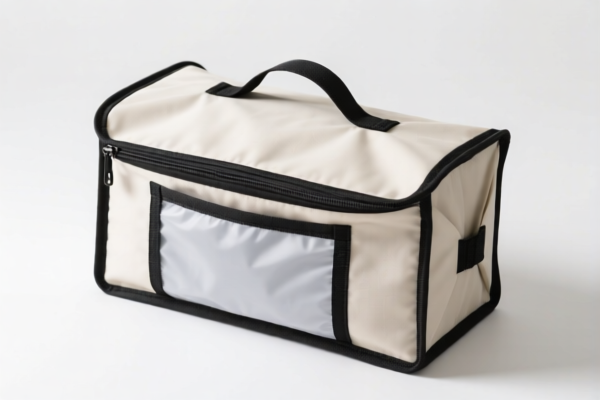
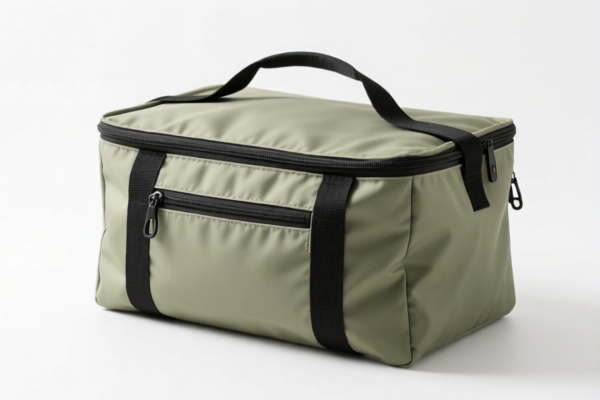
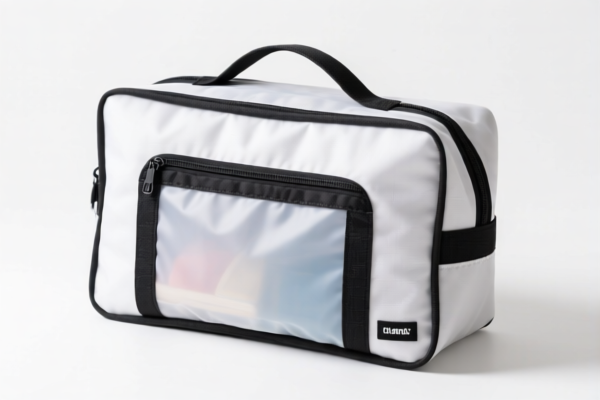
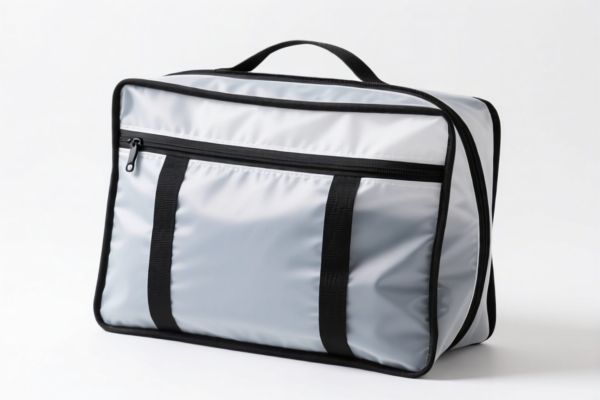
AI Analysis
🧺 Foldable Dirty Clothes Storage Basket (Laundry Hamper)
🌐 HS Code Reference & Customs Clearance Guide | 2026 Latest Tariff Analysis | Professional Clearance Strategy
📌 I. Product Definition & Classification: Do You Really Understand "Laundry Baskets"?
A "Foldable Dirty Clothes Storage Basket" is a household item used for sorting or storing soiled laundry. In international trade, its classification depends strictly on material composition and structural design. It falls into two main categories:
Plastic-Based Baskets: Made primarily from polymers (PP, PE, etc.), regardless of whether they are foldable. Classified under Chapter 39. Plant-Based/Weaved Baskets: Made from bamboo, rattan, grass, or other plant fibers, often structured as woven containers. Classified under Chapter 46.
⚠️ Key Distinction Point:
- If made of Plastic → Look at HS Code 3926.
- If made of Bamboo/Rattan/Grass → Look at HS Code 4602.
- Note: "Foldable" does not change the fundamental material classification but may influence specific sub-category descriptions in some jurisdictions.
📦 II. HS Code Classification Details (2026 Latest Tariff Authority Mapping)
Based on the provided data, here are the precise HS Codes applicable to "Foldable Dirty Clothes Storage Baskets":
| HS Code | Product Description | Material | Tax Rate | Tax Breakdown |
|---|---|---|---|---|
3926.90.99.89 |
Plastic dirty clothes basket, classified as other unlisted plastic articles | Plastic | 22.8% | Base: 5.3% + Section 301: 7.5% + Section 122: 10% |
4602.19.18.00 |
Basket made of plant materials (bamboo, rattan, grass) for storing dirty clothes; includes foldable types | Plant Fiber | 39.5% | Base: 4.5% + Section 301: 25.0% + Section 122: 10% |
4602.11.09.00 |
Bamboo or other plant fiber baskets, classified as basketware | Bamboo/Plant Fiber | 45.0% | Base: 10.0% + Section 301: 25.0% + Section 122: 10% |
3926.90.75.00 |
Household plastic articles, other plastic products | Plastic | 14.2% | Base: 4.2% + Section 301: 0.0% + Section 122: 10% |
🔍 Important Note:
- Section 122 Tariff (10%): This is a consistent additional tariff applied to these consumer goods, likely related to specific trade enforcement measures. - Section 301 Tariff: Varies significantly between plastic (7.5% or 0%) and plant-based materials (25% or 0%), depending on the specific sub-heading. - Plant vs. Plastic: Plastic baskets generally have lower total tariffs (14.2%-22.8%) compared to bamboo/plant baskets (39.5%-45.0%).
💰 III. 2026 Latest Tariff Rate Details (Including Additional Taxes)
✅ Applicable Country: United States (US)
✅ Origin: China (CN)
✅ 生效时间: Current effective rates as per provided data
🎯 1. 3926.90.99.89 —— Plastic Dirty Clothes Basket (Unlisted Plastic Articles)
| Item | Detail |
|---|---|
| Product Summary | Plastic materials, unlisted other plastic products |
| Total Tax Rate | 22.8% |
| Tax Breakdown | - Base Duty: 5.3% - Section 301 Tariff: 7.5% - Section 122 Tariff: 10% |
| Calculation Basis | CIF Value × 22.8% |
| Key Insight | Moderate tariff burden. Suitable for standard plastic hampers. |
📌 Explanation:
- This code captures general plastic containers not specifically listed elsewhere. - The 7.5% Section 301 tariff makes it significantly cheaper than plant-based alternatives.
🎯 2. 4602.19.18.00 —— Plant Material Basket (Bamboo/Rattan/Grass)
| Item | Detail |
|---|---|
| Product Summary | Baskets made of plant materials (e.g., bamboo, rattan, grass) for storing dirty clothes; includes foldable designs |
| Total Tax Rate | 39.5% |
| Tax Breakdown | - Base Duty: 4.5% - Section 301 Tariff: 25.0% - Section 122 Tariff: 10% |
| Calculation Basis | CIF Value × 39.5% |
| Key Insight | High tariff due to 25% Section 301 duty on woven basketware. |
📌 Explanation:
- Even if "foldable," if the material is plant-based, it falls here. - The 25% Section 301 tariff is the dominant cost driver.
🎯 3. 4602.11.09.00 —— Bamboo/Plant Fiber Basketware
| Item | Detail |
|---|---|
| Product Summary | Baskets of bamboo or other plant fibers, classified as basketware |
| Total Tax Rate | 45.0% |
| Tax Breakdown | - Base Duty: 10.0% - Section 301 Tariff: 25.0% - Section 122 Tariff: 10% |
| Calculation Basis | CIF Value × 45.0% |
| Key Insight | Highest Tariff. Avoid if possible. |
📌 Explanation:
- This is the most expensive classification. - High base duty (10%) + 25% Section 301 = 35% before Section 122. - Only use if no other classification applies.
🎯 4. 3926.90.75.00 —— Household Plastic Articles (Other)
| Item | Detail |
|---|---|
| Product Summary | Household plastic articles, other plastic products |
| Total Tax Rate | 14.2% |
| Tax Breakdown | - Base Duty: 4.2% - Section 301 Tariff: 0.0% - Section 122 Tariff: 10% |
| Calculation Basis | CIF Value × 14.2% |
| Key Insight | Lowest Tariff. Best for cost optimization. |
📌 Explanation:
- This code offers the most favorable tariff profile. - 0% Section 301 is the key advantage. - Suitable for specific household plastic items not listed in 3926.90.99.
🛠️ IV. Customs Clearance Practical Advice (Real-World Pitfall Avoidance)
✅ 1. Prepare Documentation Checklist (Essential)
| Document | Required | Notes |
|---|---|---|
| ✅ Product Specification Sheet | ✔️ | Must clearly state material (Plastic vs. Bamboo/Grass) |
| ✅ Material Declaration | ✔️ | Specify polymer type (PP/PE) for plastic; plant species for baskets |
| ✅ Product Photos | ✔️ | Show structure, especially "foldable" mechanism |
| ✅ Commercial Invoice | ✔️ | Accurate description matching HS Code |
| ✅ Packing List | ✔️ | Include dimensions and weight |
✅ 2. Classification Strategy (Key Tips)
🔥 “Material First, Code Second, Tariff Minimized!”
| Scenario | Recommended HS Code | Reason |
|---|---|---|
| Standard Plastic Hamper | 3926.90.75.00 |
Lowest tax (14.2%), 0% Section 301 |
| General Plastic Basket | 3926.90.99.89 |
Moderate tax (22.8%), acceptable alternative |
| Bamboo/Grass Basket (Non-Basketware) | 4602.19.18.00 |
39.5% tax, avoid if possible |
| Bamboo Basketware | 4602.11.09.00 |
Highest tax (45.0%), strictly for traditional basket shapes |
⚠️ Critical Warning:
- Do not misdeclare bamboo baskets as plastic to avoid high tariffs. Customs will inspect and penalize. - "Foldable" Feature: Ensure the folding mechanism doesn’t introduce non-excluded materials (e.g., metal hinges) that might change classification.
✅ 3. Special Cases
| Case | Advice |
|---|---|
| Mixed Material Baskets (Plastic frame + Bamboo weave) | Classify based on essential character. If plastic frame dominates, may qualify for 3926. If weaving dominates, 4602. |
| OEM Custom Designs | Provide design specs to prove material composition. |
| Sample vs. Bulk | Ensure samples match bulk material exactly to avoid classification disputes. |
📌 V. Common Mistakes & Pitfalls (Lessons Learned)
❌ Mistake 1: Declaring bamboo baskets as "Plastic Baskets"
👉 Consequence: Customs seizure, fines, and forced reclassification at 45% + penalties.
❌ Mistake 2: Ignoring Section 122 Tariff
👉 Consequence: Underpayment by 10%. Must budget for this additional cost.
❌ Mistake 3: Misidentifying "Foldable" as a category
👉 Consequence: "Foldable" is a feature, not a material. Classification is based on material, not function.
✅ Correct Approach:
"Plastic Laundry Hamper, Foldable, 10L Capacity, Model XYZ" →
3926.90.75.00
"Bamboo Laundry Basket, Collapsible, Natural Finish" →4602.19.18.00
🎯 VI. Conclusion: Professional Classification Saves Money
🎯 Remember:
🔹 Plastic = Cheaper (14.2% - 22.8%)
🔹 Bamboo/Plant = Expensive (39.5% - 45.0%)
🔹 Section 122 (10%) applies to ALL categories.
📌 Recommendation:
- If your product is made of plastic, strive for 3926.90.75.00 for the lowest tax burden.
- If using plant materials, expect high tariffs. Consider supply chain adjustments or value-added claims if applicable.
📣 Immediate Action:
📞 Verify material composition with your supplier.
📄 Apply for Advance Ruling if unsure about mixed-material products.
🚀 Optimize your HS Code to maximize profit margins!
✨ Professional Clearance, Precise Classification!
💼 Every Percent of Tax Matters!
Customer Reviews
About HS Code Classification
The Harmonized System (HS) is an internationally standardized nomenclature developed by the World Customs Organization (WCO) to classify traded products. Over 200 countries use the HS system as the basis for customs tariffs, trade statistics, and import/export regulations.
Each HS code follows a hierarchical structure:
- Chapter (2 digits) — Broad category of goods (e.g., Chapter 84: Machinery and Mechanical Appliances)
- Heading (4 digits) — More specific grouping within the chapter
- Subheading (6 digits) — Internationally standardized breakdown, used by all WCO member countries
- National subdivisions (8-10 digits) — Country-specific extensions for further classification, such as US HTSUS 10-digit codes
Correct HS code classification is essential for smooth customs clearance, accurate duty payment, and compliance with trade regulations. Misclassification can lead to customs delays, overpayment of duties, or penalties.
When importing from CN to US, the applicable tariff rates may include:
- Most-Favored-Nation (MFN) rate — The standard duty rate applied to WTO members
- General rate — Applied to countries without trade agreements
- Trade remedy duties — Additional tariffs such as Section 301 (anti-dumping), Section 232 (national security), or countervailing duties
The information provided on this page is for reference purposes only. For official classification, please consult with your local customs authority or a licensed customs broker.