Foldable Packaging Board
CN → US| HS编码 | 关税税率 | 原产国 | 目的国 | 文档 |
|---|---|---|---|---|
| 3923109000 | 38.0% | CN | US | 官方文档 |
| 7326190080 | 87.9% | CN | US | 官方文档 |
| 4819200040 | 35.0% | CN | US | 官方文档 |
| 3923900080 | 38.0% | CN | US | 官方文档 |
| 7326908688 | 87.9% | CN | US | 官方文档 |
商品图片
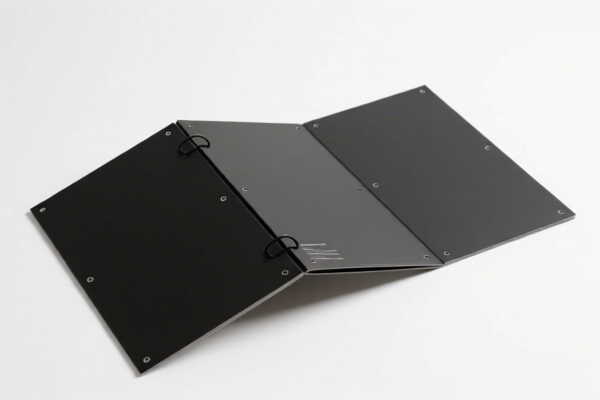
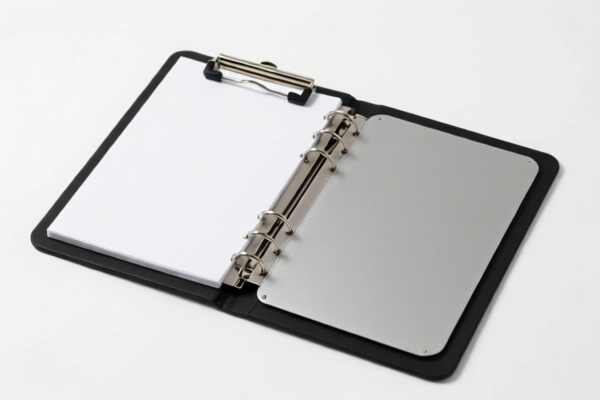
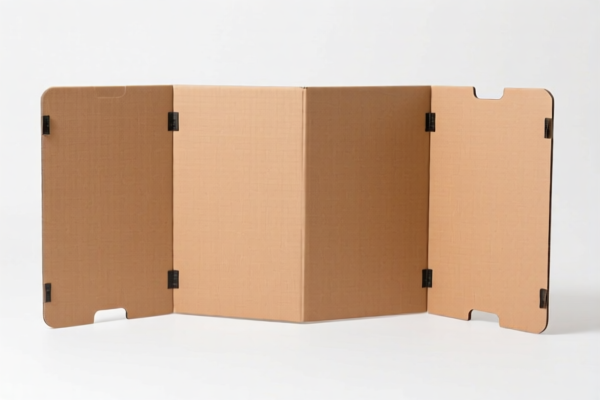
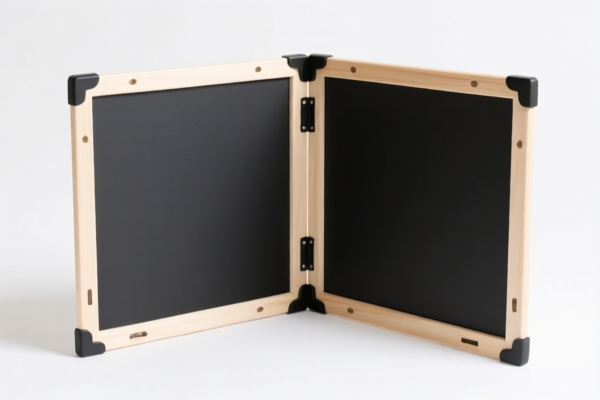
AI分析
📦 Foldable Packaging Board (Foldable Boxes/Packaging)
🌐 HS Code Reference & Customs Clearance Guide | 2026 Latest Tariff Analysis | Professional Compliance Strategy
📌 I. Product Definition & Classification: What is a "Foldable Packaging Board"?
A Foldable Packaging Board refers to rigid or semi-rigid sheets/panels designed to be folded into boxes, containers, or structural packaging components. In international trade, the classification hinges entirely on the material composition, as "board" is a generic term. The key distinction lies in whether the material is plastic, metal, or paper-based.
⚠️ Critical Distinction Point:
- If made of Plastic (e.g., PP, PET, PVC rigid sheets) → Classified under Chapter 39.
- If made of Metal (e.g., Steel, Aluminum, Iron) → Classified under Chapter 73.
- If made of Paper/Cardboard (Non-corrugated) → Classified under Chapter 48.
📊 II. HS Code Classification Details (2026 Latest Tariff Authority Reference)
Based on the provided data, here are the possible HS Codes and their rationales:
| HS Code | Product Description | Material Attribute | Summary Rationale from Data |
|---|---|---|---|
3923.10.90.00 |
Plastic sacks, bags & similar articles | Plastic | "Based on the兜底 (fallback) principle for other categories; folding boards as plastic products fit packaging/transport purposes." |
3923.90.00.80 |
Other articles for the conveyance or packing of goods | Plastic | "Inferred as plastic or structural components conforming to plastic packaging supplies." |
7326.19.00.80 |
Other articles of iron or steel | Metal (Steel/Iron) | "Inferred as metal or metal-composite material; fits the attribute of 'other steel products'." |
7326.90.86.88 |
Other articles of iron or steel | Metal (Steel/Iron) | "Based on material inference; fits 'other iron/steel articles' that are not specifically specified elsewhere." |
4819.20.00.40 |
Cardboard paper boxes, folders, cases & similar articles | Paper/Cardboard | "Based on folding form and board characteristics; inferred as folded packaging made of paperboard, fitting non-corrugated paperboard categories." |
🔍 Key Reminder:
- Plastic Boards: Always go to Chapter 39 (3923.xx).
- Metal Boards: Always go to Chapter 73 (7326.xx).
- Paper Boards: Go to Chapter 48 (4819.20).
- Do not mix materials: A plastic-covered metal board is typically classified by its essential character, but if it's a composite, the primary material determines the code.
💰 III. 2026 Latest Tariff Rate Details (Including Additional Taxes & Policy Surcharges)
✅ Applicable Country: United States (US)
✅ Origin: China (CN)
✅ Effective Date: Rates include current surcharges as per 2026 data.
🎯 1. Plastic-Based Boards (3923.10.90.00 & 3923.90.00.80)
| Item | Content |
|---|---|
| Base Tariff | 3.0% (ad valorem) |
| Section 301 Additional Tariff | +25.0% (25% tariff on Chinese imports) |
| Section 122 Tariff | +10.0% (Specific surcharge applicable to certain goods) |
| Total Tariff Rate | 38.0% |
| Tax Calculation | CIF Value × 38.0% |
| De Minimis Exemption | ❌ Not Eligible (High tax rate excludes it from standard de minimis relief) |
| Legal Basis Path | Base Rate → Section 301 → Section 122 |
📌 Explanation:
- Plastic packaging materials face a moderate base rate, but the Section 301 (25%) and Section 122 (10%) surcharges push the total to 38%. - This is a high-cost scenario for plastic packaging exports from China.
🎯 2. Metal-Based Boards (7326.19.00.80 & 7326.90.86.88)
| Item | Content |
|---|---|
| Base Tariff | 2.9% (ad valorem) |
| Section 301 Additional Tariff | +25.0% |
| Section 122 Tariff | +10.0% |
| Steel/Aluminum/Copper Additional Surcharge | +50.0% (Specific surcharge for steel/aluminum/copper products) |
| Total Tariff Rate | 87.9% |
| Tax Calculation | CIF Value × 87.9% |
| De Minimis Exemption | ❌ Not Eligible |
| Legal Basis Path | Base Rate → Section 301 → Section 122 → Steel/Aluminum/Copper Surcharge |
📌 Explanation:
- CRITICAL WARNING: Metal packaging boards (steel/iron) are subject to an additional 50% tariff under the Steel/Aluminum/Copper provisions. - Total tariff of 87.9% makes metal packaging from China extremely expensive and often prohibitively costly for low-margin goods. - This rate applies to both7326.19.00.80and7326.90.86.88.
🎯 3. Paper-Based Boards (4819.20.00.40)
| Item | Content |
|---|---|
| Base Tariff | 0.0% (ad valorem) |
| Section 301 Additional Tariff | +25.0% |
| Section 122 Tariff | +10.0% |
| Total Tariff Rate | 35.0% |
| Tax Calculation | CIF Value × 35.0% |
| De Minimis Exemption | ❌ Not Eligible |
| Legal Basis Path | Base Rate → Section 301 → Section 122 |
📌 Explanation:
- Paper-based foldable boards have a 0% base tariff, but still incur the 35% total surcharge (25% + 10%). - This is the most competitive option among the three material types, despite the high surcharges.
🛠️ IV. Customs Clearance Practical Advice (Pitfall Avoidance Guide)
✅ 1. Preparation Checklist (Must-Have Documents)
| Document | Required | Notes |
|---|---|---|
| ✅ Product Composition Report | ✔️ | Must explicitly state material: Plastic, Metal, or Paper. Ambiguity leads to misclassification. |
| ✅ Material Safety Data Sheet (MSDS) | ✔️ | For plastic/metal boards, to confirm chemical composition (especially for steel alloys). |
| ✅ Product Photos (Clear) | ✔️ | Show the "foldable" structure and any coatings/laminations. |
| ✅ Commercial Invoice | ✔️ | Clearly describe as "Foldable Packaging Board" and specify material (e.g., "HDPE Plastic Board", "Galvanized Steel Sheet"). |
| ✅ Certificate of Origin (CO) | ✔️ | To verify origin for tariff applicability. |
| ✅ Packing List | ✔️ | Weight and dimensions must match customs declarations. |
✅ 2. Declaration Tips (Key Rules)
🔥 "Material is King, Name is Precise, Tax is Determined!"
| Scenario | Correct Declaration | Incorrect Practice |
|---|---|---|
| Plastic Foldable Board | HS: 3923.10.90.00 or 3923.90.00.80Desc: "Plastic Foldable Packaging Board" |
Declaring as "Cardboard" → Risk of penalties for false declaration. |
| Metal (Steel) Board | HS: 7326.19.00.80 or 7326.90.86.88Desc: "Steel Foldable Packaging Board" |
Declaring as "Plastic" to avoid 50% surcharge → Severe Fraud Risk. |
| Paper/Cardboard Board | HS: 4819.20.00.40Desc: "Non-Corrugated Paperboard Box/Foldable Board" |
Declaring as "Corrugated Box" → Different HS Code, different tax. |
| Composite Material | Identify Essential Character | Mixing materials without clarification → Customs may classify under the highest tax or require additional review. |
✅ 3. Special Circumstances Handling
| Situation | Recommendation |
|---|---|
| Plastic with Metal Coating | If the plastic provides the essential structure, classify under Chapter 39 (avoid 50% metal surcharge). Provide evidence that metal is only a surface coating. |
| Metal with Plastic Lining | If the metal provides the structural integrity, classify under Chapter 73 (accept 87.9% rate) OR argue for plastic classification if lining is substantial. |
| Foldable vs. Rigid | Ensure the product is indeed "foldable." If rigid and non-foldable, it may fall under different HS codes (e.g., 3926.90 for plastic articles). |
| Reused Packaging | If used for returnable packaging, ensure commercial invoice reflects "Non-Consumer Good" to avoid retail-specific regulations. |
🌍 V. Global Market Comparison (2026 Latest)
| Country/Region | Recommended HS Code (Example) | Total Tariff (China Origin) | Certification Requirement | Notes |
|---|---|---|---|---|
| 🇺🇸 USA | 3923.10.90.00 (Plastic) |
38.0% | FCC (if electronic), FDA (if food contact) | Highest cost for Metal (87.9%) |
| 🇪🇺 EU | 3923.10.90 (Plastic) |
~6.5% (Base) + VAT | REACH, RoHS | No Section 301/122 equivalents |
| 🇨🇳 China | 3923.10.90 (Plastic) |
3.0% | CCC (if applicable) | Low base rate, no extra surcharges |
| 🇬🇧 UK | 3923.10.90 (Plastic) |
~6.5% (Base) + VAT | UKCA | Post-Brexit rules apply |
📌 Conclusion:
- The US market imposes the highest tariffs on Chinese foldable packaging boards due to Section 301 and Section 122.
- Metal boards face a prohibitive 87.9% tariff in the US.
- Paper-based boards are the most tax-efficient option at 35%, though still high.
- Plastic boards sit in the middle at 38%.
📌 VI. Common Errors & Pitfall Guide (Lessons Learned)
❌ Error 1: Declaring a Steel Board as Plastic to avoid the 50% surcharge.
👉 Consequence: Customs inspection will reveal the material. Penalties, back-taxes, and potential import bans.
❌ Error 2: Using "Packaging Board" without specifying material.
👉 Consequence: Customs officer may choose the HS code with the highest duty (e.g., Metal) or hold the shipment for inspection.
❌ Error 3: Ignoring the Section 122 Tariff.
👉 Consequence: Underpayment by 10%. Interest and penalties will be charged.
❌ Error 4: Assuming "Foldable" means a different HS code.
👉 Consequence: "Foldable" is a functional description, not a material one. The HS code is determined by material, not shape.
✅ Correct Practice:
"Foldable Packaging Board, Material: HDPE Plastic, Thickness: 2mm, Color: Blue, Model: FB-200"
OR
"Foldable Steel Packaging Tray, Galvanized, Model: ST-500"
🎯 VII. Conclusion: Precise Classification Saves Money!
🎯 Remember:
🔹 "Plastic is 38%, Metal is 87.9%, Paper is 35%!"
🔹 "Material defines the code, not the shape!"
🔹 "Metal boards in the US are a tax trap!"
📌 Pro Tip:
If you are importing into the US, consider sourcing foldable boards from non-China origins (e.g., Vietnam, Thailand) to potentially avoid Section 301 and 122 surcharges, reducing the total tariff significantly.
📣 Immediate Action:
📞 Verify material composition with your supplier.
📄 Choose the correct HS code based on material.
💰 Calculate landed cost including 38% (Plastic), 87.9% (Metal), or 35% (Paper) tariffs.
✨ Professional Customs Clearance Starts with Accurate Classification!
💼 Every percentage point of tax saved is pure profit!
用户评价
关于 HS 编码归类
协调制度(HS)是由世界海关组织(WCO)制定的国际贸易商品分类标准。全球 200 多个国家采用 HS 系统作为海关关税、贸易统计和进出口监管的基础。
每个 HS 编码遵循以下层级结构:
- 章(2 位)——商品大类(例如:第 84 章:机器和机械设备)
- 品目(4 位)——章内的更具体分类
- 子目(6 位)——国际通用细分,所有 WCO 成员国统一使用
- 本国细分(8-10 位)——各国自行扩展的细分编码,如美国 HTSUS 10 位编码
正确的 HS 编码归类对于顺利通关、准确缴纳关税和遵守贸易法规至关重要。错误归类可能导致海关延误、多缴关税或罚款。
从CN进口到US时,适用的关税税率可能包括:
- 最惠国(MFN)税率——适用于 WTO 成员国的标准关税税率
- 普通税率——适用于无贸易协定国家
- 贸易救济关税——附加关税,如 301 条款(反倾销)、232 条款(国家安全)或反补贴税
本页内容仅供参考。如需正式归类,请咨询当地海关或持牌报关代理。