Foldable Packaging Board
CN → US| HS Code | Tariff Rate | Origin | Destination | Doc |
|---|---|---|---|---|
| 3923109000 | 38.0% | CN | US | Official Doc |
| 7326190080 | 87.9% | CN | US | Official Doc |
| 4819200040 | 35.0% | CN | US | Official Doc |
| 3923900080 | 38.0% | CN | US | Official Doc |
| 7326908688 | 87.9% | CN | US | Official Doc |
Product Images
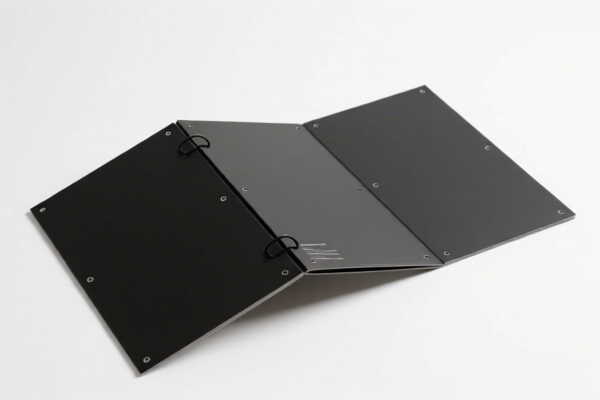
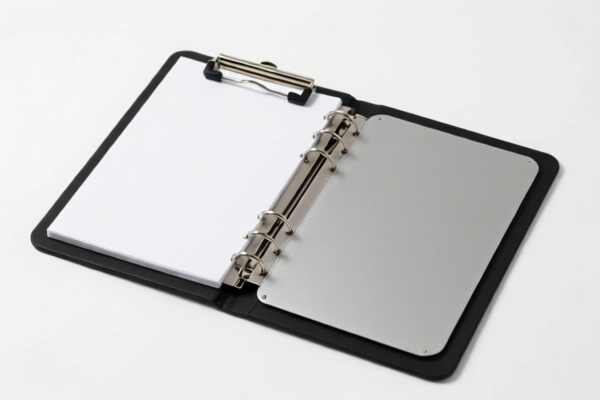
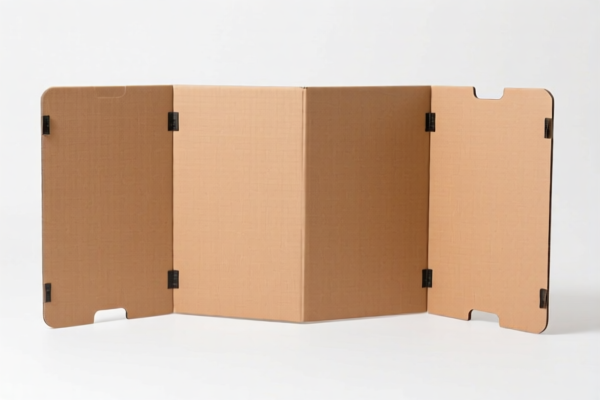
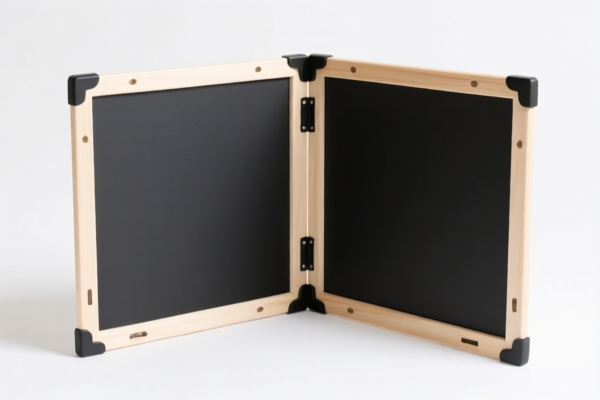
AI Analysis
📦 Foldable Packaging Board (Foldable Boxes/Packaging)
🌐 HS Code Reference & Customs Clearance Guide | 2026 Latest Tariff Analysis | Professional Compliance Strategy
📌 I. Product Definition & Classification: What is a "Foldable Packaging Board"?
A Foldable Packaging Board refers to rigid or semi-rigid sheets/panels designed to be folded into boxes, containers, or structural packaging components. In international trade, the classification hinges entirely on the material composition, as "board" is a generic term. The key distinction lies in whether the material is plastic, metal, or paper-based.
⚠️ Critical Distinction Point:
- If made of Plastic (e.g., PP, PET, PVC rigid sheets) → Classified under Chapter 39.
- If made of Metal (e.g., Steel, Aluminum, Iron) → Classified under Chapter 73.
- If made of Paper/Cardboard (Non-corrugated) → Classified under Chapter 48.
📊 II. HS Code Classification Details (2026 Latest Tariff Authority Reference)
Based on the provided data, here are the possible HS Codes and their rationales:
| HS Code | Product Description | Material Attribute | Summary Rationale from Data |
|---|---|---|---|
3923.10.90.00 |
Plastic sacks, bags & similar articles | Plastic | "Based on the兜底 (fallback) principle for other categories; folding boards as plastic products fit packaging/transport purposes." |
3923.90.00.80 |
Other articles for the conveyance or packing of goods | Plastic | "Inferred as plastic or structural components conforming to plastic packaging supplies." |
7326.19.00.80 |
Other articles of iron or steel | Metal (Steel/Iron) | "Inferred as metal or metal-composite material; fits the attribute of 'other steel products'." |
7326.90.86.88 |
Other articles of iron or steel | Metal (Steel/Iron) | "Based on material inference; fits 'other iron/steel articles' that are not specifically specified elsewhere." |
4819.20.00.40 |
Cardboard paper boxes, folders, cases & similar articles | Paper/Cardboard | "Based on folding form and board characteristics; inferred as folded packaging made of paperboard, fitting non-corrugated paperboard categories." |
🔍 Key Reminder:
- Plastic Boards: Always go to Chapter 39 (3923.xx).
- Metal Boards: Always go to Chapter 73 (7326.xx).
- Paper Boards: Go to Chapter 48 (4819.20).
- Do not mix materials: A plastic-covered metal board is typically classified by its essential character, but if it's a composite, the primary material determines the code.
💰 III. 2026 Latest Tariff Rate Details (Including Additional Taxes & Policy Surcharges)
✅ Applicable Country: United States (US)
✅ Origin: China (CN)
✅ Effective Date: Rates include current surcharges as per 2026 data.
🎯 1. Plastic-Based Boards (3923.10.90.00 & 3923.90.00.80)
| Item | Content |
|---|---|
| Base Tariff | 3.0% (ad valorem) |
| Section 301 Additional Tariff | +25.0% (25% tariff on Chinese imports) |
| Section 122 Tariff | +10.0% (Specific surcharge applicable to certain goods) |
| Total Tariff Rate | 38.0% |
| Tax Calculation | CIF Value × 38.0% |
| De Minimis Exemption | ❌ Not Eligible (High tax rate excludes it from standard de minimis relief) |
| Legal Basis Path | Base Rate → Section 301 → Section 122 |
📌 Explanation:
- Plastic packaging materials face a moderate base rate, but the Section 301 (25%) and Section 122 (10%) surcharges push the total to 38%. - This is a high-cost scenario for plastic packaging exports from China.
🎯 2. Metal-Based Boards (7326.19.00.80 & 7326.90.86.88)
| Item | Content |
|---|---|
| Base Tariff | 2.9% (ad valorem) |
| Section 301 Additional Tariff | +25.0% |
| Section 122 Tariff | +10.0% |
| Steel/Aluminum/Copper Additional Surcharge | +50.0% (Specific surcharge for steel/aluminum/copper products) |
| Total Tariff Rate | 87.9% |
| Tax Calculation | CIF Value × 87.9% |
| De Minimis Exemption | ❌ Not Eligible |
| Legal Basis Path | Base Rate → Section 301 → Section 122 → Steel/Aluminum/Copper Surcharge |
📌 Explanation:
- CRITICAL WARNING: Metal packaging boards (steel/iron) are subject to an additional 50% tariff under the Steel/Aluminum/Copper provisions. - Total tariff of 87.9% makes metal packaging from China extremely expensive and often prohibitively costly for low-margin goods. - This rate applies to both7326.19.00.80and7326.90.86.88.
🎯 3. Paper-Based Boards (4819.20.00.40)
| Item | Content |
|---|---|
| Base Tariff | 0.0% (ad valorem) |
| Section 301 Additional Tariff | +25.0% |
| Section 122 Tariff | +10.0% |
| Total Tariff Rate | 35.0% |
| Tax Calculation | CIF Value × 35.0% |
| De Minimis Exemption | ❌ Not Eligible |
| Legal Basis Path | Base Rate → Section 301 → Section 122 |
📌 Explanation:
- Paper-based foldable boards have a 0% base tariff, but still incur the 35% total surcharge (25% + 10%). - This is the most competitive option among the three material types, despite the high surcharges.
🛠️ IV. Customs Clearance Practical Advice (Pitfall Avoidance Guide)
✅ 1. Preparation Checklist (Must-Have Documents)
| Document | Required | Notes |
|---|---|---|
| ✅ Product Composition Report | ✔️ | Must explicitly state material: Plastic, Metal, or Paper. Ambiguity leads to misclassification. |
| ✅ Material Safety Data Sheet (MSDS) | ✔️ | For plastic/metal boards, to confirm chemical composition (especially for steel alloys). |
| ✅ Product Photos (Clear) | ✔️ | Show the "foldable" structure and any coatings/laminations. |
| ✅ Commercial Invoice | ✔️ | Clearly describe as "Foldable Packaging Board" and specify material (e.g., "HDPE Plastic Board", "Galvanized Steel Sheet"). |
| ✅ Certificate of Origin (CO) | ✔️ | To verify origin for tariff applicability. |
| ✅ Packing List | ✔️ | Weight and dimensions must match customs declarations. |
✅ 2. Declaration Tips (Key Rules)
🔥 "Material is King, Name is Precise, Tax is Determined!"
| Scenario | Correct Declaration | Incorrect Practice |
|---|---|---|
| Plastic Foldable Board | HS: 3923.10.90.00 or 3923.90.00.80Desc: "Plastic Foldable Packaging Board" |
Declaring as "Cardboard" → Risk of penalties for false declaration. |
| Metal (Steel) Board | HS: 7326.19.00.80 or 7326.90.86.88Desc: "Steel Foldable Packaging Board" |
Declaring as "Plastic" to avoid 50% surcharge → Severe Fraud Risk. |
| Paper/Cardboard Board | HS: 4819.20.00.40Desc: "Non-Corrugated Paperboard Box/Foldable Board" |
Declaring as "Corrugated Box" → Different HS Code, different tax. |
| Composite Material | Identify Essential Character | Mixing materials without clarification → Customs may classify under the highest tax or require additional review. |
✅ 3. Special Circumstances Handling
| Situation | Recommendation |
|---|---|
| Plastic with Metal Coating | If the plastic provides the essential structure, classify under Chapter 39 (avoid 50% metal surcharge). Provide evidence that metal is only a surface coating. |
| Metal with Plastic Lining | If the metal provides the structural integrity, classify under Chapter 73 (accept 87.9% rate) OR argue for plastic classification if lining is substantial. |
| Foldable vs. Rigid | Ensure the product is indeed "foldable." If rigid and non-foldable, it may fall under different HS codes (e.g., 3926.90 for plastic articles). |
| Reused Packaging | If used for returnable packaging, ensure commercial invoice reflects "Non-Consumer Good" to avoid retail-specific regulations. |
🌍 V. Global Market Comparison (2026 Latest)
| Country/Region | Recommended HS Code (Example) | Total Tariff (China Origin) | Certification Requirement | Notes |
|---|---|---|---|---|
| 🇺🇸 USA | 3923.10.90.00 (Plastic) |
38.0% | FCC (if electronic), FDA (if food contact) | Highest cost for Metal (87.9%) |
| 🇪🇺 EU | 3923.10.90 (Plastic) |
~6.5% (Base) + VAT | REACH, RoHS | No Section 301/122 equivalents |
| 🇨🇳 China | 3923.10.90 (Plastic) |
3.0% | CCC (if applicable) | Low base rate, no extra surcharges |
| 🇬🇧 UK | 3923.10.90 (Plastic) |
~6.5% (Base) + VAT | UKCA | Post-Brexit rules apply |
📌 Conclusion:
- The US market imposes the highest tariffs on Chinese foldable packaging boards due to Section 301 and Section 122.
- Metal boards face a prohibitive 87.9% tariff in the US.
- Paper-based boards are the most tax-efficient option at 35%, though still high.
- Plastic boards sit in the middle at 38%.
📌 VI. Common Errors & Pitfall Guide (Lessons Learned)
❌ Error 1: Declaring a Steel Board as Plastic to avoid the 50% surcharge.
👉 Consequence: Customs inspection will reveal the material. Penalties, back-taxes, and potential import bans.
❌ Error 2: Using "Packaging Board" without specifying material.
👉 Consequence: Customs officer may choose the HS code with the highest duty (e.g., Metal) or hold the shipment for inspection.
❌ Error 3: Ignoring the Section 122 Tariff.
👉 Consequence: Underpayment by 10%. Interest and penalties will be charged.
❌ Error 4: Assuming "Foldable" means a different HS code.
👉 Consequence: "Foldable" is a functional description, not a material one. The HS code is determined by material, not shape.
✅ Correct Practice:
"Foldable Packaging Board, Material: HDPE Plastic, Thickness: 2mm, Color: Blue, Model: FB-200"
OR
"Foldable Steel Packaging Tray, Galvanized, Model: ST-500"
🎯 VII. Conclusion: Precise Classification Saves Money!
🎯 Remember:
🔹 "Plastic is 38%, Metal is 87.9%, Paper is 35%!"
🔹 "Material defines the code, not the shape!"
🔹 "Metal boards in the US are a tax trap!"
📌 Pro Tip:
If you are importing into the US, consider sourcing foldable boards from non-China origins (e.g., Vietnam, Thailand) to potentially avoid Section 301 and 122 surcharges, reducing the total tariff significantly.
📣 Immediate Action:
📞 Verify material composition with your supplier.
📄 Choose the correct HS code based on material.
💰 Calculate landed cost including 38% (Plastic), 87.9% (Metal), or 35% (Paper) tariffs.
✨ Professional Customs Clearance Starts with Accurate Classification!
💼 Every percentage point of tax saved is pure profit!
Customer Reviews
About HS Code Classification
The Harmonized System (HS) is an internationally standardized nomenclature developed by the World Customs Organization (WCO) to classify traded products. Over 200 countries use the HS system as the basis for customs tariffs, trade statistics, and import/export regulations.
Each HS code follows a hierarchical structure:
- Chapter (2 digits) — Broad category of goods (e.g., Chapter 84: Machinery and Mechanical Appliances)
- Heading (4 digits) — More specific grouping within the chapter
- Subheading (6 digits) — Internationally standardized breakdown, used by all WCO member countries
- National subdivisions (8-10 digits) — Country-specific extensions for further classification, such as US HTSUS 10-digit codes
Correct HS code classification is essential for smooth customs clearance, accurate duty payment, and compliance with trade regulations. Misclassification can lead to customs delays, overpayment of duties, or penalties.
When importing from CN to US, the applicable tariff rates may include:
- Most-Favored-Nation (MFN) rate — The standard duty rate applied to WTO members
- General rate — Applied to countries without trade agreements
- Trade remedy duties — Additional tariffs such as Section 301 (anti-dumping), Section 232 (national security), or countervailing duties
The information provided on this page is for reference purposes only. For official classification, please consult with your local customs authority or a licensed customs broker.