Folding Board
CN → US| HS编码 | 关税税率 | 原产国 | 目的国 | 文档 |
|---|---|---|---|---|
| 3923109000 | 38.0% | CN | US | 官方文档 |
| 7326190080 | 87.9% | CN | US | 官方文档 |
| 4819200040 | 35.0% | CN | US | 官方文档 |
| 3923900080 | 38.0% | CN | US | 官方文档 |
| 7326908688 | 87.9% | CN | US | 官方文档 |
商品图片
AI分析
📦 Folding Board (Foldable Panels for Packaging, Transport, or Structural Use)
🌐 HS Code Classification & Tariff Guide | 2026 U.S. Trade Policy Update | Expert Customs Clearance Strategy
📌 One Product, Multiple Materials — Know the Right HS Code to Avoid 87.9% Tariffs!
🧩 一、What Is a "Folding Board"? Understanding the Core Product
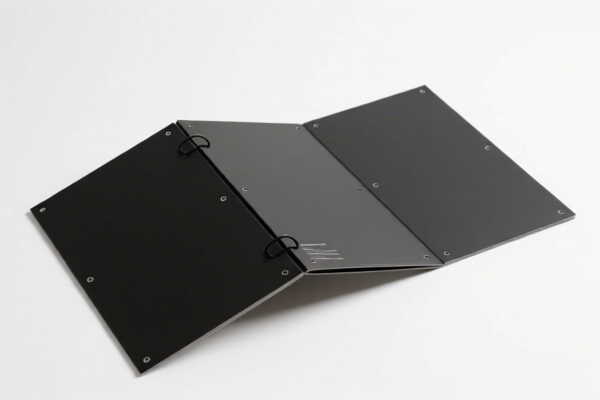
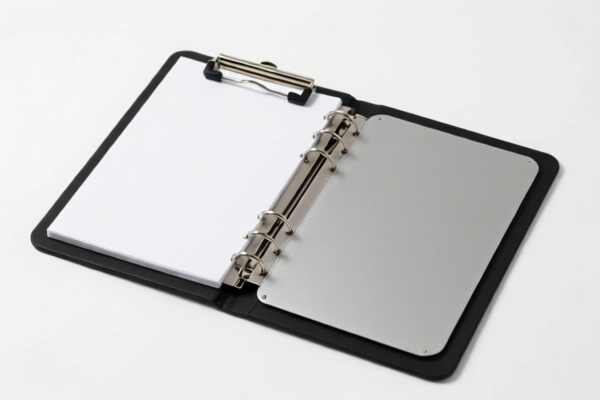
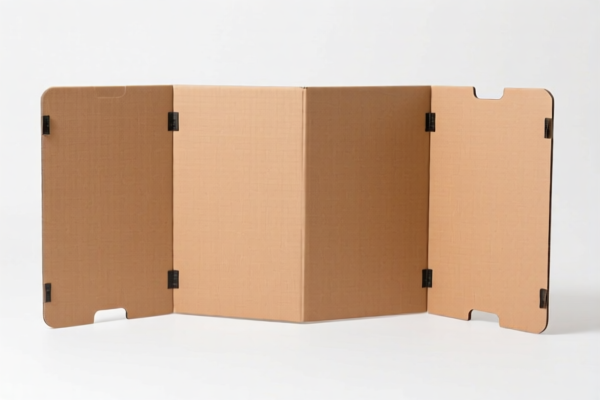
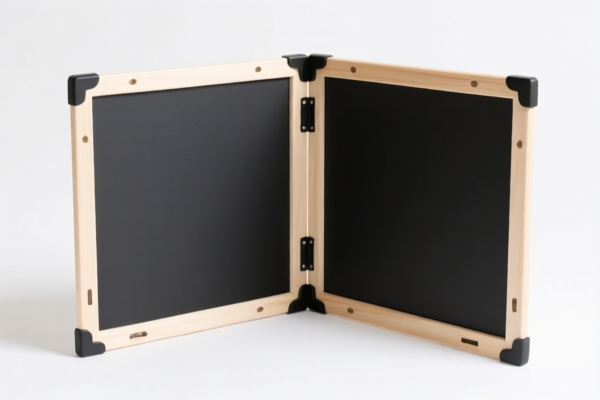
A folding board is a flat, foldable panel designed for packaging, transport, structural support, or as a component in containers. It is not a finished product but a semi-rigid or rigid panel that can be folded for compact storage or transport.
⚠️ Key Classification Clues: - Material: Plastic, metal (steel/iron), or paperboard (non-corrugated) - Function: Used in packaging, shipping containers, industrial pallets, temporary structures, or as internal components - Design: Foldable, rigid, flat, often with locking or hinge features
🔍 Critical Insight:
The material determines the HS Code — plastic ≠ metal ≠ paper → entirely different tariffs!
Misclassifying a steel folding board as plastic can lead to $100k+ in overpayment or penalties.
📊 二、HS Code Classification Breakdown (2026 U.S. Tariff Schedule)
| HS Code | Material | Product Description | Functional Use | Tax Rate |
|---|---|---|---|---|
3923.10.90.00 |
Plastic | Foldable plastic boards used for packaging or transport | Shipping crates, pallets, protective inserts | 38.0% |
7326.19.00.80 |
Metal / Steel-Alloy | Foldable metal boards, not specified elsewhere in Chapter 73 | Industrial containers, temporary flooring, structural supports | 87.9% |
4819.20.00.40 |
Paperboard (Non-Corrugated) | Foldable paperboard packaging components | Boxes, inserts, display stands, retail packaging | 35.0% |
3923.90.00.80 |
Plastic | Plastic folding boards used as structural parts or container fittings | Internal frames, lids, modular panels | 38.0% |
7326.90.86.88 |
Iron / Steel | Other iron or steel articles not elsewhere specified | Foldable steel panels, utility frames, industrial trays | 87.9% |
✅ Note:
- Plastic = 38.0%
- Metal (Steel/Iron) = 87.9% (due to 50% steel/aluminum/copper tariff)
- Paperboard = 35.0% (lowest of the five)
💰 三、2026 U.S. Tariff Breakdown (Detailed & Legal-Compliant)
✅ Applicable Country: China (CN)
✅ Effective Date: November 10, 2025 (Updated under U.S. Trade Policy)
✅ Legal Basis: IEEPA, USITC 301, Section 122, and Steel/Aluminum Tariff Rules
🎯 1. 3923.10.90.00 — Plastic Folding Board (Packaging/Transport)
| Item | Detail |
|---|---|
| Base Duty | 3.0% (ad valorem) |
| USITC 301 Tariff | +25.0% (from Section 301 of U.S. Trade Act) |
| Section 122 Tariff | +10.0% (for products from China under IEEPA) |
| Total Duty | 38.0% |
| Tax Calculation | CIF × 38.0% |
| De Minimis Threshold | ❌ Not applicable (denied for China-origin goods) |
| Legal Pathway | IEEPA:9903.01.25 → USITC:3923.10.90.00 → FOOTNOTE:9903.88.01 |
📌 Why This Applies:
- Plastic folding boards used in packaging or transport fall under "other plastic articles"
- No exemption — even if lightweight or low-value
🎯 2. 7326.19.00.80 — Metal Folding Board (Steel/Alloy)
| Item | Detail |
|---|---|
| Base Duty | 2.9% |
| USITC 301 Tariff | +25.0% |
| Section 122 Tariff | +10.0% |
| Steel/Aluminum/Copper Tariff | +50.0% (under Section 232 of Trade Act) |
| Total Duty | 87.9% |
| Tax Calculation | CIF × 87.9% |
| De Minimis | ❌ Not allowed |
| Legal Pathway | IEEPA:9903.01.24 → USITC:7326.19.00.80 → SECTION 232:9903.88.01 |
📌 Why This Is So High:
- Metal folding boards are classified as steel products → trigger 50% Section 232 tariff
- Combined with 25% 301 + 10% IEEPA, total = 87.9%
🎯 3. 4819.20.00.40 — Paperboard Folding Board (Non-Corrugated)
| Item | Detail |
|---|---|
| Base Duty | 0.0% |
| USITC 301 Tariff | +25.0% |
| Section 122 Tariff | +10.0% |
| Total Duty | 35.0% |
| Tax Calculation | CIF × 35.0% |
| De Minimis | ❌ Not applicable |
| Legal Pathway | IEEPA:9903.01.24 → USITC:4819.20.00.40 → FOOTNOTE:9903.88.01 |
📌 Key Note:
- Paperboard is not subject to 50% steel tariff
- But still faces 25% + 10% due to China origin
🎯 4. 3923.90.00.80 — Plastic Folding Board (Structural/Container Part)
| Item | Detail |
|---|---|
| Base Duty | 3.0% |
| USITC 301 Tariff | +25.0% |
| Section 122 Tariff | +10.0% |
| Total Duty | 38.0% |
| Tax Calculation | CIF × 38.0% |
| De Minimis | ❌ Not allowed |
| Legal Pathway | IEEPA:9903.01.25 → USITC:3923.90.00.80 → FOOTNOTE:9903.88.01 |
📌 Difference from 3923.10.90.00?
- Function matters:
-3923.10.90.00: Packaging/transport → 38%
-3923.90.00.80: Structural or container fitting → also 38%
- Same rate, different use case → must match actual function
🎯 5. 7326.90.86.88 — Iron/Steel Folding Board (Other Iron/Steel Articles)
| Item | Detail |
|---|---|
| Base Duty | 2.9% |
| USITC 301 Tariff | +25.0% |
| Section 122 Tariff | +10.0% |
| Steel/Aluminum/Copper Tariff | +50.0% |
| Total Duty | 87.9% |
| Tax Calculation | CIF × 87.9% |
| De Minimis | ❌ Not allowed |
| Legal Pathway | IEEPA:9903.01.24 → USITC:7326.90.86.88 → SECTION 232:9903.88.01 |
📌 Why This Is Critical:
- Any iron/steel folding board not listed elsewhere → falls under this code
- Even if not a container, if made of steel → 87.9% tariff
🛠️ 四、Customs Clearance Best Practices (Real-World Tips)
✅ 1. Must-Have Documentation (No Exceptions!)
| Document | Required? | Why It Matters |
|---|---|---|
| ✅ Product Specifications | ✔️ | Prove material (plastic/metal/paper) |
| ✅ Material Certificates (e.g., SGS, ISO) | ✔️ | Confirm composition |
| ✅ High-Resolution Product Photos | ✔️ | Show foldability, joints, material |
| ✅ Commercial Invoice | ✔️ | Must state exact use: “Folding board for packaging” vs. “structural support” |
| ✅ Bill of Lading (BOL) | ✔️ | Prove origin & shipment details |
| ✅ Certificate of Origin (CO) | ✔️ | Critical for tariff eligibility |
| ✅ 3D/Engineering Drawings | ✔️ | If structural — to prove function |
✅ 2.申报技巧(Pro Tips for Accurate Classification)
🔥 “Material First, Use Second — One Wrong Label = 50% Extra Tax!”
| Scenario | Correct HS Code | Wrong Code | Risk |
|---|---|---|---|
| Plastic folding board used in shipping crate | 3923.10.90.00 |
3923.90.00.80 |
38% → 38% (same) but use must match |
| Steel folding board used as container frame | 7326.19.00.80 |
7326.90.86.88 |
87.9% → 87.9% (same) but must match function |
| Paperboard folding board for retail display | 4819.20.00.40 |
3923.10.90.00 |
35% → 38% → +3% cost |
| Plastic board as internal container fitting | 3923.90.00.80 |
3923.10.90.00 |
38% → 38% (same) but misleading use |
📌 Golden Rule:
The description on the invoice must match the material, function, and HS Code.
Example:
✅ "Foldable plastic board, used as internal container fitting, for transport of machinery" →3923.90.00.80
✅ 3. Special Cases & Workarounds
| Situation | Solution |
|---|---|
| Mixed-material board (plastic + metal) | Must classify by dominant material — if metal > 50%, use metal HS Code → 87.9% |
| Folding board made in Vietnam/Mexico | Can qualify for IEEPA exemption → 0% or 5% (if origin is non-China) |
| Used in military or medical equipment | Apply for exemption under 19 U.S.C. § 1202 — requires prior approval |
| Low-value shipment (<$200) | ❌ No de minimis — still taxed at 35–87.9% |
🌍 五、Global Market Tariff Comparison (2026)
| Country | Recommended HS Code | Base Duty | Extra Tariffs | Total |
|---|---|---|---|---|
| 🇺🇸 USA | 3923.10.90.00 / 7326.19.00.80 |
0–3% | 25% + 10% + 50% | 35–87.9% |
| 🇨🇳 China | 3923.10.90.00 |
5% | None | 5% |
| 🇪🇺 EU | 3923.10.90.00 |
0% | None | 0% |
| 🇦🇺 Australia | 3923.10.90.00 |
5% | None | 5% |
| 🇯🇵 Japan | 3923.10.90.00 |
0% | None | 0% |
📌 Insight:
- U.S. is the only market with 50% steel tariff → metal folding boards are nearly unviable - Paperboard is safest — only 35% in U.S.
🚨 六、Common Mistakes & Legal Risks (Avoid These!)
❌ Mistake 1: Calling a steel folding board "plastic" to avoid 87.9%
👉 Result: Customs penalty, seizure, or refund claims
❌ Mistake 2: Not specifying use (e.g., "for packaging" vs. "structural")
👉 Result: Misclassification → audit risk
❌ Mistake 3: Using "folding panel" instead of "folding board" in invoice
👉 Result: HS Code mismatch → delay or rejection
❌ Mistake 4: Assuming "low value = no tax"
👉 Result: De minimis denied for China → still pay 35–87.9%
✅ Correct Labeling Example:
"Foldable plastic board, non-corrugated, used as internal container fitting for machinery transport, Model XYZ, Material: ABS Plastic, Origin: China"
🎯 七、Final Verdict: Choose Wisely, Pay Less, Ship Faster!
🔹 Plastic? → 38% → Still high, but manageable
🔹 Metal? → 87.9% → Avoid unless essential
🔹 Paperboard? → 35% → Best option for U.S. market📌 Pro Tip:
- Switch to paperboard for packaging applications → save 50%+ in tariffs
- Move production to Vietnam/Mexico → avoid 25% + 10% + 50%
- Apply for Advance Ruling (Pre-Approval) → lock in HS Code & tariff
📣 Take Action Now!
📞 Contact a U.S. Customs Broker + Submit product photos + Request HS Code Pre-Ruling
🚀 Reduce tariff risk, avoid penalties, and ship with confidence!
✨ Your Export Success Starts with the Right HS Code!
💼 One misstep = thousands in overpayment. One smart choice = massive savings.
用户评价
关于 HS 编码归类
协调制度(HS)是由世界海关组织(WCO)制定的国际贸易商品分类标准。全球 200 多个国家采用 HS 系统作为海关关税、贸易统计和进出口监管的基础。
每个 HS 编码遵循以下层级结构:
- 章(2 位)——商品大类(例如:第 84 章:机器和机械设备)
- 品目(4 位)——章内的更具体分类
- 子目(6 位)——国际通用细分,所有 WCO 成员国统一使用
- 本国细分(8-10 位)——各国自行扩展的细分编码,如美国 HTSUS 10 位编码
正确的 HS 编码归类对于顺利通关、准确缴纳关税和遵守贸易法规至关重要。错误归类可能导致海关延误、多缴关税或罚款。
从CN进口到US时,适用的关税税率可能包括:
- 最惠国(MFN)税率——适用于 WTO 成员国的标准关税税率
- 普通税率——适用于无贸易协定国家
- 贸易救济关税——附加关税,如 301 条款(反倾销)、232 条款(国家安全)或反补贴税
本页内容仅供参考。如需正式归类,请咨询当地海关或持牌报关代理。