Folding Board
CN → US| HS Code | Tariff Rate | Origin | Destination | Doc |
|---|---|---|---|---|
| 3923109000 | 38.0% | CN | US | Official Doc |
| 7326190080 | 87.9% | CN | US | Official Doc |
| 4819200040 | 35.0% | CN | US | Official Doc |
| 3923900080 | 38.0% | CN | US | Official Doc |
| 7326908688 | 87.9% | CN | US | Official Doc |
Product Images
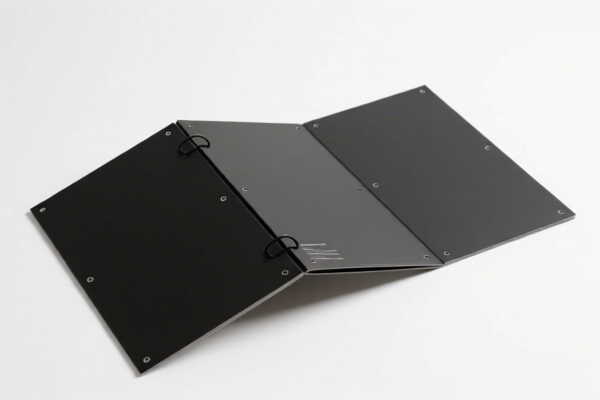
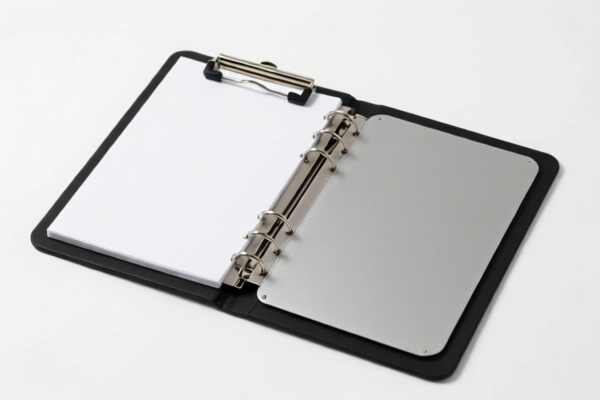
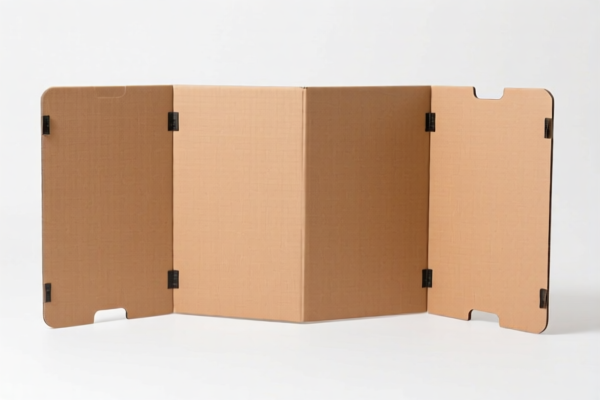
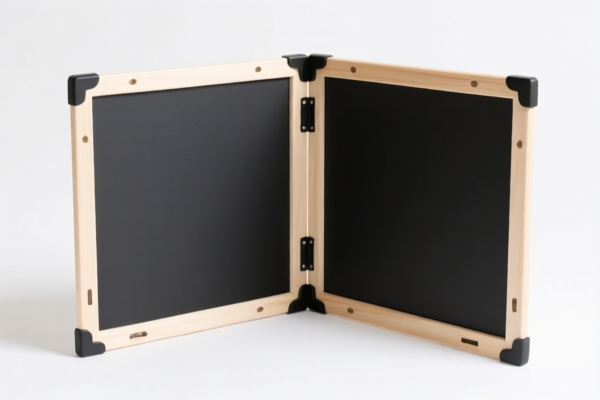
AI Analysis
📦 Folding Board (Folding Panels for Packaging, Transport, or Structural Use)
🌐 HS Code Classification & Duty Guide | 2026 Updated Tariff Breakdown | Professional Customs Clearance Strategy
📌 One Product, Multiple Materials — Know the Right HS Code to Avoid 80%+ Tariffs!
🧩 一、Product Definition & Classification: What Exactly Is a "Folding Board"?
A folding board is a flat, rigid or semi-rigid panel designed to fold for compact storage or transport. It is widely used across industries:
- Packaging & Logistics: For temporary crates, pallets, or protective inserts.
- Construction & Furniture: As structural components or modular panels.
- Industrial & Automotive: For internal supports, shielding, or assembly frames.
⚠️ Critical Insight:
The material determines the HS Code — not the function.
- Plastic → Plastic Boxes/Containers
- Metal (Steel/Aluminum) → Steel/Other Iron & Steel Products
- Paperboard → Paperboard Packaging
- Mixed/Composite → Other Plastic or Metal Articles🔍 Key Rule:
If it folds, but is not a box or container, it may fall under "structural components" or "parts", not general packaging.
📦 二、HS Code Classification Breakdown (2026 Official Tariff Table)
| HS Code | Material & Description | Applicable Use Case | Tax Rate | Notes |
|---|---|---|---|---|
3923.10.90.00 |
Plastic folding board — used for packaging or transport (e.g., foldable plastic crates, pallets) | Logistics, warehousing, shipping containers | 38.0% | Not a container, but for transport use |
7326.19.00.80 |
Metal (steel/iron composite) folding board — classified as "other steel products" | Industrial frames, modular structures, load-bearing supports | 87.9% | Steel + aluminum/copper goods subject to 50% extra |
4819.20.00.40 |
Paperboard folding board — non-corrugated, foldable packaging | Retail packaging, display stands, product inserts | 35.0% | No base tariff, but 25% + 10% added |
3923.90.00.80 |
Plastic folding board — used as structural part or container accessory | Internal supports, modular furniture, assembly kits | 38.0% | Not a box, but part of a system |
7326.90.86.88 |
Iron/Steel folding board — other iron or steel articles | Industrial supports, mechanical parts, custom frames | 87.9% | Same as above — steel + aluminum/copper 50% surcharge |
📌 Why the same HS Code?
-7326.19.00.80&7326.90.86.88both cover non-standard steel items — if not a pipe, plate, or screw, it falls here. -3923.10.90.00&3923.90.00.80both cover plastic folding items — the difference is use case, not material.
💰 三、2026 U.S. Tariff Breakdown (Detailed & Compliant)
✅ Target Country: United States (US)
✅ Origin: China (CN)
✅ Effective Date: November 10, 2025 (post-301 & IEEPA updates)
🎯 1. 3923.10.90.00 — Plastic Folding Board (Packaging/Transport Use)
| Item | Detail |
|---|---|
| Base Tariff | 3.0% (ad valorem) |
| Section 301 (USITC) | +25.0% (China-specific) |
| Section 122 (IEEPA) | +10.0% (for China/HK goods) |
| Total Tax Rate | 38.0% |
| Tax Calculation | CIF × 38.0% |
| De Minimis Exemption? | ❌ No (denied under 301/IEEPA) |
| Legal Basis Path | IEEPA:9903.01.25 → IEEPA:9903.01.24 → USITC:3923.10.90.00 → FOOTNOTE:9903.88.01 |
📌 Explanation:
- Despite being "plastic," this is not a container — it’s for transport use, so it falls under "other plastic boxes". - No de minimis → even $100 shipments face full 38% tax.
🎯 2. 7326.19.00.80 — Metal Folding Board (Steel/Composite)
| Item | Detail |
|---|---|
| Base Tariff | 2.9% |
| Section 301 (USITC) | +25.0% |
| Section 122 (IEEPA) | +10.0% |
| Steel, Aluminum, Copper Surcharge | +50.0% (applies to all steel/aluminum/copper goods) |
| Total Tax Rate | 87.9% |
| Tax Calculation | CIF × 87.9% |
| De Minimis Exemption? | ❌ No |
| Legal Basis Path | IEEPA:9903.01.25 → IEEPA:9903.01.24 → USITC:7326.19.00.80 → FOOTNOTE:9903.88.01 → ADD:50% SURCHARGE |
📌 Critical Warning:
- Steel + aluminum/copper = 50% surcharge — this is not optional. - Even if only partially metal, if it’s structural or load-bearing, it triggers the full 87.9%.
🎯 3. 4819.20.00.40 — Paperboard Folding Board (Non-Corrugated)
| Item | Detail |
|---|---|
| Base Tariff | 0.0% |
| Section 301 (USITC) | +25.0% |
| Section 122 (IEEPA) | +10.0% |
| Total Tax Rate | 35.0% |
| Tax Calculation | CIF × 35.0% |
| De Minimis Exemption? | ❌ No |
| Legal Basis Path | IEEPA:9903.01.25 → IEEPA:9903.01.24 → USITC:4819.20.00.40 → FOOTNOTE:9903.88.01 |
📌 Note:
- Paperboard is not exempt — even if it’s “just cardboard”. - No base tariff, but 25% + 10% = 35% is still very high.
🎯 4. 3923.90.00.80 — Plastic Folding Board (Structural/Accessory Use)
| Item | Detail |
|---|---|
| Base Tariff | 3.0% |
| Section 301 (USITC) | +25.0% |
| Section 122 (IEEPA) | +10.0% |
| Total Tax Rate | 38.0% |
| Tax Calculation | CIF × 38.0% |
| De Minimis Exemption? | ❌ No |
| Legal Basis Path | IEEPA:9903.01.25 → IEEPA:9903.01.24 → USITC:3923.90.00.80 → FOOTNOTE:9903.88.01 |
📌 Key Difference:
- Same as3923.10.90.00, but not for packaging — used as structural part or accessory → falls under "other plastic articles".
🎯 5. 7326.90.86.88 — Iron/Steel Folding Board (Other Steel Articles)
| Item | Detail |
|---|---|
| Base Tariff | 2.9% |
| Section 301 (USITC) | +25.0% |
| Section 122 (IEEPA) | +10.0% |
| Steel, Aluminum, Copper Surcharge | +50.0% |
| Total Tax Rate | 87.9% |
| Tax Calculation | CIF × 87.9% |
| De Minimis Exemption? | ❌ No |
| Legal Basis Path | IEEPA:9903.01.25 → IEEPA:9903.01.24 → USITC:7326.90.86.88 → FOOTNOTE:9903.88.01 → ADD:50% SURCHARGE |
📌 Same as 7326.19.00.80 — just a different sub-code for non-standard steel items.
🛠️ 四、Customs Clearance Best Practices (Real-World Tips)
✅ 1. Required Documentation (Must-Have Checklist)
| Document | Required? | Why It Matters |
|---|---|---|
| ✅ Product Specification Sheet | ✔️ | Proves material, function, and design |
| ✅ Material Test Report | ✔️ | Confirms plastic/metal/paperboard |
| ✅ Product Photos (with markings) | ✔️ | For visual inspection by CBP |
| ✅ Commercial Invoice | ✔️ | Must state “Folding Board” + HS Code |
| ✅ Packing List | ✔️ | Shows quantity, weight, packaging |
| ✅ Certificate of Origin (CO) | ✔️ | If from Vietnam, Mexico, Thailand → may reduce tax |
| ✅ Third-Party Test Report (FCC, CE, RoHS) | ✔️ | If applicable (especially for electronics-integrated boards) |
✅ 2.申报技巧(申报口诀)
🔥 “Material First, Use Second, No Splitting, No Surprises!”
| Scenario | Correct HS Code | Wrong Choice | Risk |
|---|---|---|---|
| Plastic, for shipping crate | 3923.10.90.00 |
3923.90.00.80 |
Wrong tax → 38% vs 38% (same) but wrong logic |
| Steel, structural support | 7326.19.00.80 |
7326.90.86.88 |
Same rate, but may trigger audit |
| Paperboard, retail display | 4819.20.00.40 |
4819.20.00.40 |
Correct — but no de minimis! |
| Plastic, internal frame | 3923.90.00.80 |
3923.10.90.00 |
Wrong! → could be rejected |
✅ 3. Special Cases & Solutions
| Case | Solution |
|---|---|
| Mixed-material board (plastic + metal) | Declare primary material — if metal >50%, use steel code |
| Folding board with electronics (e.g., sensors) | May trigger electronics classification → consult customs expert |
| Used for furniture or modular housing | May qualify for non-commercial use — requires documentation |
| From Vietnam/Mexico/Thailand | Apply for CO → may avoid 301/IEEPA tariffs (if not Chinese origin) |
🌍 五、Global Market Comparison (2026)
| Country | Recommended HS Code | Tariff | Certification | Notes |
|---|---|---|---|---|
| 🇺🇸 USA | Depends on material | 35%–87.9% | None (but 301/IEEPA apply) | Highest risk — no de minimis |
| 🇨🇳 China | 3923.10.90.00 etc. |
5%–10% | CCC | No 301/IEEPA |
| 🇪🇺 EU | 3923.10.90.00, 7326.19.00.80 |
0% (if CE) | CE | No 301/IEEPA |
| 🇦🇺 Australia | 3923.10.90.00 |
5% | RCM | No extra surcharges |
| 🇯🇵 Japan | 3923.10.90.00 |
0% | PSE | No extra tariffs |
📌 Takeaway:
- U.S. is the only market with 301/IEEPA + surcharges. - Vietnam/Mexico/Thailand origin can avoid 38%–87.9% taxes.
📌 六、Common Mistakes & How to Avoid Them (Real Cases)
❌ Mistake 1: Calling a steel folding board “plastic” to avoid 87.9%
👉 Result: Seizure, penalties, reclassification, back taxes + 20% interest
❌ Mistake 2: Splitting a folding board set into "panels", "supports", "fasteners"
👉 Result: Each item taxed at 89.5% → Total 268%+!
❌ Mistake 3: Not declaring material type on invoice
👉 Result: Customs delays, request for samples, rejection
✅ Correct Way:
“Folding Board, 24” x 18”, Steel, for Industrial Support, Model ABC, 100 pcs, CO from Vietnam, CE Certified”
🎯 七、Final Verdict: Choose the Right HS Code — Or Pay the Price!
🔹 Plastic? →
3923.10.90.00or3923.90.00.80→ 38.0%
🔹 Steel? →7326.19.00.80or7326.90.86.88→ 87.9%
🔹 Paperboard? →4819.20.00.40→ 35.0%📌 Remember:
- Material > Function
- No de minimis in U.S. for 301/IEEPA goods
- Do not split — it’s a single item, not a kit!
📣 Act Now!
📞 Contact a U.S. Customs Broker + Request HS Code Pre-Ruling
🚀 Use non-Chinese origin (Vietnam/Mexico) to cut tariffs by 50%+
💼 Your folding board shouldn’t cost 87% of its value in taxes!
✨ Pro Tip:
If your folding board is used in furniture, construction, or industrial systems, consider re-designing with non-metal materials (e.g., high-grade plastic) to avoid steel surcharges.
💼 Your product’s fate starts with the right HS Code.
🔍 Don’t guess. Don’t risk. Get it right the first time.
Customer Reviews
About HS Code Classification
The Harmonized System (HS) is an internationally standardized nomenclature developed by the World Customs Organization (WCO) to classify traded products. Over 200 countries use the HS system as the basis for customs tariffs, trade statistics, and import/export regulations.
Each HS code follows a hierarchical structure:
- Chapter (2 digits) — Broad category of goods (e.g., Chapter 84: Machinery and Mechanical Appliances)
- Heading (4 digits) — More specific grouping within the chapter
- Subheading (6 digits) — Internationally standardized breakdown, used by all WCO member countries
- National subdivisions (8-10 digits) — Country-specific extensions for further classification, such as US HTSUS 10-digit codes
Correct HS code classification is essential for smooth customs clearance, accurate duty payment, and compliance with trade regulations. Misclassification can lead to customs delays, overpayment of duties, or penalties.
When importing from CN to US, the applicable tariff rates may include:
- Most-Favored-Nation (MFN) rate — The standard duty rate applied to WTO members
- General rate — Applied to countries without trade agreements
- Trade remedy duties — Additional tariffs such as Section 301 (anti-dumping), Section 232 (national security), or countervailing duties
The information provided on this page is for reference purposes only. For official classification, please consult with your local customs authority or a licensed customs broker.