Food Blender
CN → US| HS编码 | 关税税率 | 原产国 | 目的国 | 文档 |
|---|---|---|---|---|
| 8509400025 | 14.2% | CN | US | 官方文档 |
| 8509400015 | 14.2% | CN | US | 官方文档 |
| 8438800000 | 35.0% | CN | US | 官方文档 |
| 8438909090 | 37.8% | CN | US | 官方文档 |
| 8479820040 | 35.0% | CN | US | 官方文档 |
| 8479820080 | 35.0% | CN | US | 官方文档 |
商品图片

AI分析
🌀 Food Blenders: Ultimate HS Code Guide & Tariff Breakdown (2026 Edition)
🌐 HS Code Reference & Customs Clearance Guide | 2026 Latest Tariff Analysis | Professional Clearance Strategy
📌 1. Product Definition: What Exactly Is a "Food Blender"?
A Food Blender is an electrical kitchen appliance designed to mix, puree, or emulsify food substances. In international trade, classification depends heavily on capacity and intended use:
- Household Blenders: Small capacity, electric motors, designed for home kitchens. Typically classified under 8509.
- Industrial/Commercial Blenders: Large capacity, heavy-duty, used in food processing plants. Typically classified under 8438 or 8479.
⚠️ Key Distinction:
- If it’s for home use → Look at 8509.40.
- If it’s for industrial food preparation → Look at 8438.80, 8438.90, or 8479.82.
📦 2. HS Code Classification Details (2026 Official Tariff)
Based on the provided data, here are the 6 possible HS Codes for Food Blenders, ranked by likelihood and tax impact.
| HS Code | Product Description | Usage Match | Total Tax Rate |
|---|---|---|---|
| 8509.40.00.25 | Food Mixers & Blenders | ✅ Perfect Match | 14.2% |
| 8509.40.00.15 | Electric Household Blenders | ✅ Perfect Match | 14.2% |
| 8438.80.00.00 | Industrial Machinery for Food Prep | ⚠️ Partial (Industrial) | 35.0% |
| 8438.90.90.90 | Parts/Accessories for Food Machinery | ⚠️ Parts Only | 37.8% |
| 8479.82.00.40 | Mixing/Kneading Machines | ✅ Consistent | 35.0% |
| 8479.82.00.80 | Mixers with Blending Function | ✅ Consistent | 35.0% |
🔍 Critical Insight:
- Household blenders enjoy significantly lower tariffs (14.2%) compared to industrial equivalents (35.0%–37.8%).
- Misclassifying a household blender as industrial machinery can double your tax burden.
💰 3. 2026 Tariff Rate Breakdown (Detailed Policy Analysis)
✅ Applicable Country: United States (US)
✅ Origin: China (CN)
✅ Effective Date: Ongoing (Post-2025 Policy)
🎯 A. Household Blenders (HS Codes: 8509.40.00.15 / .25)
| Item | Detail |
|---|---|
| Base Tariff | 4.2% (Most Favored Nation Rate) |
| Section 301 Additional Tariff | 0.0% (No additional 301 tariff applied to these sub-headings) |
| Section 122 Tariff | +10.0% (Specific levy on certain household appliances) |
| Total Effective Tax | 14.2% |
| Calculation | CIF Value × 14.2% |
| De Minimis Exemption | ❌ Not Applicable (Commercial import) |
| Legal Basis | HTSUS:8509.40.00 + Section 122 Executive Order |
📌 Explanation:
- These household blenders are exempt from the hefty 25% Section 301 tariffs.
- However, they are subject to a 10% "Section 122" tariff, resulting in a manageable 14.2% total rate.
- This is the most cost-effective classification for home-use blenders.
🎯 B. Industrial Blenders (HS Codes: 8438.80.00.00 / 8479.82.00.40/.80)
| Item | Detail |
|---|---|
| Base Tariff | 0.0% (Free entry for many industrial machines) |
| Section 301 Additional Tariff | +25.0% (Heavy tariff on industrial equipment from China) |
| Section 122 Tariff | +10.0% |
| Total Effective Tax | 35.0% |
| Calculation | CIF Value × 35.0% |
| De Minimis Exemption | ❌ Not Applicable |
| Legal Basis | HTSUS:8438.80 / 8479.82 + USITC Footnote 9903.88.01 |
📌 Explanation:
- Although the base tariff is 0%, the 25% Section 301 tariff drastically increases the cost.
- Total tax is 35.0%, more than double that of household blenders.
🎯 C. Blender Parts/Components (HS Code: 8438.90.90.90)
| Item | Detail |
|---|---|
| Base Tariff | 2.8% |
| Section 301 Additional Tariff | +25.0% |
| Section 122 Tariff | +10.0% |
| Total Effective Tax | 37.8% |
| Calculation | CIF Value × 37.8% |
| De Minimis Exemption | ❌ Not Applicable |
| Legal Basis | HTSUS:8438.90 + USITC Footnote |
📌 Explanation:
- If you ship spare parts (blades, jars, motors) separately, they are taxed as industrial components.
- Highest tax rate at 37.8%. Avoid splitting shipments if possible; ship as complete units under 8509.
🛠️ 4. Customs Clearance Practical Advice (Avoid Pitfalls!)
✅ 1. Documentation Checklist (Mandatory)
| Document | Required? | Purpose |
|---|---|---|
| ✅ Product Specification Sheet | ✔️ | Must state: "Household Use" or "Industrial Use", Voltage, Power (Watts), Motor Type. |
| ✅ Commercial Invoice | ✔️ | Clearly describe as "Electric Food Blender for Household Use" to support 8509.40 classification. |
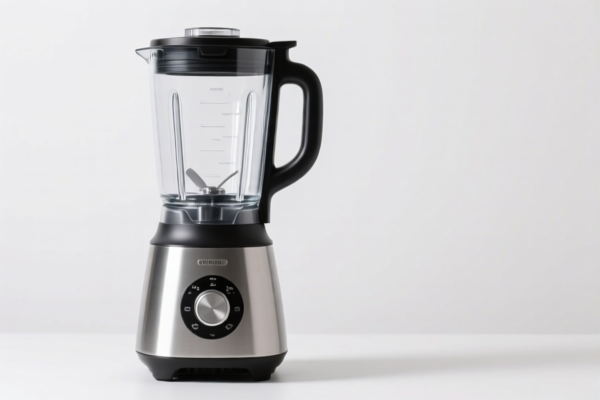
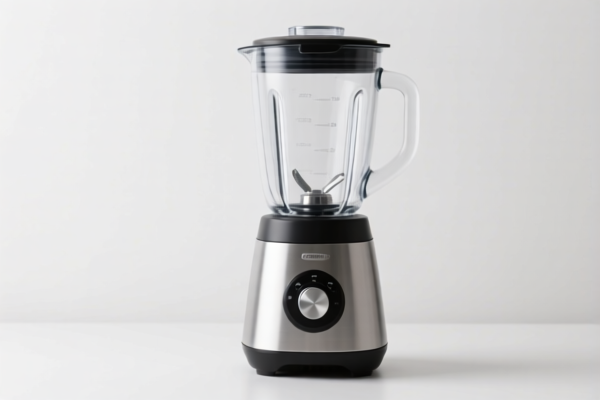
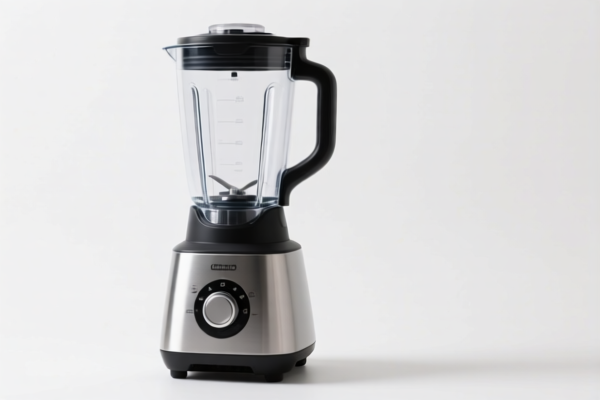
| ✅ Product Photos | ✔️ | Show the entire unit, including control panel, jug, and base. |
| ✅ Labeling/Packaging | ✔️ | Must indicate "Made in China" and intended market. |
| ✅ Certifications | ✔️ | UL/ETL (US Safety), FCC (EMC), CUL (Canada) if applicable. |
✅ 2. Classification Strategy (Key Tips)
🔥 Golden Rule: "Home Use = 8509 (14.2%); Industrial Use = 8438/8479 (35%+)"
| Scenario | Recommended HS Code | Why? | Risk if Misclassified |
|---|---|---|---|
| Standard Home Blender | 8509.40.00.15 or .25 |
Perfect match for household appliances. Low tax. | High Risk: Audited as industrial → Pay 35%+ + penalties. |
| High-Capacity Commercial Blender | 8438.80.00.00 |
Matches "Food/Drink Preparation Machinery". | Low Risk if documentation supports industrial use. |
| Blender Parts (Jars, Blades) | 8438.90.90.90 |
Classified as parts for machinery. | High Tax (37.8%). Better to ship assembled if possible. |
| Industrial Mixers with Blending Function | 8479.82.00.40 or .80 |
Matches "Mixing, Kneading, or Blending Machines". | Tax is 35%. Ensure "Industrial" use is documented. |
✅ 3. Special Cases & Optimization
| Case | Recommendation |
|---|---|
| OEM/Private Label | Ensure invoice says "Electric Blender" and not "Industrial Mixer". |
| Shipment with Accessories | Ship all parts together in one box to justify 8509 (Complete Unit). Do not ship jars and motors separately to save on shipping – you’ll pay higher taxes. |
| Smart Blenders with App Control | Still classified as 8509 because the primary function is blending, not data processing. |
| Portable USB Blenders | Still 8509.40 as long as they are food blenders. |
🌍 5. Global Market Comparison (2026)
| Region | Recommended HS Code | Tariff (China Origin) | Notes |
|---|---|---|---|
| 🇺🇸 USA | 8509.40.00.15 |
14.2% | Best for home use. Avoid industrial classification. |
| 🇨🇳 China | 8509.40.00 |
Variable | Domestic trade rules differ. Export-focused data shown. |
| 🇪🇺 EU | 8509.40 |
0% - 14% | Varies by country. No Section 301 equivalent. |
| 🇬🇧 UK | 8509.40 |
0% - 14% | Post-Brexit rules apply. Check UK Global Tariff. |
📌 Conclusion:
- USA is the most complex market due to Section 301 and Section 122 tariffs.
- Precise classification under 8509 saves ~20.8% in taxes compared to industrial classification.
📌 6. Common Mistakes & How to Avoid Them
❌ Mistake 1: Calling a blender an "Industrial Mixer" to avoid Section 122 tariff.
👉 Consequence: Customs may reject it as incorrect classification, leading to audits and back taxes.
Fix: Be honest. If it’s for home use, use 8509.
❌ Mistake 2: Shipping parts separately to avoid high整机 tariffs.
👉 Consequence: Parts taxed at 37.8% (HS 8438.90).
Fix: Ship as a complete unit under 8509.40 (14.2%).
❌ Mistake 3: Ignoring "Section 122" tariff.
👉 Consequence: Unexpected 10% extra cost.
Fix: Factor 14.2% total tax into your pricing model for 8509.
🎯 7. Final Recommendations
🎯 For Home Blenders:
✅ Use HS Code 8509.40.00.15 or 8509.40.00.25.
✅ Total Tax: 14.2% (4.2% Base + 10% Section 122).
✅ Avoid Industrial HS Codes unless the machine is genuinely for commercial food processing plants.
🎯 For Industrial Blenders:
✅ Use HS Code 8438.80.00.00 or 8479.82.00.40/.80.
✅ Total Tax: 35.0% (0% Base + 25% Section 301 + 10% Section 122).
✅ Ensure documentation proves industrial-scale use.
📌 Pro Tip:
📞 Always apply for a Binding Ruling from US Customs and Border Protection (CBP) if you are unsure.
🚀 Clarify "Household" vs. "Industrial" in your product descriptions to ensure smooth clearance and optimal tax rates.
✨ Professional Clearance, Precise Classification, Maximized Profit!
💼 Your Tax Bill Should Be Predictable, Not Surprising!
用户评价
关于 HS 编码归类
协调制度(HS)是由世界海关组织(WCO)制定的国际贸易商品分类标准。全球 200 多个国家采用 HS 系统作为海关关税、贸易统计和进出口监管的基础。
每个 HS 编码遵循以下层级结构:
- 章(2 位)——商品大类(例如:第 84 章:机器和机械设备)
- 品目(4 位)——章内的更具体分类
- 子目(6 位)——国际通用细分,所有 WCO 成员国统一使用
- 本国细分(8-10 位)——各国自行扩展的细分编码,如美国 HTSUS 10 位编码
正确的 HS 编码归类对于顺利通关、准确缴纳关税和遵守贸易法规至关重要。错误归类可能导致海关延误、多缴关税或罚款。
从CN进口到US时,适用的关税税率可能包括:
- 最惠国(MFN)税率——适用于 WTO 成员国的标准关税税率
- 普通税率——适用于无贸易协定国家
- 贸易救济关税——附加关税,如 301 条款(反倾销)、232 条款(国家安全)或反补贴税
本页内容仅供参考。如需正式归类,请咨询当地海关或持牌报关代理。