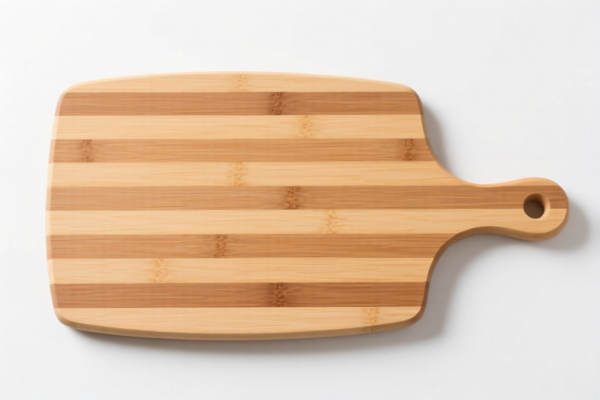
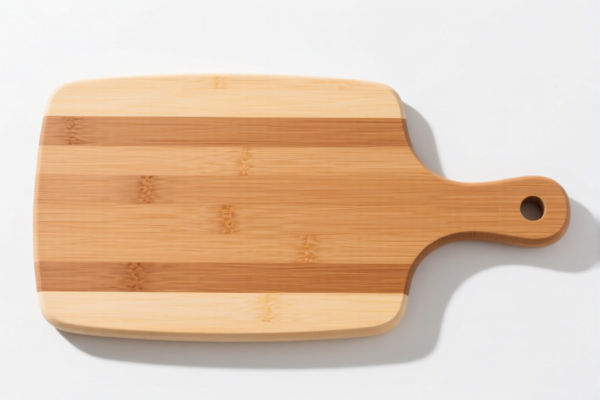
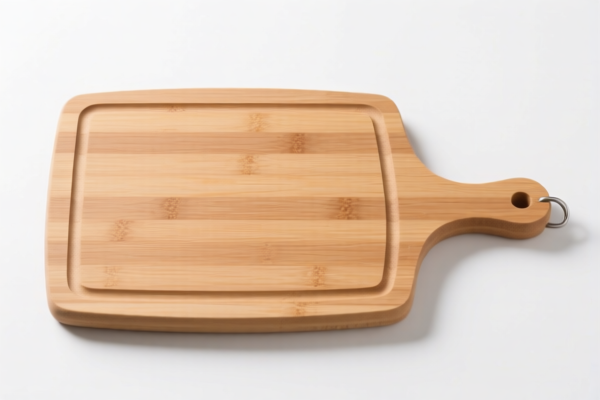
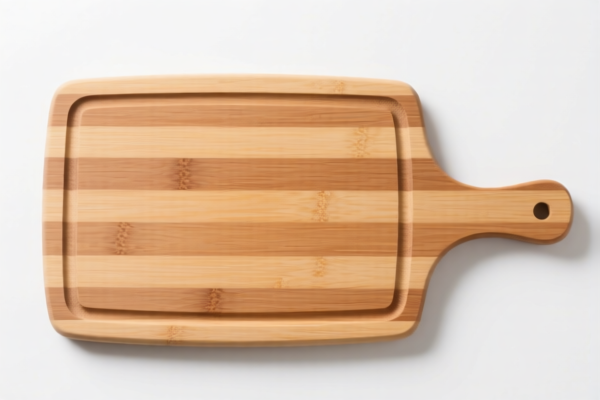
Food Processor Cutting Board
CN → US| HS编码 | 关税税率 | 原产国 | 目的国 | 文档 |
|---|---|---|---|---|
| 6912005000 | 16.0% | CN | US | 官方文档 |
| 3924104000 | 13.4% | CN | US | 官方文档 |
| 6912004810 | 19.8% | CN | US | 官方文档 |
| 3924102000 | 24.0% | CN | US | 官方文档 |
| 4419110000 | 13.2% | CN | US | 官方文档 |
商品图片
AI分析
🪵 Food Processor Cutting Board (Kitchen Chopping Boards)
🌐 HS Code Reference & Customs Clearance Guide | 2026 Latest Tariff Analysis | Professional Clearance Strategy
📌 I. Product Definition & Classification: What Exactly is a "Food Processor Cutting Board"?
A Food Processor Cutting Board is a kitchen utensil used for chopping, slicing, or dicing food. In international trade, its classification depends heavily on the material (Ceramic, Plastic, Wood/Bamboo) and the specific type within that material. The provided data highlights five potential HS Codes based on common material inferences.
⚠️ Key Distinction:
- Ceramic Boards: Often grouped with tableware or other ceramic household articles.
- Plastic Boards: Classified under plastic tableware/kitchenware.
- Bamboo/Wood Boards: Classified under wood/bamkee wood articles.
- Crucial Factor: The material determines the base duty rate and the specific HS code chapter (39 for plastics, 44 for wood, 69 for ceramics).
📦 II. HS Code Classification Details (Based on Provided Data)
| HS Code | Material/Type | Summary from Data | Total Tax Rate | Tax Detail Breakdown |
|---|---|---|---|---|
6912.00.50.00 |
Ceramic | Matches use as kitchen utensil/tableware; no material conflict. | 16.0% | Base: 6.0% Section 301 (122): 10% Additional: 0.0% |
3924.10.40.00 |
Plastic | High probability of plastic material; matches kitchen utensil definition. | 13.4% | Base: 3.4% Section 301 (122): 10% Additional: 0.0% |
6912.00.48.10 |
Ceramic (Specific) | Common ceramic kitchenware; matches usage description. | 19.8% | Base: 9.8% Section 301 (122): 10% Additional: 0.0% |
3924.10.20.00 |
Plastic (Specific) | Plastic or wooden inference; matches kitchen utensil definition. | 24.0% | Base: 6.5% Section 301 (122): 10% Additional: 7.5% |
4419.11.00.00 |
Bamboo/Wood | Reasonably inferred as bamboo/wood based on common sense; no conflict. | 13.2% | Base: 3.2% Section 301 (122): 10% Additional: 0.0% |
🔍 重点提醒:
- The Section 301 (122) Tariff of 10% applies to ALL listed HS Codes for products originating from China.
- Base rates vary significantly: Plastic can be as low as 3.4% (3924.10.40.00) or as high as 6.5% (3924.10.20.00); Ceramic is 6.0% or 9.8%; Bamboo/Wood is 3.2%.
- Always verify the actual material before importing. Misclassification can lead to penalties or delayed clearance.
💰 III. 2026 Latest Tariff Rate Breakdown (Including Surcharges)
✅ Applicable Country: United States (US)
✅ Origin: China (CN)
✅ Effective Time: Current rates apply (including subsequent imports)
🎯 1. 6912.00.50.00 & 6912.00.48.10 —— Ceramic Cutting Boards
| Item | Content |
|---|---|
| Base Duty | 6.0% (6912.00.50.00) or 9.8% (6912.00.48.10) |
| Section 301 (122) Surcharge | +10% (Mandatory for China-origin goods) |
| Other Additional Duties | 0.0% |
| Total Effective Rate | 16.0% or 19.8% |
| Tax Calculation | CIF Value × Total Rate |
| De Minimis Exemption | ❌ Not Applicable (High-value kitchenware usually exceeds de minimis thresholds or is scrutinized) |
| Legal Basis Path | HTSUS:6912.00 → USITC Footnote 122 |
📌 Explanation:
- Ceramic boards are classified under Chapter 69 (Ceramic Products).
- The 10% Section 301 tariff is applied on top of the base rate.
-6912.00.48.10has a higher base duty (9.8%) compared to6912.00.50.00(6.0%), leading to a higher total tax burden.
🎯 2. 3924.10.40.00 & 3924.10.20.00 —— Plastic Cutting Boards
| Item | Content |
|---|---|
| Base Duty | 3.4% (3924.10.40.00) or 6.5% (3924.10.20.00) |
| Section 301 (122) Surcharge | +10% |
| Other Additional Duties | 0.0% (3924.10.40.00) or 7.5% (3924.10.20.00) |
| Total Effective Rate | 13.4% or 24.0% |
| Tax Calculation | CIF Value × Total Rate |
| De Minimis Exemption | ❌ Not Applicable |
| Legal Basis Path | HTSUS:3924.10 → USITC Footnote 122 |
📌 Note:
- Plastic kitchenware falls under Chapter 39.
-3924.10.40.00is the most cost-effective plastic option (13.4% total).
-3924.10.20.00incurs an additional 7.5% duty, pushing the total to 24.0%. Ensure the product description matches the specific subheading to avoid unnecessary extra taxes.
🎯 3. 4419.11.00.00 —— Bamboo/Wood Cutting Boards
| Item | Content |
|---|---|
| Base Duty | 3.2% |
| Section 301 (122) Surcharge | +10% |
| Other Additional Duties | 0.0% |
| Total Effective Rate | 13.2% |
| Tax Calculation | CIF Value × 13.2% |
| De Minimis Exemption | ❌ Not Applicable |
| Legal Basis Path | HTSUS:4419.11 → USITC Footnote 122 |
📌 Advantage:
- Bamboo/Wood cutting boards have the lowest total tax rate (13.2%) among all options listed.
- Base duty is very low (3.2%), making it a competitive option for importers.
🛠️ IV. Customs Clearance Practical Advice (Battle-Tested Pitfall Avoidance)
✅ 1. Required Documentation Checklist (Mandatory)
| Document | Required | Explanation |
|---|---|---|
| ✅ Product Specification Sheet | ✔️ | Must clearly state Material (e.g., "Food-Grade Plastic," "Natural Bamboo," "Ceramic"), dimensions, and weight. |
| ✅ Product Photos | ✔️ | Clear images showing the board, packaging, and any labels. Must visually confirm material. |
| ✅ Commercial Invoice | ✔️ | Must describe the item accurately (e.g., "Bamboo Cutting Board" vs. "Wooden Kitchen Utensil"). |
| ✅ Packing List | ✔️ | Detail the contents of each carton. |
| ✅ Certificate of Origin (CO) | ✔️ | Essential for proving China origin (and thus applying the 10% Section 301 tariff correctly). |
| ✅ FDA Compliance Statement | ✔️ | Since these are food-contact items, a statement confirming compliance with FDA regulations for food-contact surfaces is recommended. |
✅ 2. Declaration Tips (Key Mantra)
🔥 “Material First, HS Code Second, Description Precise, Tax Optimized!”
| Scenario | Correct Declaration | Wrong Practice |
|---|---|---|
| Bamboo Board | Use 4419.11.00.00; Desc: "Bamboo Cutting Board" |
Calling it "Wood Board" → May still qualify, but be consistent. |
| Plastic Board | Use 3924.10.40.00; Desc: "Plastic Cutting Board" |
Calling it "Kitchenware" → Vague, may trigger manual review. |
| Ceramic Board | Use 6912.00.50.00; Desc: "Ceramic Cutting Board" |
Calling it "Tableware" → Ensure it’s specifically a cutting board, not a plate. |
| Mixed Materials | Separate HS Codes | Do not mix plastic and wood in one line item if possible. |
✅ 3. Special Handling
| Situation | Recommendation |
|---|---|
| OEM Custom Boards | Provide design specs and material samples to CBP if challenged. |
| Food Safety Certifications | Have FDA LFGB or similar food-contact compliance documents ready. Customs may ask. |
| Section 301 Exemptions | Check Eligibility: Some plastic/wood items may have been excluded from Section 301 in the past. Verify current status for 3924.10 and 4419.11. |
| De Minimis (Section 321) | If importing single pieces for personal use (< $800), it may enter duty-free under de minimis. However, for commercial shipments, this does not apply. |
🌍 V. Global Market Comparison (2026 Latest)
| Country/Region | Recommended HS Code | Total Tariff (China Origin) | Certification Requirements | Notes |
|---|---|---|---|---|
| 🇺🇸 USA | 4419.11.00.00 |
13.2% | FDA (Food Contact) | Lowest tax among listed options. |
| 🇺🇸 USA | 3924.10.40.00 |
13.4% | FDA (Food Contact) | Competitive alternative for plastic. |
| 🇺🇸 USA | 6912.00.50.00 |
16.0% | FDA (Food Contact) | Higher tax for ceramic. |
| 🇨🇳 China | 4419.11.00.00 |
0% (Import Duty) | CCC (if applicable) | Domestic trade not affected by US tariffs. |
| 🇪🇺 EU | 4419.11.00.00 |
0-5% | LFGB / EU Food Contact | No Section 301 surcharge. |
| 🇬🇧 UK | 4419.11.00.00 |
0-5% | UKCA / Food Safety | No Section 301 surcharge. |
📌 Conclusion:
- USA imposes significant tariffs (13.2%-24.0%) due to Section 301.
- Bamboo/Wood (4419.11.00.00) is the most tax-efficient option at 13.2%.
- Plastic (3924.10.40.00) is a close second at 13.4%.
- Ceramic is the most expensive at 16.0%-19.8%.
📌 VI. Common Mistakes & Pitfalls (Lessons Learned)
❌ Mistake 1: Using generic term "Cutting Board" without specifying material
👉 Consequence: CBP may classify it under the highest possible duty or delay clearance for further examination.
👉 Fix: Always specify: "Bamboo," "Plastic," or "Ceramic."
❌ Mistake 2: Misclassifying Bamboo as "Wood" without checking subheading
👉 Consequence: While 4419.11 covers bamboo, other wood subheadings may have higher base duties.
👉 Fix: Use 4419.11.00.00 specifically for bamboo.
❌ Mistake 3: Ignoring FDA Food Contact Regulations
👉 Consequence: Goods may be held at customs for food safety checks.
👉 Fix: Provide FDA compliance documentation.
❌ Mistake 4: Assuming De Minimis applies to commercial shipments
👉 Consequence: Surprises with large tariff bills upon arrival.
👉 Fix: Plan for full duty payment for commercial imports.
✅ Correct Practice:
“Bamboo Cutting Board, 12x8 inches, Food-Grade, No Chemical Treatment, Model XYZ”
🎯 VII. Conclusion: Smart Classification Saves Money!
🎯 Remember the Mantra:
🔹 “Bamboo Wins at 13.2%, Plastic Follows at 13.4%, Ceramic Pays More at 16%+!”
🔹 “Specify Material in Description to Avoid CBP Delays!”
📌 Pro Tip:
If you are importing Plastic (3924) or Wood (4419) items, check if they qualify for any Section 301 Exclusions currently in effect. Even a small reduction in the 10% surcharge can save significant costs on large volumes.
📣 Immediate Action:
📞 Contact your customs broker with Material-Specific Descriptions
🚀 Optimize Your HS Code to4419.11.00.00or3924.10.40.00for the lowest duties!
📦 Ensure FDA Compliance Documents are Ready!
✨ Professional Clearance Starts with Accurate Classification!
💼 Every Percentage Point in Tax Matters – Choose Wisely!
用户评价
关于 HS 编码归类
协调制度(HS)是由世界海关组织(WCO)制定的国际贸易商品分类标准。全球 200 多个国家采用 HS 系统作为海关关税、贸易统计和进出口监管的基础。
每个 HS 编码遵循以下层级结构:
- 章(2 位)——商品大类(例如:第 84 章:机器和机械设备)
- 品目(4 位)——章内的更具体分类
- 子目(6 位)——国际通用细分,所有 WCO 成员国统一使用
- 本国细分(8-10 位)——各国自行扩展的细分编码,如美国 HTSUS 10 位编码
正确的 HS 编码归类对于顺利通关、准确缴纳关税和遵守贸易法规至关重要。错误归类可能导致海关延误、多缴关税或罚款。
从CN进口到US时,适用的关税税率可能包括:
- 最惠国(MFN)税率——适用于 WTO 成员国的标准关税税率
- 普通税率——适用于无贸易协定国家
- 贸易救济关税——附加关税,如 301 条款(反倾销)、232 条款(国家安全)或反补贴税
本页内容仅供参考。如需正式归类,请咨询当地海关或持牌报关代理。