Food Processor Cutting Board
CN → US| HS Code | Tariff Rate | Origin | Destination | Doc |
|---|---|---|---|---|
| 6912005000 | 16.0% | CN | US | Official Doc |
| 3924104000 | 13.4% | CN | US | Official Doc |
| 6912004810 | 19.8% | CN | US | Official Doc |
| 3924102000 | 24.0% | CN | US | Official Doc |
| 4419110000 | 13.2% | CN | US | Official Doc |
Product Images
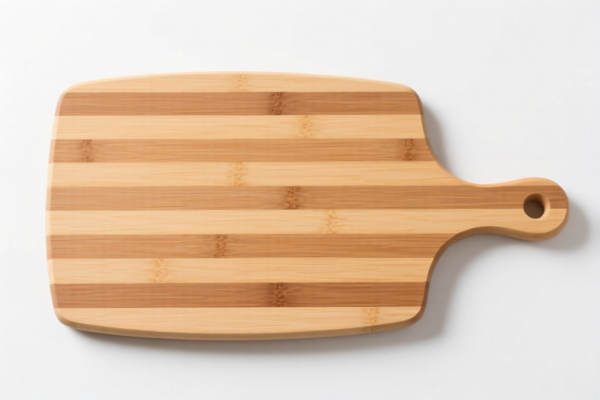
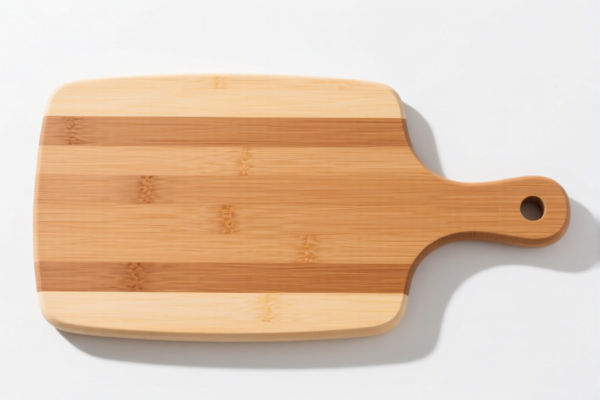
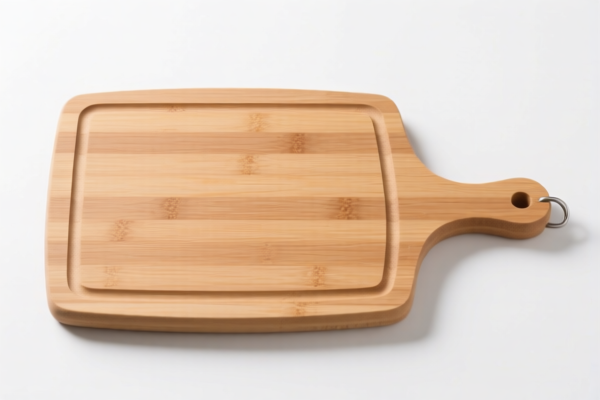
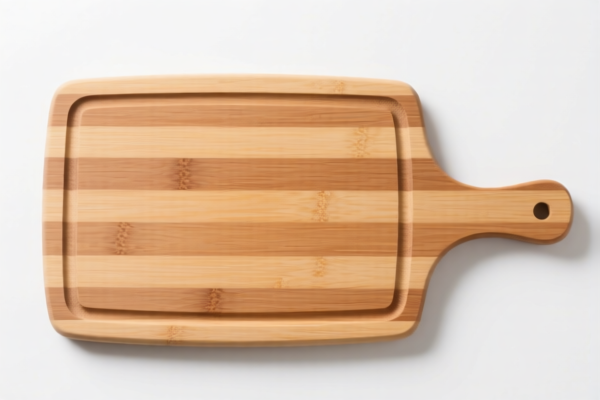
AI Analysis
🪵 Food Processor Cutting Board (Kitchen Chopping Boards)
🌐 HS Code Reference & Customs Clearance Guide | 2026 Latest Tariff Analysis | Professional Clearance Strategy
📌 I. Product Definition & Classification: What Exactly is a "Food Processor Cutting Board"?
A Food Processor Cutting Board is a kitchen utensil used for chopping, slicing, or dicing food. In international trade, its classification depends heavily on the material (Ceramic, Plastic, Wood/Bamboo) and the specific type within that material. The provided data highlights five potential HS Codes based on common material inferences.
⚠️ Key Distinction:
- Ceramic Boards: Often grouped with tableware or other ceramic household articles.
- Plastic Boards: Classified under plastic tableware/kitchenware.
- Bamboo/Wood Boards: Classified under wood/bamkee wood articles.
- Crucial Factor: The material determines the base duty rate and the specific HS code chapter (39 for plastics, 44 for wood, 69 for ceramics).
📦 II. HS Code Classification Details (Based on Provided Data)
| HS Code | Material/Type | Summary from Data | Total Tax Rate | Tax Detail Breakdown |
|---|---|---|---|---|
6912.00.50.00 |
Ceramic | Matches use as kitchen utensil/tableware; no material conflict. | 16.0% | Base: 6.0% Section 301 (122): 10% Additional: 0.0% |
3924.10.40.00 |
Plastic | High probability of plastic material; matches kitchen utensil definition. | 13.4% | Base: 3.4% Section 301 (122): 10% Additional: 0.0% |
6912.00.48.10 |
Ceramic (Specific) | Common ceramic kitchenware; matches usage description. | 19.8% | Base: 9.8% Section 301 (122): 10% Additional: 0.0% |
3924.10.20.00 |
Plastic (Specific) | Plastic or wooden inference; matches kitchen utensil definition. | 24.0% | Base: 6.5% Section 301 (122): 10% Additional: 7.5% |
4419.11.00.00 |
Bamboo/Wood | Reasonably inferred as bamboo/wood based on common sense; no conflict. | 13.2% | Base: 3.2% Section 301 (122): 10% Additional: 0.0% |
🔍 重点提醒:
- The Section 301 (122) Tariff of 10% applies to ALL listed HS Codes for products originating from China.
- Base rates vary significantly: Plastic can be as low as 3.4% (3924.10.40.00) or as high as 6.5% (3924.10.20.00); Ceramic is 6.0% or 9.8%; Bamboo/Wood is 3.2%.
- Always verify the actual material before importing. Misclassification can lead to penalties or delayed clearance.
💰 III. 2026 Latest Tariff Rate Breakdown (Including Surcharges)
✅ Applicable Country: United States (US)
✅ Origin: China (CN)
✅ Effective Time: Current rates apply (including subsequent imports)
🎯 1. 6912.00.50.00 & 6912.00.48.10 —— Ceramic Cutting Boards
| Item | Content |
|---|---|
| Base Duty | 6.0% (6912.00.50.00) or 9.8% (6912.00.48.10) |
| Section 301 (122) Surcharge | +10% (Mandatory for China-origin goods) |
| Other Additional Duties | 0.0% |
| Total Effective Rate | 16.0% or 19.8% |
| Tax Calculation | CIF Value × Total Rate |
| De Minimis Exemption | ❌ Not Applicable (High-value kitchenware usually exceeds de minimis thresholds or is scrutinized) |
| Legal Basis Path | HTSUS:6912.00 → USITC Footnote 122 |
📌 Explanation:
- Ceramic boards are classified under Chapter 69 (Ceramic Products).
- The 10% Section 301 tariff is applied on top of the base rate.
-6912.00.48.10has a higher base duty (9.8%) compared to6912.00.50.00(6.0%), leading to a higher total tax burden.
🎯 2. 3924.10.40.00 & 3924.10.20.00 —— Plastic Cutting Boards
| Item | Content |
|---|---|
| Base Duty | 3.4% (3924.10.40.00) or 6.5% (3924.10.20.00) |
| Section 301 (122) Surcharge | +10% |
| Other Additional Duties | 0.0% (3924.10.40.00) or 7.5% (3924.10.20.00) |
| Total Effective Rate | 13.4% or 24.0% |
| Tax Calculation | CIF Value × Total Rate |
| De Minimis Exemption | ❌ Not Applicable |
| Legal Basis Path | HTSUS:3924.10 → USITC Footnote 122 |
📌 Note:
- Plastic kitchenware falls under Chapter 39.
-3924.10.40.00is the most cost-effective plastic option (13.4% total).
-3924.10.20.00incurs an additional 7.5% duty, pushing the total to 24.0%. Ensure the product description matches the specific subheading to avoid unnecessary extra taxes.
🎯 3. 4419.11.00.00 —— Bamboo/Wood Cutting Boards
| Item | Content |
|---|---|
| Base Duty | 3.2% |
| Section 301 (122) Surcharge | +10% |
| Other Additional Duties | 0.0% |
| Total Effective Rate | 13.2% |
| Tax Calculation | CIF Value × 13.2% |
| De Minimis Exemption | ❌ Not Applicable |
| Legal Basis Path | HTSUS:4419.11 → USITC Footnote 122 |
📌 Advantage:
- Bamboo/Wood cutting boards have the lowest total tax rate (13.2%) among all options listed.
- Base duty is very low (3.2%), making it a competitive option for importers.
🛠️ IV. Customs Clearance Practical Advice (Battle-Tested Pitfall Avoidance)
✅ 1. Required Documentation Checklist (Mandatory)
| Document | Required | Explanation |
|---|---|---|
| ✅ Product Specification Sheet | ✔️ | Must clearly state Material (e.g., "Food-Grade Plastic," "Natural Bamboo," "Ceramic"), dimensions, and weight. |
| ✅ Product Photos | ✔️ | Clear images showing the board, packaging, and any labels. Must visually confirm material. |
| ✅ Commercial Invoice | ✔️ | Must describe the item accurately (e.g., "Bamboo Cutting Board" vs. "Wooden Kitchen Utensil"). |
| ✅ Packing List | ✔️ | Detail the contents of each carton. |
| ✅ Certificate of Origin (CO) | ✔️ | Essential for proving China origin (and thus applying the 10% Section 301 tariff correctly). |
| ✅ FDA Compliance Statement | ✔️ | Since these are food-contact items, a statement confirming compliance with FDA regulations for food-contact surfaces is recommended. |
✅ 2. Declaration Tips (Key Mantra)
🔥 “Material First, HS Code Second, Description Precise, Tax Optimized!”
| Scenario | Correct Declaration | Wrong Practice |
|---|---|---|
| Bamboo Board | Use 4419.11.00.00; Desc: "Bamboo Cutting Board" |
Calling it "Wood Board" → May still qualify, but be consistent. |
| Plastic Board | Use 3924.10.40.00; Desc: "Plastic Cutting Board" |
Calling it "Kitchenware" → Vague, may trigger manual review. |
| Ceramic Board | Use 6912.00.50.00; Desc: "Ceramic Cutting Board" |
Calling it "Tableware" → Ensure it’s specifically a cutting board, not a plate. |
| Mixed Materials | Separate HS Codes | Do not mix plastic and wood in one line item if possible. |
✅ 3. Special Handling
| Situation | Recommendation |
|---|---|
| OEM Custom Boards | Provide design specs and material samples to CBP if challenged. |
| Food Safety Certifications | Have FDA LFGB or similar food-contact compliance documents ready. Customs may ask. |
| Section 301 Exemptions | Check Eligibility: Some plastic/wood items may have been excluded from Section 301 in the past. Verify current status for 3924.10 and 4419.11. |
| De Minimis (Section 321) | If importing single pieces for personal use (< $800), it may enter duty-free under de minimis. However, for commercial shipments, this does not apply. |
🌍 V. Global Market Comparison (2026 Latest)
| Country/Region | Recommended HS Code | Total Tariff (China Origin) | Certification Requirements | Notes |
|---|---|---|---|---|
| 🇺🇸 USA | 4419.11.00.00 |
13.2% | FDA (Food Contact) | Lowest tax among listed options. |
| 🇺🇸 USA | 3924.10.40.00 |
13.4% | FDA (Food Contact) | Competitive alternative for plastic. |
| 🇺🇸 USA | 6912.00.50.00 |
16.0% | FDA (Food Contact) | Higher tax for ceramic. |
| 🇨🇳 China | 4419.11.00.00 |
0% (Import Duty) | CCC (if applicable) | Domestic trade not affected by US tariffs. |
| 🇪🇺 EU | 4419.11.00.00 |
0-5% | LFGB / EU Food Contact | No Section 301 surcharge. |
| 🇬🇧 UK | 4419.11.00.00 |
0-5% | UKCA / Food Safety | No Section 301 surcharge. |
📌 Conclusion:
- USA imposes significant tariffs (13.2%-24.0%) due to Section 301.
- Bamboo/Wood (4419.11.00.00) is the most tax-efficient option at 13.2%.
- Plastic (3924.10.40.00) is a close second at 13.4%.
- Ceramic is the most expensive at 16.0%-19.8%.
📌 VI. Common Mistakes & Pitfalls (Lessons Learned)
❌ Mistake 1: Using generic term "Cutting Board" without specifying material
👉 Consequence: CBP may classify it under the highest possible duty or delay clearance for further examination.
👉 Fix: Always specify: "Bamboo," "Plastic," or "Ceramic."
❌ Mistake 2: Misclassifying Bamboo as "Wood" without checking subheading
👉 Consequence: While 4419.11 covers bamboo, other wood subheadings may have higher base duties.
👉 Fix: Use 4419.11.00.00 specifically for bamboo.
❌ Mistake 3: Ignoring FDA Food Contact Regulations
👉 Consequence: Goods may be held at customs for food safety checks.
👉 Fix: Provide FDA compliance documentation.
❌ Mistake 4: Assuming De Minimis applies to commercial shipments
👉 Consequence: Surprises with large tariff bills upon arrival.
👉 Fix: Plan for full duty payment for commercial imports.
✅ Correct Practice:
“Bamboo Cutting Board, 12x8 inches, Food-Grade, No Chemical Treatment, Model XYZ”
🎯 VII. Conclusion: Smart Classification Saves Money!
🎯 Remember the Mantra:
🔹 “Bamboo Wins at 13.2%, Plastic Follows at 13.4%, Ceramic Pays More at 16%+!”
🔹 “Specify Material in Description to Avoid CBP Delays!”
📌 Pro Tip:
If you are importing Plastic (3924) or Wood (4419) items, check if they qualify for any Section 301 Exclusions currently in effect. Even a small reduction in the 10% surcharge can save significant costs on large volumes.
📣 Immediate Action:
📞 Contact your customs broker with Material-Specific Descriptions
🚀 Optimize Your HS Code to4419.11.00.00or3924.10.40.00for the lowest duties!
📦 Ensure FDA Compliance Documents are Ready!
✨ Professional Clearance Starts with Accurate Classification!
💼 Every Percentage Point in Tax Matters – Choose Wisely!
Customer Reviews
About HS Code Classification
The Harmonized System (HS) is an internationally standardized nomenclature developed by the World Customs Organization (WCO) to classify traded products. Over 200 countries use the HS system as the basis for customs tariffs, trade statistics, and import/export regulations.
Each HS code follows a hierarchical structure:
- Chapter (2 digits) — Broad category of goods (e.g., Chapter 84: Machinery and Mechanical Appliances)
- Heading (4 digits) — More specific grouping within the chapter
- Subheading (6 digits) — Internationally standardized breakdown, used by all WCO member countries
- National subdivisions (8-10 digits) — Country-specific extensions for further classification, such as US HTSUS 10-digit codes
Correct HS code classification is essential for smooth customs clearance, accurate duty payment, and compliance with trade regulations. Misclassification can lead to customs delays, overpayment of duties, or penalties.
When importing from CN to US, the applicable tariff rates may include:
- Most-Favored-Nation (MFN) rate — The standard duty rate applied to WTO members
- General rate — Applied to countries without trade agreements
- Trade remedy duties — Additional tariffs such as Section 301 (anti-dumping), Section 232 (national security), or countervailing duties
The information provided on this page is for reference purposes only. For official classification, please consult with your local customs authority or a licensed customs broker.