Food Storage Container
CN → US| HS编码 | 关税税率 | 原产国 | 目的国 | 文档 |
|---|---|---|---|---|
| 6911108090 | 38.3% | CN | US | 官方文档 |
| 3924104000 | 13.4% | CN | US | 官方文档 |
| 3924102000 | 24.0% | CN | US | 官方文档 |
| 7323999030 | 88.4% | CN | US | 官方文档 |
| 7323995030 | 60.0% | CN | US | 官方文档 |
商品图片
AI分析
🍱 Food Storage Container: The Ultimate HS Code & Tariff Decoding Guide (2026 Edition)
🌐 Global Trade Compliance Hub | Precision Classification | High-Stakes Tax Strategy
📌 Are You Losing Profit on Every "Box"? Don't Let Material Mistakes Sink Your Ship!
Food Storage Containers seem simple—just a plastic or ceramic box for leftovers. WRONG. In international trade, the difference between Plastic, Ceramic, and Steel can mean the difference between a 13.4% tax and an 88.4% tax. One wrong digit in your HS Code can turn a profitable shipment into a financial disaster.
📦 I. Product Definition & Classification Logic
Food Storage Containers are categorized globally by Material Composition and End-Use. The U.S. Customs and Border Protection (CBP) scrutinizes these items heavily due to trade wars and national security (Section 122) policies.
The Three Major Material Families: 1. Ceramics/Earthenware (Fine/Coarse): High-end, fragile, subject to heavy steel/aluminum-like retaliation tariffs. 2. Plastics (Polymeric): Flexible, ubiquitous, lower base tariffs but still hit by Section 122. 3. Steel/Iron (Metallic): Durable, industrial, currently the highest risk category due to massive "Section 232" and "Section 122"叠加 (stacking) tariffs.
⚠️ CRITICAL WARNING:
If you declare "Steel Container" but it contains aluminum, the tariff skyrockets. If you declare "Plastic" but the rim is metal, it may be reclassified. Material purity is key!
🔢 II. HS Code Classification Matrix (2026 Authority Reference)
| HS Code | Material Type | Product Description & Shape | Total Tax Rate | Risk Level |
|---|---|---|---|---|
6911.10.80.90 |
🏺 Ceramic / Porcelain | Food Containers (Dishes, Bowls, Cookware). High-fired clay or fine porcelain. | 38.3% | 🟡 Medium-High |
3924.10.40.00 |
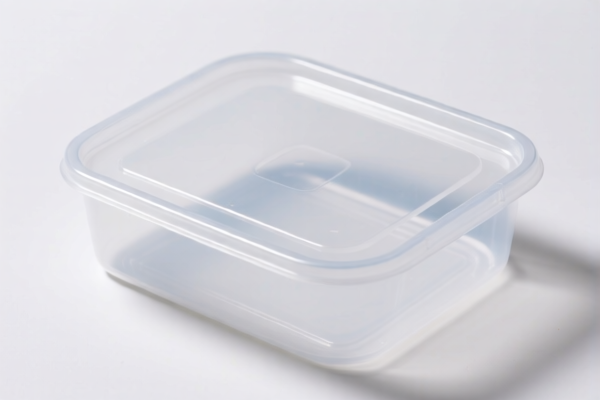
🥣 Plastic (General) | Food Containers (General Purpose). Other household utensils, non-specified shapes. | 13.4% | 🟢 Lowest Risk |
3924.10.20.00 |
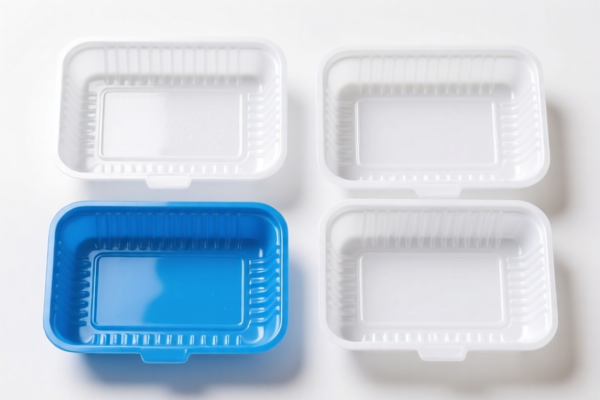
🍽️ Plastic (Specific) | Plastic Dishes, Bowls, Trays. Rigid, specific form factors. | 24.0% | 🟠 Medium |
7323.99.90.30 |
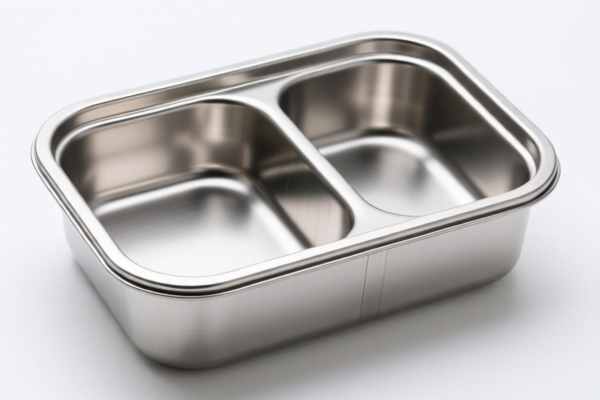
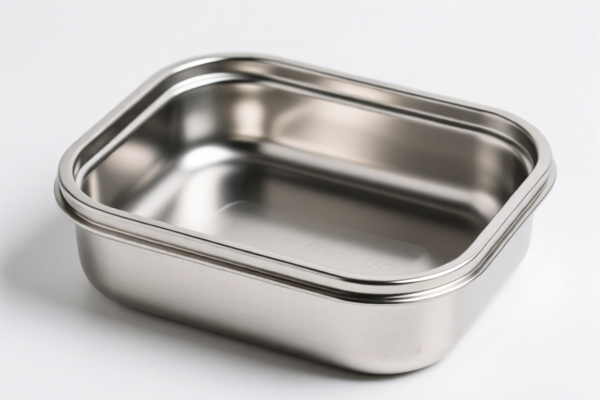
⚙️ Steel/Iron | Metal Food Containers. General steel/iron items for food/drink contact. | 88.4% | 🔴 MAXIMUM ALERT |
7323.99.50.30 |
⚙️ Steel/Iron | Metal Food Containers. Specific steel/iron items for food/drink contact. | 60.0% | 🔴 EXTREME ALERT |
🔍 Key Differentiator:
- Plastic vs. Metal: This is the biggest split. Steel items carry 25% Section 232 tariffs + 10% Section 122 + 50% special surcharge.
- Ceramic: Sits in the middle with 7.5% Section 232 + 10% Section 122.
💸 III. 2026 Tariff Breakdown: The "Hidden" Costs
✅ Target Market: USA (US)
✅ Origin: China (CN)
✅ Effective Date: Current Trade War Measures Active
🎯 1. 6911.10.80.90 — Ceramic/Earthenware Food Containers
Why so expensive? Because ceramics are often grouped with "tableware" and hit by retaliatory tariffs.
| Tax Component | Rate | Legal Basis | Explanation |
|---|---|---|---|
| Base Duty | 20.8% | General Most-Favored-Nation (MFN) | Standard US duty for ceramics. |
| Section 232 (Add'l) | 7.5% | Steel/Aluminum/Retaliation List | Often applied to ceramics due to broad retaliatory lists. |
| Section 122 | 10.0% | IEEPA / China Retaliation | Mandatory surcharge on Chinese goods. |
| TOTAL | 38.3% | Pay 38.3 cents on every $1.00 of value. |
🎯 2. 3924.10.40.00 — Plastic (General Household)
The "Sweet Spot": Lowest combined tax, making this the preferred classification for generic plastic storage.
| Tax Component | Rate | Legal Basis | Explanation |
|---|---|---|---|
| Base Duty | 3.4% | General MFN | Very low base rate for plastics. |
| Section 232 (Add'l) | 0.0% | Exempt | Plastics generally not targeted by steel/aluminum Section 232. |
| Section 122 | 10.0% | IEEPA / China Retaliation | Mandatory surcharge still applies. |
| TOTAL | 13.4% | Lowest cost option in the entire list. |
🎯 3. 3924.10.20.00 — Plastic (Dishes/Bowls/Trays)
The "Specific Shape" Trap: Slightly higher than general plastic due to more specific sub-category classification.
| Tax Component | Rate | Legal Basis | Explanation |
|---|---|---|---|
| Base Duty | 6.5% | General MFN | Higher base rate for specific food service plastics. |
| Section 232 (Add'l) | 7.5% | Retaliatory Measures | Some plastic food service items are hit by retaliatory duties. |
| Section 122 | 10.0% | IEEPA / China Retaliation | Mandatory surcharge. |
| TOTAL | 24.0% | Double the cost of 3924.10.40.00. Verify shape! |
🎯 4. 7323.99.90.30 — Steel/Iron (General)
The "Killer" Tariff: Do not ship steel containers without a massive budget buffer!
| Tax Component | Rate | Legal Basis | Explanation |
|---|---|---|---|
| Base Duty | 3.4% | General MFN | Low base rate for iron/steel. |
| Section 232 (Add'l) | 25.0% | Steel/Aluminum Tariff | Massive 25% duty on steel products. |
| Section 122 | 10.0% | IEEPA / China Retaliation | Mandatory surcharge. |
| Special Surcharge | 50.0% | Steel/Al/Copper Special | CRITICAL: If classified under "Steel/Al/Copper" surcharge, this is added on top! |
| TOTAL | 88.4% | You will pay almost 90% tax! |
🎯 5. 7323.99.50.30 — Steel/Iron (Specific)
The "Partial Relief" but still Dangerous: Even with a 0% base duty, the surcharges are devastating.
| Tax Component | Rate | Legal Basis | Explanation |
|---|---|---|---|
| Base Duty | 0.0% | General MFN | Some specific steel items have 0% base duty. |
| Section 232 (Add'l) | 0.0% | Exempt/Specific | Base duty is 0, but... |
| Section 122 | 10.0% | IEEPA / China Retaliation | Mandatory surcharge. |
| Special Surcharge | 50.0% | Steel/Al/Copper Special | The 50% surcharge for steel/copper items still applies. |
| TOTAL | 60.0% | Still nearly double your product value in tax! |
🛠️ IV. Clearance Strategy & Practical Advice
✅ 1. Material Verification (The Golden Rule)
🔥 DO NOT declare "Steel" unless you are 100% sure it is not aluminum or copper. - Steel + Aluminum + Copper? You risk the 88.4% rate (
7323.99.90.30). - Steel only? You risk 60% (7323.99.50.30). - Plastic? You are safe at 13.4% (3924.10.40.00).
Action: Request a material certificate from your factory. Ensure no metal reinforcement is present in plastic containers.
✅ 2. Shape & Form Factor Matters
🔥 The "Dish" Trap: - If your container looks like a plate, bowl, or tray, it falls under
3924.10.20.00(24.0%). - If it is a box, jug, or generic container, it might qualify for3924.10.40.00(13.4%). Strategy: If your product is a generic storage box, explicitly label it as "Storage Box" or "Container" rather than "Bowl" or "Dish" in the commercial invoice to support the lower rate.
✅ 3. Declaration Wording (Invoice Optimization)
- ❌ BAD: "Food Container, Metal" (Triggers 88.4% scrutiny).
- ✅ GOOD: "Plastic Food Storage Container, Non-Rigid, General Household Use, No Metal Parts." (Supports 13.4%).
- ✅ GOOD: "Porcelain Food Storage Container, Tableware." (Supports 38.3%).
🚨 V. Emergency "Pitfall" Alerts
| Scenario | Mistake | Consequence | Fix |
|---|---|---|---|
| Mix of Materials | Declaring a steel-reinforced plastic container as "Plastic". | Seizure / Fine / Retroactive 88.4% Tax. | Declare the primary material accurately. If steel > 50%, tax it as steel. |
| Wrong Shape | Declaring a "Bowl" as a "Box". | Audit / Re-classification to 24.0%. | Ensure product naming matches the HS Code definition (Bowl = 3924.10.20.00). |
| Origin Confusion | Shipping from China but claiming Vietnam (to avoid 10% Section 122). | Deception Charge / 300% Penalty. | Only claim origin if the country of manufacture is actually different. |
| Steel Surprise | Shipping a "Steel" container without knowing the 50% surcharge rule. | Unexpected 88.4% Cost. | Switch to Plastic or Ceramic if possible. Steel is currently a "tax trap". |
🌍 VI. Strategic Summary: Which HS Code Should You Pick?
| Goal | Recommended HS Code | Estimated Tax | Why? |
|---|---|---|---|
| 🏆 Lowest Cost | 3924.10.40.00 |
13.4% | Plastic is the cheapest material for containers. Avoid "Dish" shapes. |
| 🥈 Middle Ground | 6911.10.80.90 |
38.3% | Ceramic is premium but expensive. Only use for high-end market. |
| 🚫 Avoid at All Costs | 7323.99.90.30 |
88.4% | DO NOT ship steel containers to the US unless you have a massive margin buffer. |
| 🚫 High Risk | 7323.99.50.30 |
60.0% | Even with 0% base duty, the 50% surcharge kills the deal. |
📢 Final Verdict: The 2026 Clearance Checklist
- Check Material: Is it Plastic? → Aim for
3924.10.40.00. - Check Shape: Is it a Bowl/Tray? → Expect
3924.10.20.00(24.0%). - Check Metal: Is it Steel? → STOP! Calculate if you can afford 60-88% tax. If not, re-design or switch suppliers.
- Verify Invoice: Ensure the description matches the HS Code (e.g., "Container" vs "Bowl").
- Apply Section 122: Remember, the 10% surcharge is unavoidable for Chinese-origin goods regardless of material.
💡 PRO TIP:
"If the container is made of plastic, but has a silicone seal or a metal clasp, do not declare it as metal. Declare it as plastic, provided the metal is incidental. But be ready to prove the clasp is < 50% of value."
🎯 Your Next Step:
Review your current Bill of Materials (BOM). If you see Steel/Iron, STOP. Re-evaluate your product design. Switching from Steel to Plastic could save you $75,000 on a $100,000 shipment.
🚀 Clear Customs Faster, Pay Less Tax, Ship Smarter!
用户评价
关于 HS 编码归类
协调制度(HS)是由世界海关组织(WCO)制定的国际贸易商品分类标准。全球 200 多个国家采用 HS 系统作为海关关税、贸易统计和进出口监管的基础。
每个 HS 编码遵循以下层级结构:
- 章(2 位)——商品大类(例如:第 84 章:机器和机械设备)
- 品目(4 位)——章内的更具体分类
- 子目(6 位)——国际通用细分,所有 WCO 成员国统一使用
- 本国细分(8-10 位)——各国自行扩展的细分编码,如美国 HTSUS 10 位编码
正确的 HS 编码归类对于顺利通关、准确缴纳关税和遵守贸易法规至关重要。错误归类可能导致海关延误、多缴关税或罚款。
从CN进口到US时,适用的关税税率可能包括:
- 最惠国(MFN)税率——适用于 WTO 成员国的标准关税税率
- 普通税率——适用于无贸易协定国家
- 贸易救济关税——附加关税,如 301 条款(反倾销)、232 条款(国家安全)或反补贴税
本页内容仅供参考。如需正式归类,请咨询当地海关或持牌报关代理。