Food Storage Container
CN → US| HS Code | Tariff Rate | Origin | Destination | Doc |
|---|---|---|---|---|
| 6911108090 | 38.3% | CN | US | Official Doc |
| 3924104000 | 13.4% | CN | US | Official Doc |
| 3924102000 | 24.0% | CN | US | Official Doc |
| 7323999030 | 88.4% | CN | US | Official Doc |
| 7323995030 | 60.0% | CN | US | Official Doc |
Product Images
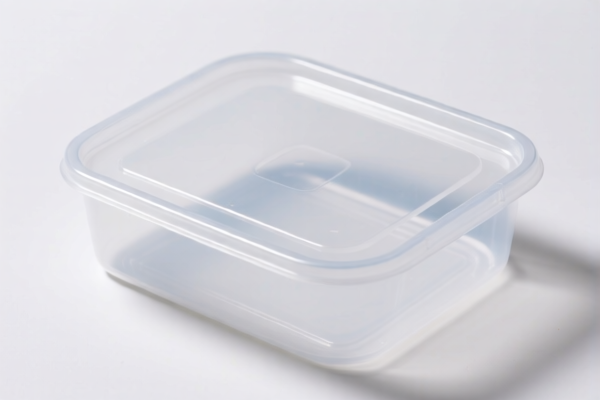
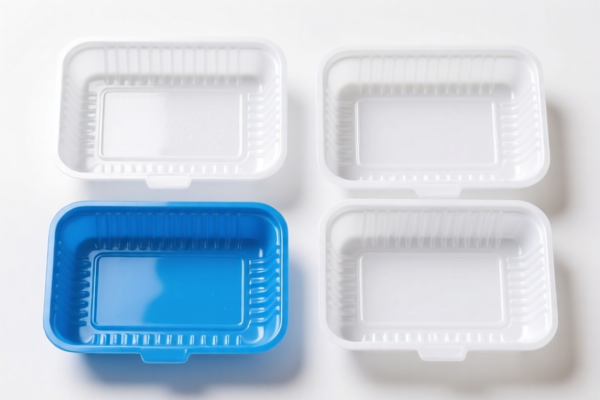
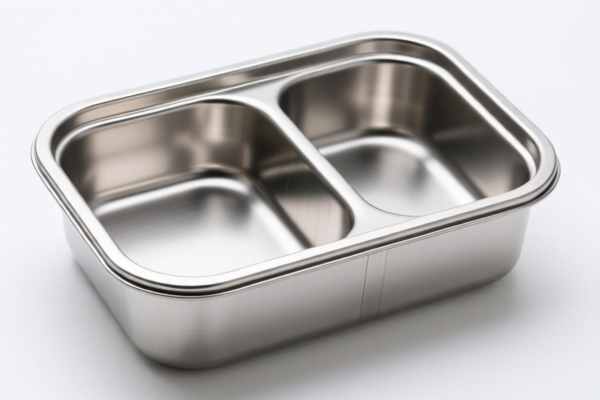
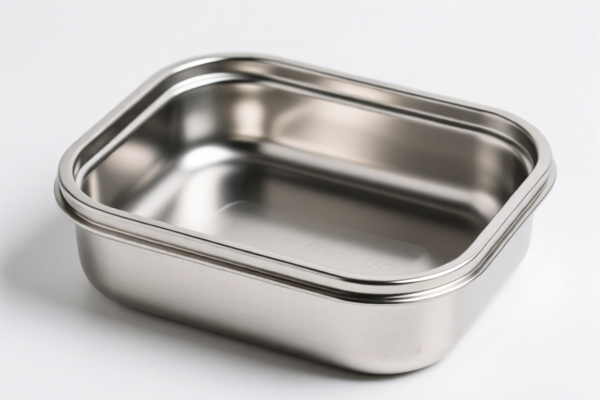
AI Analysis
🍱 Food Storage Container: The Ultimate HS Code & Tariff Decoding Guide (2026 Edition)
🌐 Global Trade Compliance Hub | Precision Classification | High-Stakes Tax Strategy
📌 Are You Losing Profit on Every "Box"? Don't Let Material Mistakes Sink Your Ship!
Food Storage Containers seem simple—just a plastic or ceramic box for leftovers. WRONG. In international trade, the difference between Plastic, Ceramic, and Steel can mean the difference between a 13.4% tax and an 88.4% tax. One wrong digit in your HS Code can turn a profitable shipment into a financial disaster.
📦 I. Product Definition & Classification Logic
Food Storage Containers are categorized globally by Material Composition and End-Use. The U.S. Customs and Border Protection (CBP) scrutinizes these items heavily due to trade wars and national security (Section 122) policies.
The Three Major Material Families: 1. Ceramics/Earthenware (Fine/Coarse): High-end, fragile, subject to heavy steel/aluminum-like retaliation tariffs. 2. Plastics (Polymeric): Flexible, ubiquitous, lower base tariffs but still hit by Section 122. 3. Steel/Iron (Metallic): Durable, industrial, currently the highest risk category due to massive "Section 232" and "Section 122"叠加 (stacking) tariffs.
⚠️ CRITICAL WARNING:
If you declare "Steel Container" but it contains aluminum, the tariff skyrockets. If you declare "Plastic" but the rim is metal, it may be reclassified. Material purity is key!
🔢 II. HS Code Classification Matrix (2026 Authority Reference)
| HS Code | Material Type | Product Description & Shape | Total Tax Rate | Risk Level |
|---|---|---|---|---|
6911.10.80.90 |
🏺 Ceramic / Porcelain | Food Containers (Dishes, Bowls, Cookware). High-fired clay or fine porcelain. | 38.3% | 🟡 Medium-High |
3924.10.40.00 |
🥣 Plastic (General) | Food Containers (General Purpose). Other household utensils, non-specified shapes. | 13.4% | 🟢 Lowest Risk |
3924.10.20.00 |
🍽️ Plastic (Specific) | Plastic Dishes, Bowls, Trays. Rigid, specific form factors. | 24.0% | 🟠 Medium |
7323.99.90.30 |
⚙️ Steel/Iron | Metal Food Containers. General steel/iron items for food/drink contact. | 88.4% | 🔴 MAXIMUM ALERT |
7323.99.50.30 |
⚙️ Steel/Iron | Metal Food Containers. Specific steel/iron items for food/drink contact. | 60.0% | 🔴 EXTREME ALERT |
🔍 Key Differentiator:
- Plastic vs. Metal: This is the biggest split. Steel items carry 25% Section 232 tariffs + 10% Section 122 + 50% special surcharge.
- Ceramic: Sits in the middle with 7.5% Section 232 + 10% Section 122.
💸 III. 2026 Tariff Breakdown: The "Hidden" Costs
✅ Target Market: USA (US)
✅ Origin: China (CN)
✅ Effective Date: Current Trade War Measures Active
🎯 1. 6911.10.80.90 — Ceramic/Earthenware Food Containers
Why so expensive? Because ceramics are often grouped with "tableware" and hit by retaliatory tariffs.
| Tax Component | Rate | Legal Basis | Explanation |
|---|---|---|---|
| Base Duty | 20.8% | General Most-Favored-Nation (MFN) | Standard US duty for ceramics. |
| Section 232 (Add'l) | 7.5% | Steel/Aluminum/Retaliation List | Often applied to ceramics due to broad retaliatory lists. |
| Section 122 | 10.0% | IEEPA / China Retaliation | Mandatory surcharge on Chinese goods. |
| TOTAL | 38.3% | Pay 38.3 cents on every $1.00 of value. |
🎯 2. 3924.10.40.00 — Plastic (General Household)
The "Sweet Spot": Lowest combined tax, making this the preferred classification for generic plastic storage.
| Tax Component | Rate | Legal Basis | Explanation |
|---|---|---|---|
| Base Duty | 3.4% | General MFN | Very low base rate for plastics. |
| Section 232 (Add'l) | 0.0% | Exempt | Plastics generally not targeted by steel/aluminum Section 232. |
| Section 122 | 10.0% | IEEPA / China Retaliation | Mandatory surcharge still applies. |
| TOTAL | 13.4% | Lowest cost option in the entire list. |
🎯 3. 3924.10.20.00 — Plastic (Dishes/Bowls/Trays)
The "Specific Shape" Trap: Slightly higher than general plastic due to more specific sub-category classification.
| Tax Component | Rate | Legal Basis | Explanation |
|---|---|---|---|
| Base Duty | 6.5% | General MFN | Higher base rate for specific food service plastics. |
| Section 232 (Add'l) | 7.5% | Retaliatory Measures | Some plastic food service items are hit by retaliatory duties. |
| Section 122 | 10.0% | IEEPA / China Retaliation | Mandatory surcharge. |
| TOTAL | 24.0% | Double the cost of 3924.10.40.00. Verify shape! |
🎯 4. 7323.99.90.30 — Steel/Iron (General)
The "Killer" Tariff: Do not ship steel containers without a massive budget buffer!
| Tax Component | Rate | Legal Basis | Explanation |
|---|---|---|---|
| Base Duty | 3.4% | General MFN | Low base rate for iron/steel. |
| Section 232 (Add'l) | 25.0% | Steel/Aluminum Tariff | Massive 25% duty on steel products. |
| Section 122 | 10.0% | IEEPA / China Retaliation | Mandatory surcharge. |
| Special Surcharge | 50.0% | Steel/Al/Copper Special | CRITICAL: If classified under "Steel/Al/Copper" surcharge, this is added on top! |
| TOTAL | 88.4% | You will pay almost 90% tax! |
🎯 5. 7323.99.50.30 — Steel/Iron (Specific)
The "Partial Relief" but still Dangerous: Even with a 0% base duty, the surcharges are devastating.
| Tax Component | Rate | Legal Basis | Explanation |
|---|---|---|---|
| Base Duty | 0.0% | General MFN | Some specific steel items have 0% base duty. |
| Section 232 (Add'l) | 0.0% | Exempt/Specific | Base duty is 0, but... |
| Section 122 | 10.0% | IEEPA / China Retaliation | Mandatory surcharge. |
| Special Surcharge | 50.0% | Steel/Al/Copper Special | The 50% surcharge for steel/copper items still applies. |
| TOTAL | 60.0% | Still nearly double your product value in tax! |
🛠️ IV. Clearance Strategy & Practical Advice
✅ 1. Material Verification (The Golden Rule)
🔥 DO NOT declare "Steel" unless you are 100% sure it is not aluminum or copper. - Steel + Aluminum + Copper? You risk the 88.4% rate (
7323.99.90.30). - Steel only? You risk 60% (7323.99.50.30). - Plastic? You are safe at 13.4% (3924.10.40.00).
Action: Request a material certificate from your factory. Ensure no metal reinforcement is present in plastic containers.
✅ 2. Shape & Form Factor Matters
🔥 The "Dish" Trap: - If your container looks like a plate, bowl, or tray, it falls under
3924.10.20.00(24.0%). - If it is a box, jug, or generic container, it might qualify for3924.10.40.00(13.4%). Strategy: If your product is a generic storage box, explicitly label it as "Storage Box" or "Container" rather than "Bowl" or "Dish" in the commercial invoice to support the lower rate.
✅ 3. Declaration Wording (Invoice Optimization)
- ❌ BAD: "Food Container, Metal" (Triggers 88.4% scrutiny).
- ✅ GOOD: "Plastic Food Storage Container, Non-Rigid, General Household Use, No Metal Parts." (Supports 13.4%).
- ✅ GOOD: "Porcelain Food Storage Container, Tableware." (Supports 38.3%).
🚨 V. Emergency "Pitfall" Alerts
| Scenario | Mistake | Consequence | Fix |
|---|---|---|---|
| Mix of Materials | Declaring a steel-reinforced plastic container as "Plastic". | Seizure / Fine / Retroactive 88.4% Tax. | Declare the primary material accurately. If steel > 50%, tax it as steel. |
| Wrong Shape | Declaring a "Bowl" as a "Box". | Audit / Re-classification to 24.0%. | Ensure product naming matches the HS Code definition (Bowl = 3924.10.20.00). |
| Origin Confusion | Shipping from China but claiming Vietnam (to avoid 10% Section 122). | Deception Charge / 300% Penalty. | Only claim origin if the country of manufacture is actually different. |
| Steel Surprise | Shipping a "Steel" container without knowing the 50% surcharge rule. | Unexpected 88.4% Cost. | Switch to Plastic or Ceramic if possible. Steel is currently a "tax trap". |
🌍 VI. Strategic Summary: Which HS Code Should You Pick?
| Goal | Recommended HS Code | Estimated Tax | Why? |
|---|---|---|---|
| 🏆 Lowest Cost | 3924.10.40.00 |
13.4% | Plastic is the cheapest material for containers. Avoid "Dish" shapes. |
| 🥈 Middle Ground | 6911.10.80.90 |
38.3% | Ceramic is premium but expensive. Only use for high-end market. |
| 🚫 Avoid at All Costs | 7323.99.90.30 |
88.4% | DO NOT ship steel containers to the US unless you have a massive margin buffer. |
| 🚫 High Risk | 7323.99.50.30 |
60.0% | Even with 0% base duty, the 50% surcharge kills the deal. |
📢 Final Verdict: The 2026 Clearance Checklist
- Check Material: Is it Plastic? → Aim for
3924.10.40.00. - Check Shape: Is it a Bowl/Tray? → Expect
3924.10.20.00(24.0%). - Check Metal: Is it Steel? → STOP! Calculate if you can afford 60-88% tax. If not, re-design or switch suppliers.
- Verify Invoice: Ensure the description matches the HS Code (e.g., "Container" vs "Bowl").
- Apply Section 122: Remember, the 10% surcharge is unavoidable for Chinese-origin goods regardless of material.
💡 PRO TIP:
"If the container is made of plastic, but has a silicone seal or a metal clasp, do not declare it as metal. Declare it as plastic, provided the metal is incidental. But be ready to prove the clasp is < 50% of value."
🎯 Your Next Step:
Review your current Bill of Materials (BOM). If you see Steel/Iron, STOP. Re-evaluate your product design. Switching from Steel to Plastic could save you $75,000 on a $100,000 shipment.
🚀 Clear Customs Faster, Pay Less Tax, Ship Smarter!
Customer Reviews
About HS Code Classification
The Harmonized System (HS) is an internationally standardized nomenclature developed by the World Customs Organization (WCO) to classify traded products. Over 200 countries use the HS system as the basis for customs tariffs, trade statistics, and import/export regulations.
Each HS code follows a hierarchical structure:
- Chapter (2 digits) — Broad category of goods (e.g., Chapter 84: Machinery and Mechanical Appliances)
- Heading (4 digits) — More specific grouping within the chapter
- Subheading (6 digits) — Internationally standardized breakdown, used by all WCO member countries
- National subdivisions (8-10 digits) — Country-specific extensions for further classification, such as US HTSUS 10-digit codes
Correct HS code classification is essential for smooth customs clearance, accurate duty payment, and compliance with trade regulations. Misclassification can lead to customs delays, overpayment of duties, or penalties.
When importing from CN to US, the applicable tariff rates may include:
- Most-Favored-Nation (MFN) rate — The standard duty rate applied to WTO members
- General rate — Applied to countries without trade agreements
- Trade remedy duties — Additional tariffs such as Section 301 (anti-dumping), Section 232 (national security), or countervailing duties
The information provided on this page is for reference purposes only. For official classification, please consult with your local customs authority or a licensed customs broker.