Food Storage Cover
CN → US| HS编码 | 关税税率 | 原产国 | 目的国 | 文档 |
|---|---|---|---|---|
| 3923500000 | 40.3% | CN | US | 官方文档 |
| 7010202000 | 37.5% | CN | US | 官方文档 |
| 3923109000 | 38.0% | CN | US | 官方文档 |
| 8309900080 | 37.6% | CN | US | 官方文档 |
| 8309900085 | 37.6% | CN | US | 官方文档 |
商品图片

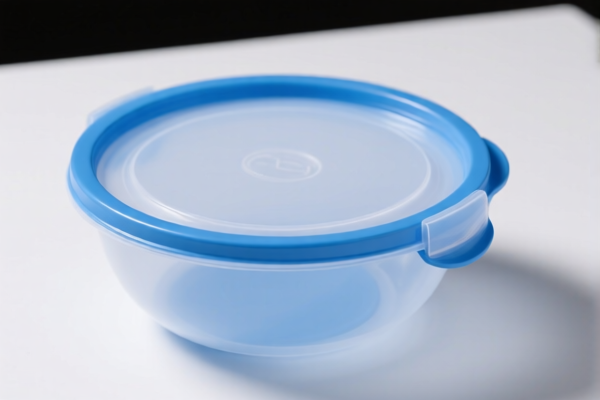
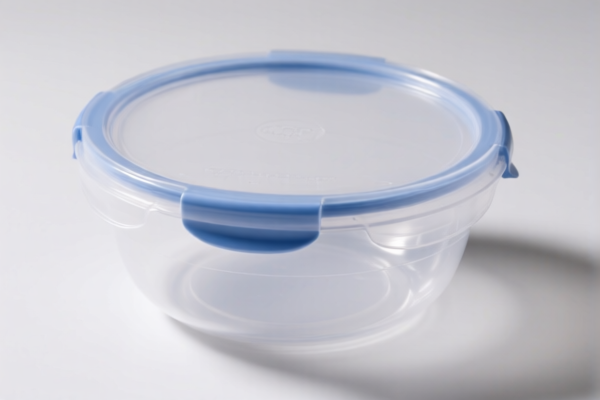
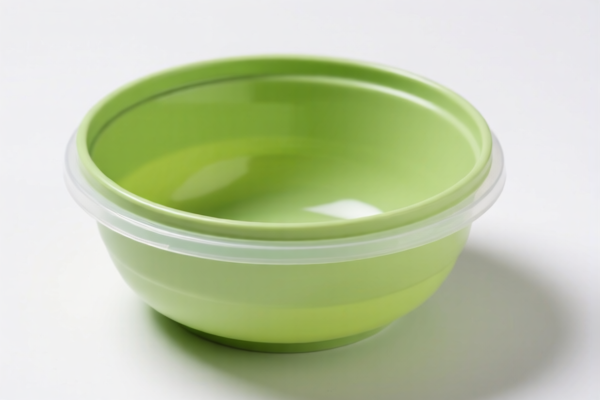
AI分析
🥗 Food Storage Covers: Precision Classification & 2026 Clearance Guide
🌐 HS Code Reference & Customs Clearance Strategy | 2026 Latest Tariff Analysis | Professional Compliance Guide
📌 I. Product Definition & Classification: Do You Really Understand "Food Storage Covers"?
Food storage covers are essential items in modern kitchens, designed to preserve food freshness and prevent contamination. In international trade, they are not a single unified category but are strictly differentiated by material and function. Misclassification can lead to severe penalties or shipment delays due to the high 301/122 section tariffs applied to Chinese-origin goods.
Plastic Covers: Includes lids, films, and seals made of polymers. Glass Covers: Rigid, transparent closures often used with jars and bowls. Metal Covers: Closures made of base metals, such as screw-top lids for jars.
⚠️ Key Distinction Point:
- If the item is primarily a lid or cap for sealing a container, it falls under Chapter 39, 70, or 83 depending on material. - If it is part of a complete set (e.g., a glass jar with a metal lid), the container usually dictates the classification, not the lid. - Crucial Note: All items listed below are subject to heavy US import duties (Base + 301 + Section 122).
📦 II. HS Code Classification Details (2026 Latest Tariff Authority Comparison)
| HS Code | Product Description | Application Scenario | Material |
|---|---|---|---|
3923.50.00.00 |
Plastic articles for the conveyance or packing of goods, other than articles of subheading 3923.10 or 3923.21 (e.g., specific plugs/caps) | Plastic snap-on lids, silicone seals, plastic film covers | ✅ Plastic |
7010.20.20.00 |
Glass stoppers, lids, and other closures for glass containers | Glass jar lids, rigid glass domes for cakes or bowls | ✅ Glass |
3923.10.90.00 |
Plastic articles for the conveyance or packing of goods, other than articles of subheading 3923.21 or 3923.22 | Plastic screw caps, plugs, stoppers, and general plastic closures | ✅ Plastic |
8309.90.00.80 |
Closures of base metal (other than precious metal), other than crown corks, screw caps, etc. | Metal jar lids, aluminum foil seals, metal twist-offs | ✅ Base Metal |
8309.90.00.85 |
Other closures of base metal (unspecified) | Miscellaneous metal closures not fitting other specific subheadings | ✅ Base Metal |
🔍 Critical Reminder:
- Plastic vs. Plastic:3923.50.00.00is for general packing/carrying items, while3923.10.90.00is specifically for plugs, stoppers, and caps. Ensure you select the one that best matches the specific shape and function of your cover. - Metal Closures:8309.90.00.80and.85are very similar..80often covers specific common types, while.85is a residual category. Both carry the same tax burden in this context.
💰 III. 2026 Latest Tariff Rate Detailed Breakdown (Including Surtaxes)
✅ Applicable Country: United States (US)
✅ Origin: China (CN)
✅ Effective Time: Current rates apply including all surtaxes.
🎯 1. 3923.50.00.00 —— Plastic Food Covers (General)
| Item | Content |
|---|---|
| Base Tariff | 5.3% (ad valorem) |
| Section 301 Surtax | +25.0% (From USITC Footnote) |
| Section 122 Surtax | +10.0% (Specific provision for certain goods) |
| Total Tax Rate | 40.3% |
| Tax Calculation | CIF Value × 40.3% |
| De Minimis Exemption | ❌ Not Available (Subject to strict scrutiny) |
| Legal Basis Path | USITC:3923.50.00.00 → SECTION301 → SECTION122 |
📌 Explanation:
- The 5.3% is the standard MFN rate. - The 25% is the standard Trump-era Section 301 tariff on Chinese plastic goods. - The 10% is an additional levy (often associated with specific trade measures or Section 122). - Total Cost Impact: Nearly 40% extra cost on top of product price. This is very high.
🎯 2. 7010.20.20.00 —— Glass Food Covers
| Item | Content |
|---|---|
| Base Tariff | 2.5% |
| Section 301 Surtax | +25.0% |
| Section 122 Surtax | +10.0% |
| Total Tax Rate | 37.5% |
| Tax Calculation | CIF Value × 37.5% |
| De Minimis Exemption | ❌ Not Available |
| Legal Basis Path | USITC:7010.20.20.00 → SECTION301 → SECTION122 |
📌 Note:
- Glass closures have a slightly lower base rate (2.5%) compared to plastics (5.3%), but the surtaxes are identical. - Still, 37.5% is a massive barrier to entry.
🎯 3. 3923.10.90.00 —— Plastic Plugs, Stoppers, Caps
| Item | Content |
|---|---|
| Base Tariff | 3.0% |
| Section 301 Surtax | +25.0% |
| Section 122 Surtax | +10.0% |
| Total Tax Rate | 38.0% |
| Tax Calculation | CIF Value × 38.0% |
| De Minimis Exemption | ❌ Not Available |
| Legal Basis Path | USITC:3923.10.90.00 → SECTION301 → SECTION122 |
📌 Note:
- Slightly higher base than some plastics, but lower than3923.50. - Often misclassified if the item is a simple screw cap.
🎯 4. 8309.90.00.80 & .85 —— Metal Food Covers
| Item | Content |
|---|---|
| Base Tariff | 2.6% |
| Section 301 Surtax | +25.0% |
| Section 122 Surtax | +10.0% |
| Total Tax Rate | 37.6% |
| Tax Calculation | CIF Value × 37.6% |
| De Minimis Exemption | ❌ Not Available |
| Legal Basis Path | USITC:8309.90.00.80/85 → SECTION301 → SECTION122 |
📌 Note:
- Metal closures are generally cheaper in base tariff (2.6%) but still face the full burden of Section 301 and 122 taxes. - Total Rate: 37.6%.
🛠️ IV. Customs Clearance Practical Advice (Pitfall Avoidance Guide)
✅ 1. Preparation Checklist (Non-negotiable)
| Document | Required | Description |
|---|---|---|
| ✅ Product Specifications | ✔️ | Material composition (e.g., 100% Food Grade Silicone, Borosilicate Glass), dimensions, capacity. |
| ✅ Photos | ✔️ | Clear images of the cover, including any logo, text, or "Food Safe" markings. |
| ✅ Declaration Statement | ✔️ | Explicitly state: "Food Storage Cover for sealing containers." Avoid vague terms like "Kitchen Accessory." |
| ✅ Material Proof | ✔️ | Certificate of Analysis (COA) proving food-grade safety if requested. |
| ✅ Commercial Invoice | ✔️ | Must match the HS Code and describe the item accurately. |
✅ 2. Declaration Tips (Key Rules)
🔥 "Material Dictates HS, Section 301 Dictates Cost!"
| Scenario | Correct Declaration | Common Mistake | Consequence |
|---|---|---|---|
| Silicone Cover | 3923.50.00.00 or 3923.10.90.00 |
Declared as "Kitchen Tool" (84.79) | Wrong Code, potential audit. |
| Glass Lid | 7010.20.20.00 |
Declared as "Glassware" (70.13) | Wrong Code, 70.13 may have different rates but is still subject to surtaxes. |
| Metal Jar Lid | 8309.90.00.80 |
Declared as "Part of Jar" | If sold separately, must declare separately. |
| Set (Jar + Lid) | Declare as Container (e.g., Glass Jar) | Declare Lid separately | Set Rule: The container usually governs. If declared separately, each item is taxed. |
📌 Critical Warning:
- Do NOT attempt to use the de minimis (Section 321) exemption for these items if they are classified under these HS codes. US Customs is increasingly targeting low-value shipments of Chinese-origin goods that are subject to Section 301 and Section 122 tariffs. - If you are shipping directly to the US, ensure your supplier has already accounted for the 37%-40% tax burden in the pricing.
✅ 3. Special Case Handling
| Scenario | Handling Advice |
|---|---|
| OEM Branded Covers | Provide a letter from the brand owner authorizing use of the trademark. |
| Custom Sizes | Clearly state "Custom Sized" in the description to avoid confusion with standard sizes. |
| Packaging | If covers are vacuum-packed in plastic, the outer plastic packaging is usually ignored for classification, but ensure it doesn't change the fundamental nature of the goods. |
🌍 V. Global Market Comparison (2026 Latest)
| Country/Region | Recommended HS Code | Estimated Duty (China Origin) | Key Certification | Notes |
|---|---|---|---|---|
| 🇺🇸 USA | See HS Codes above | 37.5% - 40.3% (incl. Surtaxes) | FDA (if applicable) | Highest Cost Market. Section 301 + 122 makes US imports very expensive. |
| 🇨🇳 China | Same HS Codes | ~2.5% - 5.3% (Import Duty) | CCC (if applicable) | No Section 301/122 for domestic sale. |
| 🇪🇺 EU | 39.23 / 70.10 / 83.09 | 0% - 6.5% (Standard) | LFGB / Food Contact | No Section 301/122. Much more competitive. |
| 🇬🇧 UK | Same as EU | 0% - 6.5% | UKCA / Food Contact | Post-Brexit tariffs apply, but no US-style surtaxes. |
| 🇦🇺 Australia | Same HS Codes | 5% - 10% | FSANZ Standards | Moderate duty, no US-style surtaxes. |
📌 Conclusion:
- USA is the most difficult market for Chinese food storage covers due to the cumulative effect of Base Tariff + Section 301 (25%) + Section 122 (10%). - Total Tax Burden: ~38-40%. This significantly impacts profitability. - Strategy: Consider pricing strategies to absorb cost, or explore supply chain diversification to non-China origins if targeting the US market aggressively.
📌 VI. Common Errors & Pitfall Guide (Lessons Learned)
❌ Error 1: Declaring Plastic Covers as "Kitchen Utensils" (84.79)
👉 Consequence: Incorrect classification. US Customs will reclassify and assess 301/122 tariffs retroactively + penalties.
❌ Error 2: Ignoring Section 122 Tariff
👉 Consequence: Underpayment of duty. The 10% Section 122 tariff is mandatory for these goods. Failure to pay leads to holds and fines.
❌ Error 3: Misclassifying Metal Lids as "Hardware" (73.26)
👉 Consequence: Wrong HS Code. Metal closures for bottles/jars are specifically in 83.09.
❌ Error 4: Assuming De Minimis Exemption Applies
👉 Consequence: For Chinese-origin goods in these categories, de minimis is often blocked or subject to strict enforcement. Do not rely on it.
✅ Correct Approach:
"Silicone Food Storage Cover, 8-inch, BPA-Free, for sealing bowls, HS Code 3923.50.00.00, Origin: China, Subject to 301/122 Tariffs."
🎯 VII. Conclusion: Precision Classification for Cost Control
🎯 Remember the Mantra:
🔹 "Material Determines HS, US Tariffs Destroy Margin!"
🔹 "301 + 122 = ~35% Extra Cost. Plan Ahead!"
📌 Pro Tip:
If you are importing to the US, calculate the Landed Cost including the 37.5%-40.3% total duty rate.
Consider:
1. Negotiating Price with suppliers to offset tariff costs.
2. Reclassifying if possible (e.g., if a plastic item can be classified under a different subheading with a lower base rate, though surtaxes may still apply).
3. Supply Chain Shift: Sourcing from Vietnam or Mexico to avoid Section 301/122 (if applicable).
📣 Immediate Action:
📞 Verify HS Code with your customs broker before shipment.
📄 Include Tariff Costs in your financial modeling.
🚀 Ensure Compliance to avoid seizure or delay.
✨ Professional Clearance Starts with Accurate Classification!
💼 Every Percent of Duty Counts in the Profit Equation!
用户评价
关于 HS 编码归类
协调制度(HS)是由世界海关组织(WCO)制定的国际贸易商品分类标准。全球 200 多个国家采用 HS 系统作为海关关税、贸易统计和进出口监管的基础。
每个 HS 编码遵循以下层级结构:
- 章(2 位)——商品大类(例如:第 84 章:机器和机械设备)
- 品目(4 位)——章内的更具体分类
- 子目(6 位)——国际通用细分,所有 WCO 成员国统一使用
- 本国细分(8-10 位)——各国自行扩展的细分编码,如美国 HTSUS 10 位编码
正确的 HS 编码归类对于顺利通关、准确缴纳关税和遵守贸易法规至关重要。错误归类可能导致海关延误、多缴关税或罚款。
从CN进口到US时,适用的关税税率可能包括:
- 最惠国(MFN)税率——适用于 WTO 成员国的标准关税税率
- 普通税率——适用于无贸易协定国家
- 贸易救济关税——附加关税,如 301 条款(反倾销)、232 条款(国家安全)或反补贴税
本页内容仅供参考。如需正式归类,请咨询当地海关或持牌报关代理。