Food Storage Cover
CN → US| HS Code | Tariff Rate | Origin | Destination | Doc |
|---|---|---|---|---|
| 3923500000 | 40.3% | CN | US | Official Doc |
| 7010202000 | 37.5% | CN | US | Official Doc |
| 3923109000 | 38.0% | CN | US | Official Doc |
| 8309900080 | 37.6% | CN | US | Official Doc |
| 8309900085 | 37.6% | CN | US | Official Doc |
Product Images

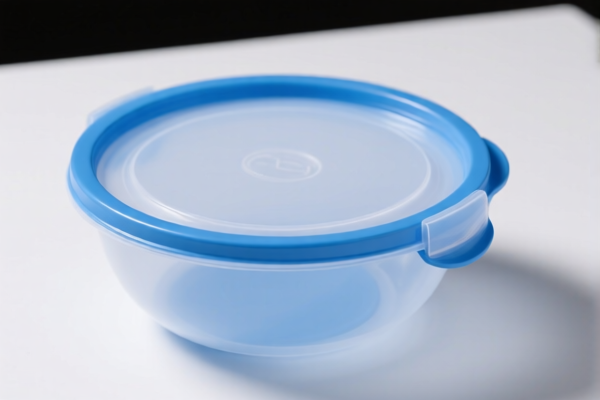
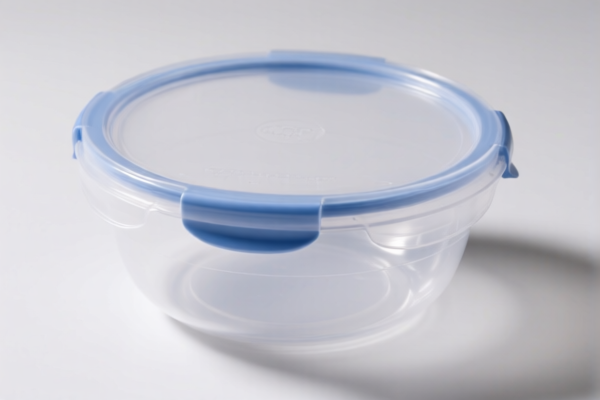
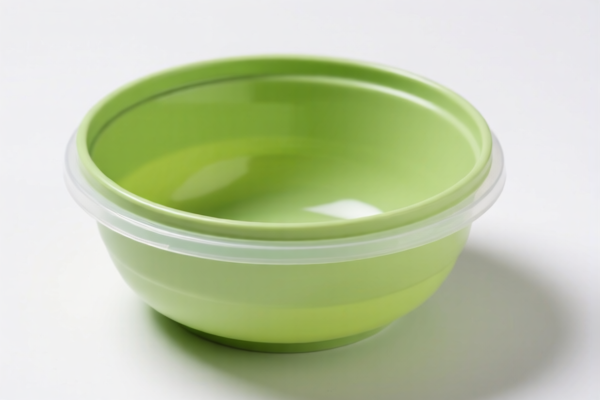
AI Analysis
🥗 Food Storage Covers: Precision Classification & 2026 Clearance Guide
🌐 HS Code Reference & Customs Clearance Strategy | 2026 Latest Tariff Analysis | Professional Compliance Guide
📌 I. Product Definition & Classification: Do You Really Understand "Food Storage Covers"?
Food storage covers are essential items in modern kitchens, designed to preserve food freshness and prevent contamination. In international trade, they are not a single unified category but are strictly differentiated by material and function. Misclassification can lead to severe penalties or shipment delays due to the high 301/122 section tariffs applied to Chinese-origin goods.
Plastic Covers: Includes lids, films, and seals made of polymers. Glass Covers: Rigid, transparent closures often used with jars and bowls. Metal Covers: Closures made of base metals, such as screw-top lids for jars.
⚠️ Key Distinction Point:
- If the item is primarily a lid or cap for sealing a container, it falls under Chapter 39, 70, or 83 depending on material. - If it is part of a complete set (e.g., a glass jar with a metal lid), the container usually dictates the classification, not the lid. - Crucial Note: All items listed below are subject to heavy US import duties (Base + 301 + Section 122).
📦 II. HS Code Classification Details (2026 Latest Tariff Authority Comparison)
| HS Code | Product Description | Application Scenario | Material |
|---|---|---|---|
3923.50.00.00 |
Plastic articles for the conveyance or packing of goods, other than articles of subheading 3923.10 or 3923.21 (e.g., specific plugs/caps) | Plastic snap-on lids, silicone seals, plastic film covers | ✅ Plastic |
7010.20.20.00 |
Glass stoppers, lids, and other closures for glass containers | Glass jar lids, rigid glass domes for cakes or bowls | ✅ Glass |
3923.10.90.00 |
Plastic articles for the conveyance or packing of goods, other than articles of subheading 3923.21 or 3923.22 | Plastic screw caps, plugs, stoppers, and general plastic closures | ✅ Plastic |
8309.90.00.80 |
Closures of base metal (other than precious metal), other than crown corks, screw caps, etc. | Metal jar lids, aluminum foil seals, metal twist-offs | ✅ Base Metal |
8309.90.00.85 |
Other closures of base metal (unspecified) | Miscellaneous metal closures not fitting other specific subheadings | ✅ Base Metal |
🔍 Critical Reminder:
- Plastic vs. Plastic:3923.50.00.00is for general packing/carrying items, while3923.10.90.00is specifically for plugs, stoppers, and caps. Ensure you select the one that best matches the specific shape and function of your cover. - Metal Closures:8309.90.00.80and.85are very similar..80often covers specific common types, while.85is a residual category. Both carry the same tax burden in this context.
💰 III. 2026 Latest Tariff Rate Detailed Breakdown (Including Surtaxes)
✅ Applicable Country: United States (US)
✅ Origin: China (CN)
✅ Effective Time: Current rates apply including all surtaxes.
🎯 1. 3923.50.00.00 —— Plastic Food Covers (General)
| Item | Content |
|---|---|
| Base Tariff | 5.3% (ad valorem) |
| Section 301 Surtax | +25.0% (From USITC Footnote) |
| Section 122 Surtax | +10.0% (Specific provision for certain goods) |
| Total Tax Rate | 40.3% |
| Tax Calculation | CIF Value × 40.3% |
| De Minimis Exemption | ❌ Not Available (Subject to strict scrutiny) |
| Legal Basis Path | USITC:3923.50.00.00 → SECTION301 → SECTION122 |
📌 Explanation:
- The 5.3% is the standard MFN rate. - The 25% is the standard Trump-era Section 301 tariff on Chinese plastic goods. - The 10% is an additional levy (often associated with specific trade measures or Section 122). - Total Cost Impact: Nearly 40% extra cost on top of product price. This is very high.
🎯 2. 7010.20.20.00 —— Glass Food Covers
| Item | Content |
|---|---|
| Base Tariff | 2.5% |
| Section 301 Surtax | +25.0% |
| Section 122 Surtax | +10.0% |
| Total Tax Rate | 37.5% |
| Tax Calculation | CIF Value × 37.5% |
| De Minimis Exemption | ❌ Not Available |
| Legal Basis Path | USITC:7010.20.20.00 → SECTION301 → SECTION122 |
📌 Note:
- Glass closures have a slightly lower base rate (2.5%) compared to plastics (5.3%), but the surtaxes are identical. - Still, 37.5% is a massive barrier to entry.
🎯 3. 3923.10.90.00 —— Plastic Plugs, Stoppers, Caps
| Item | Content |
|---|---|
| Base Tariff | 3.0% |
| Section 301 Surtax | +25.0% |
| Section 122 Surtax | +10.0% |
| Total Tax Rate | 38.0% |
| Tax Calculation | CIF Value × 38.0% |
| De Minimis Exemption | ❌ Not Available |
| Legal Basis Path | USITC:3923.10.90.00 → SECTION301 → SECTION122 |
📌 Note:
- Slightly higher base than some plastics, but lower than3923.50. - Often misclassified if the item is a simple screw cap.
🎯 4. 8309.90.00.80 & .85 —— Metal Food Covers
| Item | Content |
|---|---|
| Base Tariff | 2.6% |
| Section 301 Surtax | +25.0% |
| Section 122 Surtax | +10.0% |
| Total Tax Rate | 37.6% |
| Tax Calculation | CIF Value × 37.6% |
| De Minimis Exemption | ❌ Not Available |
| Legal Basis Path | USITC:8309.90.00.80/85 → SECTION301 → SECTION122 |
📌 Note:
- Metal closures are generally cheaper in base tariff (2.6%) but still face the full burden of Section 301 and 122 taxes. - Total Rate: 37.6%.
🛠️ IV. Customs Clearance Practical Advice (Pitfall Avoidance Guide)
✅ 1. Preparation Checklist (Non-negotiable)
| Document | Required | Description |
|---|---|---|
| ✅ Product Specifications | ✔️ | Material composition (e.g., 100% Food Grade Silicone, Borosilicate Glass), dimensions, capacity. |
| ✅ Photos | ✔️ | Clear images of the cover, including any logo, text, or "Food Safe" markings. |
| ✅ Declaration Statement | ✔️ | Explicitly state: "Food Storage Cover for sealing containers." Avoid vague terms like "Kitchen Accessory." |
| ✅ Material Proof | ✔️ | Certificate of Analysis (COA) proving food-grade safety if requested. |
| ✅ Commercial Invoice | ✔️ | Must match the HS Code and describe the item accurately. |
✅ 2. Declaration Tips (Key Rules)
🔥 "Material Dictates HS, Section 301 Dictates Cost!"
| Scenario | Correct Declaration | Common Mistake | Consequence |
|---|---|---|---|
| Silicone Cover | 3923.50.00.00 or 3923.10.90.00 |
Declared as "Kitchen Tool" (84.79) | Wrong Code, potential audit. |
| Glass Lid | 7010.20.20.00 |
Declared as "Glassware" (70.13) | Wrong Code, 70.13 may have different rates but is still subject to surtaxes. |
| Metal Jar Lid | 8309.90.00.80 |
Declared as "Part of Jar" | If sold separately, must declare separately. |
| Set (Jar + Lid) | Declare as Container (e.g., Glass Jar) | Declare Lid separately | Set Rule: The container usually governs. If declared separately, each item is taxed. |
📌 Critical Warning:
- Do NOT attempt to use the de minimis (Section 321) exemption for these items if they are classified under these HS codes. US Customs is increasingly targeting low-value shipments of Chinese-origin goods that are subject to Section 301 and Section 122 tariffs. - If you are shipping directly to the US, ensure your supplier has already accounted for the 37%-40% tax burden in the pricing.
✅ 3. Special Case Handling
| Scenario | Handling Advice |
|---|---|
| OEM Branded Covers | Provide a letter from the brand owner authorizing use of the trademark. |
| Custom Sizes | Clearly state "Custom Sized" in the description to avoid confusion with standard sizes. |
| Packaging | If covers are vacuum-packed in plastic, the outer plastic packaging is usually ignored for classification, but ensure it doesn't change the fundamental nature of the goods. |
🌍 V. Global Market Comparison (2026 Latest)
| Country/Region | Recommended HS Code | Estimated Duty (China Origin) | Key Certification | Notes |
|---|---|---|---|---|
| 🇺🇸 USA | See HS Codes above | 37.5% - 40.3% (incl. Surtaxes) | FDA (if applicable) | Highest Cost Market. Section 301 + 122 makes US imports very expensive. |
| 🇨🇳 China | Same HS Codes | ~2.5% - 5.3% (Import Duty) | CCC (if applicable) | No Section 301/122 for domestic sale. |
| 🇪🇺 EU | 39.23 / 70.10 / 83.09 | 0% - 6.5% (Standard) | LFGB / Food Contact | No Section 301/122. Much more competitive. |
| 🇬🇧 UK | Same as EU | 0% - 6.5% | UKCA / Food Contact | Post-Brexit tariffs apply, but no US-style surtaxes. |
| 🇦🇺 Australia | Same HS Codes | 5% - 10% | FSANZ Standards | Moderate duty, no US-style surtaxes. |
📌 Conclusion:
- USA is the most difficult market for Chinese food storage covers due to the cumulative effect of Base Tariff + Section 301 (25%) + Section 122 (10%). - Total Tax Burden: ~38-40%. This significantly impacts profitability. - Strategy: Consider pricing strategies to absorb cost, or explore supply chain diversification to non-China origins if targeting the US market aggressively.
📌 VI. Common Errors & Pitfall Guide (Lessons Learned)
❌ Error 1: Declaring Plastic Covers as "Kitchen Utensils" (84.79)
👉 Consequence: Incorrect classification. US Customs will reclassify and assess 301/122 tariffs retroactively + penalties.
❌ Error 2: Ignoring Section 122 Tariff
👉 Consequence: Underpayment of duty. The 10% Section 122 tariff is mandatory for these goods. Failure to pay leads to holds and fines.
❌ Error 3: Misclassifying Metal Lids as "Hardware" (73.26)
👉 Consequence: Wrong HS Code. Metal closures for bottles/jars are specifically in 83.09.
❌ Error 4: Assuming De Minimis Exemption Applies
👉 Consequence: For Chinese-origin goods in these categories, de minimis is often blocked or subject to strict enforcement. Do not rely on it.
✅ Correct Approach:
"Silicone Food Storage Cover, 8-inch, BPA-Free, for sealing bowls, HS Code 3923.50.00.00, Origin: China, Subject to 301/122 Tariffs."
🎯 VII. Conclusion: Precision Classification for Cost Control
🎯 Remember the Mantra:
🔹 "Material Determines HS, US Tariffs Destroy Margin!"
🔹 "301 + 122 = ~35% Extra Cost. Plan Ahead!"
📌 Pro Tip:
If you are importing to the US, calculate the Landed Cost including the 37.5%-40.3% total duty rate.
Consider:
1. Negotiating Price with suppliers to offset tariff costs.
2. Reclassifying if possible (e.g., if a plastic item can be classified under a different subheading with a lower base rate, though surtaxes may still apply).
3. Supply Chain Shift: Sourcing from Vietnam or Mexico to avoid Section 301/122 (if applicable).
📣 Immediate Action:
📞 Verify HS Code with your customs broker before shipment.
📄 Include Tariff Costs in your financial modeling.
🚀 Ensure Compliance to avoid seizure or delay.
✨ Professional Clearance Starts with Accurate Classification!
💼 Every Percent of Duty Counts in the Profit Equation!
Customer Reviews
About HS Code Classification
The Harmonized System (HS) is an internationally standardized nomenclature developed by the World Customs Organization (WCO) to classify traded products. Over 200 countries use the HS system as the basis for customs tariffs, trade statistics, and import/export regulations.
Each HS code follows a hierarchical structure:
- Chapter (2 digits) — Broad category of goods (e.g., Chapter 84: Machinery and Mechanical Appliances)
- Heading (4 digits) — More specific grouping within the chapter
- Subheading (6 digits) — Internationally standardized breakdown, used by all WCO member countries
- National subdivisions (8-10 digits) — Country-specific extensions for further classification, such as US HTSUS 10-digit codes
Correct HS code classification is essential for smooth customs clearance, accurate duty payment, and compliance with trade regulations. Misclassification can lead to customs delays, overpayment of duties, or penalties.
When importing from CN to US, the applicable tariff rates may include:
- Most-Favored-Nation (MFN) rate — The standard duty rate applied to WTO members
- General rate — Applied to countries without trade agreements
- Trade remedy duties — Additional tariffs such as Section 301 (anti-dumping), Section 232 (national security), or countervailing duties
The information provided on this page is for reference purposes only. For official classification, please consult with your local customs authority or a licensed customs broker.