Food Weight Unit
CN → US| HS编码 | 关税税率 | 原产国 | 目的国 | 文档 |
|---|---|---|---|---|
| 8423810020 | 35.0% | CN | US | 官方文档 |
| 8423810030 | 35.0% | CN | US | 官方文档 |
| 3924104000 | 13.4% | CN | US | 官方文档 |
| 3924905650 | 20.9% | CN | US | 官方文档 |
商品图片
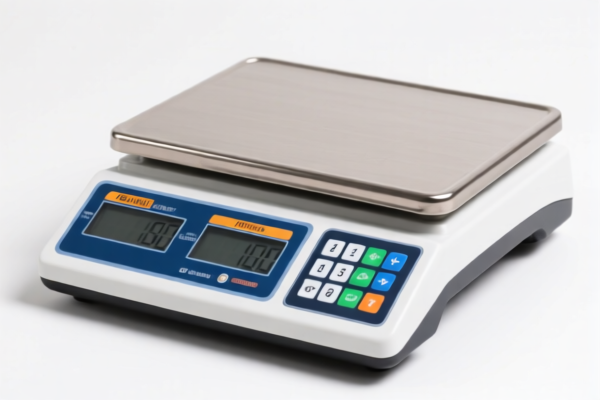
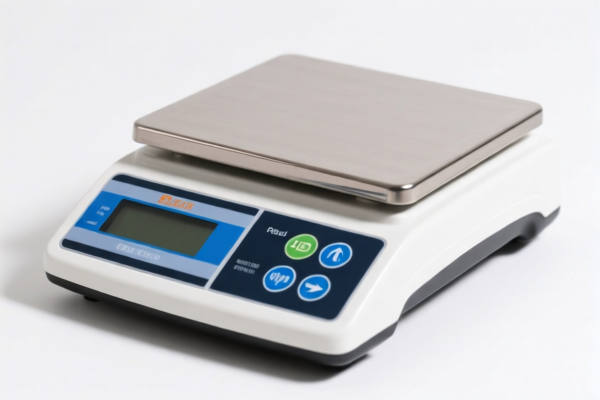
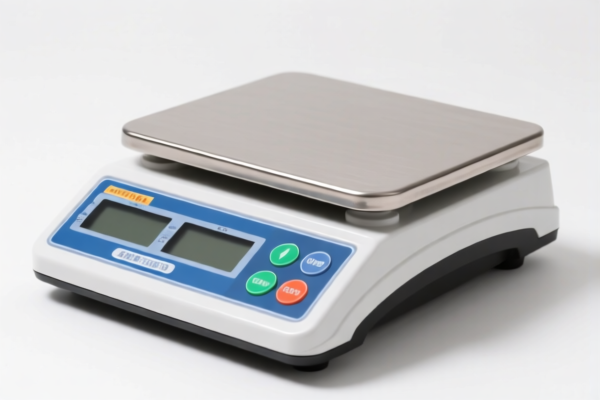
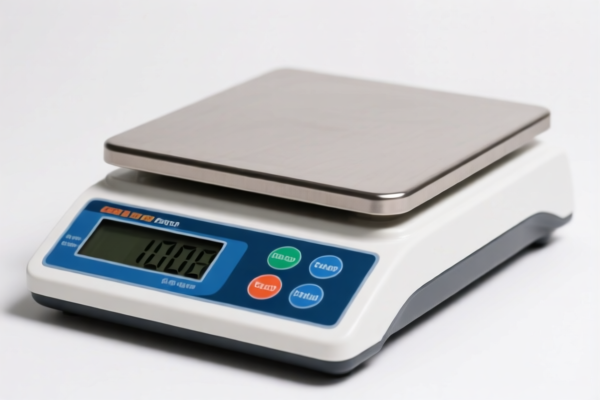
AI分析
🍎 Food Weight Unit Conversion & Logistics Guide
🌐 Global Standards for Food Weight | 2026 Compliance & Customs Clarity
📌 One Product, Many Units: How to Declare Weight Correctly for Customs & Commerce
When importing, exporting, or labeling food products, understanding the correct weight unit is critical—not just for consumer clarity, but for customs classification, tariff calculation, and regulatory compliance.
Food weight is typically expressed in three main systems:
- Metric System (kg/g) – Most of the world (EU, China, Asia, Africa)
- Imperial/US Customary System (lb/oz) – United States, United Kingdom (partially)
- Mixed/Contextual Units (dozens, pieces, cases) – Often used for packaging and logistics
⚠️ Key Insight:
- Customs duties are based on weight, not volume or count.
- Incorrect unit declaration = delayed clearance, fines, or reclassification.
📦 Primary Food Weight Units Explained
1. Kilogram (kg) & Gram (g) – 🌍 Global Standard
- Used in: EU, China, India, Japan, most of Asia, Africa, South America
- Customs Relevance:
- HS Codes for food items (e.g.,
0901.21for roasted coffee,1006.30for broken rice) are declared in kg - Tariff rates are often ad valorem (based on value), but anti-dumping duties may be per kg
- Labeling Requirement:
- EU: Must show net weight in grams (g) or kilograms (kg)
- China: Mandatory GB standard labeling in g or kg
2. Pound (lb) & Ounce (oz) – 🇺🇸 US & UK
- Used in: United States, United Kingdom (largely), Canada (dual labeling)
- Customs Relevance:
- US Customs (CBP) accepts lb for most food declarations
- 1 lb = 0.453592 kg – Conversion is critical for duty calculation
- Example: Coffee (
0901.21.20.00) declared in lb in US, but kg in EU - Labeling Requirement:
- US FDA: Net weight in oz (for small items) or lb
- UK: Post-Brexit, still allows g or oz, but g is encouraged
3. Case/Carton/Pallet Weight – 📦 Logistics & Bulk
- Used in: B2B trade, warehousing, shipping
- Customs Relevance:
- Not declared as primary unit for HS Code
- Used for freight calculation, not tariff
- Example: 1 pallet = 24 cases = 144 kg of frozen meat
- Important: Always provide gross weight and net weight separately
🧮 Conversion Table: Food Weight Units
| From | To | Factor |
|---|---|---|
| 1 kg | lb | 2.20462 |
| 1 lb | kg | 0.453592 |
| 1 g | oz | 0.035274 |
| 1 oz | g | 28.3495 |
| 1 ton (metric) | lb | 2204.62 |
| 1 short ton (US) | kg | 907.185 |
🔍 Pro Tip:
- For US Customs, convert all weights to lb if required by HS Code
- For EU/China, always use kg or g
- Never mix units in one declaration – consistency is key
📋 How to Declare Weight in Customs
✅ Best Practices
- Net Weight vs. Gross Weight
- Net Weight: Product only (without packaging) – Used for tariffs
- Gross Weight: Product + packaging – Used for freight
-
Example: 10 kg of chocolate (net) in 12 kg box (gross) → Declare 10 kg net for duty
-
Unit Consistency
- If HS Code says “per kg”, declare in kg
- If HS Code says “per lb”, declare in lb
-
Check HS Code description carefully
-
Dual Declaration (Recommended)
- Provide both kg and lb in commercial invoice
-
Example:
Net Weight: 5 kg (11.02 lb) Gross Weight: 5.2 kg (11.47 lb)
-
Packaging Weight Deduction
- If packaging is significant (e.g., canned goods), deduct tare weight
- Example: 1 kg can + 200g label + 50g cap = 1.25 kg gross → Declare 1.0 kg net
🚫 Common Mistakes & How to Avoid Them
| Mistake | Consequence | Solution |
|---|---|---|
| Declaring gross weight instead of net weight | Overpayment of duties, penalties | Always specify net weight |
| Using oz in US for large items | CBP may reject or request conversion | Use lb for items >16 oz |
| Mixing kg and lb in one shipment | Customs delay, reclassification | Stick to one unit per product line |
| Not converting for US Customs | Incorrect duty calculation | Convert all weights to lb if required |
| Ignoring packaging weight | Under-declaration, fines | Deduct tare weight carefully |
📌 Real-World Example:
- Product: Frozen strawberries
- HS Code:0811.90.80.20(US)
- Declared Weight: 100 lb (net)
- Error: Declared as 100 kg → Overpayment by ~10%
- Fix: Always verify unit required by HS Code
🛠️ 清关实操建议(Customs Clearance Tips)
✅ 1. Prepare Weight Documentation
| Document | Requirement |
|---|---|
| ✅ Commercial Invoice | Must state net weight in correct unit |
| ✅ Packing List | Show gross weight, net weight, packaging type |
| ✅ Certificate of Origin | May require weight declaration for preferential tariffs |
| ✅ Product Label | Must match declared net weight |
✅ 2. Conversion Verification
- Use USDA or FAO standards for weight conversion
- For US Customs, use 1 lb = 0.453592 kg exactly
- For EU, use 1 kg = 1000 g
✅ 3. Special Cases
| Case | Advice |
|---|---|
| Liquid foods (e.g., oil, juice) | Declare in liters or kg (1 L water ≈ 1 kg) |
| Bulk commodities (e.g., grain, sugar) | Declare in metric tons or kg |
| Pre-packaged foods | Declare net weight per package |
| Frozen foods | Account for ice glazing weight |
🌍 Global Weight Declaration Standards by Region
| Region | Primary Unit | Customs Accepted Unit | Labeling Law |
|---|---|---|---|
| 🇺🇸 United States | lb/oz | lb | FDA: Net weight in oz/lb |
| 🇪🇺 European Union | kg/g | kg/g | EU Regulation 1169/2011 |
| 🇨🇳 China | kg/g | kg/g | GB 7718 Standard |
| 🇬🇧 United Kingdom | g/oz | g (preferred) | Post-Brexit: g/oz allowed |
| 🇯🇵 Japan | g/kg | g/kg | JAS Act |
| 🇦🇺 Australia | g/kg | g/kg | FSANZ Standard |
📌 Conclusion:
- Most of the world uses kg/g
- US uses lb/oz
- Always check HS Code requirements before declaring
📌 Common Errors & Pitfalls (Lessons Learned)
❌ Error 1: Declaring gross weight for duty calculation
👉 Result: Overpaying duties, possible audits
❌ Error 2: Using oz for large US shipments
👉 Result: CBP rejects, delays clearance
❌ Error 3: Not deducting packaging weight
👉 Result: Under-declaration, fines
❌ Error 4: Mixing kg and lb in one invoice
👉 Result: Customs confusion, manual review
✅ Correct Practice:
“Net Weight: 50 kg (110.23 lb) | Gross Weight: 52 kg (114.64 lb) | Package: 10 x 5 kg bags”
🎯 Conclusion: Precision in Weight = Success in Customs
🎯 Remember the Golden Rules:
🔹 “Net weight matters, not gross.”
🔹 “Check HS Code unit requirement before declaring.”
🔹 “Convert consistently – never mix kg and lb in one shipment.”
🔹 “Deduct packaging weight – it’s not part of the product.”
📌 Pro Tip:
If you’re shipping to multiple countries, use dual labeling (kg + lb) on your commercial invoice to avoid confusion.
📣 Immediate Action:
📞 Consult your customs broker + Verify HS Code weight unit + Convert correctly
🚀 Ensure smooth clearance, accurate duties, and happy customers!
✨ Precision in Weight, Precision in Trade!
💼 Every gram counts – in customs and in your profit margin!
用户评价
关于 HS 编码归类
协调制度(HS)是由世界海关组织(WCO)制定的国际贸易商品分类标准。全球 200 多个国家采用 HS 系统作为海关关税、贸易统计和进出口监管的基础。
每个 HS 编码遵循以下层级结构:
- 章(2 位)——商品大类(例如:第 84 章:机器和机械设备)
- 品目(4 位)——章内的更具体分类
- 子目(6 位)——国际通用细分,所有 WCO 成员国统一使用
- 本国细分(8-10 位)——各国自行扩展的细分编码,如美国 HTSUS 10 位编码
正确的 HS 编码归类对于顺利通关、准确缴纳关税和遵守贸易法规至关重要。错误归类可能导致海关延误、多缴关税或罚款。
从CN进口到US时,适用的关税税率可能包括:
- 最惠国(MFN)税率——适用于 WTO 成员国的标准关税税率
- 普通税率——适用于无贸易协定国家
- 贸易救济关税——附加关税,如 301 条款(反倾销)、232 条款(国家安全)或反补贴税
本页内容仅供参考。如需正式归类,请咨询当地海关或持牌报关代理。