Food grade PS Plate
CN → US商品图片
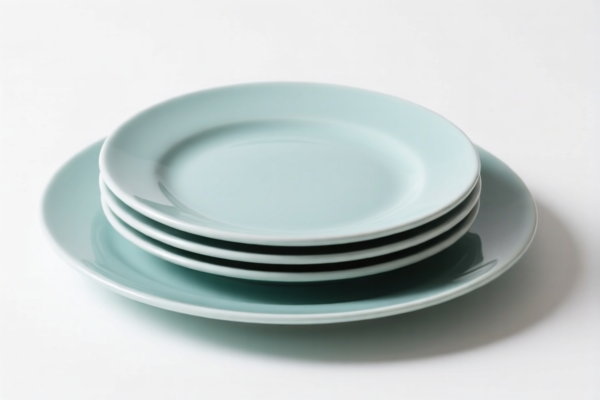
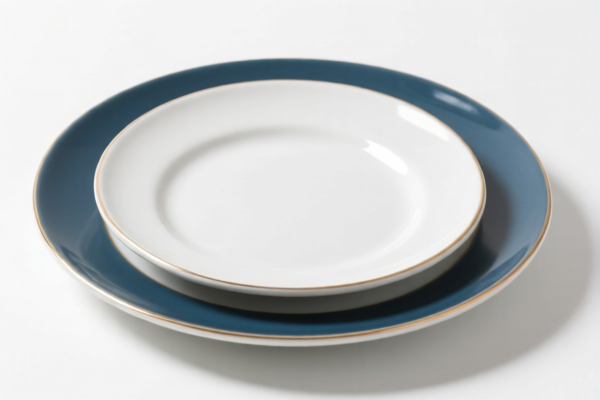
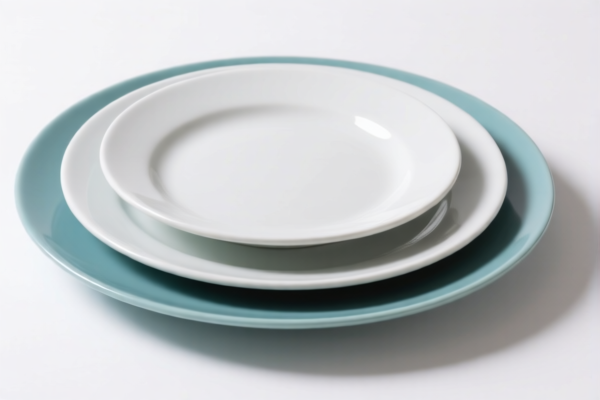
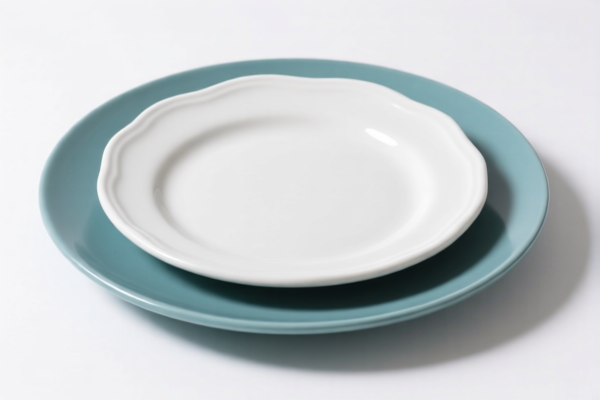
AI分析
🍽️ Food Grade PS Plate (Polystyrene Tableware)
🌐 HS Code Reference & Customs Clearance Guide | 2026 Latest Tariff Analysis | Professional Clearance Strategy
📌 1. Product Definition & Classification: Do You Really Know "Food Grade PS"?
Polystyrene (PS) plates are lightweight, rigid, and transparent plastic tableware widely used for single-use dining in the food service industry. In international trade, they fall under Chapter 39 (Plastics and Articles Thereof).
Key Distinction: * Food Grade PS: Must meet strict safety standards (e.g., FDA 21 CFR, EU Regulation 10/2011) for direct food contact. * Industrial/Non-Food PS: Not suitable for food contact; classified differently if contaminated or intended for other uses.
⚠️ Critical Compliance Point:
- If the plate is rigid, non-cellular, and intended for food contact, it is classified as Plates, Dishes, and Other Household/Kitchen Articles.
- If it is cellular foam (expanded polystyrene/EPS), it may fall under a different subheading.
- Always specify "Food Grade" and "Polystyrene" in commercial invoices.
📦 2. HS Code Classification Details (2026 Latest Tariff Authority Comparison)
| HS Code | Product Description | Application | Material Type | Food Contact? |
|---|---|---|---|---|
3924.10.00 |
Tableware and kitchenware, of plastics | PS plates, bowls, cups | Solid/Non-foam PS | ✅ Yes (if certified) |
3924.90.80 |
Other household/kitchen articles, of plastics | PS containers, lids, non-tableware | PS | ✅ Yes (if certified) |
3923.21.00 |
Sacks and bags, of polymers of ethylene | PS packaging bags (not plates) | PE/PP | ❌ No |
3921.90.99 |
Other plates, sheets, film, etc. | Raw PS sheets (not molded) | PS Sheets | ❌ No |
🔍 Key Reminder:
-3924.10.00is the primary HS Code for molded PS plates, dishes, and cups.
-3924.90.80is for other PS kitchenware not specifically plates/cups (e.g., storage containers).
- Foam PS (EPS) plates may still fall under3924.10.00but require specific declaration of "Expanded Polystyrene."
💰 3. 2026 Latest Tariff Rates Breakdown (Including Surtaxes)
✅ Applicable Country: United States (US)
✅ Origin: China (CN)
✅ Effective Date: Post-November 10, 2025 (including subsequent imports)
🎯 1. 3924.10.00 —— Tableware of Plastics (PS Plates)
| Item | Details |
|---|---|
| Base Tariff | 0% (ad valorem) |
| USITC Surtax | +25% (under USITC Footnote 9903.88.01) |
| IEEPA Surtax | +10% (for China/HK products, effective Nov 10, 2025) |
| Total Tariff | 35% |
| Tax Calculation | CIF Value × 35% |
| De Minimis Exemption | ❌ Not Eligible (deny_de_minimis) |
| Legal Basis Path | IEEPA:9903.01.25 → IEEPA:9903.01.24 → USITC:3924.10.00 → FOOTNOTE:9903.88.01 |
📌 Explanation:
- "USITC Surtax 25%": Part of Section 301 tariffs on Chinese plastics.
- "IEEPA 10%": Additional surtax under the International Emergency Economic Powers Act for Chinese goods.
- Total 35% is a high tariff, requiring advance cost planning.
🛠️ 4. Customs Clearance Practical Advice (Real-World Pitfall Avoidance)
✅ 1. Required Documentation Checklist (No Exceptions)
| Document | Required | Description |
|---|---|---|
| ✅ Product Specification Sheet | ✔️ | Material: 100% Polystyrene; Type: Food Grade; Molded/Expanded. |
| ✅ FDA Compliance Statement | ✔️ | Reference to 21 CFR 177.1580 (Polystyrene Resins). |
| ✅ EU 10/2011 Compliance (if applicable) | ✔️ | Declaration of Conformity for EU market. |
| ✅ Commercial Invoice | ✔️ | Clearly state "Food Grade PS Plates, HS 3924.10.00". |
| ✅ Packing List | ✔️ | Net/Gross weight, number of pieces per carton. |
| ✅ Test Reports | ✔️ | FDA Migration Test, Heavy Metal Test, Microbial Test. |
✅ 2. Declaration Tips (Key Mantra)
🔥 "Material Specific, Food Grade Stated, HS 3924.10, Avoid 3924.90!"
| Scenario | Correct Declaration | Incorrect Practice |
|---|---|---|
| Molded PS Plates | 3924.10.00 + "Food Grade" |
Misdeclare as "3924.90" → Higher scrutiny |
| EPS Foam Plates | 3924.10.00 + "Expanded PS" |
Omit "Expanded" → Classification dispute |
| Reusable PS Containers | 3924.90.80 |
Declare as "single-use plates" → Misclassification |
| Non-Food Decorative PS | 3926.90.99 |
Declare as "Food Grade" → Customs Hold/Fine |
✅ 3. Special Case Handling
| Situation | Recommendation |
|---|---|
| OEM Custom Plates | Provide design specs + material certificate to prove food safety. |
| Colored/Printed Plates | Declare ink composition; ensure inks are also food-contact compliant. |
| Mixed Containers | Separate PS plates from non-PS items to avoid misclassification. |
| Small B2C Shipments | Note: De Minimis ($800) is NOT available for China-origin goods under IEEPA. |
🌍 5. Global Market Clearance Comparison (2026 Latest)
| Country/Region | Recommended HS Code | Tariff (China Origin) | Certification | Remarks |
|---|---|---|---|---|
| 🇺🇸 USA | 3924.10.00 |
35% (25% + 10%) | FDA Compliance | High tariff impact |
| 🇨🇳 China | 3924.10.00 |
5-10% | GB 4806 (China Food Standard) | No surtax |
| 🇪🇺 EU | 3924.10.00 |
0-3% (if MFN) | EU 10/2011 + REACH | Low tariff, strict safety |
| 🇬🇧 UK | 3924.10.00 |
0% (Post-Brexit GSP) | UKCA + Food Standards | Check post-Brexit rules |
| 🇯🇵 Japan | 3924.10.00 |
0-3% | JFSL + Food Hygiene Act | Strict migration tests |
📌 Conclusion:
- USA has the highest tariff burden for PS tableware due to trade wars.
- EU/UK/Japan have low tariffs but strict food safety certifications.
- China has moderate tariffs and local GB standards.
📌 6. Common Errors & Pitfall Guide (Lessons Learned)
❌ Error 1: Declaring "Plastic Plates" without specifying "Polystyrene"
👉 Consequence: Customs may classify under generic plastics with higher scrutiny or different duties.
❌ Error 2: Claiming "Food Grade" without FDA/EU documentation
👉 Consequence: Shipment held, fined, or destroyed for non-compliance.
❌ Error 3: Using "3924.90" for standard plates
👉 Consequence: Potential underpayment if base rate differs; administrative penalties.
❌ Error 4: Ignoring IEEPA 10% surtax in cost calculations
👉 Consequence: Unexpected 35% total tariff instead of expected 10-15%.
✅ Correct Approach:
"Polystyrene Plates, Food Grade, Molded, Not Foam, Compliant with FDA 21 CFR 177.1580, HS 3924.10.00"
🎯 7. Conclusion: Professional Declaration Saves Money!
🎯 Remember:
🔹 "Material Matters, Food Safety First, HS 3924.10, US Tariff 35%!"
🔹 "No De Minimis for China, Plan Costs Early!"
📌 Tips:
- If your PS plates are sourced from Vietnam, Mexico, or Thailand, you may qualify for IEEPA exemption, reducing tariffs to 0-5%.
- Apply for Advance Rulings if unsure about classification.
- Ensure FDA migration tests are recent and valid for smooth clearance.
📣 Act Now:
📞 Consult a customs broker + Provide FDA certificates + Apply for HS Code Advance Ruling
🚀 Ensure smooth clearance, compliance, and cost control!
✨ Professional Customs Clearance Starts with Accurate Classification!
💼 Every Percent Saved is Profit Earned!
用户评价
关于 HS 编码归类
协调制度(HS)是由世界海关组织(WCO)制定的国际贸易商品分类标准。全球 200 多个国家采用 HS 系统作为海关关税、贸易统计和进出口监管的基础。
每个 HS 编码遵循以下层级结构:
- 章(2 位)——商品大类(例如:第 84 章:机器和机械设备)
- 品目(4 位)——章内的更具体分类
- 子目(6 位)——国际通用细分,所有 WCO 成员国统一使用
- 本国细分(8-10 位)——各国自行扩展的细分编码,如美国 HTSUS 10 位编码
正确的 HS 编码归类对于顺利通关、准确缴纳关税和遵守贸易法规至关重要。错误归类可能导致海关延误、多缴关税或罚款。
从CN进口到US时,适用的关税税率可能包括:
- 最惠国(MFN)税率——适用于 WTO 成员国的标准关税税率
- 普通税率——适用于无贸易协定国家
- 贸易救济关税——附加关税,如 301 条款(反倾销)、232 条款(国家安全)或反补贴税
本页内容仅供参考。如需正式归类,请咨询当地海关或持牌报关代理。