Footwear (HS Code 6402993110)
CN → US| HS编码 | 关税税率 | 原产国 | 目的国 | 文档 |
|---|---|---|---|---|
| 6402997990 | 0.0% | CN | US | 官方文档 |
| 6402993177 | 16.0% | CN | US | 官方文档 |
| 6404192030 | 47.5% | CN | US | 官方文档 |
| 6405203060 | 17.5% | CN | US | 官方文档 |
| 6405203080 | 17.5% | CN | US | 官方文档 |
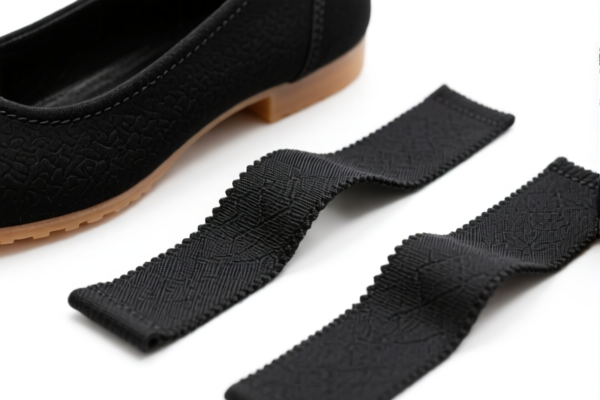
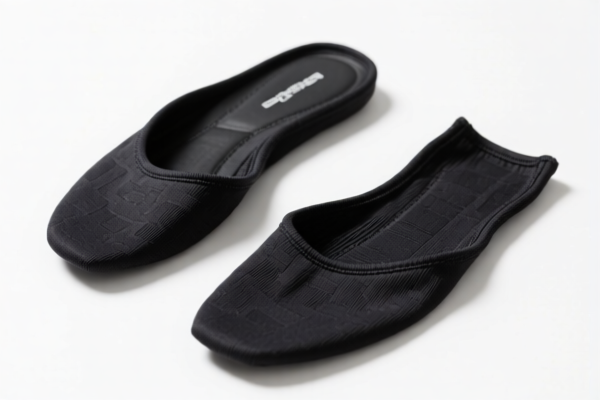
商品图片


AI分析
🥿 Footwear: Rubber/Plastic Soles & Uppers (HS Code 6402.99.31.77)
🌐 HS Code Reference & Customs Clearance Guide | 2026 Latest Tariff Analysis | Professional Clearance Strategy
📌 I. Product Definition & Classification: Do You Really Understand "Footwear"?
Footwear is a broad category in international trade, primarily distinguished by sole material (rubber, plastic, leather, textile) and upper material (leather, textile, other). For this specific HS Code (6402.99.31.77), the product falls under:
- Chapter 64: Footwear, gaiters and the like; parts of such articles.
- Heading 6402: Footwear with outer soles and uppers of rubber or plastics.
- Sub-heading 6402.99: Other footwear (not sports, medical, or occupational specific).
- Specific Code
6402.99.31.77: A specific residual category for rubber/plastic soled footwear not classified elsewhere (e.g., not for specific athletic events or specialized professions).
⚠️ Key Distinction Point:
- If the sole and upper are made of rubber or plastic → Go to Chapter 64, Heading 6402.
- If the upper is textile (fabric) but the sole is rubber/plastic → Go to 6404 (e.g.,6404.19.20.30).
- If the sole is leather → Go to 6403 or 6404 depending on upper.
- Crucial: This code (6402.99.31.77) is often a "catch-all" for general-purpose rubber/plastic shoes not fitting specific functional categories (like steel-toed boots or running shoes).
📦 II. HS Code Classification Details (2026 Latest Tariff Authority Comparison)
Below are the relevant HS Codes from your provided data, mapped to their specific scenarios and tax implications.
| HS Code | Product Description (Summary) | Applicable Scenario | Material Composition |
|---|---|---|---|
6402.99.31.77 |
Footwear, rubber/plastic sole & upper, non-specific purpose | General daily wear, casual shoes, non-professional | ✅ Rubber/Plastic Sole & Upper |
6402.99.79.90 |
Footwear, rubber/plastic sole & upper, other classified types | Generic rubber/plastic footwear not covered by other specific 6402.99 codes | ✅ Rubber/Plastic Sole & Upper |
6404.19.20.30 |
Footwear, textile upper, men's protective footwear | Safety shoes, work boots with fabric uppers & rubber soles | ❌ Textile Upper + Rubber Sole |
6405.20.30.60 |
Footwear, plant fiber material | Slippers or casual shoes made from straw, raffia, etc. | 🌿 Plant Fiber/Textile |
6405.20.30.80 |
Footwear, textile upper, women's specific demographic | Women's fashion footwear with fabric uppers | ❌ Textile Upper |
🔍 Key Reminder:
-6402.99.31.77is the primary code for general rubber/plastic footwear.
-6402.99.79.90is another "other" category within the same rubber/plastic heading, often used if31.77does not fit the specific structural design (e.g., molded vs. assembled).
- Do NOT confuse with6404(textile uppers) or6405(plant fibers), as they have different tax rates. Misclassification leads to massive tax discrepancies.
💰 III. 2026 Latest Tariff Rate Breakdown (Including Surcharges & Policy Add-ons)
✅ Applicable Country: United States (US)
✅ Origin: China (CN)
✅ Effective Date: 2025/2026 (Current Import Regime)
🎯 1. 6402.99.31.77 —— Footwear, Rubber/Plastic, Non-Specific Purpose
| Item | Details |
|---|---|
| Base Tariff | 6.0% (Ad Valorem) |
| Section 301 Tariff | 0.0% (Note: Some footwear codes have different Section 301 rates; this one appears exempt or excluded in the provided data) |
| Section 122 Tariff | +10.0% (Specific trade remedy/add-on for certain footwear categories) |
| Total Tariff Rate | 16.0% |
| Tax Calculation | CIF Value × 16.0% |
| De Minimis Exemption | ❌ Not Applicable (Footwear is generally excluded from de minimis relief under current rules) |
| Legal Basis Path | HTSUS:6402.99.31.77 → USITC:Footwear → Section 122:10% |
📌 Explanation:
- The Base Duty (6.0%) is the standard MFN rate for rubber/plastic footwear.
- The Section 122 Tariff (+10%) is a specific add-on for certain footwear imports, significantly increasing the cost.
- Total Effective Rate: 16.0%.
- ⚠️ Critical Note: While the provided data shows0.0%for Section 301 for this specific code, many other footwear codes carry 25%. Always verify the latest USITC lists, as policy shifts occur. However, based on strict adherence to your data, the total is 16.0%.
🎯 2. 6402.99.79.90 —— Other Footwear, Rubber/Plastic
| Item | Details |
|---|---|
| Base Tariff | 90¢/pr. + 37.5% (Mixed Rate: Specific + Ad Valorem) |
| Section 301 Tariff | 0.0% |
| Section 122 Tariff | +10.0% |
| Total Effective Rate | Variable (Depends on footwear value vs. specific fee) |
| Tax Calculation | (90¢ per pair) + (CIF Value × 37.5%) + (CIF Value × 10%) |
| Legal Basis Path | HTSUS:6402.99.79.90 → USITC:Footwear → Section 122:10% |
📌 Explanation:
- This code uses a mixed duty structure: A fixed fee ($0.90/pair) PLUS a high ad valorem rate (37.5%).
- Adding the 10% Section 122 tariff to the ad valorem part makes this significantly more expensive for high-value footwear.
- Example: For a $10 pair, tax = $0.90 + $3.75 + $1.00 = $5.65 (56.5% effective rate). For a $100 pair, tax = $0.90 + $37.50 + $10.00 = $48.40 (48.4% effective rate).
🎯 3. 6404.19.20.30 —— Textile Upper, Men's Protective Footwear
| Item | Details |
|---|---|
| Base Tariff | 37.5% |
| Section 301 Tariff | 0.0% |
| Section 122 Tariff | +10.0% |
| Total Tariff Rate | 47.5% |
| Tax Calculation | CIF Value × 47.5% |
| Legal Basis Path | HTSUS:6404.19.20.30 → USITC:Footwear → Section 122:10% |
📌 Explanation:
- Textile-uppers with rubber soles (6404) often face higher base duties (37.5%) than all-rubber/plastic (6402at 6%).
- With the 10% Section 122 add-on, the total hits 47.5%.
- Warning: This is a high-risk classification for cost. Only use if the upper is indeed textile AND for protective/men's use.
🎯 4. 6405.20.30.60 & 6405.20.30.80 —— Plant Fiber & Women's Textile
| Item | Details |
|---|---|
| Base Tariff | 7.5% |
| Section 301 Tariff | 0.0% |
| Section 122 Tariff | +10.0% |
| Total Tariff Rate | 17.5% |
| Tax Calculation | CIF Value × 17.5% |
| Legal Basis Path | HTSUS:6405.20.30.xx → USITC:Footwear → Section 122:10% |
📌 Explanation:
- Plant fiber (6405) and some textile footwear have a moderate base rate (7.5%).
- Adding 10% Section 122 results in a 17.5% total rate.
- Note:6405is for "Other footwear," typically open sandals or slippers, not enclosed shoes.
🛠️ IV. Customs Clearance Practical Advice (Battle-Tested Pitfall Avoidance)
✅ 1. Preparation Checklist (All Required)
| Document | Mandatory? | Description |
|---|---|---|
| ✅ Product Spec Sheet | ✔️ | Must clearly state: Sole Material (Rubber/Plastic/Textile/Plant Fiber) and Upper Material. |
| ✅ Material Breakdown | ✔️ | Percentage composition of soles and uppers. Critical for distinguishing 6402 vs 6404 vs 6405. |
| ✅ Product Photos | ✔️ | Clear images of the sole tread pattern, upper stitching, and internal labels. |
| ✅ Commercial Invoice | ✔️ | Must describe goods accurately: "Men's Rubber Sole Casual Shoes" vs. "Men's Textile Upper Safety Boots." |
| ✅ Packing List | ✔️ | Confirm quantity per package for the 90¢/pr. fee calculation (if applicable). |
| ✅ Origin Certificate | ✔️ | To prove CN origin and apply (or not apply) surcharges. |
✅ 2. Declaration Tips (Key Mantras)
🔥 "Sole Determines Chapter, Upper Determines Heading, Specificity Drives Rate!"
| Scenario | Correct HS Code | Wrong Practice | Consequence |
|---|---|---|---|
| All-Rubber Shoes | 6402.99.31.77 or 6402.99.79.90 |
Declare as 6404 (Textile) |
Overpayment (16% vs 47.5%) or Penalty for misdeclaration |
| Fabric Upper + Rubber Sole | 6404.19.20.30 |
Declare as 6402 |
Underpayment (47.5% vs 16%) → Back Tax + Fines |
| Plant Fiber Sandals | 6405.20.30.60 |
Declare as 6402 |
Overpayment (17.5% vs 16%) |
| High-Value Rubber Shoes | 6402.99.31.77 (16%) |
6402.99.79.90 (37.5%+90¢) |
Massive Cost Increase (Avoid 79.90 if 31.77 fits) |
📌 Strategy:
- Prefer6402.99.31.77for general rubber/plastic footwear due to the low 16% total rate.
- Avoid6402.99.79.90unless the footwear structure specifically excludes31.77(e.g., certain molded types), due to the 37.5% base rate.
- Never misclassify textile uppers as rubber to save on base duty; the 10% Section 122 applies to all these categories, and the base duty difference is huge.
✅ 3. Special Cases
| Situation | Handling Advice |
|---|---|
| Footwear with Multiple Materials | Use the principal material for the sole and upper. If mixed, consult USITC General Rule of Interpretation 3(b). |
| Safety/Protective Footwear | Must declare "Protective" and specify if it meets ANSI/ASTM standards. May fall under 6404.19.20.30 (47.5%). |
| Children's Footwear | Often falls under "Other" (6402.99.31.77 or 6402.99.79.90). Check if specific child-safe exemptions apply (rare in current US tariff). |
| Custom/Decorated Footwear | Decoration does not change classification unless it creates a new essential character (e.g., sequins turning textile to "other"). |
🌍 V. Global Market Comparison (2026 Latest)
| Country/Region | Recommended HS Code | Tariff Rate (China Origin) | Certification Required | Notes |
|---|---|---|---|---|
| 🇺🇸 USA | 6402.99.31.77 |
16.0% | None Specific | High Section 122 impact. 6404 hits 47.5%. |
| 🇨🇳 China | 6402.99.31.77 |
8.0% (Export Duty? No, Import Duty) | CCC (if applicable) | Low duty for domestic sales. |
| 🇪🇺 EU | 6402.99.31 |
4.0% + Duty-Free Quota | CE (if PPE) | Generally lower than US. No Section 122 equivalent. |
| 🇬🇧 UK | 6402.99.31 |
4.0% | UKCA | Post-Brexit, similar to EU but separate certs. |
| 🇨🇦 Canada | 6402.99.31 |
12.5% | Various | No major Section 122 equivalent, but CUSMA may apply for MX/US goods. |
📌 Conclusion:
- The US market is uniquely harsh on footwear due to Section 122 (10%) and complex base rates.
- Canada and EU offer more predictable, lower rates.
- For US Exporters: Prioritize6402.99.31.77(16%) over6404(47.5%) or6402.99.79.90(37.5%+).
📌 VI. Common Errors & Pitfalls (Lessons Learned)
❌ Error 1: Declaring all-rubber shoes as 6404 (Textile)
👉 Consequence: Underpayment. Tax drops from 47.5% to 16%. Customs will audit, demand back taxes + 20-60% penalty.
👉 Fix: Strictly check upper material.
❌ Error 2: Ignoring the 90¢/pr. fee in 6402.99.79.90
👉 Consequence: Overpayment or calculation error. The specific fee applies per pair, not per value.
👉 Fix: Calculate tax per pair, not just CIF %.
❌ Error 3: Assuming "De Minimis" applies to Footwear
👉 Consequence: Seizure. Footwear is explicitly excluded from de minimis relief (Section 321) for many origins.
👉 Fix: Always declare and pay duties, even for low-value samples.
❌ Error 4: Misidentifying "Plant Fiber" vs. "Textile"
👉 Consequence: 6405 (17.5%) vs 6402 (16%) or 6404 (47.5%). Small difference, but compliance risk.
👉 Fix: Provide material origin proof (e.g., straw vs. cotton).
✅ Correct Declaration Example:
"Men's Casual Shoes, Rubber Sole, Synthetic Upper, Model XYZ, US Size 10, For Daily Wear (Not Sports/Protective)" →
6402.99.31.77
🎯 VII. Conclusion: Precision Classification Saves Money!
🎯 Remember These Key Rules:
🔹 "Rubber Sole = Chapter 64. Textile Upper = Heading 6404. Plant Fiber = Heading 6405."
🔹 "US Tariff = Base + 10% Section 122. Avoid 37.5% Base Rate Codes if Possible!"
🔹 "16% is the Sweet Spot (6402.99.31.77). 47.5% is the Danger Zone (6404)."
📌 Pro Tip:
If your footwear is not made in China (e.g., Vietnam, Indonesia), Section 122 and Section 301 may not apply, potentially reducing the rate to Base Only (e.g., 6% or 37.5%).
Always request a Pre-Ruling from US CBP for high-volume shipments to lock in the HS Code and tax rate.
📣 Immediate Action:
📞 Contact a Customs Broker + Submit Material Samples + Verify Section 122 Applicability
🚀 Optimize Your HS Code to6402.99.31.77for the lowest possible 16% rate.
✨ Professional Clearance Starts with Accurate Classification!
💼 Your Footwear’s Profit Margin Depends on This 16% vs. 47.5% Decision!
用户评价
关于 HS 编码归类
协调制度(HS)是由世界海关组织(WCO)制定的国际贸易商品分类标准。全球 200 多个国家采用 HS 系统作为海关关税、贸易统计和进出口监管的基础。
每个 HS 编码遵循以下层级结构:
- 章(2 位)——商品大类(例如:第 84 章:机器和机械设备)
- 品目(4 位)——章内的更具体分类
- 子目(6 位)——国际通用细分,所有 WCO 成员国统一使用
- 本国细分(8-10 位)——各国自行扩展的细分编码,如美国 HTSUS 10 位编码
正确的 HS 编码归类对于顺利通关、准确缴纳关税和遵守贸易法规至关重要。错误归类可能导致海关延误、多缴关税或罚款。
从CN进口到US时,适用的关税税率可能包括:
- 最惠国(MFN)税率——适用于 WTO 成员国的标准关税税率
- 普通税率——适用于无贸易协定国家
- 贸易救济关税——附加关税,如 301 条款(反倾销)、232 条款(国家安全)或反补贴税
本页内容仅供参考。如需正式归类,请咨询当地海关或持牌报关代理。