Footwear (HS Code 6404193020)
CN → US| HS编码 | 关税税率 | 原产国 | 目的国 | 文档 |
|---|---|---|---|---|
| 6404192030 | 47.5% | CN | US | 官方文档 |
| 6404192060 | 47.5% | CN | US | 官方文档 |
| 6402997990 | 0.0% | CN | US | 官方文档 |
| 6402993177 | 16.0% | CN | US | 官方文档 |
| 6405203060 | 17.5% | CN | US | 官方文档 |
商品图片
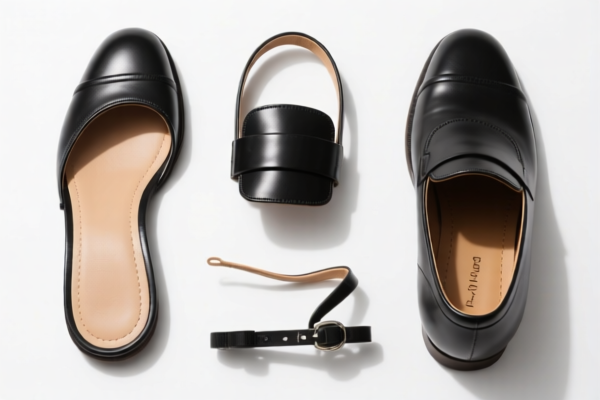
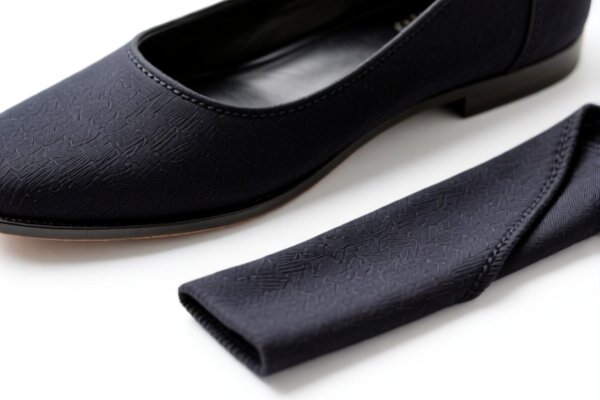

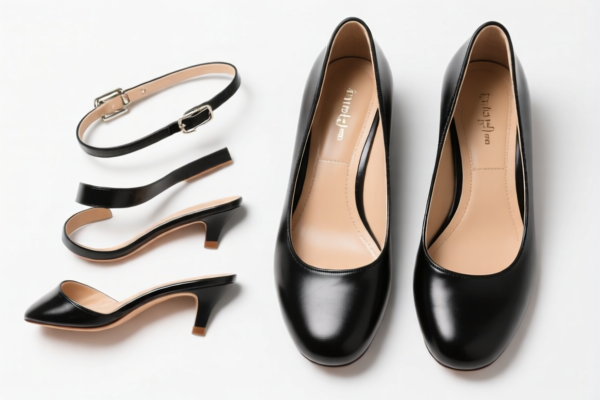
AI分析
👟 Footwear (Protective & General Purpose)
🌐 HS Code Reference & Customs Clearance Guide | 2026 Latest Tariff Analysis | Professional Clearance Strategy
📌 I. Product Definition & Classification: What Exactly Are These Shoes?
Footwear is a diverse category in international trade, heavily dependent on material composition (upper and sole) and usage (protective, general, gender-specific). In the provided dataset, we focus on footwear with rubber or plastic soles, which is a major category for both industrial safety gear and casual wear.
The key distinction lies in the upper material (Textile vs. Rubber/Plastic vs. Plant Fiber) and the specific classification (Protective vs. General). Misclassification can lead to significant tariff discrepancies, especially with additional duties (Section 301 and Section 322).
⚠️ Key Distinction Points:
- Protective Shoes (Textile Upper): Designed for safety (toe caps, anti-slip).归入 6404.19.20.30 or 6404.19.20.60.
- General Shoes (Rubber/Plastic Upper & Sole): Standard athletic or casual shoes.归入 6402.99.79.90 or 6402.99.31.77.
- Plant Fiber Shoes: Niche natural material.归入 6405.20.30.60.
📦 II. HS Code Classification Details (2026 Latest Tariff Authority Comparison)
| HS Code | Product Description | Applicable Scenario | Upper Material | Sole Material | Total Tax Rate* |
|---|---|---|---|---|---|
6404.19.20.30 |
Protective Footwear, Men’s | Industrial safety, construction, manufacturing | Textile | Rubber/Plastic | 47.5% |
6404.19.20.60 |
Similar Protective Footwear (Men’s) | General protective workwear, safety shoes | Textile | Rubber/Plastic | 47.5% |
6402.99.79.90 |
Other Footwear (Rubber/Plastic) | Casual sneakers, running shoes, everyday wear | Rubber/Plastic | Rubber/Plastic | $0.90/pr. + 37.5% + 10% |
6402.99.31.77 |
Other Footwear (Fallback) | General rubber/plastic shoes (fallback category) | Rubber/Plastic | Rubber/Plastic | 16.0% |
6405.20.30.60 |
Footwear (Plant Fiber) | Eco-friendly, straw, rattan, or natural fiber shoes | Plant Fiber | Rubber/Plastic (Typically) | 17.5% |
🔍 Important Note:
- Protective Shoes (6404): Have a high ad valorem rate (37.5%) plus a 10% Section 322 tariff, totaling 47.5%.
- General Shoes (6402): Often have specific monetary duties ($0.90/pr.) plus ad valorem rates. The fallback category6402.99.31.77has a lower rate (16%) but must meet specific criteria.
- Plant Fiber (6405): Unique classification with a moderate total rate of 17.5%.
💰 III. 2026 Latest Tariff Rate Details (Including Surtaxes & Policy Add-ons)
✅ Applicable Country: United States (US)
✅ Origin: China (CN)
✅ Effective Time: Ongoing (Includes Section 301 and Section 322 duties)
🎯 1. 6404.19.20.30 & 6404.19.20.60 —— Protective Footwear (Men’s, Textile Upper)
| Item | Content |
|---|---|
| Base Duty | 37.5% (Ad Valorem) |
| Section 301 Surcharge | 0.0% (Currently 0% for this specific subheading in some contexts, or included in base depending on latest updates; dataset shows 0.0%) |
| Section 322 Tariff | 10.0% (Specific to protective footwear under this classification) |
| Total Rate | 47.5% |
| Tax Calculation | CIF Value × 47.5% |
| De Minimis Exemption | ❌ Not Eligible (High tax threshold) |
| Legal Basis Path | USITC:6404.19.20.30 → Section 322: 10% → Base: 37.5% |
📌 Explanation:
- These codes are for protective safety shoes with textile uppers (common in industrial workwear).
- The 47.5% total rate is steep, combining a high base duty with a specific 10% Section 322 tariff.
- Warning: Ensure the shoes are truly "protective" (e.g., meet ANSI/OSHA standards). If misclassified as general footwear, you may face penalties for under-declaring.
🎯 2. 6402.99.79.90 —— Other Footwear (Rubber/Plastic Upper & Sole)
| Item | Content |
|---|---|
| Specific Duty | $0.90 per pair |
| Base Duty | 37.5% (Ad Valorem) |
| Section 301 Surcharge | 0.0% |
| Section 322 Tariff | 10.0% |
| Total Rate | $0.90/pair + 47.5% Ad Valorem |
| Tax Calculation | ($0.90 × Quantity) + (CIF Value × 47.5%) |
| De Minimis Exemption | ❌ Not Eligible |
| Legal Basis Path | USITC:6402.99.79.90 → Section 322: 10% → Base: 37.5% + $0.90 |
📌 Note:
- This code applies to general rubber/plastic footwear (e.g., athletic shoes, rain boots) where the upper is also rubber or plastic.
- The mixed duty ($0.90 + %) is complex. For high-value items, the ad valorem portion dominates. For low-value items, the per-pair fee is significant.
- Crucial: Do not confuse with6402.99.31.77(which has a lower 16% rate).
🎯 3. 6402.99.31.77 —— Other Footwear (Fallback/General)
| Item | Content |
|---|---|
| Base Duty | 6.0% (Ad Valorem) |
| Section 301 Surcharge | 0.0% |
| Section 322 Tariff | 10.0% |
| Total Rate | 16.0% |
| Tax Calculation | CIF Value × 16.0% |
| De Minimis Exemption | ❌ Not Eligible |
| Legal Basis Path | USITC:6402.99.31.77 → Section 322: 10% → Base: 6.0% |
📌 Critical Warning:
- This is a fallback category. It is only applicable if the footwear does not fit more specific subheadings.
- Using this code incorrectly (e.g., for protective shoes) is a common customs error.
- The 16% rate is significantly lower than the 47.5% for protective or specific rubber/plastic uppers. Only use if legally justified.
🎯 4. 6405.20.30.60 —— Footwear (Plant Fiber)
| Item | Content |
|---|---|
| Base Duty | 7.5% (Ad Valorem) |
| Section 301 Surcharge | 0.0% |
| Section 322 Tariff | 10.0% |
| Total Rate | 17.5% |
| Tax Calculation | CIF Value × 17.5% |
| De Minimis Exemption | ❌ Not Eligible |
| Legal Basis Path | USITC:6405.20.30.60 → Section 322: 10% → Base: 7.5% |
📌 Note:
- Applies to footwear made primarily from plant fibers (e.g., straw sandals, rattan shoes).
- The 17.5% rate is moderate. Ensure the "plant fiber" content is predominant in the upper material.
🛠️ IV. Customs Clearance Practical Advice (Combat Pitfall Guide)
✅ 1. Preparation Checklist (Must-Have Documents)
| Document | Required | Explanation |
|---|---|---|
| ✅ Product Specification Sheet | ✔️ | Must detail: Upper material, Sole material, Protective features (if any), Gender |
| ✅ Material Breakdown | ✔️ | % composition of upper and sole. Critical for distinguishing between 6404 (Textile) and 6402 (Rubber/Plastic) |
| ✅ Product Photos (Labeled) | ✔️ | Clear view of sole, upper, and any safety markings (e.g., "Steel Toe") |
| ✅ Commercial Invoice | ✔️ | Must accurately describe the item, e.g., "Men's Protective Safety Shoes, Textile Upper, Rubber Sole" |
| ✅ Packing List | ✔️ | Include quantity and weight. |
| ✅ Certification (if Protective) | ✔️ | ANSI/ISEA Z41 or ASTM F2413 compliance documents for protective shoes |
✅ 2. Declaration Tips (Key Mantras)
🔥 "Material Matters, Purpose Defines Code, Don't Guess, Prove It!"
| Scenario | Correct Declaration | Incorrect Practice |
|---|---|---|
| Protective Shoes (Textile Upper) | HS 6404.19.20.30 + "Protective Safety Shoes" |
Misdeclare as 6402 → Risk of 47.5% vs 16% discrepancy & penalties |
| Casual Sneakers (Rubber Upper) | HS 6402.99.79.90 + "Athletic Shoes" |
Misdeclare as 6404 → Overpayment of tax |
| Straw/Plant Fiber Sandals | HS 6405.20.30.60 + "Plant Fiber Footwear" |
Misdeclare as 6402 → Incorrect rate application |
| Mixed Material Shoes | Detailed breakdown required | Vague description like "Shoes" → Customs may reclassify |
✅ 3. Special Case Handling
| Situation | Handling Advice |
|---|---|
| OEM Custom Safety Shoes | Provide design specs and safety test reports. Clearly state "Protective" in the description. |
| Footwear with Multiple Materials | The upper material determines the chapter (64.19 for textile, 64.02 for rubber/plastic). Be precise. |
| Plant Fiber with Rubber Sole | If the upper is plant fiber, use 6405. The sole material is secondary for the upper classification but must be declared. |
| Low-Value Shipments | Even if under $800, high tariffs (47.5%) make de minimis irrelevant for duty calculation, but still requires proper entry. |
🌍 V. Global Market Clearance Comparison (2026 Latest)
| Country/Region | Recommended HS Code | Tariff Rate (China Origin) | Certification Requirements | Remarks |
|---|---|---|---|---|
| 🇺🇸 USA | Varies (See Above) | 16% - 47.5% | None generally, but ASTM for safety | High Section 322 duties apply |
| 🇪🇺 EU | 6404 19 / 6402 99 | 6% - 10% | CE Marking (if PPE) | No Section 322 equivalent |
| 🇨🇳 China | 6404 19 / 6402 99 | 8% - 20% | CCC (if applicable) | Lower base duties |
| 🇬🇧 UK | 6404 19 / 6402 99 | 6% - 10% | UKCA Marking (if PPE) | Post-Brexit rules apply |
| 🇯🇵 Japan | 6404 19 / 6402 99 | 10% - 15% | PSE (if electrical components) | Moderate duties |
📌 Conclusion:
- USA has the highest effective duty rates for footwear from China, especially for protective and rubber/plastic items.
- Section 322 Tariff is a unique US burden for many footwear categories, adding 10% on top of base duties.
- Clear material specification is the #1 factor in avoiding misclassification and high penalties.
📌 VI. Common Errors & Pitfall Guide (Lessons Learned)
❌ Error 1: Classifying Protective Shoes as General Shoes (6402) to save tax.
👉 Consequence: Customs audits will impose back taxes + penalties. The difference is ~31.5% (47.5% - 16%).
❌ Error 2: Using Fallback Code (6402.99.31.77) for all rubber/plastic shoes.
👉 Consequence: Only applicable if no more specific code fits. Misuse leads to rejection or reclassification.
❌ Error 3: Ignoring Section 322 for protective footwear.
👉 Consequence: Underpaying by 10%. Even if base duty seems low, the surcharge is mandatory.
❌ Error 4: Vague description "Men's Shoes".
👉 Consequence: Customs officer may assign the highest rate (47.5%) or delay clearance for further info.
✅ Correct Approach:
"Men's Protective Safety Shoes, Textile Upper, Rubber Sole, Steel Toe, ANSI Z41 Compliant, Model XYZ"
🎯 VII. Conclusion: Professional Declaration Saves Money!
🎯 Remember the Mantra:
🔹 "Textile Upper + Protective = 47.5%"
🔹 "Rubber/Plastic Upper + General = $0.90 + 47.5%"
🔹 "Fallback/Specific General = 16%"
🔹 "Plant Fiber = 17.5%"
🔹 "Don't Guess, Specify Material and Purpose!"
📌 Pro Tip:
If you are importing large volumes, consider applying for a Binding Ruling from US Customs to confirm the correct HS Code. This provides legal certainty and protects against future audits.
📣 Immediate Action:
📞 Consult a licensed customs broker
📄 Prepare detailed material breakdowns
🚀 Ensure accurate declaration to avoid 47.5% shocks!
✨ Professional Clearance Starts with Precise Classification!
💼 Every Dollar of Duty Saved is Pure Profit!
用户评价
关于 HS 编码归类
协调制度(HS)是由世界海关组织(WCO)制定的国际贸易商品分类标准。全球 200 多个国家采用 HS 系统作为海关关税、贸易统计和进出口监管的基础。
每个 HS 编码遵循以下层级结构:
- 章(2 位)——商品大类(例如:第 84 章:机器和机械设备)
- 品目(4 位)——章内的更具体分类
- 子目(6 位)——国际通用细分,所有 WCO 成员国统一使用
- 本国细分(8-10 位)——各国自行扩展的细分编码,如美国 HTSUS 10 位编码
正确的 HS 编码归类对于顺利通关、准确缴纳关税和遵守贸易法规至关重要。错误归类可能导致海关延误、多缴关税或罚款。
从CN进口到US时,适用的关税税率可能包括:
- 最惠国(MFN)税率——适用于 WTO 成员国的标准关税税率
- 普通税率——适用于无贸易协定国家
- 贸易救济关税——附加关税,如 301 条款(反倾销)、232 条款(国家安全)或反补贴税
本页内容仅供参考。如需正式归类,请咨询当地海关或持牌报关代理。