Footwear (HS Code 6404193020)
CN → US| HS Code | Tariff Rate | Origin | Destination | Doc |
|---|---|---|---|---|
| 6404192030 | 47.5% | CN | US | Official Doc |
| 6404192060 | 47.5% | CN | US | Official Doc |
| 6402997990 | 0.0% | CN | US | Official Doc |
| 6402993177 | 16.0% | CN | US | Official Doc |
| 6405203060 | 17.5% | CN | US | Official Doc |
Product Images
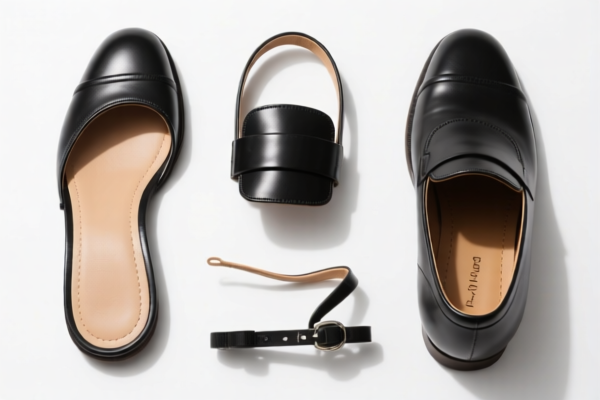
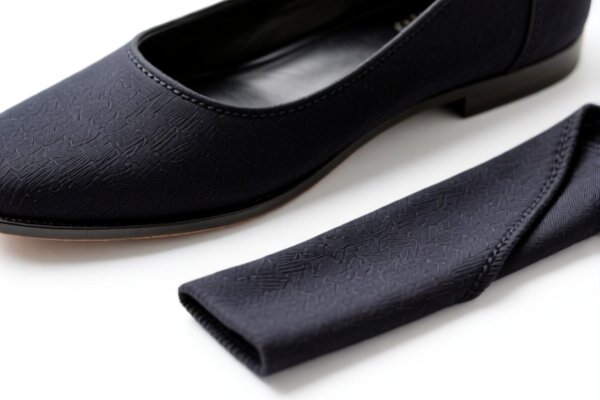

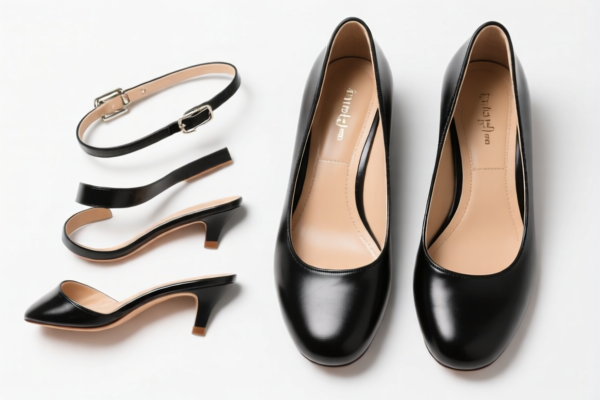
AI Analysis
👟 Footwear (Protective & General Purpose)
🌐 HS Code Reference & Customs Clearance Guide | 2026 Latest Tariff Analysis | Professional Clearance Strategy
📌 I. Product Definition & Classification: What Exactly Are These Shoes?
Footwear is a diverse category in international trade, heavily dependent on material composition (upper and sole) and usage (protective, general, gender-specific). In the provided dataset, we focus on footwear with rubber or plastic soles, which is a major category for both industrial safety gear and casual wear.
The key distinction lies in the upper material (Textile vs. Rubber/Plastic vs. Plant Fiber) and the specific classification (Protective vs. General). Misclassification can lead to significant tariff discrepancies, especially with additional duties (Section 301 and Section 322).
⚠️ Key Distinction Points:
- Protective Shoes (Textile Upper): Designed for safety (toe caps, anti-slip).归入 6404.19.20.30 or 6404.19.20.60.
- General Shoes (Rubber/Plastic Upper & Sole): Standard athletic or casual shoes.归入 6402.99.79.90 or 6402.99.31.77.
- Plant Fiber Shoes: Niche natural material.归入 6405.20.30.60.
📦 II. HS Code Classification Details (2026 Latest Tariff Authority Comparison)
| HS Code | Product Description | Applicable Scenario | Upper Material | Sole Material | Total Tax Rate* |
|---|---|---|---|---|---|
6404.19.20.30 |
Protective Footwear, Men’s | Industrial safety, construction, manufacturing | Textile | Rubber/Plastic | 47.5% |
6404.19.20.60 |
Similar Protective Footwear (Men’s) | General protective workwear, safety shoes | Textile | Rubber/Plastic | 47.5% |
6402.99.79.90 |
Other Footwear (Rubber/Plastic) | Casual sneakers, running shoes, everyday wear | Rubber/Plastic | Rubber/Plastic | $0.90/pr. + 37.5% + 10% |
6402.99.31.77 |
Other Footwear (Fallback) | General rubber/plastic shoes (fallback category) | Rubber/Plastic | Rubber/Plastic | 16.0% |
6405.20.30.60 |
Footwear (Plant Fiber) | Eco-friendly, straw, rattan, or natural fiber shoes | Plant Fiber | Rubber/Plastic (Typically) | 17.5% |
🔍 Important Note:
- Protective Shoes (6404): Have a high ad valorem rate (37.5%) plus a 10% Section 322 tariff, totaling 47.5%.
- General Shoes (6402): Often have specific monetary duties ($0.90/pr.) plus ad valorem rates. The fallback category6402.99.31.77has a lower rate (16%) but must meet specific criteria.
- Plant Fiber (6405): Unique classification with a moderate total rate of 17.5%.
💰 III. 2026 Latest Tariff Rate Details (Including Surtaxes & Policy Add-ons)
✅ Applicable Country: United States (US)
✅ Origin: China (CN)
✅ Effective Time: Ongoing (Includes Section 301 and Section 322 duties)
🎯 1. 6404.19.20.30 & 6404.19.20.60 —— Protective Footwear (Men’s, Textile Upper)
| Item | Content |
|---|---|
| Base Duty | 37.5% (Ad Valorem) |
| Section 301 Surcharge | 0.0% (Currently 0% for this specific subheading in some contexts, or included in base depending on latest updates; dataset shows 0.0%) |
| Section 322 Tariff | 10.0% (Specific to protective footwear under this classification) |
| Total Rate | 47.5% |
| Tax Calculation | CIF Value × 47.5% |
| De Minimis Exemption | ❌ Not Eligible (High tax threshold) |
| Legal Basis Path | USITC:6404.19.20.30 → Section 322: 10% → Base: 37.5% |
📌 Explanation:
- These codes are for protective safety shoes with textile uppers (common in industrial workwear).
- The 47.5% total rate is steep, combining a high base duty with a specific 10% Section 322 tariff.
- Warning: Ensure the shoes are truly "protective" (e.g., meet ANSI/OSHA standards). If misclassified as general footwear, you may face penalties for under-declaring.
🎯 2. 6402.99.79.90 —— Other Footwear (Rubber/Plastic Upper & Sole)
| Item | Content |
|---|---|
| Specific Duty | $0.90 per pair |
| Base Duty | 37.5% (Ad Valorem) |
| Section 301 Surcharge | 0.0% |
| Section 322 Tariff | 10.0% |
| Total Rate | $0.90/pair + 47.5% Ad Valorem |
| Tax Calculation | ($0.90 × Quantity) + (CIF Value × 47.5%) |
| De Minimis Exemption | ❌ Not Eligible |
| Legal Basis Path | USITC:6402.99.79.90 → Section 322: 10% → Base: 37.5% + $0.90 |
📌 Note:
- This code applies to general rubber/plastic footwear (e.g., athletic shoes, rain boots) where the upper is also rubber or plastic.
- The mixed duty ($0.90 + %) is complex. For high-value items, the ad valorem portion dominates. For low-value items, the per-pair fee is significant.
- Crucial: Do not confuse with6402.99.31.77(which has a lower 16% rate).
🎯 3. 6402.99.31.77 —— Other Footwear (Fallback/General)
| Item | Content |
|---|---|
| Base Duty | 6.0% (Ad Valorem) |
| Section 301 Surcharge | 0.0% |
| Section 322 Tariff | 10.0% |
| Total Rate | 16.0% |
| Tax Calculation | CIF Value × 16.0% |
| De Minimis Exemption | ❌ Not Eligible |
| Legal Basis Path | USITC:6402.99.31.77 → Section 322: 10% → Base: 6.0% |
📌 Critical Warning:
- This is a fallback category. It is only applicable if the footwear does not fit more specific subheadings.
- Using this code incorrectly (e.g., for protective shoes) is a common customs error.
- The 16% rate is significantly lower than the 47.5% for protective or specific rubber/plastic uppers. Only use if legally justified.
🎯 4. 6405.20.30.60 —— Footwear (Plant Fiber)
| Item | Content |
|---|---|
| Base Duty | 7.5% (Ad Valorem) |
| Section 301 Surcharge | 0.0% |
| Section 322 Tariff | 10.0% |
| Total Rate | 17.5% |
| Tax Calculation | CIF Value × 17.5% |
| De Minimis Exemption | ❌ Not Eligible |
| Legal Basis Path | USITC:6405.20.30.60 → Section 322: 10% → Base: 7.5% |
📌 Note:
- Applies to footwear made primarily from plant fibers (e.g., straw sandals, rattan shoes).
- The 17.5% rate is moderate. Ensure the "plant fiber" content is predominant in the upper material.
🛠️ IV. Customs Clearance Practical Advice (Combat Pitfall Guide)
✅ 1. Preparation Checklist (Must-Have Documents)
| Document | Required | Explanation |
|---|---|---|
| ✅ Product Specification Sheet | ✔️ | Must detail: Upper material, Sole material, Protective features (if any), Gender |
| ✅ Material Breakdown | ✔️ | % composition of upper and sole. Critical for distinguishing between 6404 (Textile) and 6402 (Rubber/Plastic) |
| ✅ Product Photos (Labeled) | ✔️ | Clear view of sole, upper, and any safety markings (e.g., "Steel Toe") |
| ✅ Commercial Invoice | ✔️ | Must accurately describe the item, e.g., "Men's Protective Safety Shoes, Textile Upper, Rubber Sole" |
| ✅ Packing List | ✔️ | Include quantity and weight. |
| ✅ Certification (if Protective) | ✔️ | ANSI/ISEA Z41 or ASTM F2413 compliance documents for protective shoes |
✅ 2. Declaration Tips (Key Mantras)
🔥 "Material Matters, Purpose Defines Code, Don't Guess, Prove It!"
| Scenario | Correct Declaration | Incorrect Practice |
|---|---|---|
| Protective Shoes (Textile Upper) | HS 6404.19.20.30 + "Protective Safety Shoes" |
Misdeclare as 6402 → Risk of 47.5% vs 16% discrepancy & penalties |
| Casual Sneakers (Rubber Upper) | HS 6402.99.79.90 + "Athletic Shoes" |
Misdeclare as 6404 → Overpayment of tax |
| Straw/Plant Fiber Sandals | HS 6405.20.30.60 + "Plant Fiber Footwear" |
Misdeclare as 6402 → Incorrect rate application |
| Mixed Material Shoes | Detailed breakdown required | Vague description like "Shoes" → Customs may reclassify |
✅ 3. Special Case Handling
| Situation | Handling Advice |
|---|---|
| OEM Custom Safety Shoes | Provide design specs and safety test reports. Clearly state "Protective" in the description. |
| Footwear with Multiple Materials | The upper material determines the chapter (64.19 for textile, 64.02 for rubber/plastic). Be precise. |
| Plant Fiber with Rubber Sole | If the upper is plant fiber, use 6405. The sole material is secondary for the upper classification but must be declared. |
| Low-Value Shipments | Even if under $800, high tariffs (47.5%) make de minimis irrelevant for duty calculation, but still requires proper entry. |
🌍 V. Global Market Clearance Comparison (2026 Latest)
| Country/Region | Recommended HS Code | Tariff Rate (China Origin) | Certification Requirements | Remarks |
|---|---|---|---|---|
| 🇺🇸 USA | Varies (See Above) | 16% - 47.5% | None generally, but ASTM for safety | High Section 322 duties apply |
| 🇪🇺 EU | 6404 19 / 6402 99 | 6% - 10% | CE Marking (if PPE) | No Section 322 equivalent |
| 🇨🇳 China | 6404 19 / 6402 99 | 8% - 20% | CCC (if applicable) | Lower base duties |
| 🇬🇧 UK | 6404 19 / 6402 99 | 6% - 10% | UKCA Marking (if PPE) | Post-Brexit rules apply |
| 🇯🇵 Japan | 6404 19 / 6402 99 | 10% - 15% | PSE (if electrical components) | Moderate duties |
📌 Conclusion:
- USA has the highest effective duty rates for footwear from China, especially for protective and rubber/plastic items.
- Section 322 Tariff is a unique US burden for many footwear categories, adding 10% on top of base duties.
- Clear material specification is the #1 factor in avoiding misclassification and high penalties.
📌 VI. Common Errors & Pitfall Guide (Lessons Learned)
❌ Error 1: Classifying Protective Shoes as General Shoes (6402) to save tax.
👉 Consequence: Customs audits will impose back taxes + penalties. The difference is ~31.5% (47.5% - 16%).
❌ Error 2: Using Fallback Code (6402.99.31.77) for all rubber/plastic shoes.
👉 Consequence: Only applicable if no more specific code fits. Misuse leads to rejection or reclassification.
❌ Error 3: Ignoring Section 322 for protective footwear.
👉 Consequence: Underpaying by 10%. Even if base duty seems low, the surcharge is mandatory.
❌ Error 4: Vague description "Men's Shoes".
👉 Consequence: Customs officer may assign the highest rate (47.5%) or delay clearance for further info.
✅ Correct Approach:
"Men's Protective Safety Shoes, Textile Upper, Rubber Sole, Steel Toe, ANSI Z41 Compliant, Model XYZ"
🎯 VII. Conclusion: Professional Declaration Saves Money!
🎯 Remember the Mantra:
🔹 "Textile Upper + Protective = 47.5%"
🔹 "Rubber/Plastic Upper + General = $0.90 + 47.5%"
🔹 "Fallback/Specific General = 16%"
🔹 "Plant Fiber = 17.5%"
🔹 "Don't Guess, Specify Material and Purpose!"
📌 Pro Tip:
If you are importing large volumes, consider applying for a Binding Ruling from US Customs to confirm the correct HS Code. This provides legal certainty and protects against future audits.
📣 Immediate Action:
📞 Consult a licensed customs broker
📄 Prepare detailed material breakdowns
🚀 Ensure accurate declaration to avoid 47.5% shocks!
✨ Professional Clearance Starts with Precise Classification!
💼 Every Dollar of Duty Saved is Pure Profit!
Customer Reviews
About HS Code Classification
The Harmonized System (HS) is an internationally standardized nomenclature developed by the World Customs Organization (WCO) to classify traded products. Over 200 countries use the HS system as the basis for customs tariffs, trade statistics, and import/export regulations.
Each HS code follows a hierarchical structure:
- Chapter (2 digits) — Broad category of goods (e.g., Chapter 84: Machinery and Mechanical Appliances)
- Heading (4 digits) — More specific grouping within the chapter
- Subheading (6 digits) — Internationally standardized breakdown, used by all WCO member countries
- National subdivisions (8-10 digits) — Country-specific extensions for further classification, such as US HTSUS 10-digit codes
Correct HS code classification is essential for smooth customs clearance, accurate duty payment, and compliance with trade regulations. Misclassification can lead to customs delays, overpayment of duties, or penalties.
When importing from CN to US, the applicable tariff rates may include:
- Most-Favored-Nation (MFN) rate — The standard duty rate applied to WTO members
- General rate — Applied to countries without trade agreements
- Trade remedy duties — Additional tariffs such as Section 301 (anti-dumping), Section 232 (national security), or countervailing duties
The information provided on this page is for reference purposes only. For official classification, please consult with your local customs authority or a licensed customs broker.