Fragile Paper Label
CN → US| HS编码 | 关税税率 | 原产国 | 目的国 | 文档 |
|---|---|---|---|---|
| 4821902000 | 35.0% | CN | US | 官方文档 |
| 3919102055 | 40.8% | CN | US | 官方文档 |
| 3919905060 | 40.8% | CN | US | 官方文档 |
| 4821104000 | 35.0% | CN | US | 官方文档 |
商品图片
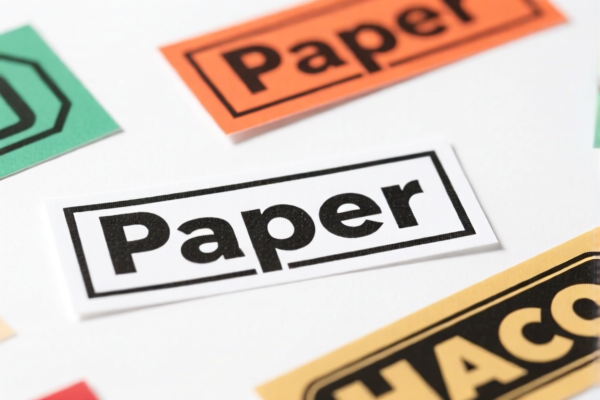
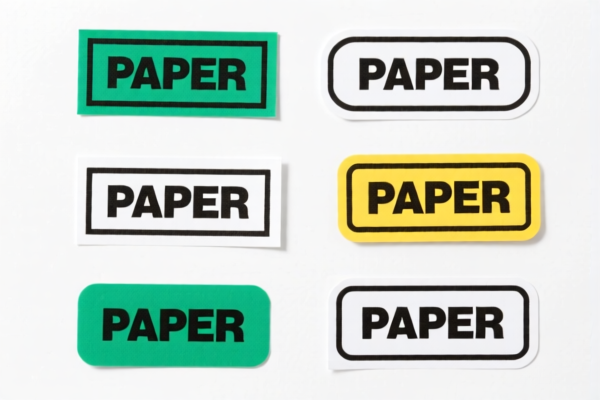
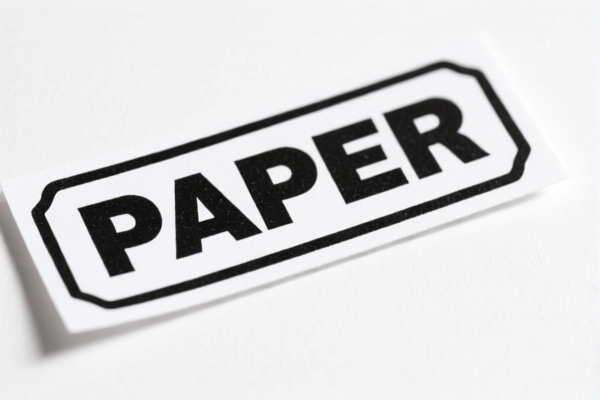
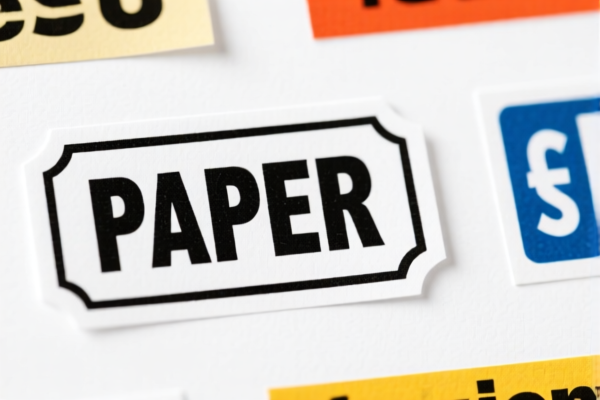
AI分析
🖨️ Fragile Paper Label (易碎标签)
🌐 HS Code Reference & Customs Clearance Guide | 2026 Latest Tariff Breakdown | Professional Compliance Strategy
📌 I. Product Definition & Classification: What is a "Fragile Label"?
A Fragile Label (also known as Void Label or Tamper-Evident Label) is a specialized adhesive label designed to break into pieces or leave a "VOID" residue when someone attempts to remove it. It is primarily used for security, warranty validation, and anti-theft purposes on electronics, industrial goods, and high-value items.
In international trade, classification depends strictly on the base material and composition:
1. Paper-Based Fragile Labels:
Made primarily of paper with an adhesive backing. These are classified under Chapter 48 (Paper and Paperboard).
2. Plastic/Composite Fragile Labels:
Made of plastic films (PET, PP, PE) or composite materials that break easily. These are classified under Chapter 39 (Plastics and Articles Thereof).
⚠️ Key Classification Point:
- If the base is paper (even if coated) → Go to Chapter 48.
- If the base is plastic or composite plastic → Go to Chapter 39.
📦 II. HS Code Classification Details (2026 Latest Tariff Authority对照)
Based on the provided data, here are the specific HS Codes for Fragile Labels, categorized by material:
| HS Code | Product Description | Material Type | Classification Logic |
|---|---|---|---|
4821.90.20.00 |
Self-adhesive paper labels, other than those of heading 4821.10 | Paper or Paper Composite | Fits "Self-adhesive paper labels" usage. |
4821.10.40.00 |
Paper or paperboard labels, other | Paper | Falls under "Other paper labels" category. |
3919.10.20.55 |
Self-adhesive plates, sheets, film, foil, tape, strip, and other shapes of plastics | Plastic or Paper-Plastic Composite | Classified as "Other" plastic self-adhesive products (flat/banded). |
3919.90.50.60 |
Plastics plates, sheets, film, foil, tape, strip, and other shapes | Plastic Base | Fits "Other plastic self-adhesive products" with flat shape. |
🔍 Critical Reminder:
- Do not mix paper and plastic HS codes. If the label is 90% paper but has a plastic backing, customs may still classify it as paper OR plastic depending on the specific adhesive structure. - If the label is plastic-based, it triggers Chapter 39 tariffs, which are often higher due to the "122 Clause" and Section 301 tariffs.
💰 III. 2026 Latest Tariff Rate Breakdown (Including Additional Duties)
✅ Applicable Country: USA (US)
✅ Origin: China (CN)
✅ Effective Time: Current rates include Section 301 (25%) and Section 122 (10%) tariffs.
🎯 1. Paper-Based Fragile Labels (4821.90.20.00 & 4821.10.40.00)
Both paper-based codes share the same tax structure in the provided data.
| Item | Content |
|---|---|
| Base Tariff | 0.0% (Ad Valorem) |
| Section 301 Additional Duty | +25.0% |
| Section 122 Clause Tariff | +10.0% |
| Total Tax Rate | 35.0% |
| Tax Calculation | CIF Value × 35% |
| Exemption Eligibility | ❌ No (High-risk category for trade war tariffs) |
| Legal Basis Path | USITC:4821.90.20.00 / USITC:4821.10.40.00 → Section 301: 25% → Section 122: 10% |
📌 Explanation:
- Although the base tariff is 0%, the Section 301 (25%) and Section 122 (10%) add-ons make the total effective rate 35%. - Paper labels are generally safer than plastic labels in terms of base duty, but still bear the full brunt of US-China trade tariffs.
🎯 2. Plastic/Composite Fragile Labels (3919.10.20.55 & 3919.90.50.60)
Plastic-based labels incur a base tariff before the additional duties are applied.
| Item | Content |
|---|---|
| Base Tariff | 5.8% (Ad Valorem) |
| Section 301 Additional Duty | +25.0% |
| Section 122 Clause Tariff | +10.0% |
| Total Tax Rate | 40.8% |
| Tax Calculation | CIF Value × 40.8% |
| Exemption Eligibility | ❌ No (Plastic products are heavily scrutinized) |
| Legal Basis Path | USITC:3919.10.20.55 / USITC:3919.90.50.60 → Section 301: 25% → Section 122: 10% |
📌 Explanation:
- Base Rate 5.8%: Plastic adhesives have a non-zero base tariff. - Total 40.8%: This is 5.8% higher than paper labels due to the base duty. - Risk: Plastic labels are more likely to be challenged as "composite materials," potentially leading to classification disputes.
🛠️ IV. Customs Clearance Operational Advice (Practical Pitfall Avoidance)
✅ 1. Documentation Checklist (Mandatory)
| Document | Required | Description |
|---|---|---|
| ✅ Product Specification Sheet | ✔️ | Must explicitly state: "Fragile/Void Label," Material (Paper/Plastic), Adhesive Type, Liner Type. |
| ✅ Material Composition Declaration | ✔️ | Crucial for distinguishing between 4821 (Paper) and 3919 (Plastic). Specify % of paper vs. plastic. |
| ✅ Product Photos (Label & Packaging) | ✔️ | Show the "void" effect or fragmentation when peeled. Show the roll/sheet format. |
| ✅ Commercial Invoice | ✔️ | Clearly describe as "Fragile Adhesive Label" or "Tamper-Evident Label." Avoid vague terms like "Sticker." |
| ✅ Packing List | ✔️ | Detail the net/gross weight. Note if it's on a roll or sheet. |
| ✅ Certificate of Origin (CO) | ✔️ | Standard form to prove Chinese origin (triggers tariffs). |
✅ 2. Declaration Tips (Key Mnemonics)
🔥 "Material Defines Code, Description Avoids Risk, Tax is High, Prep is Key!"
| Scenario | Correct Declaration | Incorrect Practice |
|---|---|---|
| Paper-Based | 4821.90.20.00 / 4821.10.40.00Desc: "Paper Fragile Label, Self-Adhesive, Void Effect" |
Classifying as 3919 (Plastic) → Overpaying tax? Or under-declaring? |
| Plastic-Based | 3919.10.20.55 / 3919.90.50.60Desc: "Plastic/Void Label, Self-Adhesive, Tamper-Evident" |
Calling it "Paper Label" → Misclassification penalty + Back taxes. |
| Composite Material | Consult Customs Broker | Assume it's paper → If customs deems it plastic, you face 40.8% instead of 35%. |
| Unrolled Sheets vs Rolls | Specify format | If unrolled, ensure HS code still applies (some codes require "rolls"). |
✅ 3. Special Handling for "Fragile" Nature
| Situation | Advice |
|---|---|
| Customs Inspection | Fragile labels are low-risk for safety (non-hazardous), but high-risk for classification. Provide a sample if requested. |
| Value Declaration | Declare the FOB/CIF value of the labels only, not the products they are attached to. Labels are "accessories" or "packaging materials" in some contexts, but here they are self-declared as goods. |
| Anti-Dumping/Countervailing | Check if there are specific anti-dumping duties on paper/plastic adhesives. Currently, Section 301 and 122 are the main burdens. |
🌍 V. Global Market Comparison (2026)
| Country/Region | Recommended HS Code | Tariff (China Origin) | Key Certification | Note |
|---|---|---|---|---|
| 🇺🇸 USA | 4821.90.20.00 / 3919.10.20.55 |
35.0% (Paper) 40.8% (Plastic) |
None specific | High Tariff. Section 301 & 122 apply. |
| 🇨🇳 China | 4821.90.20.00 / 3919.10.20.55 |
Low/Zero (Import Duty) | N/A | Domestic consumption has lower barriers. |
| 🇪🇺 EU | 4821.90 / 3919.10 |
Varies (0-10%) | CE (if functional) | No Section 301/122. Standard WTO rates apply. |
| 🇦🇺 Australia | 4821.90 / 3919.10 |
5% | N/A | Lower tariffs than US. |
| 🇯🇵 Japan | 4821.90 / 3919.10 |
0-5% | PSE (if electronic accessory) | Favorable for paper labels. |
📌 Conclusion:
- The US is the most expensive market due to the 35%-40.8% effective tariff rate. - EU, Australia, and Japan offer significantly better tariff structures (0-10%). - If exporting to the US, ensure your cost model includes 35-40% duty to maintain margins.
📌 VI. Common Errors & Pitfall Guide (Lessons Learned)
❌ Error 1: Classifying Plastic fragile labels as Paper (4821)
👉 Consequence: Underpayment of duty. Customs will reassess to 3919, charging 40.8% instead of 35%, plus penalties.
❌ Error 2: Not specifying "Fragile/Void" in the description
👉 Consequence: Customs may classify as "Standard Adhesive Tape" or "Sticker," leading to incorrect HS code and potential delays.
❌ Error 3: Ignoring Section 122 (10%)
👉 Consequence: Miscalculation of total landed cost. Many brokers forget the 122 Clause, leading to unexpected charges.
❌ Error 4: Declaring "Labels" without material specification
👉 Consequence: High risk of misclassification. Always specify "Paper-Based" or "Plastic-Based."
✅ Correct Approach:
"Fragile Void Label, Paper Base, Self-Adhesive, Tamper-Evident, Model XYZ, HS Code 4821.90.20.00"
or
"Fragile Void Label, PET Plastic Base, Self-Adhesive, HS Code 3919.10.20.55"
🎯 VII. Conclusion: Precision Classification for Cost Control
🎯 Remember the Mantra:
🔹 "Paper is 35%, Plastic is 40.8% — Material Matters!"
🔹 "Section 301 (25%) + Section 122 (10%) = Non-Negotiable!"
🔹 "Describe 'Fragile/Void' Clearly to Avoid Delays!"
📌 Pro Tip:
If your fragile labels are exported to non-US markets (EU, ASEAN, LATAM), the tariff burden drops significantly. Consider supply chain diversification if the US market margin is squeezed by the 35-40% tariff.
For US imports, pre-arrange HS Code rulings with your customs broker to ensure the material classification (Paper vs. Plastic) is defensible.
📣 Immediate Action:
📞 Verify Material: Is it >50% paper or plastic?
📝 Update Invoice: Use precise descriptions ("Fragile Void Label").
💰 Calculate Landed Cost: Include 35% (Paper) or 40.8% (Plastic) in your pricing.
🚀 Let your labels break, not your profit margins!
✨ Professional Clearance Starts with Accurate Classification!
💼 Every Percentage Point Counts in Global Trade!
用户评价
关于 HS 编码归类
协调制度(HS)是由世界海关组织(WCO)制定的国际贸易商品分类标准。全球 200 多个国家采用 HS 系统作为海关关税、贸易统计和进出口监管的基础。
每个 HS 编码遵循以下层级结构:
- 章(2 位)——商品大类(例如:第 84 章:机器和机械设备)
- 品目(4 位)——章内的更具体分类
- 子目(6 位)——国际通用细分,所有 WCO 成员国统一使用
- 本国细分(8-10 位)——各国自行扩展的细分编码,如美国 HTSUS 10 位编码
正确的 HS 编码归类对于顺利通关、准确缴纳关税和遵守贸易法规至关重要。错误归类可能导致海关延误、多缴关税或罚款。
从CN进口到US时,适用的关税税率可能包括:
- 最惠国(MFN)税率——适用于 WTO 成员国的标准关税税率
- 普通税率——适用于无贸易协定国家
- 贸易救济关税——附加关税,如 301 条款(反倾销)、232 条款(国家安全)或反补贴税
本页内容仅供参考。如需正式归类,请咨询当地海关或持牌报关代理。