Fruit Bowl
CN → US| HS编码 | 关税税率 | 原产国 | 目的国 | 文档 |
|---|---|---|---|---|
| 3924103000 | 22.8% | CN | US | 官方文档 |
| 6911108010 | 38.3% | CN | US | 官方文档 |
| 6911103510 | 43.5% | CN | US | 官方文档 |
| 3924102000 | 24.0% | CN | US | 官方文档 |
| 7013492090 | 32.5% | CN | US | 官方文档 |
商品图片
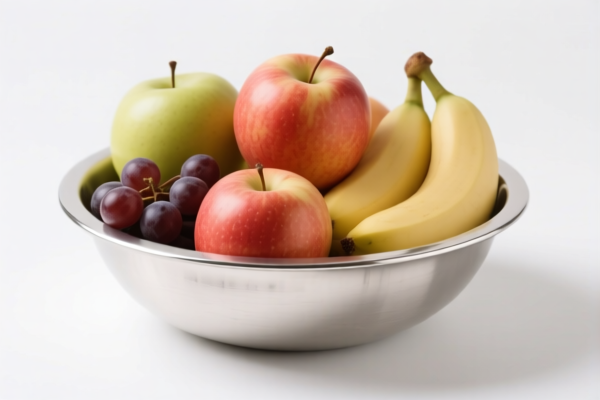
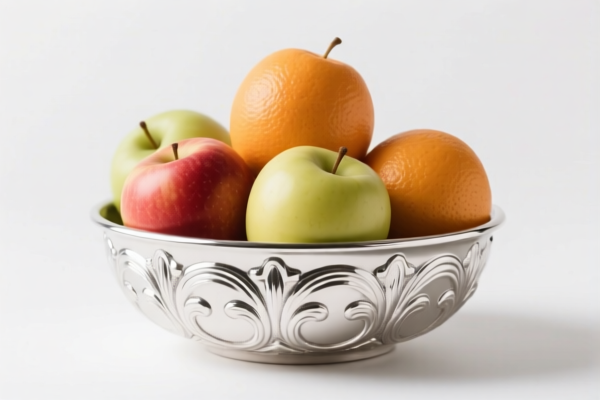
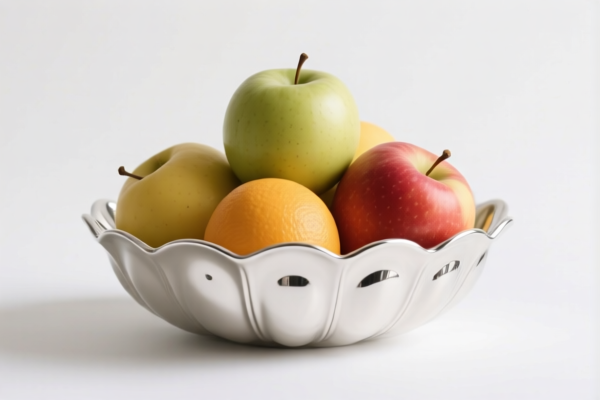
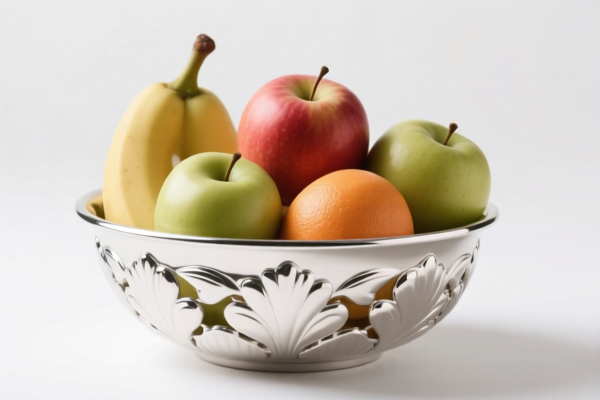
AI分析
🥗 Fruit Bowl (Fruit Bowls & Serveware)
🌐 HS Code Reference & Customs Clearance Guide | 2026 Latest Tariff Analysis | Professional-Level Clearance Strategy
📌 Part 1: Product Definition & Classification: Do You Really Understand "Fruit Bowls"?
A "Fruit Bowl" is not a single entity in international trade; it is classified strictly by material and form. In customs systems, the distinction between a "bowl," "dish," "plate," and "cup" determines your duty rate. Misclassification can lead to significant tax discrepancies.
In the provided data, Fruit Bowls are categorized into three main material groups: 1. Plastic (Polymer): Lightweight, durable, household use. 2. Ceramic/Porcelain: Heavy, fragile, food-contact safe, tableware. 3. Glass: Transparent, aesthetic, often used for decorative or dining purposes.
⚠️ Key Distinction Point:
- Plastic: Look for subheadings related to "plates," "dishes," or "serving ware" (e.g., 3924.10).
- Ceramic: Distinguish between "Dishes/Plates" (6911.10.80) and "Cups/Cereal Bowls" (6911.10.35).
- Glass: Generally falls under "Glass Tableware" (7013), specifically non-decorative serving ware.
📦 Part 2: HS Code Classification Details (2026 Latest Tariff Authority Match)
| HS Code | Product Description | Material | Application/Context | Total Tax Rate |
|---|---|---|---|---|
3924.10.30.00 |
Plastic Fruit Bowl, for holding fruit, categorized as cutlery/kitchenware | Plastic | General fruit holding, kitchen use | 22.8% |
3924.10.20.00 |
Plastic Fruit Bowl, categorized as cutlery/dishes, material/use conflict-free | Plastic | Standard plastic serving dish | 24.0% |
6911.10.80.10 |
Ceramic Fruit Bowl, for food contact, conforms to tableware/vessel use | Ceramic | Tableware, vessel for food | 38.3% |
6911.10.35.10 |
Porcelain Fruit Cup & Cereal Cup, for holding fruit, shape/use match | Porcelain | Cup-shaped, cereal/fruit bowl | 43.5% |
7013.49.20.90 |
Glass Fruit Bowl, for dining table/kitchen, categorized under other vessels | Glass | Table/Kitchen glass vessel | 32.5% |
🔍 Key Reminder:
- Plastic vs. Ceramic: Plastic items (3924) have significantly lower base tariffs (5.3%-6.5%) compared to Ceramics (20.8%-26.0%).
- Ceramic Form Factor: A "Bowl" (6911.10.80) is taxed differently than a "Cup/Cereal Bowl" (6911.10.35). Ensure the shape matches the description!
- Glass: Even simple glass bowls incur high base tariffs (22.5%) but 0% additional Section 301 tariff.
💰 Part 3: 2026 Latest Tariff Rate Details (Including Surtaxes & Policy Add-ons)
✅ Applicable Country: United States (US)
✅ Origin: China (CN)
✅ 生效时间: Current effective rates for imports from China.
🎯 1. 3924.10.30.00 & 3924.10.20.00 —— Plastic Fruit Bowls
| Item | Content |
|---|---|
| Base Tariff | 5.3% (for .30) / 6.5% (for .20) |
| Section 301 Surtax | +7.5% |
| Section 122 Tariff | +10% |
| Total Tariff | 22.8% (for .30) / 24.0% (for .20) |
| Tax Calculation | CIF Value × 22.8% / 24.0% |
| De Minimis Exemption | ❌ Not Applicable (High tariff rates usually exceed de minimis thresholds for commercial shipments) |
| Legal Basis | HTSUS 3924.10 + Section 301 Footnotes + Section 122 Regulations |
📌 Explanation:
- Base Tariff: Relatively low for plastics.
- Section 301 (+7.5%): Applies to most Chinese plastic household articles.
- Section 122 (+10%): Applies to specific categories of consumer goods to protect domestic manufacturing.
- Total: Despite the low base, the surtaxes push the total to ~23-24%.
🎯 2. 6911.10.80.10 & 6911.10.35.10 —— Ceramic/Porcelain Fruit Bowls & Cups
| Item | Content |
|---|---|
| Base Tariff | 20.8% (for .80) / 26.0% (for .35) |
| Section 301 Surtax | +7.5% |
| Section 122 Tariff | +10% |
| Total Tariff | 38.3% (for .80) / 43.5% (for .35) |
| Tax Calculation | CIF Value × 38.3% / 43.5% |
| De Minimis Exemption | ❌ Not Applicable |
| Legal Basis | HTSUS 6911.10 + Section 301 Footnotes + Section 122 Regulations |
📌 Explanation:
- Base Tariff: High for ceramics (20-26%).
- Section 301 (+7.5%): Applies to ceramic tableware.
- Section 122 (+10%): Applies to ceramic goods.
- Total: Extremely High. A 43.5% tariff on ceramics makes this the most expensive category in the dataset.
- Strategic Note: If your product is a "Bowl" rather than a "Cup," try to argue for6911.10.80to save 5.2% (38.3% vs 43.5%).
🎯 3. 7013.49.20.90 —— Glass Fruit Bowl
| Item | Content |
|---|---|
| Base Tariff | 22.5% |
| Section 301 Surtax | 0.0% |
| Section 122 Tariff | +10% |
| Total Tariff | 32.5% |
| Tax Calculation | CIF Value × 32.5% |
| De Minimis Exemption | ❌ Not Applicable |
| Legal Basis | HTSUS 7013.49 + Section 122 Regulations |
📌 Explanation:
- Base Tariff: High (22.5%).
- Section 301 (+0.0%): Crucial Difference! Glass tableware often enjoys an exemption or lower rate under Section 301 compared to plastic/ceramic.
- Section 122 (+10%): Still applies.
- Total: 32.5%. This is cheaper than ceramic (38.3-43.5%) but more expensive than plastic (22.8-24.0%).
🛠️ Part 4: Customs Clearance Practical Advice (Combat Pitfall Guide)
✅ 1. Required Documentation Checklist (No Exceptions)
| Document | Mandatory? | Description |
|---|---|---|
| ✅ Product Specification | ✔️ | Material (Plastic/Ceramic/Glass), Dimensions, Capacity |
| ✅ Product Photos | ✔️ | Clear images of the bowl, especially the shape (Bowl vs. Cup) |
| ✅ Commercial Invoice | ✔️ | Must specify "Fruit Bowl," Material, and HS Code |
| ✅ Packing List | ✔️ | Weight, Quantity, Packaging Type |
| ✅ Certificate of Origin | ✔️ | To prove origin as China (CN) for accurate surtax application |
| ✅ Food Contact Statement | ✔️ | For Ceramic/Plastic, confirm FDA/food-safe compliance |
✅ 2. Declaration Tips (Key Mnemonic)
🔥 “Material First, Shape Second, Surtax Check!”
| Scenario | Correct Declaration | Wrong Practice |
|---|---|---|
| Plastic Bowl | 3924.10.30.00 or 3924.10.20.00 |
Misdeclare as Ceramic → Higher Tax |
| Ceramic Bowl | 6911.10.80.10 |
Misdeclare as Cup (.35) → +5.2% Tax |
| Glass Bowl | 7013.49.20.90 |
Misdeclare as Plastic → Lower Tax but Risk of Fraud |
| Set (Bowl + Spoon) | Declare Set | Split Declaration → Complex & Risky |
📌 Note on Plastic Subheadings:
-3924.10.30.00(22.8%) and3924.10.20.00(24.0%) are very similar. Check your specific product description in the HTSUS commentary. If it’s a general "dish,".20might apply; if it’s a specific "fruit plate/bowl,".30might be more precise. Consistency is key.
✅ 3. Special Situations Handling
| Situation | Handling Advice |
|---|---|
| OEM Custom Fruit Bowls | Provide design specs to prove material and form. Avoid vague terms like "Home Decor" which might trigger different inspections. |
| Mixed Material Sets | If a bowl is Ceramic but has a Plastic Lid, the essential character determines the HS Code. Usually, the Ceramic part dominates → 6911.10.80.10. |
| Glass vs. Crystal | "Glass" (7013) is different from "Lead Crystal" (7013.99). If it’s standard fruit bowl glass, use 7013.49.20.90. |
| De Minimis (Section 321) | Warning: With tariffs >20%, the value of goods subject to tax is high. Do not rely on de minimis for high-value commercial shipments unless the total CIF is under $800 and properly declared. |
🌍 Part 5: Global Market Comparison (2026 Latest)
| Country/Region | Recommended HS Code | Total Tariff (China Origin) | Certification Requirements | Notes |
|---|---|---|---|---|
| 🇺🇸 USA | Varies by Material | 22.8% - 43.5% | FDA (for food contact) | Highest Surtax Burden. Glass has no Section 301. |
| 🇨🇳 China | Varies by Material | 5% - 12% | CCC (if applicable) | Low tariffs, no Section 301. |
| 🇪🇺 EU | Varies (e.g., 6911.10) | 0% - 4.5% | CE, Food Contact Regs | Generally lower tariffs than US. |
| 🇬🇧 UK | Varies | 0% - 4.5% | UKCA | Post-Brexit, similar to EU. |
| 🇦🇺 Australia | Varies | 5% - 10% | Food Standards Code | Moderate tariffs, no Section 301. |
📌 Conclusion:
- USA is the most expensive market due to Section 301 and Section 122 surtaxes.
- Glass is the most competitive material for the US market among these options (avoids Section 301).
- Plastic is the least expensive but still has surtaxes.
- Ceramic is the most expensive due to high base rates + surtaxes.
📌 Part 6: Common Mistakes & Pitfall Guide (Blood and Tears Lessons)
❌ Mistake 1: Declaring a Ceramic Bowl as a "Decorative Item" (Chapter 70 or 95)
👉 Consequence: If intended for food, it must be Tableware (Chapter 69). Misdeclaration leads to seizure and fines.
❌ Mistake 2: Confusing "Cup" and "Bowl" for Ceramics
👉 Consequence: 6911.10.35.10 (Cup) is 43.5%, while 6911.10.80.10 (Bowl) is 38.3%. Wrong shape classification = 5.2% extra tax.
❌ Mistake 3: Ignoring Section 122 Tariffs
👉 Consequence: Section 122 adds a flat 10% on top. Many importers only account for Section 301 (7.5%). Total oversight = 10% unexpected cost.
❌ Mistake 4: Using "Home Decor" for Food-Contact Items
👉 Consequence: Customs may require additional FDA documentation or reject the shipment for lacking food safety compliance.
✅ Correct Practice:
"Ceramic Fruit Bowl, White, 8-inch Diameter, Food-Safe Glaze, Model FB-01"
HS Code:6911.10.80.10
Tax: 38.3%
🎯 Part 7: Conclusion: Precise Classification Saves Money!
🎯 Remember the Mnemonic:
🔹 "Plastic ~23%, Glass ~32.5%, Ceramic ~38-43.5%.
🔹 Glass avoids Section 301. Ceramic is most expensive. Plastic is cheapest."
🔹 "Bowl vs. Cup matters for Ceramic. Shape defines your tax!"
📌 Tips:
- For Glass Fruit Bowls, emphasize "Section 301 Exemption" in your internal notes.
- For Ceramic, ensure the description clearly states "Bowl" and not "Cup" to save 5.2%.
- For Plastic, verify if .20 or .30 is more accurate based on specific HTSUS notes to save 1.2%.
📣 Immediate Action:
📞 Contact a professional customs broker + Provide Product Photos + Apply for HS Code Advance Ruling
🚀 Let your Fruit Bowls Clear Customs Smoothly, Maximize Profits!
✨ Professional Clearance Starts with Accurate Classification!
💼 Every Percent Saved is Profit Gained!
用户评价
关于 HS 编码归类
协调制度(HS)是由世界海关组织(WCO)制定的国际贸易商品分类标准。全球 200 多个国家采用 HS 系统作为海关关税、贸易统计和进出口监管的基础。
每个 HS 编码遵循以下层级结构:
- 章(2 位)——商品大类(例如:第 84 章:机器和机械设备)
- 品目(4 位)——章内的更具体分类
- 子目(6 位)——国际通用细分,所有 WCO 成员国统一使用
- 本国细分(8-10 位)——各国自行扩展的细分编码,如美国 HTSUS 10 位编码
正确的 HS 编码归类对于顺利通关、准确缴纳关税和遵守贸易法规至关重要。错误归类可能导致海关延误、多缴关税或罚款。
从CN进口到US时,适用的关税税率可能包括:
- 最惠国(MFN)税率——适用于 WTO 成员国的标准关税税率
- 普通税率——适用于无贸易协定国家
- 贸易救济关税——附加关税,如 301 条款(反倾销)、232 条款(国家安全)或反补贴税
本页内容仅供参考。如需正式归类,请咨询当地海关或持牌报关代理。