Fruit Bowl
CN → US| HS Code | Tariff Rate | Origin | Destination | Doc |
|---|---|---|---|---|
| 3924103000 | 22.8% | CN | US | Official Doc |
| 6911108010 | 38.3% | CN | US | Official Doc |
| 6911103510 | 43.5% | CN | US | Official Doc |
| 3924102000 | 24.0% | CN | US | Official Doc |
| 7013492090 | 32.5% | CN | US | Official Doc |
Product Images
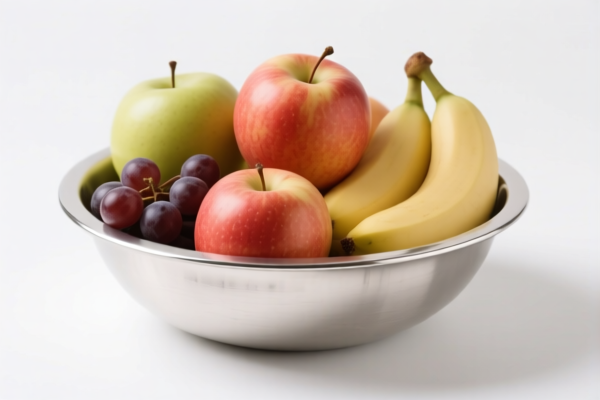
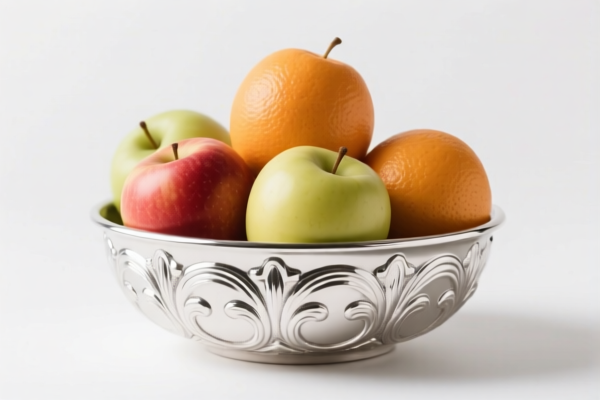
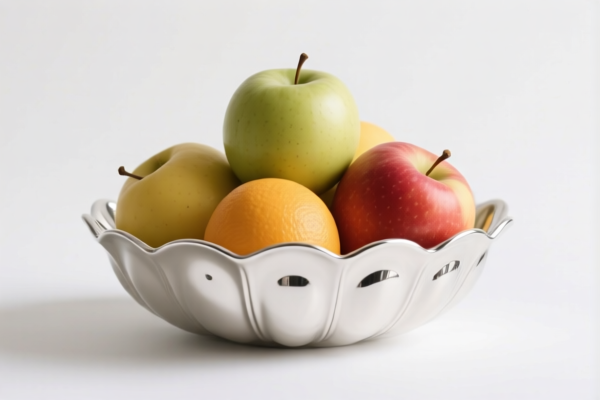
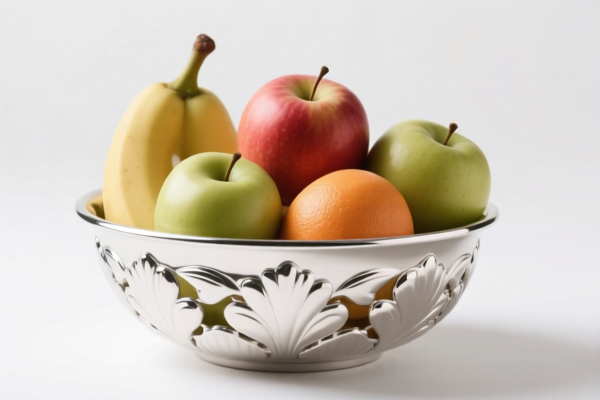
AI Analysis
🥗 Fruit Bowl (Fruit Bowls & Serveware)
🌐 HS Code Reference & Customs Clearance Guide | 2026 Latest Tariff Analysis | Professional-Level Clearance Strategy
📌 Part 1: Product Definition & Classification: Do You Really Understand "Fruit Bowls"?
A "Fruit Bowl" is not a single entity in international trade; it is classified strictly by material and form. In customs systems, the distinction between a "bowl," "dish," "plate," and "cup" determines your duty rate. Misclassification can lead to significant tax discrepancies.
In the provided data, Fruit Bowls are categorized into three main material groups: 1. Plastic (Polymer): Lightweight, durable, household use. 2. Ceramic/Porcelain: Heavy, fragile, food-contact safe, tableware. 3. Glass: Transparent, aesthetic, often used for decorative or dining purposes.
⚠️ Key Distinction Point:
- Plastic: Look for subheadings related to "plates," "dishes," or "serving ware" (e.g., 3924.10).
- Ceramic: Distinguish between "Dishes/Plates" (6911.10.80) and "Cups/Cereal Bowls" (6911.10.35).
- Glass: Generally falls under "Glass Tableware" (7013), specifically non-decorative serving ware.
📦 Part 2: HS Code Classification Details (2026 Latest Tariff Authority Match)
| HS Code | Product Description | Material | Application/Context | Total Tax Rate |
|---|---|---|---|---|
3924.10.30.00 |
Plastic Fruit Bowl, for holding fruit, categorized as cutlery/kitchenware | Plastic | General fruit holding, kitchen use | 22.8% |
3924.10.20.00 |
Plastic Fruit Bowl, categorized as cutlery/dishes, material/use conflict-free | Plastic | Standard plastic serving dish | 24.0% |
6911.10.80.10 |
Ceramic Fruit Bowl, for food contact, conforms to tableware/vessel use | Ceramic | Tableware, vessel for food | 38.3% |
6911.10.35.10 |
Porcelain Fruit Cup & Cereal Cup, for holding fruit, shape/use match | Porcelain | Cup-shaped, cereal/fruit bowl | 43.5% |
7013.49.20.90 |
Glass Fruit Bowl, for dining table/kitchen, categorized under other vessels | Glass | Table/Kitchen glass vessel | 32.5% |
🔍 Key Reminder:
- Plastic vs. Ceramic: Plastic items (3924) have significantly lower base tariffs (5.3%-6.5%) compared to Ceramics (20.8%-26.0%).
- Ceramic Form Factor: A "Bowl" (6911.10.80) is taxed differently than a "Cup/Cereal Bowl" (6911.10.35). Ensure the shape matches the description!
- Glass: Even simple glass bowls incur high base tariffs (22.5%) but 0% additional Section 301 tariff.
💰 Part 3: 2026 Latest Tariff Rate Details (Including Surtaxes & Policy Add-ons)
✅ Applicable Country: United States (US)
✅ Origin: China (CN)
✅ 生效时间: Current effective rates for imports from China.
🎯 1. 3924.10.30.00 & 3924.10.20.00 —— Plastic Fruit Bowls
| Item | Content |
|---|---|
| Base Tariff | 5.3% (for .30) / 6.5% (for .20) |
| Section 301 Surtax | +7.5% |
| Section 122 Tariff | +10% |
| Total Tariff | 22.8% (for .30) / 24.0% (for .20) |
| Tax Calculation | CIF Value × 22.8% / 24.0% |
| De Minimis Exemption | ❌ Not Applicable (High tariff rates usually exceed de minimis thresholds for commercial shipments) |
| Legal Basis | HTSUS 3924.10 + Section 301 Footnotes + Section 122 Regulations |
📌 Explanation:
- Base Tariff: Relatively low for plastics.
- Section 301 (+7.5%): Applies to most Chinese plastic household articles.
- Section 122 (+10%): Applies to specific categories of consumer goods to protect domestic manufacturing.
- Total: Despite the low base, the surtaxes push the total to ~23-24%.
🎯 2. 6911.10.80.10 & 6911.10.35.10 —— Ceramic/Porcelain Fruit Bowls & Cups
| Item | Content |
|---|---|
| Base Tariff | 20.8% (for .80) / 26.0% (for .35) |
| Section 301 Surtax | +7.5% |
| Section 122 Tariff | +10% |
| Total Tariff | 38.3% (for .80) / 43.5% (for .35) |
| Tax Calculation | CIF Value × 38.3% / 43.5% |
| De Minimis Exemption | ❌ Not Applicable |
| Legal Basis | HTSUS 6911.10 + Section 301 Footnotes + Section 122 Regulations |
📌 Explanation:
- Base Tariff: High for ceramics (20-26%).
- Section 301 (+7.5%): Applies to ceramic tableware.
- Section 122 (+10%): Applies to ceramic goods.
- Total: Extremely High. A 43.5% tariff on ceramics makes this the most expensive category in the dataset.
- Strategic Note: If your product is a "Bowl" rather than a "Cup," try to argue for6911.10.80to save 5.2% (38.3% vs 43.5%).
🎯 3. 7013.49.20.90 —— Glass Fruit Bowl
| Item | Content |
|---|---|
| Base Tariff | 22.5% |
| Section 301 Surtax | 0.0% |
| Section 122 Tariff | +10% |
| Total Tariff | 32.5% |
| Tax Calculation | CIF Value × 32.5% |
| De Minimis Exemption | ❌ Not Applicable |
| Legal Basis | HTSUS 7013.49 + Section 122 Regulations |
📌 Explanation:
- Base Tariff: High (22.5%).
- Section 301 (+0.0%): Crucial Difference! Glass tableware often enjoys an exemption or lower rate under Section 301 compared to plastic/ceramic.
- Section 122 (+10%): Still applies.
- Total: 32.5%. This is cheaper than ceramic (38.3-43.5%) but more expensive than plastic (22.8-24.0%).
🛠️ Part 4: Customs Clearance Practical Advice (Combat Pitfall Guide)
✅ 1. Required Documentation Checklist (No Exceptions)
| Document | Mandatory? | Description |
|---|---|---|
| ✅ Product Specification | ✔️ | Material (Plastic/Ceramic/Glass), Dimensions, Capacity |
| ✅ Product Photos | ✔️ | Clear images of the bowl, especially the shape (Bowl vs. Cup) |
| ✅ Commercial Invoice | ✔️ | Must specify "Fruit Bowl," Material, and HS Code |
| ✅ Packing List | ✔️ | Weight, Quantity, Packaging Type |
| ✅ Certificate of Origin | ✔️ | To prove origin as China (CN) for accurate surtax application |
| ✅ Food Contact Statement | ✔️ | For Ceramic/Plastic, confirm FDA/food-safe compliance |
✅ 2. Declaration Tips (Key Mnemonic)
🔥 “Material First, Shape Second, Surtax Check!”
| Scenario | Correct Declaration | Wrong Practice |
|---|---|---|
| Plastic Bowl | 3924.10.30.00 or 3924.10.20.00 |
Misdeclare as Ceramic → Higher Tax |
| Ceramic Bowl | 6911.10.80.10 |
Misdeclare as Cup (.35) → +5.2% Tax |
| Glass Bowl | 7013.49.20.90 |
Misdeclare as Plastic → Lower Tax but Risk of Fraud |
| Set (Bowl + Spoon) | Declare Set | Split Declaration → Complex & Risky |
📌 Note on Plastic Subheadings:
-3924.10.30.00(22.8%) and3924.10.20.00(24.0%) are very similar. Check your specific product description in the HTSUS commentary. If it’s a general "dish,".20might apply; if it’s a specific "fruit plate/bowl,".30might be more precise. Consistency is key.
✅ 3. Special Situations Handling
| Situation | Handling Advice |
|---|---|
| OEM Custom Fruit Bowls | Provide design specs to prove material and form. Avoid vague terms like "Home Decor" which might trigger different inspections. |
| Mixed Material Sets | If a bowl is Ceramic but has a Plastic Lid, the essential character determines the HS Code. Usually, the Ceramic part dominates → 6911.10.80.10. |
| Glass vs. Crystal | "Glass" (7013) is different from "Lead Crystal" (7013.99). If it’s standard fruit bowl glass, use 7013.49.20.90. |
| De Minimis (Section 321) | Warning: With tariffs >20%, the value of goods subject to tax is high. Do not rely on de minimis for high-value commercial shipments unless the total CIF is under $800 and properly declared. |
🌍 Part 5: Global Market Comparison (2026 Latest)
| Country/Region | Recommended HS Code | Total Tariff (China Origin) | Certification Requirements | Notes |
|---|---|---|---|---|
| 🇺🇸 USA | Varies by Material | 22.8% - 43.5% | FDA (for food contact) | Highest Surtax Burden. Glass has no Section 301. |
| 🇨🇳 China | Varies by Material | 5% - 12% | CCC (if applicable) | Low tariffs, no Section 301. |
| 🇪🇺 EU | Varies (e.g., 6911.10) | 0% - 4.5% | CE, Food Contact Regs | Generally lower tariffs than US. |
| 🇬🇧 UK | Varies | 0% - 4.5% | UKCA | Post-Brexit, similar to EU. |
| 🇦🇺 Australia | Varies | 5% - 10% | Food Standards Code | Moderate tariffs, no Section 301. |
📌 Conclusion:
- USA is the most expensive market due to Section 301 and Section 122 surtaxes.
- Glass is the most competitive material for the US market among these options (avoids Section 301).
- Plastic is the least expensive but still has surtaxes.
- Ceramic is the most expensive due to high base rates + surtaxes.
📌 Part 6: Common Mistakes & Pitfall Guide (Blood and Tears Lessons)
❌ Mistake 1: Declaring a Ceramic Bowl as a "Decorative Item" (Chapter 70 or 95)
👉 Consequence: If intended for food, it must be Tableware (Chapter 69). Misdeclaration leads to seizure and fines.
❌ Mistake 2: Confusing "Cup" and "Bowl" for Ceramics
👉 Consequence: 6911.10.35.10 (Cup) is 43.5%, while 6911.10.80.10 (Bowl) is 38.3%. Wrong shape classification = 5.2% extra tax.
❌ Mistake 3: Ignoring Section 122 Tariffs
👉 Consequence: Section 122 adds a flat 10% on top. Many importers only account for Section 301 (7.5%). Total oversight = 10% unexpected cost.
❌ Mistake 4: Using "Home Decor" for Food-Contact Items
👉 Consequence: Customs may require additional FDA documentation or reject the shipment for lacking food safety compliance.
✅ Correct Practice:
"Ceramic Fruit Bowl, White, 8-inch Diameter, Food-Safe Glaze, Model FB-01"
HS Code:6911.10.80.10
Tax: 38.3%
🎯 Part 7: Conclusion: Precise Classification Saves Money!
🎯 Remember the Mnemonic:
🔹 "Plastic ~23%, Glass ~32.5%, Ceramic ~38-43.5%.
🔹 Glass avoids Section 301. Ceramic is most expensive. Plastic is cheapest."
🔹 "Bowl vs. Cup matters for Ceramic. Shape defines your tax!"
📌 Tips:
- For Glass Fruit Bowls, emphasize "Section 301 Exemption" in your internal notes.
- For Ceramic, ensure the description clearly states "Bowl" and not "Cup" to save 5.2%.
- For Plastic, verify if .20 or .30 is more accurate based on specific HTSUS notes to save 1.2%.
📣 Immediate Action:
📞 Contact a professional customs broker + Provide Product Photos + Apply for HS Code Advance Ruling
🚀 Let your Fruit Bowls Clear Customs Smoothly, Maximize Profits!
✨ Professional Clearance Starts with Accurate Classification!
💼 Every Percent Saved is Profit Gained!
Customer Reviews
About HS Code Classification
The Harmonized System (HS) is an internationally standardized nomenclature developed by the World Customs Organization (WCO) to classify traded products. Over 200 countries use the HS system as the basis for customs tariffs, trade statistics, and import/export regulations.
Each HS code follows a hierarchical structure:
- Chapter (2 digits) — Broad category of goods (e.g., Chapter 84: Machinery and Mechanical Appliances)
- Heading (4 digits) — More specific grouping within the chapter
- Subheading (6 digits) — Internationally standardized breakdown, used by all WCO member countries
- National subdivisions (8-10 digits) — Country-specific extensions for further classification, such as US HTSUS 10-digit codes
Correct HS code classification is essential for smooth customs clearance, accurate duty payment, and compliance with trade regulations. Misclassification can lead to customs delays, overpayment of duties, or penalties.
When importing from CN to US, the applicable tariff rates may include:
- Most-Favored-Nation (MFN) rate — The standard duty rate applied to WTO members
- General rate — Applied to countries without trade agreements
- Trade remedy duties — Additional tariffs such as Section 301 (anti-dumping), Section 232 (national security), or countervailing duties
The information provided on this page is for reference purposes only. For official classification, please consult with your local customs authority or a licensed customs broker.