Fuel Hose
CN → US| HS编码 | 关税税率 | 原产国 | 目的国 | 文档 |
|---|---|---|---|---|
| 7608200090 | 40.7% | CN | US | 官方文档 |
| 7608100090 | 40.7% | CN | US | 官方文档 |
| 3917390050 | 13.1% | CN | US | 官方文档 |
| 7306110010 | 35.0% | CN | US | 官方文档 |
| 7306191010 | 35.0% | CN | US | 官方文档 |
| 4009110000 | 37.5% | CN | US | 官方文档 |
商品图片
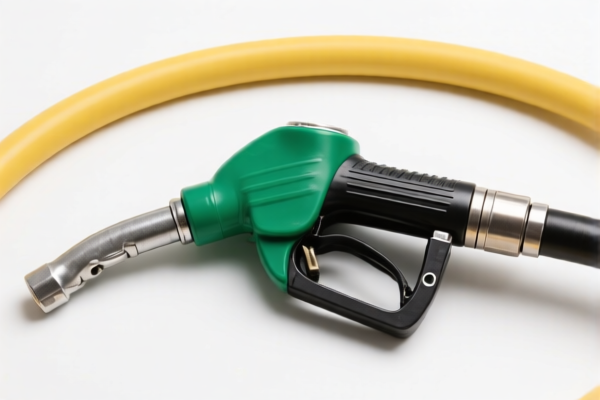
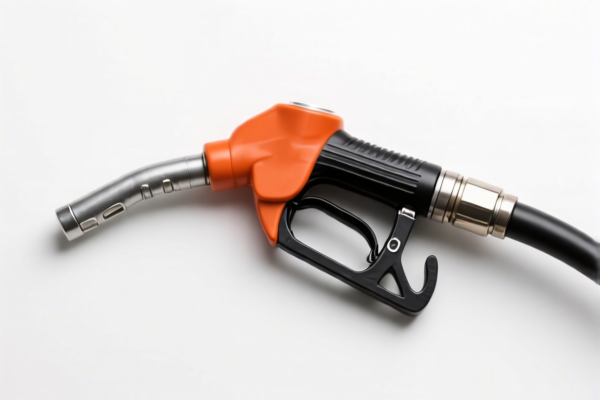
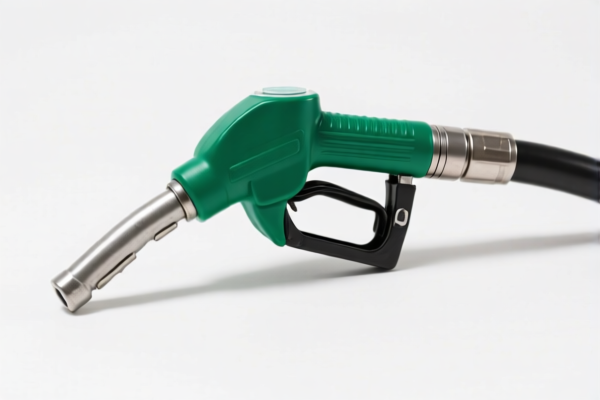
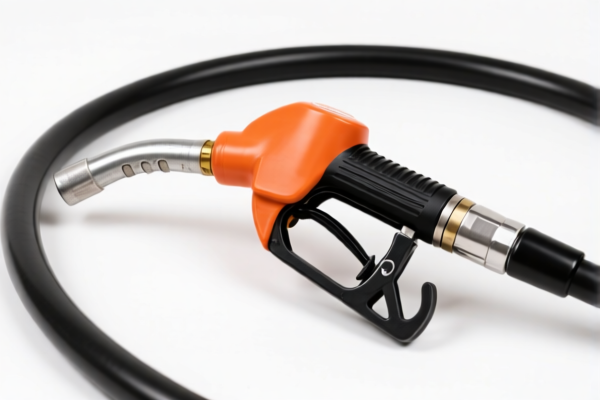
AI分析
🛢️ Fuel Hose (Fuel Lines & Tubing)
🌐 HS Code Reference & Customs Clearance Guide | 2026 Latest Tariff Analysis | Professional Logistics Strategy
📌 I. Product Definition & Classification: Do You Really Know "Fuel Hose"?
Fuel hoses are critical components in automotive, industrial, and marine applications, designed to transport fuel (gasoline, diesel, biofuel) under pressure. In international trade, classification is strictly determined by the material composition. Misclassification is the #1 cause of customs delays and unexpected tax bills.
1. Metal Tubes (Aluminum/Steel):
Used in high-pressure engine intake, exhaust, or industrial pipelines.
2. Rubber Hoses:
Flexible, reinforced or non-reinforced, used for standard automotive fuel lines.
3. Plastic/Rubber Composites:
Often nylon or polymer-based, used in modern fuel injection systems.
⚠️ Critical Distinction:
- Is it Metal? → Check Chapters 73 (Steel/Iron) or 76 (Aluminum).
- Is it Rubber? → Check Chapter 40.
- Is it Plastic/Composite? → Check Chapter 39.
Note: "Hose" implies flexibility. If it is rigid tubing, it may still fall under Chapter 73/76 but requires specific description.
📦 II. HS Code Classification Details (2026 Latest Tariff Authority)
| HS Code | Product Description | Material Inference | Application Scenario |
|---|---|---|---|
7608.20.00.90 |
Fuel Hose → Aluminum Alloy Tubes | Aluminum Alloy | Rigid/alloy fuel lines, inferred as non-specific metal fittings. |
7608.10.00.90 |
Fuel Hose → Non-Alloy Aluminum Tubes | Pure Aluminum | General aluminum piping, inferred as general metal fittings. |
3917.39.00.50 |
Fuel Hose → Plastic/Rubber Composite | Polymer/Plastic | Composite fuel lines, inferred for fluid transmission in pipes/tubes. |
7306.11.00.10 |
Fuel Hose → Iron/Steel (Oil/Gas) | Steel/Iron | High-pressure oil/natural gas pipelines, inferred for steel tubing. |
7306.19.10.10 |
Fuel Hose → Iron/Non-Alloy Steel | Iron/Steel | General steel pipes, inferred for steel piping applications. |
4009.11.00.00 |
Fuel Hose → Vulcanized Rubber | Rubber | Non-reinforced rubber hoses, inferred for flexible fuel delivery. |
🔍 Key Insight:
- Metal Hoses (Chapters 73/76) generally face higher tariffs due to USITC Section 301 duties.
- Plastic/Hybrid (Chapter 39) often has the lowest base tariff but still incurs Section 122 duties.
- Rubber (Chapter 40) sits in the middle, with moderate base rates but significant附加 taxes.
💰 III. 2026 Latest Tariff Rate Breakdown (Including Surcharges & Policy Add-ons)
✅ Applicable Country: USA (US)
✅ Origin: China (CN)
✅ Effective Date: Current rates apply (Base + Section 301 + Section 122)
🎯 1. 7608.20.00.90 & 7608.10.00.90 —— Aluminum Fuel Tubes
| Item | Detail |
|---|---|
| Base Duty | 5.7% |
| USITC Add-on (Sec 301) | +25.0% |
| Section 122 Duty | +10.0% |
| Total Rate | 40.7% |
| Tax Calculation | CIF Value × 40.7% |
| De Minimis Exemption? | ❌ NO (High value threshold; usually not eligible for de minimis) |
| Legal Path | USITC:7608.20.00.90 → FOOTNOTE:Sec301 → Sec122:10% |
📌 Explanation:
Aluminum products are heavily targeted in trade disputes. The 25% Section 301 duty plus 10% Section 122 duty results in a massive 40.7% effective tariff.
Cost Impact: High. Requires precise material documentation.
🎯 2. 3917.39.00.50 —— Plastic/Composite Fuel Hoses
| Item | Detail |
|---|---|
| Base Duty | 3.1% |
| USITC Add-on (Sec 301) | 0.0% (Exempt/Excluded in some cases, see note) |
| Section 122 Duty | +10.0% |
| Total Rate | 13.1% |
| Tax Calculation | CIF Value × 13.1% |
| De Minimis Exemption? | ⚠️ Check Eligibility (Lower base may help, but Sec 122 applies) |
| Legal Path | USITC:3917.39.00.50 → Sec122:10% |
📌 Explanation:
This is the most cost-effective option for importers. Plastic/polymer hoses avoid the 25% steel/aluminum surcharges. However, the 10% Section 122 duty still applies.
Strategy: Ensure the product is genuinely plastic/composite and not a metal-plated hose.
🎯 3. 7306.11.00.10 & 7306.19.10.10 —— Steel/Iron Fuel Pipes
| Item | Detail |
|---|---|
| Base Duty | 0.0% |
| USITC Add-on (Sec 301) | +25.0% |
| Section 122 Duty | +10.0% |
| Total Rate | 35.0% |
| Tax Calculation | CIF Value × 35.0% |
| De Minimis Exemption? | ❌ NO |
| Legal Path | USITC:7306.xx.xx → FOOTNOTE:Sec301 → Sec122:10% |
📌 Explanation:
Steel pipes have 0% base duty, but the 25% + 10% surcharges bring the total to 35.0%.
Cost Impact: Moderate-High. Steel is heavily regulated.
🎯 4. 4009.11.00.00 —— Vulcanized Rubber Fuel Hoses
| Item | Detail |
|---|---|
| Base Duty | 2.5% |
| USITC Add-on (Sec 301) | +25.0% |
| Section 122 Duty | +10.0% |
| Total Rate | 37.5% |
| Tax Calculation | CIF Value × 37.5% |
| De Minimis Exemption? | ❌ NO |
| Legal Path | USITC:4009.11.00.00 → FOOTNOTE:Sec301 → Sec122:10% |
📌 Explanation:
Rubber hoses are subject to the standard 25% Section 301 and 10% Section 122.
Cost Impact: High. Similar to aluminum.
🛠️ IV. Customs Clearance Practical Advice (Battle-Tested Guide)
✅ 1. Preparation Checklist (Non-Negotiable)
| Document | Required | Description |
|---|---|---|
| ✅ Material Specification Sheet | ✔️ | Must explicitly state: "Aluminum Alloy," "Vulcanized Rubber," or "Polyamide/Plastic." |
| ✅ Product Photos | ✔️ | Clear images of cross-section (to show layers/material). |
| ✅ Commercial Invoice | ✔️ | Must match HS Code description (e.g., "Rubber Fuel Hose, Non-Reinforced"). |
| ✅ Bill of Lading | ✔️ | Ensure weight and volume match invoice. |
| ✅ UL/SAE Certification | ✔️ | For fuel hoses, safety certifications (SAE J30, UL 1309) are often requested to prove "Fuel Grade." |
✅ 2. Declaration Tips (Key Mantras)
🔥 “Material Dictates Code, Code Dictates Cost!”
| Scenario | Correct Declaration | Risk if Wrong |
|---|---|---|
| Metal Tube | Use 7608.xx or 7306.xx |
If declared as Rubber → Misclassification Penalty |
| Plastic Hose | Use 3917.39.00.50 |
If declared as Rubber → Overpay Tax (13.1% vs 37.5%) |
| Reinforced Hose | Check if it loses "Hose" status (e.g., becomes a valve/fitting) | If it becomes a fitting, it might move to Chapter 84/85 |
| Generic "Fuel Line" | ❌ Avoid This | Vague descriptions lead to Customs Detention for inspection |
✅ 3. Special Cases & Strategy
| Situation | Action |
|---|---|
| Composite Hose (Metal + Plastic) | If the plastic is the primary functional layer, argue for 3917. If metal is primary, use 7306/7608. Documentation is key. |
| OEM Custom Hoses | Provide the OEM drawing showing material layers. |
| Sample Imports | Even samples are subject to 10% Sec 122 if not properly declared as samples with no commercial value (check current de minimis thresholds). |
🌍 V. Global Market Comparison (2026)
| Country/Region | Recommended HS Code | Est. Tariff (China Origin) | Key Requirement |
|---|---|---|---|
| 🇺🇸 USA | 3917.39.00.50 (Best) |
13.1% (Plastic) vs 35-40% (Metal/Rubber) | SEC 122 & 301 Apply |
| 🇨🇳 China | 4009.11.00.00 |
5-10% (Varies) | CCC Certification |
| 🇪🇺 EU | 4009.11.00.00 |
3-4% | REACH Compliance |
| 🇯🇵 Japan | 4009.11.00.00 |
0-3% | JIS Standard |
📌 Conclusion:
- USA is the most expensive market due to layered tariffs (Base + 301 + 122).
- Plastic/Composite hoses (3917) offer the lowest total tax burden (13.1%).
- Metal and Rubber hoses face penalty-level tariffs (35-40.7%).
📌 VI. Common Mistakes & Pitfalls (Lessons Learned)
❌ Mistake 1: Declaring a Steel Hose as a Rubber Hose
👉 Consequence: Customs inspection reveals steel → 100% seizure risk + heavy fines.
❌ Mistake 2: Ignoring Section 122 (10%)
👉 Consequence: Even if base duty is low, the 10% surcharge is automatic for most HS codes. Budget for it!
❌ Mistake 3: Vague Description "Fuel Hose"
👉 Consequence: CBP issues a Hold for material verification → Delay of 2-4 weeks.
❌ Mistake 4: Assuming All "Hoses" are Rubber
👉 Consequence: Nylon fuel lines are plastic (3917), not rubber (4009). Misclassification leads to tax overpayment or underpayment penalties.
✅ Correct Action:
Always specify: "Material, Reinforcement Type, Diameter, Pressure Rating, and Application."
Example: "Automotive Fuel Hose, Nylon 11 Material, SAE J30 Type, 6mm ID"
🎯 VII. Conclusion: Precise Classification Saves Thousands!
🎯 Remember:
🔹 "Plastic is Cheap, Metal/Rubber is Expensive in the US."
🔹 "Section 122 (10%) is Everywhere – Don't Forget It."
🔹 "Material Definition is King – Get it Right or Pay the Price."
📌 Pro Tip:
If your product is Plastic/Composite (3917), you save ~27% compared to Rubber/Metal alternatives.
Action: Consult your supplier to confirm if the inner layer is plastic rather than rubber to optimize your HS Code.
📣 Immediate Action:
📞 Verify Material Composition with your manufacturer.
📝 Choose3917.39.00.50if possible for lowest duty.
🚀 Declare accurately to avoid CBP holds.
✨ Smart Logistics, Lower Costs!
💼 Every HS Code Digit Counts!
用户评价
关于 HS 编码归类
协调制度(HS)是由世界海关组织(WCO)制定的国际贸易商品分类标准。全球 200 多个国家采用 HS 系统作为海关关税、贸易统计和进出口监管的基础。
每个 HS 编码遵循以下层级结构:
- 章(2 位)——商品大类(例如:第 84 章:机器和机械设备)
- 品目(4 位)——章内的更具体分类
- 子目(6 位)——国际通用细分,所有 WCO 成员国统一使用
- 本国细分(8-10 位)——各国自行扩展的细分编码,如美国 HTSUS 10 位编码
正确的 HS 编码归类对于顺利通关、准确缴纳关税和遵守贸易法规至关重要。错误归类可能导致海关延误、多缴关税或罚款。
从CN进口到US时,适用的关税税率可能包括:
- 最惠国(MFN)税率——适用于 WTO 成员国的标准关税税率
- 普通税率——适用于无贸易协定国家
- 贸易救济关税——附加关税,如 301 条款(反倾销)、232 条款(国家安全)或反补贴税
本页内容仅供参考。如需正式归类,请咨询当地海关或持牌报关代理。