Fuel Hose
CN → USProduct Images
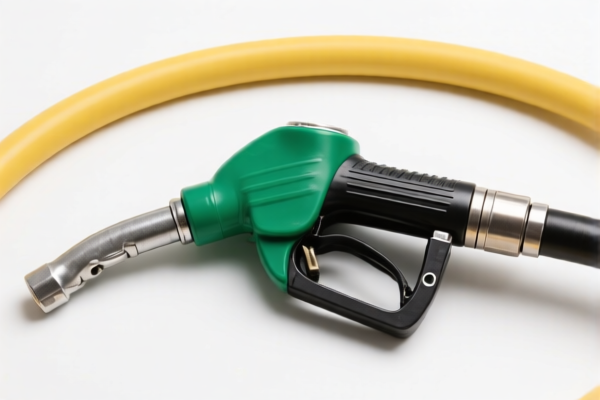
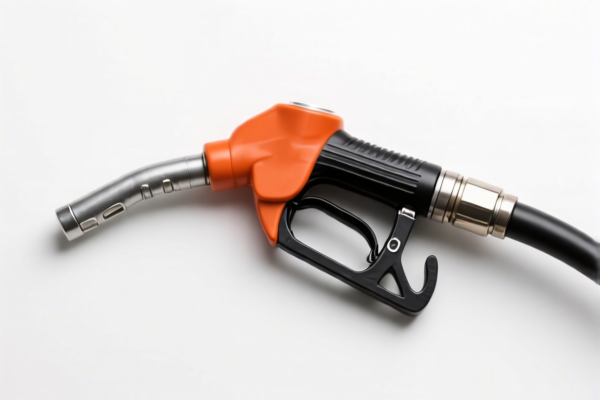
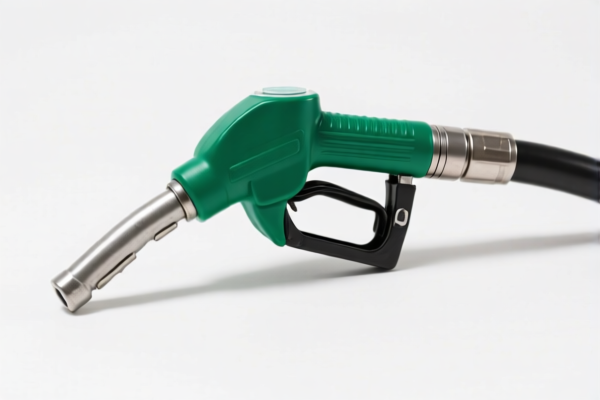
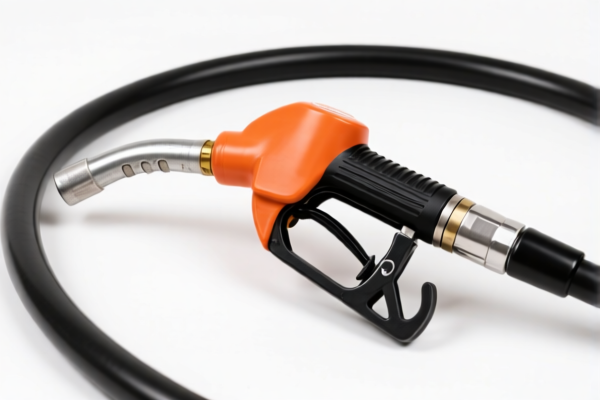
AI Analysis
🛢️ Fuel Hose (Fuel Lines & Tubing)
🌐 HS Code Reference & Customs Clearance Guide | 2026 Latest Tariff Analysis | Professional Logistics Strategy
📌 I. Product Definition & Classification: Do You Really Know "Fuel Hose"?
Fuel hoses are critical components in automotive, industrial, and marine applications, designed to transport fuel (gasoline, diesel, biofuel) under pressure. In international trade, classification is strictly determined by the material composition. Misclassification is the #1 cause of customs delays and unexpected tax bills.
1. Metal Tubes (Aluminum/Steel):
Used in high-pressure engine intake, exhaust, or industrial pipelines.
2. Rubber Hoses:
Flexible, reinforced or non-reinforced, used for standard automotive fuel lines.
3. Plastic/Rubber Composites:
Often nylon or polymer-based, used in modern fuel injection systems.
⚠️ Critical Distinction:
- Is it Metal? → Check Chapters 73 (Steel/Iron) or 76 (Aluminum).
- Is it Rubber? → Check Chapter 40.
- Is it Plastic/Composite? → Check Chapter 39.
Note: "Hose" implies flexibility. If it is rigid tubing, it may still fall under Chapter 73/76 but requires specific description.
📦 II. HS Code Classification Details (2026 Latest Tariff Authority)
| HS Code | Product Description | Material Inference | Application Scenario |
|---|---|---|---|
7608.20.00.90 |
Fuel Hose → Aluminum Alloy Tubes | Aluminum Alloy | Rigid/alloy fuel lines, inferred as non-specific metal fittings. |
7608.10.00.90 |
Fuel Hose → Non-Alloy Aluminum Tubes | Pure Aluminum | General aluminum piping, inferred as general metal fittings. |
3917.39.00.50 |
Fuel Hose → Plastic/Rubber Composite | Polymer/Plastic | Composite fuel lines, inferred for fluid transmission in pipes/tubes. |
7306.11.00.10 |
Fuel Hose → Iron/Steel (Oil/Gas) | Steel/Iron | High-pressure oil/natural gas pipelines, inferred for steel tubing. |
7306.19.10.10 |
Fuel Hose → Iron/Non-Alloy Steel | Iron/Steel | General steel pipes, inferred for steel piping applications. |
4009.11.00.00 |
Fuel Hose → Vulcanized Rubber | Rubber | Non-reinforced rubber hoses, inferred for flexible fuel delivery. |
🔍 Key Insight:
- Metal Hoses (Chapters 73/76) generally face higher tariffs due to USITC Section 301 duties.
- Plastic/Hybrid (Chapter 39) often has the lowest base tariff but still incurs Section 122 duties.
- Rubber (Chapter 40) sits in the middle, with moderate base rates but significant附加 taxes.
💰 III. 2026 Latest Tariff Rate Breakdown (Including Surcharges & Policy Add-ons)
✅ Applicable Country: USA (US)
✅ Origin: China (CN)
✅ Effective Date: Current rates apply (Base + Section 301 + Section 122)
🎯 1. 7608.20.00.90 & 7608.10.00.90 —— Aluminum Fuel Tubes
| Item | Detail |
|---|---|
| Base Duty | 5.7% |
| USITC Add-on (Sec 301) | +25.0% |
| Section 122 Duty | +10.0% |
| Total Rate | 40.7% |
| Tax Calculation | CIF Value × 40.7% |
| De Minimis Exemption? | ❌ NO (High value threshold; usually not eligible for de minimis) |
| Legal Path | USITC:7608.20.00.90 → FOOTNOTE:Sec301 → Sec122:10% |
📌 Explanation:
Aluminum products are heavily targeted in trade disputes. The 25% Section 301 duty plus 10% Section 122 duty results in a massive 40.7% effective tariff.
Cost Impact: High. Requires precise material documentation.
🎯 2. 3917.39.00.50 —— Plastic/Composite Fuel Hoses
| Item | Detail |
|---|---|
| Base Duty | 3.1% |
| USITC Add-on (Sec 301) | 0.0% (Exempt/Excluded in some cases, see note) |
| Section 122 Duty | +10.0% |
| Total Rate | 13.1% |
| Tax Calculation | CIF Value × 13.1% |
| De Minimis Exemption? | ⚠️ Check Eligibility (Lower base may help, but Sec 122 applies) |
| Legal Path | USITC:3917.39.00.50 → Sec122:10% |
📌 Explanation:
This is the most cost-effective option for importers. Plastic/polymer hoses avoid the 25% steel/aluminum surcharges. However, the 10% Section 122 duty still applies.
Strategy: Ensure the product is genuinely plastic/composite and not a metal-plated hose.
🎯 3. 7306.11.00.10 & 7306.19.10.10 —— Steel/Iron Fuel Pipes
| Item | Detail |
|---|---|
| Base Duty | 0.0% |
| USITC Add-on (Sec 301) | +25.0% |
| Section 122 Duty | +10.0% |
| Total Rate | 35.0% |
| Tax Calculation | CIF Value × 35.0% |
| De Minimis Exemption? | ❌ NO |
| Legal Path | USITC:7306.xx.xx → FOOTNOTE:Sec301 → Sec122:10% |
📌 Explanation:
Steel pipes have 0% base duty, but the 25% + 10% surcharges bring the total to 35.0%.
Cost Impact: Moderate-High. Steel is heavily regulated.
🎯 4. 4009.11.00.00 —— Vulcanized Rubber Fuel Hoses
| Item | Detail |
|---|---|
| Base Duty | 2.5% |
| USITC Add-on (Sec 301) | +25.0% |
| Section 122 Duty | +10.0% |
| Total Rate | 37.5% |
| Tax Calculation | CIF Value × 37.5% |
| De Minimis Exemption? | ❌ NO |
| Legal Path | USITC:4009.11.00.00 → FOOTNOTE:Sec301 → Sec122:10% |
📌 Explanation:
Rubber hoses are subject to the standard 25% Section 301 and 10% Section 122.
Cost Impact: High. Similar to aluminum.
🛠️ IV. Customs Clearance Practical Advice (Battle-Tested Guide)
✅ 1. Preparation Checklist (Non-Negotiable)
| Document | Required | Description |
|---|---|---|
| ✅ Material Specification Sheet | ✔️ | Must explicitly state: "Aluminum Alloy," "Vulcanized Rubber," or "Polyamide/Plastic." |
| ✅ Product Photos | ✔️ | Clear images of cross-section (to show layers/material). |
| ✅ Commercial Invoice | ✔️ | Must match HS Code description (e.g., "Rubber Fuel Hose, Non-Reinforced"). |
| ✅ Bill of Lading | ✔️ | Ensure weight and volume match invoice. |
| ✅ UL/SAE Certification | ✔️ | For fuel hoses, safety certifications (SAE J30, UL 1309) are often requested to prove "Fuel Grade." |
✅ 2. Declaration Tips (Key Mantras)
🔥 “Material Dictates Code, Code Dictates Cost!”
| Scenario | Correct Declaration | Risk if Wrong |
|---|---|---|
| Metal Tube | Use 7608.xx or 7306.xx |
If declared as Rubber → Misclassification Penalty |
| Plastic Hose | Use 3917.39.00.50 |
If declared as Rubber → Overpay Tax (13.1% vs 37.5%) |
| Reinforced Hose | Check if it loses "Hose" status (e.g., becomes a valve/fitting) | If it becomes a fitting, it might move to Chapter 84/85 |
| Generic "Fuel Line" | ❌ Avoid This | Vague descriptions lead to Customs Detention for inspection |
✅ 3. Special Cases & Strategy
| Situation | Action |
|---|---|
| Composite Hose (Metal + Plastic) | If the plastic is the primary functional layer, argue for 3917. If metal is primary, use 7306/7608. Documentation is key. |
| OEM Custom Hoses | Provide the OEM drawing showing material layers. |
| Sample Imports | Even samples are subject to 10% Sec 122 if not properly declared as samples with no commercial value (check current de minimis thresholds). |
🌍 V. Global Market Comparison (2026)
| Country/Region | Recommended HS Code | Est. Tariff (China Origin) | Key Requirement |
|---|---|---|---|
| 🇺🇸 USA | 3917.39.00.50 (Best) |
13.1% (Plastic) vs 35-40% (Metal/Rubber) | SEC 122 & 301 Apply |
| 🇨🇳 China | 4009.11.00.00 |
5-10% (Varies) | CCC Certification |
| 🇪🇺 EU | 4009.11.00.00 |
3-4% | REACH Compliance |
| 🇯🇵 Japan | 4009.11.00.00 |
0-3% | JIS Standard |
📌 Conclusion:
- USA is the most expensive market due to layered tariffs (Base + 301 + 122).
- Plastic/Composite hoses (3917) offer the lowest total tax burden (13.1%).
- Metal and Rubber hoses face penalty-level tariffs (35-40.7%).
📌 VI. Common Mistakes & Pitfalls (Lessons Learned)
❌ Mistake 1: Declaring a Steel Hose as a Rubber Hose
👉 Consequence: Customs inspection reveals steel → 100% seizure risk + heavy fines.
❌ Mistake 2: Ignoring Section 122 (10%)
👉 Consequence: Even if base duty is low, the 10% surcharge is automatic for most HS codes. Budget for it!
❌ Mistake 3: Vague Description "Fuel Hose"
👉 Consequence: CBP issues a Hold for material verification → Delay of 2-4 weeks.
❌ Mistake 4: Assuming All "Hoses" are Rubber
👉 Consequence: Nylon fuel lines are plastic (3917), not rubber (4009). Misclassification leads to tax overpayment or underpayment penalties.
✅ Correct Action:
Always specify: "Material, Reinforcement Type, Diameter, Pressure Rating, and Application."
Example: "Automotive Fuel Hose, Nylon 11 Material, SAE J30 Type, 6mm ID"
🎯 VII. Conclusion: Precise Classification Saves Thousands!
🎯 Remember:
🔹 "Plastic is Cheap, Metal/Rubber is Expensive in the US."
🔹 "Section 122 (10%) is Everywhere – Don't Forget It."
🔹 "Material Definition is King – Get it Right or Pay the Price."
📌 Pro Tip:
If your product is Plastic/Composite (3917), you save ~27% compared to Rubber/Metal alternatives.
Action: Consult your supplier to confirm if the inner layer is plastic rather than rubber to optimize your HS Code.
📣 Immediate Action:
📞 Verify Material Composition with your manufacturer.
📝 Choose3917.39.00.50if possible for lowest duty.
🚀 Declare accurately to avoid CBP holds.
✨ Smart Logistics, Lower Costs!
💼 Every HS Code Digit Counts!
Customer Reviews
About HS Code Classification
The Harmonized System (HS) is an internationally standardized nomenclature developed by the World Customs Organization (WCO) to classify traded products. Over 200 countries use the HS system as the basis for customs tariffs, trade statistics, and import/export regulations.
Each HS code follows a hierarchical structure:
- Chapter (2 digits) — Broad category of goods (e.g., Chapter 84: Machinery and Mechanical Appliances)
- Heading (4 digits) — More specific grouping within the chapter
- Subheading (6 digits) — Internationally standardized breakdown, used by all WCO member countries
- National subdivisions (8-10 digits) — Country-specific extensions for further classification, such as US HTSUS 10-digit codes
Correct HS code classification is essential for smooth customs clearance, accurate duty payment, and compliance with trade regulations. Misclassification can lead to customs delays, overpayment of duties, or penalties.
When importing from CN to US, the applicable tariff rates may include:
- Most-Favored-Nation (MFN) rate — The standard duty rate applied to WTO members
- General rate — Applied to countries without trade agreements
- Trade remedy duties — Additional tariffs such as Section 301 (anti-dumping), Section 232 (national security), or countervailing duties
The information provided on this page is for reference purposes only. For official classification, please consult with your local customs authority or a licensed customs broker.