Game Mat
CN → US| HS编码 | 关税税率 | 原产国 | 目的国 | 文档 |
|---|---|---|---|---|
| 3926907500 | 14.2% | CN | US | 官方文档 |
| 8543709860 | 37.6% | CN | US | 官方文档 |
| 3926909989 | 22.8% | CN | US | 官方文档 |
商品图片
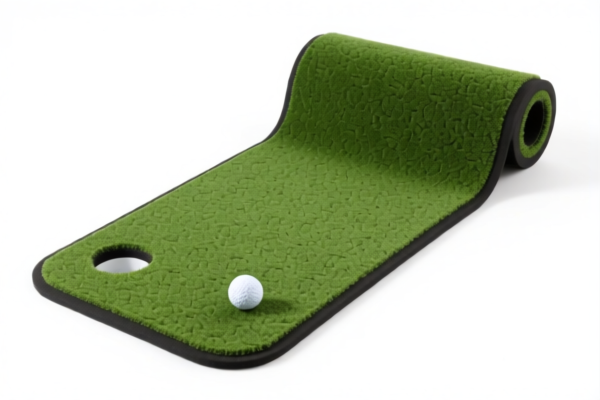
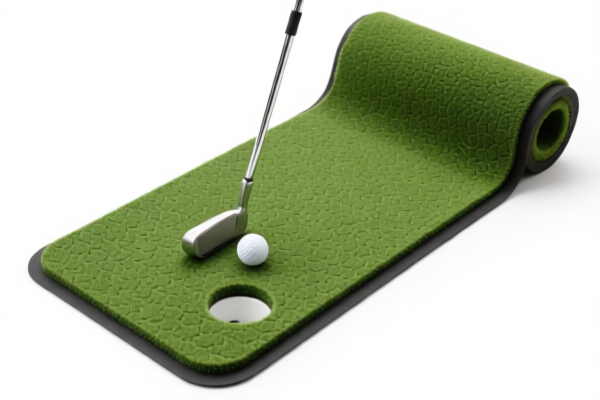
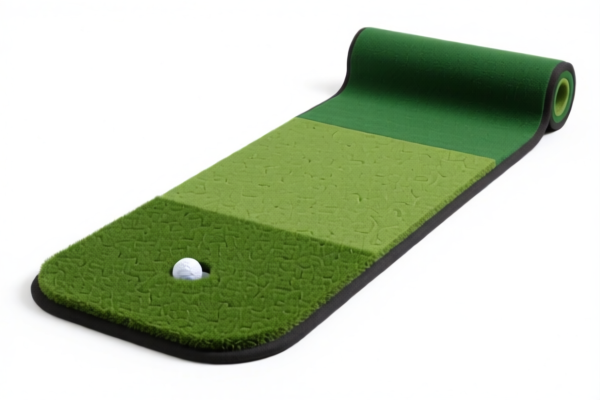
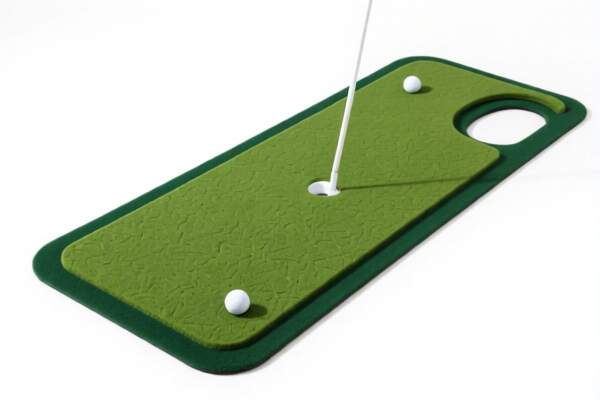
AI分析
🎮 Game Mat (Gaming Mats & Playmats) – Classification & Customs Clearance Guide 2026
🌐 HS Code Reference & Clearance Strategy | Official Customs Classification Analysis
📌 I. Product Definition: What Exactly is a "Game Mat"?
A Game Mat (also known as a Playmat or Gaming Mat) is a specialized surface used to enhance the experience of tabletop gaming, such as Dungeons & Dragons, Magic: The Gathering, Poker, or board games.
Key Characteristics: - Material: Primarily made of PVC, vinyl, rubber, or synthetic fabrics. - Structure: Can be inflatable (air-filled for cushioning) or non-inflatable (fixed thickness foam/rubber). - Function: Provides a smooth surface for card handling, reduces noise, and offers aesthetic appeal with printed designs.
⚠️ Critical Classification Distinction:
- Inflatable/Soft Pads: Classified as plastic air-filled goods or general plastic articles depending on structure.
- Electronic/Smart Mats: If embedded with sensors, LEDs, or audio devices for gameplay interaction → Classified as Electronic Equipment.
- Standard Non-Inflatable Mats: Classified as General Plastic Articles if not specified elsewhere.
📦 II. HS Code Classification Matrix (2026 Customs Tariff)
Based on the inferred material, form, and use, here are the three most relevant HS Codes for "Game Mats":
| HS Code | Product Description | Inferred Material/Form | Use Case |
|---|---|---|---|
| 3926.90.75.00 | Other Inflatable Articles | Plastic/Synthetic, Inflatable Soft Pad | Inflatable playmats, air-cushioning game surfaces |
| 8543.70.98.60 | Other Machines & Apparatus (Electronic) | Electronic Device, Smart Mat | Mats with embedded electronics, sensors, or audio for gaming |
| 3926.90.99.89 | Other Plastic Articles (Niche) | Plastic, Non-Inflatable General Pad | Standard foam/rubber mats, PVC playmats without electronics |
🔍 Classification Logic:
- If Inflatable: Falls under3926.90.75.00as an "inflatable plastic article."
- If Electronic/Smart: Falls under8543.70.98.60as an "electronic gaming accessory/ apparatus."
- If Standard Non-Inflatable: Falls under3926.90.99.89as a "general plastic article" (fallback category).
💰 III. 2026 Tariff Rate Breakdown (US Market - China Origin)
✅ Applicable Country: USA
✅ Origin: China
✅ Effective Date: Post-November 2025 (Current Trade Policies)
🎯 1. 3926.90.75.00 – Inflatable Plastic Articles
| Item | Details |
|---|---|
| Base Tariff | 4.2% |
| Section 301 Tariff (25%) | 0.0% |
| Section 122 Tariff | +10.0% |
| Total Tax Rate | 14.2% |
| Calculation | CIF Value × 14.2% |
📌 Explanation:
- Inflatable plastic goods benefit from lower Section 301 tariffs (0%) compared to many other plastics.
- The Section 122 tariff (+10%) applies as an additional safeguard.
- Total Effective Rate: 14.2% – Moderate cost.
🎯 2. 8543.70.98.60 – Electronic Gaming Accessories
| Item | Details |
|---|---|
| Base Tariff | 2.6% |
| Section 301 Tariff (25%) | +25.0% |
| Section 122 Tariff | +10.0% |
| Total Tax Rate | 37.6% |
| Calculation | CIF Value × 37.6% |
📌 Explanation:
- Electronic goods are heavily impacted by Section 301 tariffs (+25%).
- Additional Section 122 (+10%) applies.
- Total Effective Rate: 37.6% – High cost.
- Note: If the mat is purely electronic (e.g., LED-lit with circuitry), this code is mandatory. Misclassification here can lead to penalties.
🎯 3. 3926.90.99.89 – Other Plastic Articles
| Item | Details |
|---|---|
| Base Tariff | 5.3% |
| Section 301 Tariff | +7.5% |
| Section 122 Tariff | +10.0% |
| Total Tax Rate | 22.8% |
| Calculation | CIF Value × 22.8% |
📌 Explanation:
- Standard non-inflatable plastic mats fall into this "catch-all" plastic category.
- Subject to a Section 301 tariff of 7.5% (lower than electronics).
- Total Effective Rate: 22.8% – Moderate-High cost.
🛠️ IV. Customs Clearance Practical Advice
✅ 1. Documentation Checklist
| Document | Required? | Notes |
|---|---|---|
| Product Specifications | ✔️ | Must specify: Material (PVC/Rubber/Electronic), Thickness, Inflatable vs. Non-Inflatable |
| Product Photos | ✔️ | Show overall shape, inflation valve (if any), and any electronic components |
| Commercial Invoice | ✔️ | Clear description: e.g., "PVC Inflatable Game Mat" or "Electronic Smart Gaming Mat" |
| Certificate of Origin | ✔️ | Required for tariff calculation |
| FCC Certification | ✔️ | Mandatory if classified under 8543.70.98.60 (Electronic) |
✅ 2. Declaration Strategy (Key Tips)
🔥 "Inflatable vs. Electronic vs. General Plastic: Choose Wisely!"
| Scenario | Recommended HS Code | Risk of Misclassification |
|---|---|---|
| Inflatable Mat (e.g., air-cushioned) | 3926.90.75.00 |
Low. Clearly define as "inflatable." |
| Standard Foam/Rubber Mat (no electronics) | 3926.90.99.89 |
Medium. Ensure no embedded circuits are declared. |
| Smart/LED Mat (with chips/sensors) | 8543.70.98.60 |
High. Must include FCC docs. Failure → Seizure. |
✅ 3. Common Pitfalls & Avoidance
❌ Mistake 1: Declaring an Electronic Mat as a "Plastic Art."
👉 Consequence: Penalty for undervaluation, potential seizure, and retroactive tariffs (37.6% vs. 22.8%).
❌ Mistake 2: Declaring a Non-Inflatable Mat as "Inflatable."
👉 Consequence: Customs may inspect and reclassify, causing delays. Always specify "Non-Inflatable" if applicable.
❌ Mistake 3: Ignoring FCC Requirements for Electronic Mats.
👉 Consequence: Goods held at port until FCC certification is provided. Pre-clearance is critical.
🌍 V. Market Comparison (2026)
| Region | Recommended HS Code | Approx. Total Tariff | Notes |
|---|---|---|---|
| 🇺🇸 USA | 3926.90.75.00 / 8543.70.98.60 / 3926.90.99.89 |
14.2% ~ 37.6% | Section 301 & 122 apply. Electronic mats are most expensive. |
| 🇨🇳 China | 3926.90.99.89 |
~5% | Low import duties for plastic goods. |
| 🇪🇺 EU | 3926.90.99 |
~4% + VAT | No Section 301/122. Standard EU tariffs apply. |
📌 Conclusion:
- USA is the most complex market due to Section 301 and 122 tariffs.
- Electronic Mats incur the highest duty (37.6%) due to Section 301.
- Inflatable Mats are the most cost-effective to export to the US (14.2%).
📌 VI. Final Recommendations for Importers
- Pre-Clearance Classification: If your mat has any electronic component, consult a customs broker to confirm
8543.70.98.60classification and obtain FCC certification before shipment. - Material Declaration: Clearly state material composition (e.g., "PVC Inflatable" vs. "Rubber Non-Inflatable") on the commercial invoice.
- Tariff Optimization: If feasible, consider designing non-electronic, non-inflatable mats to fall under
3926.90.99.89(22.8%) or inflatables (3926.90.75.00- 14.2%) to avoid the 37.6% electronic tariff. - Documentation: Keep detailed product specs and photos ready for customs inspection.
🎯 Pro Tip:
"Inflatable = Cheapest, Electronic = Most Expensive, Standard = Middle Ground. Classify Accurately to Save 10-23% in Duties!"
✨ Professional Clearance Starts with Precise Classification!
💼 Save costs, avoid delays, and ensure smooth customs entry.
用户评价
关于 HS 编码归类
协调制度(HS)是由世界海关组织(WCO)制定的国际贸易商品分类标准。全球 200 多个国家采用 HS 系统作为海关关税、贸易统计和进出口监管的基础。
每个 HS 编码遵循以下层级结构:
- 章(2 位)——商品大类(例如:第 84 章:机器和机械设备)
- 品目(4 位)——章内的更具体分类
- 子目(6 位)——国际通用细分,所有 WCO 成员国统一使用
- 本国细分(8-10 位)——各国自行扩展的细分编码,如美国 HTSUS 10 位编码
正确的 HS 编码归类对于顺利通关、准确缴纳关税和遵守贸易法规至关重要。错误归类可能导致海关延误、多缴关税或罚款。
从CN进口到US时,适用的关税税率可能包括:
- 最惠国(MFN)税率——适用于 WTO 成员国的标准关税税率
- 普通税率——适用于无贸易协定国家
- 贸易救济关税——附加关税,如 301 条款(反倾销)、232 条款(国家安全)或反补贴税
本页内容仅供参考。如需正式归类,请咨询当地海关或持牌报关代理。