Game Mat
CN → US| HS Code | Tariff Rate | Origin | Destination | Doc |
|---|---|---|---|---|
| 3926907500 | 14.2% | CN | US | Official Doc |
| 8543709860 | 37.6% | CN | US | Official Doc |
| 3926909989 | 22.8% | CN | US | Official Doc |
Product Images
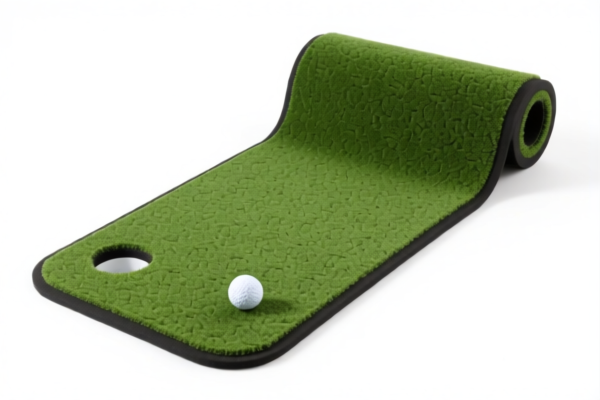
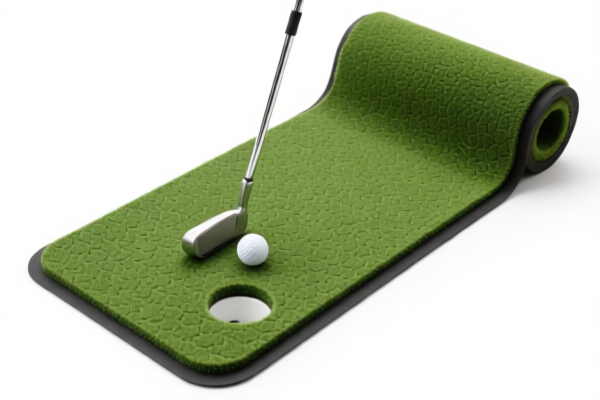
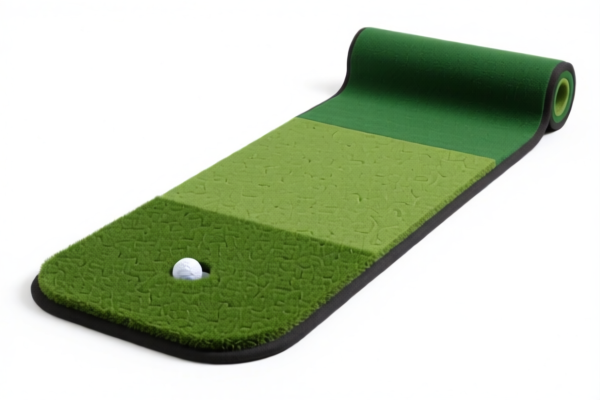
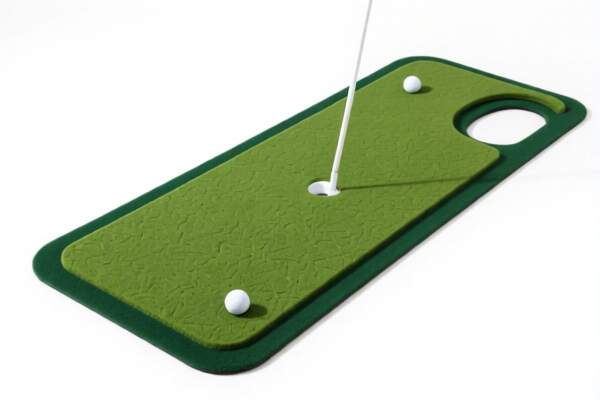
AI Analysis
🎮 Game Mat (Gaming Mats & Playmats) – Classification & Customs Clearance Guide 2026
🌐 HS Code Reference & Clearance Strategy | Official Customs Classification Analysis
📌 I. Product Definition: What Exactly is a "Game Mat"?
A Game Mat (also known as a Playmat or Gaming Mat) is a specialized surface used to enhance the experience of tabletop gaming, such as Dungeons & Dragons, Magic: The Gathering, Poker, or board games.
Key Characteristics: - Material: Primarily made of PVC, vinyl, rubber, or synthetic fabrics. - Structure: Can be inflatable (air-filled for cushioning) or non-inflatable (fixed thickness foam/rubber). - Function: Provides a smooth surface for card handling, reduces noise, and offers aesthetic appeal with printed designs.
⚠️ Critical Classification Distinction:
- Inflatable/Soft Pads: Classified as plastic air-filled goods or general plastic articles depending on structure.
- Electronic/Smart Mats: If embedded with sensors, LEDs, or audio devices for gameplay interaction → Classified as Electronic Equipment.
- Standard Non-Inflatable Mats: Classified as General Plastic Articles if not specified elsewhere.
📦 II. HS Code Classification Matrix (2026 Customs Tariff)
Based on the inferred material, form, and use, here are the three most relevant HS Codes for "Game Mats":
| HS Code | Product Description | Inferred Material/Form | Use Case |
|---|---|---|---|
| 3926.90.75.00 | Other Inflatable Articles | Plastic/Synthetic, Inflatable Soft Pad | Inflatable playmats, air-cushioning game surfaces |
| 8543.70.98.60 | Other Machines & Apparatus (Electronic) | Electronic Device, Smart Mat | Mats with embedded electronics, sensors, or audio for gaming |
| 3926.90.99.89 | Other Plastic Articles (Niche) | Plastic, Non-Inflatable General Pad | Standard foam/rubber mats, PVC playmats without electronics |
🔍 Classification Logic:
- If Inflatable: Falls under3926.90.75.00as an "inflatable plastic article."
- If Electronic/Smart: Falls under8543.70.98.60as an "electronic gaming accessory/ apparatus."
- If Standard Non-Inflatable: Falls under3926.90.99.89as a "general plastic article" (fallback category).
💰 III. 2026 Tariff Rate Breakdown (US Market - China Origin)
✅ Applicable Country: USA
✅ Origin: China
✅ Effective Date: Post-November 2025 (Current Trade Policies)
🎯 1. 3926.90.75.00 – Inflatable Plastic Articles
| Item | Details |
|---|---|
| Base Tariff | 4.2% |
| Section 301 Tariff (25%) | 0.0% |
| Section 122 Tariff | +10.0% |
| Total Tax Rate | 14.2% |
| Calculation | CIF Value × 14.2% |
📌 Explanation:
- Inflatable plastic goods benefit from lower Section 301 tariffs (0%) compared to many other plastics.
- The Section 122 tariff (+10%) applies as an additional safeguard.
- Total Effective Rate: 14.2% – Moderate cost.
🎯 2. 8543.70.98.60 – Electronic Gaming Accessories
| Item | Details |
|---|---|
| Base Tariff | 2.6% |
| Section 301 Tariff (25%) | +25.0% |
| Section 122 Tariff | +10.0% |
| Total Tax Rate | 37.6% |
| Calculation | CIF Value × 37.6% |
📌 Explanation:
- Electronic goods are heavily impacted by Section 301 tariffs (+25%).
- Additional Section 122 (+10%) applies.
- Total Effective Rate: 37.6% – High cost.
- Note: If the mat is purely electronic (e.g., LED-lit with circuitry), this code is mandatory. Misclassification here can lead to penalties.
🎯 3. 3926.90.99.89 – Other Plastic Articles
| Item | Details |
|---|---|
| Base Tariff | 5.3% |
| Section 301 Tariff | +7.5% |
| Section 122 Tariff | +10.0% |
| Total Tax Rate | 22.8% |
| Calculation | CIF Value × 22.8% |
📌 Explanation:
- Standard non-inflatable plastic mats fall into this "catch-all" plastic category.
- Subject to a Section 301 tariff of 7.5% (lower than electronics).
- Total Effective Rate: 22.8% – Moderate-High cost.
🛠️ IV. Customs Clearance Practical Advice
✅ 1. Documentation Checklist
| Document | Required? | Notes |
|---|---|---|
| Product Specifications | ✔️ | Must specify: Material (PVC/Rubber/Electronic), Thickness, Inflatable vs. Non-Inflatable |
| Product Photos | ✔️ | Show overall shape, inflation valve (if any), and any electronic components |
| Commercial Invoice | ✔️ | Clear description: e.g., "PVC Inflatable Game Mat" or "Electronic Smart Gaming Mat" |
| Certificate of Origin | ✔️ | Required for tariff calculation |
| FCC Certification | ✔️ | Mandatory if classified under 8543.70.98.60 (Electronic) |
✅ 2. Declaration Strategy (Key Tips)
🔥 "Inflatable vs. Electronic vs. General Plastic: Choose Wisely!"
| Scenario | Recommended HS Code | Risk of Misclassification |
|---|---|---|
| Inflatable Mat (e.g., air-cushioned) | 3926.90.75.00 |
Low. Clearly define as "inflatable." |
| Standard Foam/Rubber Mat (no electronics) | 3926.90.99.89 |
Medium. Ensure no embedded circuits are declared. |
| Smart/LED Mat (with chips/sensors) | 8543.70.98.60 |
High. Must include FCC docs. Failure → Seizure. |
✅ 3. Common Pitfalls & Avoidance
❌ Mistake 1: Declaring an Electronic Mat as a "Plastic Art."
👉 Consequence: Penalty for undervaluation, potential seizure, and retroactive tariffs (37.6% vs. 22.8%).
❌ Mistake 2: Declaring a Non-Inflatable Mat as "Inflatable."
👉 Consequence: Customs may inspect and reclassify, causing delays. Always specify "Non-Inflatable" if applicable.
❌ Mistake 3: Ignoring FCC Requirements for Electronic Mats.
👉 Consequence: Goods held at port until FCC certification is provided. Pre-clearance is critical.
🌍 V. Market Comparison (2026)
| Region | Recommended HS Code | Approx. Total Tariff | Notes |
|---|---|---|---|
| 🇺🇸 USA | 3926.90.75.00 / 8543.70.98.60 / 3926.90.99.89 |
14.2% ~ 37.6% | Section 301 & 122 apply. Electronic mats are most expensive. |
| 🇨🇳 China | 3926.90.99.89 |
~5% | Low import duties for plastic goods. |
| 🇪🇺 EU | 3926.90.99 |
~4% + VAT | No Section 301/122. Standard EU tariffs apply. |
📌 Conclusion:
- USA is the most complex market due to Section 301 and 122 tariffs.
- Electronic Mats incur the highest duty (37.6%) due to Section 301.
- Inflatable Mats are the most cost-effective to export to the US (14.2%).
📌 VI. Final Recommendations for Importers
- Pre-Clearance Classification: If your mat has any electronic component, consult a customs broker to confirm
8543.70.98.60classification and obtain FCC certification before shipment. - Material Declaration: Clearly state material composition (e.g., "PVC Inflatable" vs. "Rubber Non-Inflatable") on the commercial invoice.
- Tariff Optimization: If feasible, consider designing non-electronic, non-inflatable mats to fall under
3926.90.99.89(22.8%) or inflatables (3926.90.75.00- 14.2%) to avoid the 37.6% electronic tariff. - Documentation: Keep detailed product specs and photos ready for customs inspection.
🎯 Pro Tip:
"Inflatable = Cheapest, Electronic = Most Expensive, Standard = Middle Ground. Classify Accurately to Save 10-23% in Duties!"
✨ Professional Clearance Starts with Precise Classification!
💼 Save costs, avoid delays, and ensure smooth customs entry.
Customer Reviews
About HS Code Classification
The Harmonized System (HS) is an internationally standardized nomenclature developed by the World Customs Organization (WCO) to classify traded products. Over 200 countries use the HS system as the basis for customs tariffs, trade statistics, and import/export regulations.
Each HS code follows a hierarchical structure:
- Chapter (2 digits) — Broad category of goods (e.g., Chapter 84: Machinery and Mechanical Appliances)
- Heading (4 digits) — More specific grouping within the chapter
- Subheading (6 digits) — Internationally standardized breakdown, used by all WCO member countries
- National subdivisions (8-10 digits) — Country-specific extensions for further classification, such as US HTSUS 10-digit codes
Correct HS code classification is essential for smooth customs clearance, accurate duty payment, and compliance with trade regulations. Misclassification can lead to customs delays, overpayment of duties, or penalties.
When importing from CN to US, the applicable tariff rates may include:
- Most-Favored-Nation (MFN) rate — The standard duty rate applied to WTO members
- General rate — Applied to countries without trade agreements
- Trade remedy duties — Additional tariffs such as Section 301 (anti-dumping), Section 232 (national security), or countervailing duties
The information provided on this page is for reference purposes only. For official classification, please consult with your local customs authority or a licensed customs broker.