Garbage Can
CN → US| HS编码 | 关税税率 | 原产国 | 目的国 | 文档 |
|---|---|---|---|---|
| 3924905650 | 20.9% | CN | US | 官方文档 |
| 3924905610 | 20.9% | CN | US | 官方文档 |
| 3926909989 | 22.8% | CN | US | 官方文档 |
| 3926901000 | 20.9% | CN | US | 官方文档 |
| 4202999000 | 55.0% | CN | US | 官方文档 |
| 7326908688 | 87.9% | CN | US | 官方文档 |
商品图片
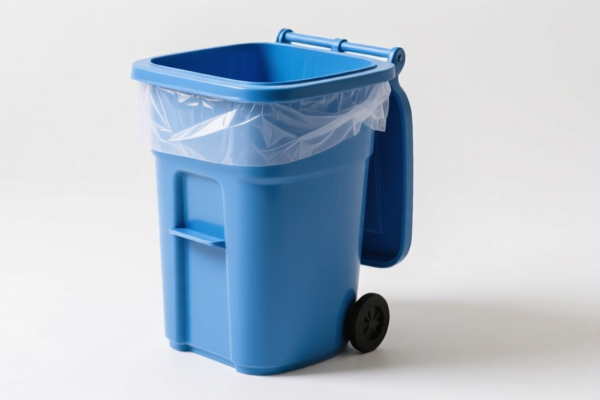
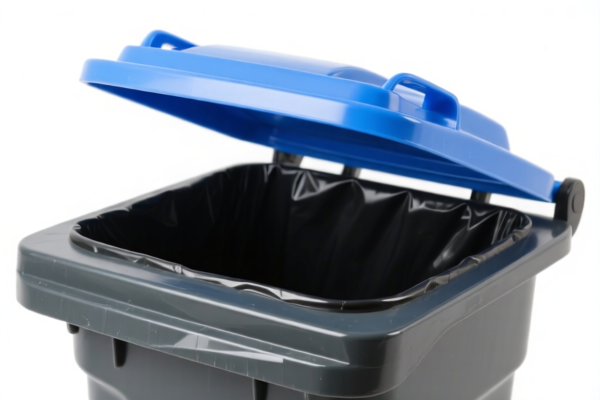
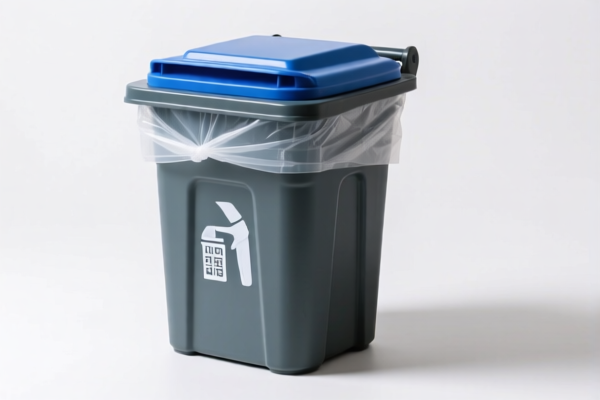
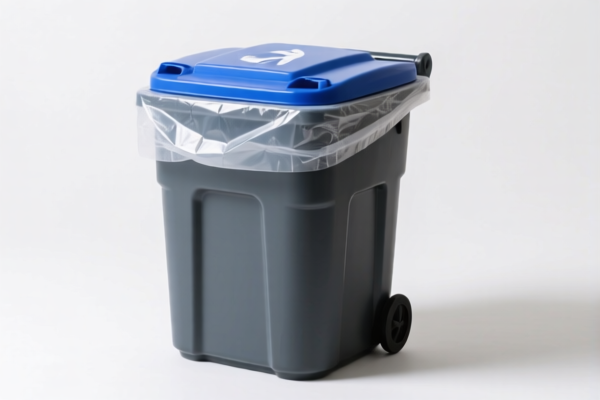
AI分析
🗑️ Garbage Can (Trash Bins & Waste Containers)
🌐 HS Code Reference & Customs Clearance Guide | 2026 Latest Tariff Analysis | Professional Strategy for Plastic, Metal & Auto Containers
📌 I. Product Definition & Classification: What Exactly Is a "Garbage Can"?
In international trade, "Garbage Can" is a generic term that masks significant differences in material, use case, and manufacturing process. Misclassification can lead to drastic tariff shocks (from 20.9% to 87.9%) and clearance delays.
We categorize garbage cans into three distinct clusters based on the provided data:
- Household/Homeware Plastic Bins: Generic bins for home, kitchen, or office use.
- Key Feature: Non-specific household use, plastic material.
- Automotive Waste Containers: Bins designed specifically for cars.
- Key Feature: Car-specific use, often plastic or fabric-covered.
- Specialty/Metal Containers: Non-standard materials or specific industrial uses.
- Key Feature: Metal construction or non-typical materials.
⚠️ Critical Distinction Point:
- Plastic Household Bin vs. Plastic Auto Bin: While both are plastic, the use case (Chapter 39 vs. Chapter 39/42) and material perception can shift the HS code from3924to3926or4202.
- Plastic vs. Metal: A metal bin falls under Chapter 73, which attracts significantly higher duties due to steel/aluminum restrictions.
- Hard Plastic vs. Textile/Fabric: A fabric-covered car bin is classified under4202(bags/cases), not plastics.
📦 II. HS Code Classification Matrix (2026 Data Analysis)
Based on the provided dataset, here are the 6 specific HS Codes mapped to Garbage Cans. Note that the "Summary" in the data provides the reasoning for the classification.
| HS Code | Product Description & Data Summary | Material Inference | Primary Use Case | Total Tax Rate |
|---|---|---|---|---|
3924.90.56.50 |
Plastic Household Bin: "Slag bucket" inferred as plastic, fits "other household items/containers of plastic." | Plastic | Household / Kitchen | 20.9% |
3924.90.56.10 |
Plastic Household Bin: "Slag bucket" inferred as plastic, fits "other household plastic products." | Plastic | Household / General | 20.9% |
3926.90.99.89 |
Auto Trash Can: Inferred as plastic, fits "other articles of plastics and articles of other materials." | Plastic | Automotive | 22.8% |
3926.90.10.00 |
Auto Trash Can: Inferred as plastic bucket, fits "plastic buckets." | Plastic | Automotive | 20.9% |
4202.99.90.00 |
Auto Trash Can: Inferred as plastic or textile material, fits "other containers and bags." | Plastic/Textile | Automotive (Fabric/Soft) | 55.0% |
7326.90.86.88 |
Auto Trash Can: Inferred as metal, fits "other articles of base metal." | Metal (Steel/Aluminum) | Automotive / Industrial | 87.9% |
🔍 Key Insight from Data:
- Plastic Household Bins (3924) and Plastic Auto Bins (3926) generally have the lowest base tariffs (3.4% - 5.3%).
- Textile/Fabric Auto Bins (4202) trigger a massive 55% total rate due to high base duties (20%).
- Metal Bins (7326) face the highest penalty at 87.9% due to base duties (2.9%) plus a specific "Steel, Aluminum, Copper Products Surcharge of 50%".
💰 III. Detailed Tariff Breakdown (2026 US Import from China)
✅ Applicable Country: United States (US)
✅ Origin: China (CN)
✅ Effective Date: Current 2025/2026 policies (Section 301 + Section 232/IEEPA components)
The total tax rates provided in the data are composite rates, consisting of: 1. MFN Base Duty (Standard WTO rate) 2. Section 301 Additional Duty (China-specific, often 7.5% or 25%) 3. Section 232 / 122 Clause Tariff (Steel/Aluminum or National Security, 10% in this data context)
🎯 1. 3924.90.56.50 & 3924.90.56.10 — Plastic Household Bins
The most cost-effective option for standard plastic bins.
| Item | Detail |
|---|---|
| Base Duty | 3.4% |
| Section 301 Surcharge | 7.5% |
| 122 Clause / Additional | 10% |
| Total Effective Rate | 20.9% |
| Calculation | CIF Value × 20.9% |
| Why this rate? | Plastics (Ch 39) have low base duties. The 301 tariff is reduced to 7.5% for many consumer goods, plus a flat 10% security levy. |
🎯 2. 3926.90.10.00 — Plastic Auto Bins (Bucket Style)
Similar to household bins but classified under "Other articles of plastics" (Ch 39.26).
| Item | Detail |
|---|---|
| Base Duty | 3.4% |
| Section 301 Surcharge | 7.5% |
| 122 Clause / Additional | 10% |
| Total Effective Rate | 20.9% |
| Calculation | CIF Value × 20.9% |
| Why this rate? | Same structure as household bins. Classification as "bucket" does not increase the tax burden. |
🎯 3. 3926.90.99.89 — Plastic Auto Bins (Other/General)
Generic plastic automotive accessories.
| Item | Detail |
|---|---|
| Base Duty | 5.3% |
| Section 301 Surcharge | 7.5% |
| 122 Clause / Additional | 10% |
| Total Effective Rate | 22.8% |
| Calculation | CIF Value × 22.8% |
| Why this rate? | Higher base duty (5.3%) compared to household bins (3.4%) drives the slight increase. |
🎯 4. 4202.99.90.00 — Textile/Fabric Auto Bins
High-risk classification for car trash cans. Often used for "soft" bins or those with fabric covers.
| Item | Detail |
|---|---|
| Base Duty | 20.0% |
| Section 301 Surcharge | 25.0% |
| 122 Clause / Additional | 10% |
| Total Effective Rate | 55.0% |
| Calculation | CIF Value × 55.0% |
| Why this rate? | CRITICAL: Textiles/Leather goods (Ch 42) have high base duties (20%). The 301 tariff is at the maximum 25%. This is a cost trap. |
🎯 5. 7326.90.86.88 — Metal Auto Bins
Steel or Aluminum trash cans. Highest cost due to trade war penalties on metals.
| Item | Detail |
|---|---|
| Base Duty | 2.9% |
| Section 301 Surcharge | 25.0% |
| Steel/Aluminum Surcharge | 50.0% (Specific to steel/aluminum) |
| 122 Clause / Additional | 10% |
| Total Effective Rate | 87.9% |
| Calculation | CIF Value × 87.9% |
| Why this rate? | EXTREME PENALTY: While the base duty is low (2.9%), the 50% specific duty on Steel/Aluminum combined with the 25% Section 301 rate creates a prohibitive tax. |
📌 Explanation of Tax Components:
- Base Duty: The standard MFN rate for the HS code.
- Section 301 (7.5% vs 25%): Depends on the product list. Plastics are often lower (7.5%), while textiles and metals face higher (25%).
- 122 Clause / 10%: A fixed administrative or security-related surcharge mentioned in the data for all items.
- Steel/Aluminum 50%: A specific penalty for metal products, making7326the most expensive to import.
🛠️ IV. Customs Clearance Practical Advice
✅ 1. Material Declaration is King
Customs officers will inspect the primary material of the product.
- Plastic Bins: Ensure the product description explicitly states "100% Plastic" or "Polypropylene." Avoid vague terms like "Composite" if it contains metal frames.
- Fabric Bins: If the bin is plastic inside but has a fabric cover, it may still be classified as 4202 if the fabric is the "essential character." Result: 55% Tax.
- Metal Bins: If it is steel, accept the 87.9% tax or redesign.
✅ 2. Avoid "Metal" Classification for Auto Bins
Unless the product is purely metal and cannot be substituted with plastic: - Strategy: Switch to Plastic (PP/PE) or Fabric materials. - Savings: Reduces tax from 87.9% to 20.9% - 22.8% (Plastic) or 55% (Fabric). Saving of ~65% tax!
✅ 3. Correctly Define "Household" vs. "Automotive"
- Household (
3924): Lower base duty (3.4%). Use if the bin is generic. - Automotive (
3926/4202): If designed specifically for cars (e.g., clips, specific shape), it falls under3926or4202. - Risk: Do not declare a Metal Car Bin as a Household Plastic Bin. This is customs fraud and will lead to seizures.
✅ 4. Documentation Checklist
| Document | Requirement |
|---|---|
| Commercial Invoice | Clearly state Material (e.g., "Polypropylene Plastic"), HS Code, and Country of Origin. |
| Product Photos | High-res images showing material texture. For fabric bins, show the textile side. |
| Bill of Materials (BOM) | List percentages of materials (e.g., 90% Plastic, 10% Metal). |
| Firmware/Labels | If applicable, ensure no conflicting origin labels. |
🌍 V. Market Comparison & Strategy (2026)
| Market | Recommended HS Code | Total Est. Tax | Strategy |
|---|---|---|---|
| 🇺🇸 USA (From China) | 3924 or 3926 |
20.9% - 22.8% | Best Option: Use Plastic Household/Auto bins. Avoid Metal and Textile. |
| 🇺🇸 USA (From China) | 4202 (Fabric) |
55.0% | High Cost: Only use if design requires fabric. Consider raising prices. |
| 🇺🇸 USA (From China) | 7326 (Metal) |
87.9% | Avoid: Unless it's a luxury/premium item with high margin. |
| 🇪🇺 EU | Varies | Lower Base Duties | EU does not have Section 301/122 clauses. Metal bins may be cheaper in EU than US. |
📌 Conclusion for US Importers:
1. Maximize Plastic Use:3924and3926are the sweet spots (20-22% tax).
2. Eliminate Metal:7326is too expensive (87.9%) for mass market.
3. Caution with Fabric:4202is costly (55%). Ensure the fabric component is not deemed the "essential character" if you want to stay in lower tax brackets, or accept the higher cost.
📌 VI. Common Mistakes & Pitfalls (Blood Lessons)
❌ Mistake 1: Importing Steel Car Bins and declaring them as "Household Plastic Bins."
👉 Consequence: Customs inspection reveals metal → Penalty + Back Taxes + Storage Fees.
❌ Mistake 2: Ignoring the Material Composition of "Auto Trash Cans."
👉 Consequence: A bin with a fabric cover is classified as 4202 (55%) instead of 3926 (22.8%). Loss of 32% profit margin.
❌ Mistake 3: Assuming "Garbage Can" is a single HS Code.
👉 Consequence: Vague descriptions lead to Customs discretion, often resulting in the highest applicable duty for the category.
✅ Correct Approach:
"Plastic Waste Bin, 5L, Polypropylene, for Home Use" →
3924.90.56.50(20.9%)
"Plastic Car Trash Can, Clip-On, Polypropylene" →3926.90.10.00(20.9%)
🎯 VII. Conclusion: Optimize for Material, Not Just Name
🎯 Remember the Mantra:
🔹 "Plastic is King (21%), Fabric is Heavy (55%), Metal is Death (88%)."
🔹 "HS Code depends on Material + Use, not just the name 'Garbage Can'."
📌 Pro Tip:
If you must use metal for aesthetic reasons, consider Plastic with Metal-Look Finish (still classified as plastic 3926 if metal is only surface coating/paint).
Always apply for an Advance Ruling if the material composition is mixed (e.g., Plastic body + Metal lid).
📣 Immediate Action:
📞 Audit your Product BOM: Identify the primary material.
🚀 Select the correct HS Code:3924(Household Plastic) or3926(Auto Plastic) for optimal duty.
💼 Save 67% Tax by switching from Metal to Plastic!
✨ Professional Clearance Starts with Precise Classification!
💼 Every Percent of Duty Saved is Pure Profit!
用户评价
关于 HS 编码归类
协调制度(HS)是由世界海关组织(WCO)制定的国际贸易商品分类标准。全球 200 多个国家采用 HS 系统作为海关关税、贸易统计和进出口监管的基础。
每个 HS 编码遵循以下层级结构:
- 章(2 位)——商品大类(例如:第 84 章:机器和机械设备)
- 品目(4 位)——章内的更具体分类
- 子目(6 位)——国际通用细分,所有 WCO 成员国统一使用
- 本国细分(8-10 位)——各国自行扩展的细分编码,如美国 HTSUS 10 位编码
正确的 HS 编码归类对于顺利通关、准确缴纳关税和遵守贸易法规至关重要。错误归类可能导致海关延误、多缴关税或罚款。
从CN进口到US时,适用的关税税率可能包括:
- 最惠国(MFN)税率——适用于 WTO 成员国的标准关税税率
- 普通税率——适用于无贸易协定国家
- 贸易救济关税——附加关税,如 301 条款(反倾销)、232 条款(国家安全)或反补贴税
本页内容仅供参考。如需正式归类,请咨询当地海关或持牌报关代理。