Garden Sewage Sludge
CN → US| HS编码 | 关税税率 | 原产国 | 目的国 | 文档 |
|---|---|---|---|---|
| 3825200000 | 17.5% | CN | US | 官方文档 |
| 3825610000 | 35.0% | CN | US | 官方文档 |
| 2530908050 | 10.0% | CN | US | 官方文档 |
| 2530908015 | 10.0% | CN | US | 官方文档 |
| 3101000000 | 35.0% | CN | US | 官方文档 |
商品图片
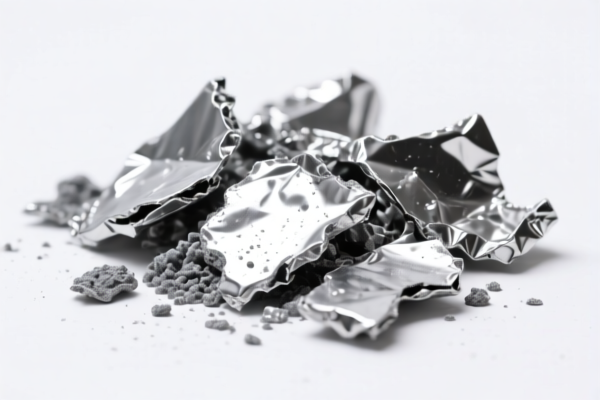
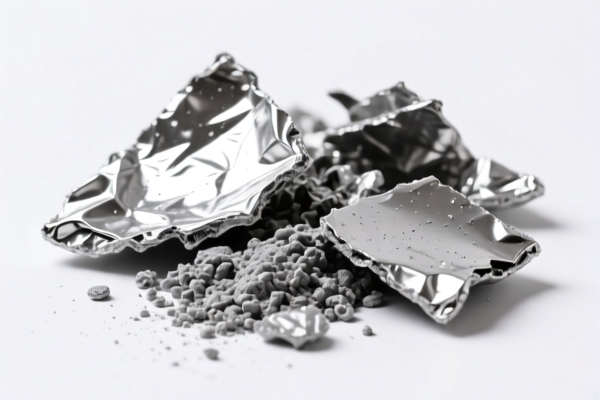
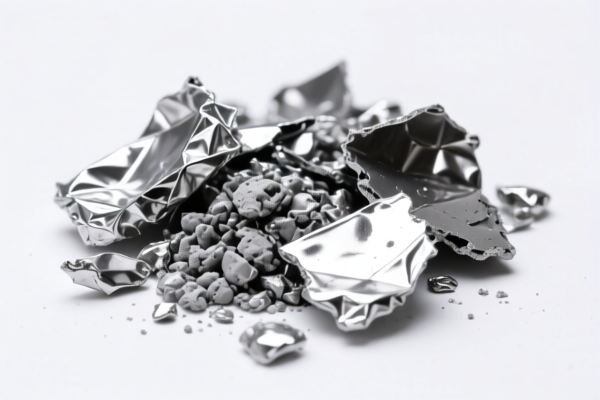
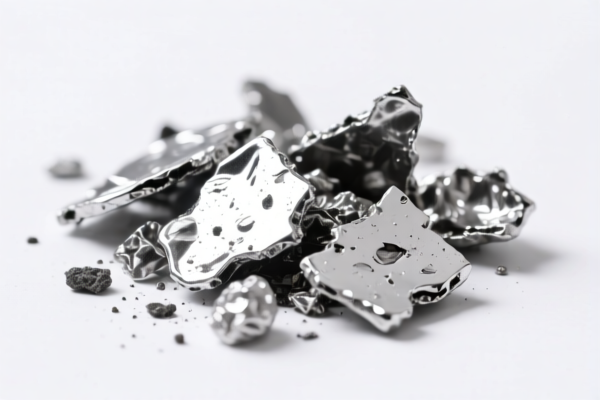
AI分析
🏭 Sewage Sludge from Wastewater Treatment Plants (Garden Sewage Sludge)
🌐 HS Code Reference & Customs Clearance Guide | 2026 Latest Tariff Analysis | Professional Clearance Strategy
📌 I. Product Definition & Classification: Do You Really Understand "Sewage Sludge"?
Sewage sludge, specifically from wastewater treatment plants (including garden/community scale systems), is the semi-solid byproduct generated during the purification of domestic or municipal wastewater. In international trade, its classification is highly contentious because it straddles the line between chemical/industrial waste, mineral/organic residue, and fertilizer.
Depending on the specific composition, treatment level, and intended destination, it can be classified into five distinct HS Codes with significantly different tariff implications.
⚠️ Key Classification Distinctions: - If viewed strictly as municipal/industrial waste → Group 38 (Miscellaneous Chemical Products) - If viewed as mineral/organic residue → Group 25 (Mineral Products) - If viewed as agricultural input → Group 31 (Fertilizers)
📦 II. HS Code Classification Details (2026 Latest Tariff Authority Cross-Reference)
| HS Code | Product Description | Application Scenario | Logic Basis |
|---|---|---|---|
3825.20.00.00 |
Sewage Sludge (Specifically "Sewer Sludge") | Municipal wastewater treatment residuals | Direct match: "Sewage sludge" is functionally and essentially identical to "Sewer sludge" in use and nature. |
3825.61.00.00 |
Waste from Chemical/Related Industries | General "Sludge" categorized under industrial waste | Broad category: "Sludge" falls under waste from chemical/related industries, including specific definitions for "sewage sludge." |
2530.90.80.50 |
Other Mineral/Substances (Unlisted) | Mineral/organic residues not otherwise specified | Material match: Sludge contains mineral/organic residues. Fits "Other" unlisted mineral/substance category after excluding specific minerals like earth colors. |
2530.90.80.15 |
Other Mineral Substances/Pigments | Fallback category for mineral/organic residues | Material match: Sludge is a mineral/organic residue. No obvious conflict with "Other mineral substances/pigments," fitting the fallback inference principle. |
3101.00.00.00 |
Animal/Plant Fertilizers | Treated organic waste used as fertilizer | Substance attribute: Treated organic waste fits the definition of fertilizers produced by mixing/processing animal/plant products. |
🔍 Critical Reminder: - Group 38 (3825.xx) treats sludge primarily as WASTE. This is the most common classification for untreated or partially treated sludge destined for disposal or incineration. - Group 25 (2530.xx) treats sludge as a MATERIAL/RESIDUE. This is used when the sludge is processed into a raw material or commodity. - Group 31 (3101.xx) treats sludge as a PRODUCT/FERTILIZER. This requires the sludge to be stabilized, dried, and certified for agricultural use.
💰 III. 2026 Latest Tariff Rate Details (Including Surcharges & Policy Add-ons)
✅ Applicable Country: United States (US) ✅ Country of Origin: China (CN) ✅ Effective Time: From November 10, 2025 (including subsequent imports)
🎯 1. 3825.20.00.00 —— Sewage Sludge (Sewer Sludge)
| Item | Content |
|---|---|
| Base Tariff | 0.0% (ad valorem) |
| USITC Surcharge | +7.5% (Specific surcharge for this category) |
| IEEPA Surcharge | +10% (China/US product specific, effective Nov 10, 2025) |
| Total Tax Rate | 17.5% |
| Tax Calculation | CIF Value × 17.5% |
| De Minimis Eligibility | ❌ Not Applicable (Specific trade policy applies) |
| Legal Basis Path | Base:0% → USITC:7.5% → IEEPA:10% |
📌 Explanation: - "USITC Surcharge 7.5%": This is a specific additional duty applied to "Sewer Sludge" under current US trade regulations. - "IEEPA 10%": The Section 301/IEEPA tariff on Chinese goods. - Total 17.5%: A moderate duty rate, reflecting the classification as specific chemical/industrial waste.
🎯 2. 3825.61.00.00 —— Waste from Chemical/Related Industries (Sludge)
| Item | Content |
|---|---|
| Base Tariff | 0.0% (ad valorem) |
| USITC Surcharge | +25.0% (High surcharge for industrial waste) |
| IEEPA Surcharge | +10.0% (China/US product specific, effective Nov 10, 2025) |
| Total Tax Rate | 35.0% |
| Tax Calculation | CIF Value × 35.0% |
| De Minimis Eligibility | ❌ Not Applicable |
| Legal Basis Path | Base:0% → USITC:25% → IEEPA:10% |
📌 Note: - "USITC Surcharge 25%": This is the standard high additional tariff for broader "chemical/related industrial waste" categories. - "IEEPA 10%": Standard Section 301/IEEPA tariff. - Total 35.0%: A high tariff rate. Misclassifying sludge into this broader waste category instead of the specific "Sewer Sludge" category (
3825.20.00.00) can double your cost.
🎯 3. 2530.90.80.50 —— Other Mineral/Substances (Unlisted)
| Item | Content |
|---|---|
| Base Tariff | 0.0% (ad valorem) |
| USITC Surcharge | +0.0% (No specific surcharge for this mineral fallback) |
| IEEPA Surcharge | +10.0% (China/US product specific, effective Nov 10, 2025) |
| Total Tax Rate | 10.0% |
| Tax Calculation | CIF Value × 10.0% |
| De Minimis Eligibility | ❌ Not Applicable |
| Legal Basis Path | Base:0% → IEEPA:10% |
📌 Explanation: - "USITC Surcharge 0%": This code is under Chapter 25 (Mineral Products), which generally does not attract the higher Section 301 surcharges unless specifically listed. - "IEEPA 10%": The general Section 301/IEEPA tariff applies. - Total 10.0%: The lowest potential rate among waste/residue classifications. However, this requires convincing customs that the sludge is a "mineral/organic residue" rather than "chemical waste."
🎯 4. 2530.90.80.15 —— Other Mineral Substances/Pigments (Fallback)
| Item | Content |
|---|---|
| Base Tariff | 0.0% (ad valorem) |
| USITC Surcharge | +0.0% (No specific surcharge for this mineral fallback) |
| IEEPA Surcharge | +10.0% (China/US product specific, effective Nov 10, 2025) |
| Total Tax Rate | 10.0% |
| Tax Calculation | CIF Value × 10.0% |
| De Minimis Eligibility | ❌ Not Applicable |
| Legal Basis Path | Base:0% → IEEPA:10% |
📌 Note: - Identical tariff structure to
2530.90.80.50. - Relies on the inference principle that sludge, as a mineral/organic residue, does not conflict with "Other mineral substances/pigments." - Total 10.0%: Offers a significant cost advantage over Chapter 38 classifications if the goods are processed/mineral-rich.
🎯 5. 3101.00.00.00 —— Animal/Plant Fertilizers
| Item | Content |
|---|---|
| Base Tariff | 0.0% (ad valorem) |
| USITC Surcharge | +25.0% (High surcharge for organic fertilizers) |
| IEEPA Surcharge | +10.0% (China/US product specific, effective Nov 10, 2025) |
| Total Tax Rate | 35.0% |
| Tax Calculation | CIF Value × 35.0% |
| De Minimis Eligibility | ❌ Not Applicable |
| Legal Basis Path | Base:0% → USITC:25% → IEEPA:10% |
📌 Important: - "USITC Surcharge 25%": Organic fertilizers from China face the same high additional tariff as industrial waste. - "IEEPA 10%": Standard Section 301/IEEPA tariff. - Total 35.0%: High tariff. Requires the sludge to be fully processed, stabilized, and certified as a fertilizer. Do not use this for raw sludge.
🛠️ IV. Customs Clearance Practical Advice (Combat Pitfall Guide)
✅ 1. Document Checklist (All required)
| Document | Required | Description |
|---|---|---|
| ✅ Product Specification Sheet | ✔️ | Details moisture content, mineral composition, organic matter %, heavy metals. |
| ✅ Treatment Process Description | ✔️ | Explains how sludge is processed (dried, composted, mineralized). Critical for choosing between Ch 38, 25, or 31. |
| ✅ Product Photos | ✔️ | Clear images of the sludge in packaging, showing label and state (dry powder, pellet, etc.). |
| ✅ Third-Party Test Report | ✔️ | Analysis of mineral content (for Ch 25) or nutrient content (for Ch 31). |
| ✅ Commercial Invoice | ✔️ | Must accurately describe the product (e.g., "Processed Organic Mineral Residue" vs. "Sewage Sludge"). |
| ✅ Certificate of Origin (CO) | ✔️ | Required for origin determination and applying IEEPA tariffs. |
| ✅ Packing List | ✔️ | Shows net/gross weight, packaging type. |
✅ 2. Declaration Tips (Key Mantra)
🔥 "Process Defines Code, Composition Defines Rate!"
| Scenario | Correct Declaration | Wrong Practice |
|---|---|---|
| Raw/Wet Sludge | 3825.20.00.00 (Sewer Sludge) |
Declare as "Fertilizer" → 35% + Inspection Risk |
| Treated/Dried Sludge (Waste) | 3825.61.00.00 (Industrial Waste) |
Declare as "Mineral" → 35% (High Rate) |
| Mineral-Rich Residue | 2530.90.80.50 or .15 |
Declare as "Sewage Sludge" → 17.5% |
| Certified Organic Fertilizer | 3101.00.00.00 |
Declare as "Waste" → 35% + EPA/USDA Permit |
✅ 3. Special Case Handling
| Scenario | Handling Advice |
|---|---|
| High Mineral Content | Provide test reports showing high inorganic/mineral content. Argue for Chapter 25 (2530.90.80.xx) to achieve 10% rate. |
| Stabilized Organic Waste | If not certified as fertilizer, it may still fall under Chapter 38 (3825). Avoid 3101 unless fully certified. |
| Mixed Composition | If sludge contains significant chemical byproducts, it leans towards Chapter 38. Pure biological sludge might lean towards Chapter 25 or 31. |
| Environmental Permits | Ensure all environmental import permits are secured. Sewage sludge is heavily regulated. |
🌍 V. Global Market Comparison (2026 Latest)
| Country/Region | Recommended HS Code | Tariff (CN Origin) | Certification | Remarks |
|---|---|---|---|---|
| 🇺🇸 USA | 3825.20.00.00 or 2530.90.80.xx |
10% - 35% | EPA/State Permits | High scrutiny. Chapter 25 offers best rate if mineral-rich. |
| 🇨🇳 China | 3825.20.00.00 |
0% - 5% | GB Standards | Low import tariff, but strict environmental controls on import. |
| 🇪🇺 EU | 3825.40.00 or 3825.69.00 |
0% - 6.5% | REACH | Strict waste export/import rules. |
| 🇦🇺 Australia | 3825.40.00 |
5% - 10% | Biosecurity | Strict biosecurity permits required. |
| 🇯🇵 Japan | 3825.40.00 |
0% - 6% | JIS | Strict quality standards for sludge reuse. |
📌 Conclusion: - USA is the most complex market due to high additional tariffs and varying rates based on precise classification. - Chapter 25 (
2530.90.80.xx) offers the lowest tariff (10%) in the US, but requires strong evidence of mineral/organic residue nature. - Chapter 38 is the safest but costlier (17.5% - 35%) for standard sewage sludge.
📌 VI. Common Errors & Pitfalls (Lessons Learned)
❌ Error 1: Declaring "Raw Sewage Sludge" as "Fertilizer" (3101.00.00.00)
👉 Consequence: 35% tariff + EPA/USDA regulatory violation + Potential seizure.
❌ Error 2: Declaring "Treated Sludge" as "Mineral Residue" (2530.90.80.xx) without proof
👉 Consequence: Customs reclassifies to 3825 → Tax increase from 10% to 17.5% or 35% + Delay.
❌ Error 3: Using "Sewage Sludge" in all documents for a product that is "Processed Organic Mineral Residue" 👉 Consequence: Inconsistent description leads to customs inspection and potential misclassification penalties.
❌ Error 4: Ignoring the 122 Clause IEEPA Tariff (10%) 👉 Consequence: Underestimating total tax burden by 10% on all categories.
✅ Correct Practice:
"Processed Dried Sludge, High Mineral Content, For Industrial Use, Model XYZ, EPA Permitted"
🎯 VII. Conclusion: Professional Declaration, Save Time & Money
🎯 Remember the Mantra:
🔹 "Mineral Residue = 10%, Sewer Sludge = 17.5%, Industrial Waste = 35%"
🔹 "Test Reports Decide HS Code, Tax Rate Varies by 25%, Declaration Error Costs Thousands!"
📌 Tips:
- If your sludge is mineral-rich, provide detailed chemical analysis to support Chapter 25 classification for 10% tariff.
- If it is standard municipal sludge, use
3825.20.00.00for 17.5% to be safe.- Pre-apply for Advance Ruling if uncertain, to avoid clearance risks.
📣 Immediate Action:
📞 Contact Professional Customs Broker + Provide Product Test Report + Apply for HS Code Advance Ruling
🚀 Ensure Your Sludge Products Clear Customs Smoothly, Efficiently, and Profitably!
✨ Professional Clearance Starts with Accurate Classification!
💼 Every Cent of Cost Deserves Precise Calculation!
用户评价
关于 HS 编码归类
协调制度(HS)是由世界海关组织(WCO)制定的国际贸易商品分类标准。全球 200 多个国家采用 HS 系统作为海关关税、贸易统计和进出口监管的基础。
每个 HS 编码遵循以下层级结构:
- 章(2 位)——商品大类(例如:第 84 章:机器和机械设备)
- 品目(4 位)——章内的更具体分类
- 子目(6 位)——国际通用细分,所有 WCO 成员国统一使用
- 本国细分(8-10 位)——各国自行扩展的细分编码,如美国 HTSUS 10 位编码
正确的 HS 编码归类对于顺利通关、准确缴纳关税和遵守贸易法规至关重要。错误归类可能导致海关延误、多缴关税或罚款。
从CN进口到US时,适用的关税税率可能包括:
- 最惠国(MFN)税率——适用于 WTO 成员国的标准关税税率
- 普通税率——适用于无贸易协定国家
- 贸易救济关税——附加关税,如 301 条款(反倾销)、232 条款(国家安全)或反补贴税
本页内容仅供参考。如需正式归类,请咨询当地海关或持牌报关代理。