General Rubber Gloves
CN → US| HS编码 | 关税税率 | 原产国 | 目的国 | 文档 |
|---|---|---|---|---|
| 3926204050 | 16.5% | CN | US | 官方文档 |
| 4015191150 | 38.0% | CN | US | 官方文档 |
| 4015195100 | 49.0% | CN | US | 官方文档 |
| 6116106500 | 24.5% | CN | US | 官方文档 |
| 6116109500 | 24.5% | CN | US | 官方文档 |
商品图片


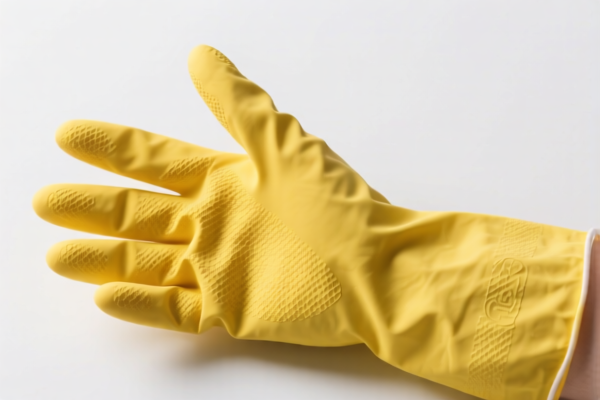

AI分析
🧤 General Rubber Gloves (Agricultural & Industrial)
🌐 HS Code Reference & Customs Clearance Guide | 2026 Latest Tariff Breakdown | Professional Clearance Strategy
📌 I. Product Definition & Classification: Do You Really Understand "Rubber Gloves"?
General rubber gloves, often used in agriculture, healthcare, or industrial cleaning, are not a single unified category in international trade. Their classification depends heavily on material composition, manufacturing method, and intended use.
Key Distinction Logic:
- Raw Rubber/Sulfur-Vulcanized Gloves: If the gloves are made from pure sulfur-vulcanized rubber and resemble clothing or accessories, they fall under Chapter 40.
- Coated/Knitted Gloves: If the gloves consist of a knitted fabric base dipped or coated in rubber or plastic, they fall under Chapter 61.
- Other Rubber Articles: If the classification logic is ambiguous or doesn't fit the above, they may fall under general rubber articles in Chapter 39.
⚠️ Critical Classification Point:
- Structure: Is it a molded rubber glove (Ch 40) or a knitted fabric dipped in rubber (Ch 61)?
- Usage: Agricultural use often triggers specific sub-heading scrutiny.
- Material: "Rubber" can mean natural latex, synthetic rubber, or plastic-coated.
📦 II. HS Code Classification Details (2026 Latest Tariff Authority Comparison)
Based on the provided data, here are the five possible HS Codes for "General Rubber Gloves" and their corresponding tax implications.
| HS Code | Product Description | Classification Logic | Tax Rate (Total) |
|---|---|---|---|
3926.20.40.50 |
Rubber Agricultural Gloves | Purpose-driven: Classified by agricultural use. Although made of rubber, the logic aligns with plastic products due to usage context. | 16.5% |
4015.19.11.50 |
Sulfur-Vulcanized Rubber Gloves | Material & Form: Made of sulfur-vulcanized rubber, shaped as gloves. Fits "Clothing & Accessories of Vulcanized Rubber." | 38.0% |
4015.19.51.00 |
Other Sulfur-Vulcanized Rubber Gloves | Material & Form: Similar to above, but different sub-category under vulcanized rubber clothing. | 49.0% |
6116.10.65.00 |
Rubber-Coated/Knitted Gloves | Form & Coating: Knitted fabric base dipped/coated in rubber. Fits "Gloves, Impregnated/Coated with Rubber." | 24.5% |
6116.10.95.00 |
Other Rubber-Coated Gloves | Form & Coating: Similar to above, but different sub-category for "Other" coated gloves. | 24.5% |
🔍 Key Reminder:
- Chapter 40 (4015) applies to pure rubber/molded gloves (like surgical or heavy-duty industrial gloves).
- Chapter 61 (6116) applies to knitted/crocheted gloves dipped in rubber/plastic (common in agriculture/food processing).
- Chapter 39 (3926) is a rare alternative, applied here due to agricultural use logic overriding material.
💰 III. 2026 Tariff Rate Breakdown (Including Additional Taxes & Policy Add-ons)
✅ Applicable Country: United States (US)
✅ Origin: China (CN)
✅ Effective Date: From November 10, 2025 (and subsequent imports)
🎯 1. 3926.20.40.50 – Rubber Agricultural Gloves (Purpose-Based)
| Item | Detail |
|---|---|
| Basic Tariff | 6.5% |
| Additional Tariff (301) | 0.0% |
| Section 122 Tariff | 10.0% |
| Total Tariff | 16.5% |
| Tax Calculation | CIF Value × 16.5% |
| De Minimis Exemption | ❌ Not Eligible (High tariff rate usually denies de minimis benefits for large volumes) |
| Legal Basis Path | 3926.20.40.50 → Section 122 (10%) + Basic (6.5%) |
📌 Explanation:
- This classification is unique because it prioritizes agricultural use over material.
- The 0% additional 301 tariff is notable, but the 10% Section 122 adds a significant layer.
- Total 16.5% is the lowest among the options, making it the most cost-effective if the product qualifies as "agricultural."
🎯 2. 4015.19.11.50 – Sulfur-Vulcanized Rubber Gloves (Material-Based)
| Item | Detail |
|---|---|
| Basic Tariff | 3.0% |
| Additional Tariff (301) | 25.0% |
| Section 122 Tariff | 10.0% |
| Total Tariff | 38.0% |
| Tax Calculation | CIF Value × 38.0% |
| De Minimis Exemption | ❌ Not Eligible |
| Legal Basis Path | IEEPA:9903.01.24 → USITC:4015.19.11.50 → FOOTNOTE:301 + Section 122:10% |
📌 Explanation:
- Basic rate is low (3%), but the 25% Section 301 tariff is standard for Chinese rubber goods.
- Plus 10% Section 122 for agricultural/industrial context.
- Total 38% is a moderate burden. Common for surgical or industrial molded rubber gloves.
🎯 3. 4015.19.51.00 – Other Sulfur-Vulcanized Rubber Gloves
| Item | Detail |
|---|---|
| Basic Tariff | 14.0% |
| Additional Tariff (301) | 25.0% |
| Section 122 Tariff | 10.0% |
| Total Tariff | 49.0% |
| Tax Calculation | CIF Value × 49.0% |
| De Minimis Exemption | ❌ Not Eligible |
| Legal Basis Path | IEEPA:9903.01.24 → USITC:4015.19.51.00 → FOOTNOTE:301 + Section 122:10% |
📌 Explanation:
- This is the highest tax rate (49%).
- The 14% basic tariff is already high, plus 25% + 10%.
- Likely applies to specialty rubber gloves not covered by other sub-headings. Avoid this code if possible.
🎯 4. 6116.10.65.00 – Rubber-Coated Knitted Gloves
| Item | Detail |
|---|---|
| Basic Tariff | 7.0% |
| Additional Tariff (301) | 7.5% |
| Section 122 Tariff | 10.0% |
| Total Tariff | 24.5% |
| Tax Calculation | CIF Value × 24.5% |
| De Minimis Exemption | ❌ Not Eligible |
| Legal Basis Path | USITC:6116.10.65.00 → Section 301 (7.5%) + Section 122 (10%) |
📌 Explanation:
- Knitted fabric base changes the classification to Chapter 61.
- Section 301 tariff is lower (7.5%) compared to Chapter 40 (25%).
- Total 24.5% is mid-range. Ideal for agricultural gardening gloves with a rubber dip.
🎯 5. 6116.10.95.00 – Other Rubber-Coated Gloves
| Item | Detail |
|---|---|
| Basic Tariff | 7.0% |
| Additional Tariff (301) | 7.5% |
| Section 122 Tariff | 10.0% |
| Total Tariff | 24.5% |
| Tax Calculation | CIF Value × 24.5% |
| De Minimis Exemption | ❌ Not Eligible |
| Legal Basis Path | USITC:6116.10.95.00 → Section 301 (7.5%) + Section 122 (10%) |
📌 Explanation:
- Same tax rate as above, but a different sub-category for "other" coated gloves.
- Useful if the glove design doesn't fit the specific "65" sub-heading.
🛠️ IV. Customs Clearance Practical Advice (Pitfall Avoidance Guide)
✅ 1. Documentation Checklist (Essential)
| Document | Required | Notes |
|---|---|---|
| ✅ Product Specification Sheet | ✔️ | Must include material (latex/nitrile/polymer), coating method, and intended use (e.g., "Agricultural"). |
| ✅ Composition Details | ✔️ | % of rubber vs. fabric base. Critical for Ch 40 vs. Ch 61. |
| ✅ Product Photos | ✔️ | Show texture, stitching, and coating. |
| ✅ Commercial Invoice | ✔️ | Describe as "Agricultural Rubber Gloves" or "Knitted Gloves with Rubber Coating." |
| ✅ Packing List | ✔️ | Clear quantity and weight. |
| ✅ Origin Certificate | ✔️ | If not from China, may reduce Section 301/122 tariffs. |
✅ 2. Declaration Tips (Key Mnemonics)
🔥 "Use Defines Chapter 39, Fabric Defines Chapter 61, Pure Rubber Defines Chapter 40!"
| Scenario | Correct HS Code | Incorrect Code | Result |
|---|---|---|---|
| Gloves for farming, rubber molded | 3926.20.40.50 (16.5%) |
4015.19.11.50 (38%) |
Save 21.5% |
| Knitted gloves dipped in rubber | 6116.10.65.00 (24.5%) |
4015.19.11.50 (38%) |
Save 13.5% |
| Pure surgical rubber gloves | 4015.19.11.50 (38%) |
6116.10.65.00 (24.5%) |
Higher tax (but correct) |
| Specialty rubber gloves | 4015.19.51.00 (49%) |
Any other | Highest tax |
📌 Critical:
- Agricultural Use: If you can prove the gloves are primarily for agricultural use, try to justify3926.20.40.50. This is the lowest tax option (16.5%).
- Knitted vs. Molded: If the glove is knitted with a rubber dip, DO NOT classify under Chapter 40. Use Chapter 61.
✅ 3. Special Cases
| Case | Handling Advice |
|---|---|
| OEM Gloves | Provide manufacturer declaration confirming material and use. |
| Mixed Materials | If >50% rubber by weight, Chapter 40 may apply. If fabric base dominates, Chapter 61. |
| Labeling | Ensure labels say "Agricultural Gloves" if claiming 3926.20.40.50. |
| Certifications | FDA/CE certificates help if medical/food use is claimed, but may change classification to Chapter 30 or 40. |
🌍 V. Global Market Comparison (2026)
| Country | Recommended HS Code | Tariff (China Origin) | Notes |
|---|---|---|---|
| 🇺🇸 USA | 3926.20.40.50 |
16.5% | Best for agricultural use. |
| 🇺🇸 USA | 6116.10.65.00 |
24.5% | Best for knitted/dipped gloves. |
| 🇪🇺 EU | 4015.19.00 |
~0-6.5% | No Section 301/122. Lower rates. |
| 🇨🇳 China | 4015.19.00 |
~5-10% | Import tax varies. |
📌 Conclusion:
- USA has high tariffs due to Section 301 and 122.
- Chapter 39 (16.5%) is the sweet spot if agricultural use can be proven.
- Chapter 61 (24.5%) is the standard for knitted/rubber gloves.
- Chapter 40 (38-49%) is for pure rubber gloves.
📌 VI. Common Mistakes & Pitfalls
❌ Mistake 1: Declaring rubber-coated gloves as "Plastic Gloves"
👉 Result: Misclassification, potential penalties. Use 6116.10.xxxx.
❌ Mistake 2: Not proving agricultural use for 3926.20.40.50
👉 Result: Customs reclassifies to 4015.19.11.50 (38%), leading to back taxes.
❌ Mistake 3: Confusing Knitted vs. Molded
👉 Result: Knitted gloves in Ch 40 → 25% extra 301 tariff.
❌ Mistake 4: Ignoring Section 122
👉 Result: 10% hidden tax on many rubber/glove imports from China.
✅ Correct Declaration:
"Agricultural Rubber Gloves, Molded, 100% Synthetic Rubber, for Farming Use, Model ABC"
🎯 VII. Conclusion: Professional Declaration Saves Money
🎯 Key Takeaways:
🔹 "Agricultural Use = 16.5% (Best)"
🔹 "Knitted & Coated = 24.5%"
🔹 "Pure Rubber = 38-49% (Avoid if possible)"📌 Action Plan:
1. Determine Material: Knitted base? → Chapter 61. Molded? → Chapter 40 or 39.
2. Prove Use: If agricultural, push for3926.20.40.50.
3. Calculate Cost: Use 16.5% or 24.5% as baseline.
4. Pre-Ruling: Apply for Advance Ruling if volume is high.
📣 Immediate Action:
📞 Contact a customs broker to confirm classification.
📄 Prepare product specs highlighting agricultural use or knitted base.
💰 Optimize for 16.5% or 24.5%, avoid 38-49%.
✨ Smart Classification, Lower Taxes!
💼 Every percentage point saved is profit gained!
用户评价
关于 HS 编码归类
协调制度(HS)是由世界海关组织(WCO)制定的国际贸易商品分类标准。全球 200 多个国家采用 HS 系统作为海关关税、贸易统计和进出口监管的基础。
每个 HS 编码遵循以下层级结构:
- 章(2 位)——商品大类(例如:第 84 章:机器和机械设备)
- 品目(4 位)——章内的更具体分类
- 子目(6 位)——国际通用细分,所有 WCO 成员国统一使用
- 本国细分(8-10 位)——各国自行扩展的细分编码,如美国 HTSUS 10 位编码
正确的 HS 编码归类对于顺利通关、准确缴纳关税和遵守贸易法规至关重要。错误归类可能导致海关延误、多缴关税或罚款。
从CN进口到US时,适用的关税税率可能包括:
- 最惠国(MFN)税率——适用于 WTO 成员国的标准关税税率
- 普通税率——适用于无贸易协定国家
- 贸易救济关税——附加关税,如 301 条款(反倾销)、232 条款(国家安全)或反补贴税
本页内容仅供参考。如需正式归类,请咨询当地海关或持牌报关代理。