General Rubber Gloves
CN → US| HS Code | Tariff Rate | Origin | Destination | Doc |
|---|---|---|---|---|
| 3926204050 | 16.5% | CN | US | Official Doc |
| 4015191150 | 38.0% | CN | US | Official Doc |
| 4015195100 | 49.0% | CN | US | Official Doc |
| 6116106500 | 24.5% | CN | US | Official Doc |
| 6116109500 | 24.5% | CN | US | Official Doc |
Product Images


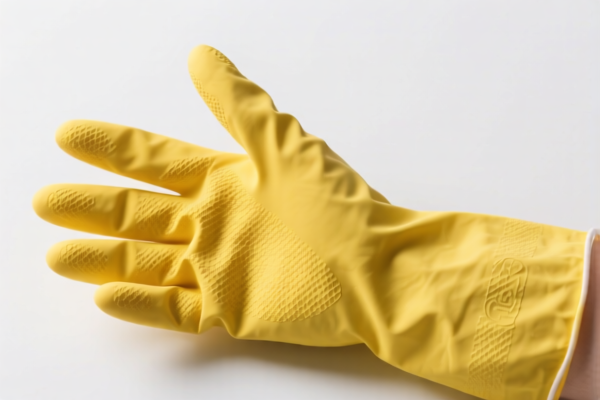

AI Analysis
🧤 General Rubber Gloves (Agricultural & Industrial)
🌐 HS Code Reference & Customs Clearance Guide | 2026 Latest Tariff Breakdown | Professional Clearance Strategy
📌 I. Product Definition & Classification: Do You Really Understand "Rubber Gloves"?
General rubber gloves, often used in agriculture, healthcare, or industrial cleaning, are not a single unified category in international trade. Their classification depends heavily on material composition, manufacturing method, and intended use.
Key Distinction Logic:
- Raw Rubber/Sulfur-Vulcanized Gloves: If the gloves are made from pure sulfur-vulcanized rubber and resemble clothing or accessories, they fall under Chapter 40.
- Coated/Knitted Gloves: If the gloves consist of a knitted fabric base dipped or coated in rubber or plastic, they fall under Chapter 61.
- Other Rubber Articles: If the classification logic is ambiguous or doesn't fit the above, they may fall under general rubber articles in Chapter 39.
⚠️ Critical Classification Point:
- Structure: Is it a molded rubber glove (Ch 40) or a knitted fabric dipped in rubber (Ch 61)?
- Usage: Agricultural use often triggers specific sub-heading scrutiny.
- Material: "Rubber" can mean natural latex, synthetic rubber, or plastic-coated.
📦 II. HS Code Classification Details (2026 Latest Tariff Authority Comparison)
Based on the provided data, here are the five possible HS Codes for "General Rubber Gloves" and their corresponding tax implications.
| HS Code | Product Description | Classification Logic | Tax Rate (Total) |
|---|---|---|---|
3926.20.40.50 |
Rubber Agricultural Gloves | Purpose-driven: Classified by agricultural use. Although made of rubber, the logic aligns with plastic products due to usage context. | 16.5% |
4015.19.11.50 |
Sulfur-Vulcanized Rubber Gloves | Material & Form: Made of sulfur-vulcanized rubber, shaped as gloves. Fits "Clothing & Accessories of Vulcanized Rubber." | 38.0% |
4015.19.51.00 |
Other Sulfur-Vulcanized Rubber Gloves | Material & Form: Similar to above, but different sub-category under vulcanized rubber clothing. | 49.0% |
6116.10.65.00 |
Rubber-Coated/Knitted Gloves | Form & Coating: Knitted fabric base dipped/coated in rubber. Fits "Gloves, Impregnated/Coated with Rubber." | 24.5% |
6116.10.95.00 |
Other Rubber-Coated Gloves | Form & Coating: Similar to above, but different sub-category for "Other" coated gloves. | 24.5% |
🔍 Key Reminder:
- Chapter 40 (4015) applies to pure rubber/molded gloves (like surgical or heavy-duty industrial gloves).
- Chapter 61 (6116) applies to knitted/crocheted gloves dipped in rubber/plastic (common in agriculture/food processing).
- Chapter 39 (3926) is a rare alternative, applied here due to agricultural use logic overriding material.
💰 III. 2026 Tariff Rate Breakdown (Including Additional Taxes & Policy Add-ons)
✅ Applicable Country: United States (US)
✅ Origin: China (CN)
✅ Effective Date: From November 10, 2025 (and subsequent imports)
🎯 1. 3926.20.40.50 – Rubber Agricultural Gloves (Purpose-Based)
| Item | Detail |
|---|---|
| Basic Tariff | 6.5% |
| Additional Tariff (301) | 0.0% |
| Section 122 Tariff | 10.0% |
| Total Tariff | 16.5% |
| Tax Calculation | CIF Value × 16.5% |
| De Minimis Exemption | ❌ Not Eligible (High tariff rate usually denies de minimis benefits for large volumes) |
| Legal Basis Path | 3926.20.40.50 → Section 122 (10%) + Basic (6.5%) |
📌 Explanation:
- This classification is unique because it prioritizes agricultural use over material.
- The 0% additional 301 tariff is notable, but the 10% Section 122 adds a significant layer.
- Total 16.5% is the lowest among the options, making it the most cost-effective if the product qualifies as "agricultural."
🎯 2. 4015.19.11.50 – Sulfur-Vulcanized Rubber Gloves (Material-Based)
| Item | Detail |
|---|---|
| Basic Tariff | 3.0% |
| Additional Tariff (301) | 25.0% |
| Section 122 Tariff | 10.0% |
| Total Tariff | 38.0% |
| Tax Calculation | CIF Value × 38.0% |
| De Minimis Exemption | ❌ Not Eligible |
| Legal Basis Path | IEEPA:9903.01.24 → USITC:4015.19.11.50 → FOOTNOTE:301 + Section 122:10% |
📌 Explanation:
- Basic rate is low (3%), but the 25% Section 301 tariff is standard for Chinese rubber goods.
- Plus 10% Section 122 for agricultural/industrial context.
- Total 38% is a moderate burden. Common for surgical or industrial molded rubber gloves.
🎯 3. 4015.19.51.00 – Other Sulfur-Vulcanized Rubber Gloves
| Item | Detail |
|---|---|
| Basic Tariff | 14.0% |
| Additional Tariff (301) | 25.0% |
| Section 122 Tariff | 10.0% |
| Total Tariff | 49.0% |
| Tax Calculation | CIF Value × 49.0% |
| De Minimis Exemption | ❌ Not Eligible |
| Legal Basis Path | IEEPA:9903.01.24 → USITC:4015.19.51.00 → FOOTNOTE:301 + Section 122:10% |
📌 Explanation:
- This is the highest tax rate (49%).
- The 14% basic tariff is already high, plus 25% + 10%.
- Likely applies to specialty rubber gloves not covered by other sub-headings. Avoid this code if possible.
🎯 4. 6116.10.65.00 – Rubber-Coated Knitted Gloves
| Item | Detail |
|---|---|
| Basic Tariff | 7.0% |
| Additional Tariff (301) | 7.5% |
| Section 122 Tariff | 10.0% |
| Total Tariff | 24.5% |
| Tax Calculation | CIF Value × 24.5% |
| De Minimis Exemption | ❌ Not Eligible |
| Legal Basis Path | USITC:6116.10.65.00 → Section 301 (7.5%) + Section 122 (10%) |
📌 Explanation:
- Knitted fabric base changes the classification to Chapter 61.
- Section 301 tariff is lower (7.5%) compared to Chapter 40 (25%).
- Total 24.5% is mid-range. Ideal for agricultural gardening gloves with a rubber dip.
🎯 5. 6116.10.95.00 – Other Rubber-Coated Gloves
| Item | Detail |
|---|---|
| Basic Tariff | 7.0% |
| Additional Tariff (301) | 7.5% |
| Section 122 Tariff | 10.0% |
| Total Tariff | 24.5% |
| Tax Calculation | CIF Value × 24.5% |
| De Minimis Exemption | ❌ Not Eligible |
| Legal Basis Path | USITC:6116.10.95.00 → Section 301 (7.5%) + Section 122 (10%) |
📌 Explanation:
- Same tax rate as above, but a different sub-category for "other" coated gloves.
- Useful if the glove design doesn't fit the specific "65" sub-heading.
🛠️ IV. Customs Clearance Practical Advice (Pitfall Avoidance Guide)
✅ 1. Documentation Checklist (Essential)
| Document | Required | Notes |
|---|---|---|
| ✅ Product Specification Sheet | ✔️ | Must include material (latex/nitrile/polymer), coating method, and intended use (e.g., "Agricultural"). |
| ✅ Composition Details | ✔️ | % of rubber vs. fabric base. Critical for Ch 40 vs. Ch 61. |
| ✅ Product Photos | ✔️ | Show texture, stitching, and coating. |
| ✅ Commercial Invoice | ✔️ | Describe as "Agricultural Rubber Gloves" or "Knitted Gloves with Rubber Coating." |
| ✅ Packing List | ✔️ | Clear quantity and weight. |
| ✅ Origin Certificate | ✔️ | If not from China, may reduce Section 301/122 tariffs. |
✅ 2. Declaration Tips (Key Mnemonics)
🔥 "Use Defines Chapter 39, Fabric Defines Chapter 61, Pure Rubber Defines Chapter 40!"
| Scenario | Correct HS Code | Incorrect Code | Result |
|---|---|---|---|
| Gloves for farming, rubber molded | 3926.20.40.50 (16.5%) |
4015.19.11.50 (38%) |
Save 21.5% |
| Knitted gloves dipped in rubber | 6116.10.65.00 (24.5%) |
4015.19.11.50 (38%) |
Save 13.5% |
| Pure surgical rubber gloves | 4015.19.11.50 (38%) |
6116.10.65.00 (24.5%) |
Higher tax (but correct) |
| Specialty rubber gloves | 4015.19.51.00 (49%) |
Any other | Highest tax |
📌 Critical:
- Agricultural Use: If you can prove the gloves are primarily for agricultural use, try to justify3926.20.40.50. This is the lowest tax option (16.5%).
- Knitted vs. Molded: If the glove is knitted with a rubber dip, DO NOT classify under Chapter 40. Use Chapter 61.
✅ 3. Special Cases
| Case | Handling Advice |
|---|---|
| OEM Gloves | Provide manufacturer declaration confirming material and use. |
| Mixed Materials | If >50% rubber by weight, Chapter 40 may apply. If fabric base dominates, Chapter 61. |
| Labeling | Ensure labels say "Agricultural Gloves" if claiming 3926.20.40.50. |
| Certifications | FDA/CE certificates help if medical/food use is claimed, but may change classification to Chapter 30 or 40. |
🌍 V. Global Market Comparison (2026)
| Country | Recommended HS Code | Tariff (China Origin) | Notes |
|---|---|---|---|
| 🇺🇸 USA | 3926.20.40.50 |
16.5% | Best for agricultural use. |
| 🇺🇸 USA | 6116.10.65.00 |
24.5% | Best for knitted/dipped gloves. |
| 🇪🇺 EU | 4015.19.00 |
~0-6.5% | No Section 301/122. Lower rates. |
| 🇨🇳 China | 4015.19.00 |
~5-10% | Import tax varies. |
📌 Conclusion:
- USA has high tariffs due to Section 301 and 122.
- Chapter 39 (16.5%) is the sweet spot if agricultural use can be proven.
- Chapter 61 (24.5%) is the standard for knitted/rubber gloves.
- Chapter 40 (38-49%) is for pure rubber gloves.
📌 VI. Common Mistakes & Pitfalls
❌ Mistake 1: Declaring rubber-coated gloves as "Plastic Gloves"
👉 Result: Misclassification, potential penalties. Use 6116.10.xxxx.
❌ Mistake 2: Not proving agricultural use for 3926.20.40.50
👉 Result: Customs reclassifies to 4015.19.11.50 (38%), leading to back taxes.
❌ Mistake 3: Confusing Knitted vs. Molded
👉 Result: Knitted gloves in Ch 40 → 25% extra 301 tariff.
❌ Mistake 4: Ignoring Section 122
👉 Result: 10% hidden tax on many rubber/glove imports from China.
✅ Correct Declaration:
"Agricultural Rubber Gloves, Molded, 100% Synthetic Rubber, for Farming Use, Model ABC"
🎯 VII. Conclusion: Professional Declaration Saves Money
🎯 Key Takeaways:
🔹 "Agricultural Use = 16.5% (Best)"
🔹 "Knitted & Coated = 24.5%"
🔹 "Pure Rubber = 38-49% (Avoid if possible)"📌 Action Plan:
1. Determine Material: Knitted base? → Chapter 61. Molded? → Chapter 40 or 39.
2. Prove Use: If agricultural, push for3926.20.40.50.
3. Calculate Cost: Use 16.5% or 24.5% as baseline.
4. Pre-Ruling: Apply for Advance Ruling if volume is high.
📣 Immediate Action:
📞 Contact a customs broker to confirm classification.
📄 Prepare product specs highlighting agricultural use or knitted base.
💰 Optimize for 16.5% or 24.5%, avoid 38-49%.
✨ Smart Classification, Lower Taxes!
💼 Every percentage point saved is profit gained!
Customer Reviews
About HS Code Classification
The Harmonized System (HS) is an internationally standardized nomenclature developed by the World Customs Organization (WCO) to classify traded products. Over 200 countries use the HS system as the basis for customs tariffs, trade statistics, and import/export regulations.
Each HS code follows a hierarchical structure:
- Chapter (2 digits) — Broad category of goods (e.g., Chapter 84: Machinery and Mechanical Appliances)
- Heading (4 digits) — More specific grouping within the chapter
- Subheading (6 digits) — Internationally standardized breakdown, used by all WCO member countries
- National subdivisions (8-10 digits) — Country-specific extensions for further classification, such as US HTSUS 10-digit codes
Correct HS code classification is essential for smooth customs clearance, accurate duty payment, and compliance with trade regulations. Misclassification can lead to customs delays, overpayment of duties, or penalties.
When importing from CN to US, the applicable tariff rates may include:
- Most-Favored-Nation (MFN) rate — The standard duty rate applied to WTO members
- General rate — Applied to countries without trade agreements
- Trade remedy duties — Additional tariffs such as Section 301 (anti-dumping), Section 232 (national security), or countervailing duties
The information provided on this page is for reference purposes only. For official classification, please consult with your local customs authority or a licensed customs broker.