Glass
CN → US| HS编码 | 关税税率 | 原产国 | 目的国 | 文档 |
|---|---|---|---|---|
| 7013371001 | 46.0% | CN | US | 官方文档 |
| 7013372090 | 40.0% | CN | US | 官方文档 |
| 7010905039 | 35.0% | CN | US | 官方文档 |
| 7010905029 | 35.0% | CN | US | 官方文档 |
| 7013496090 | 24.7% | CN | US | 官方文档 |
商品图片
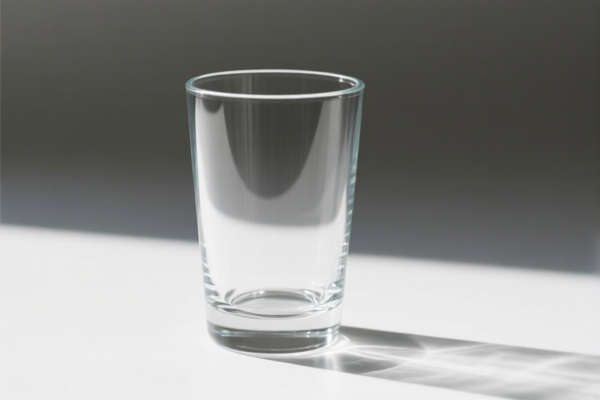
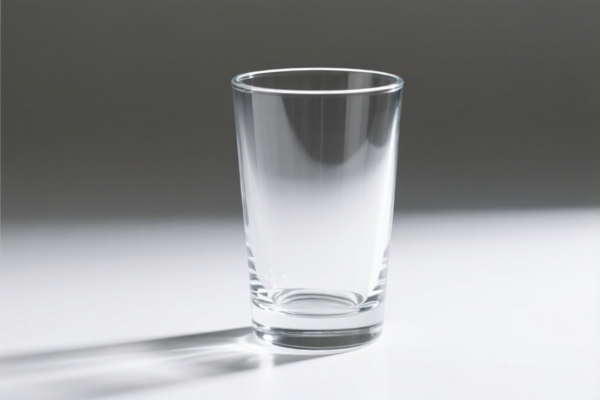
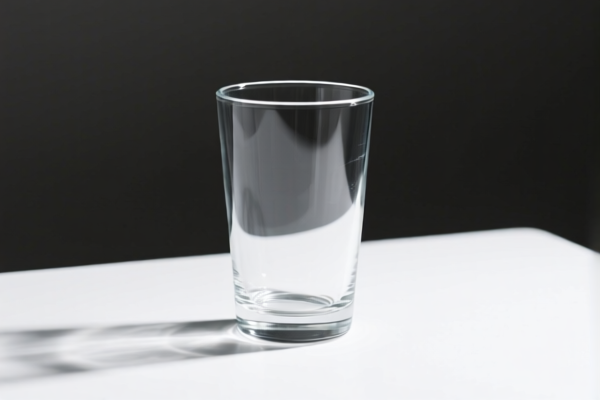
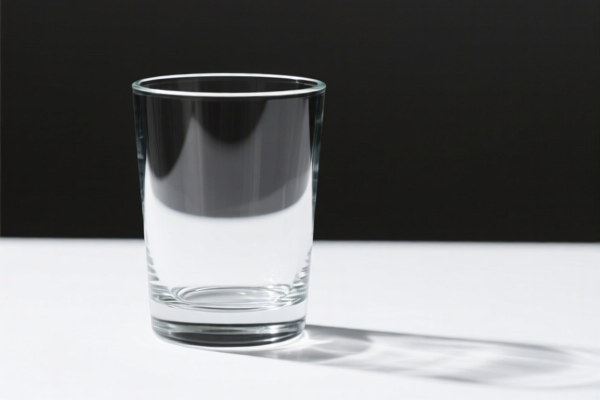
AI分析
🥛 Glass Drinkware & Containers: The Ultimate HS Code & Duty Breakdown (US Market)
🌐 HS Code Reference & Customs Clearance Guide | 2024 Latest Tariff Analysis | Professional Level Clearance Strategy
📌 One, Product Definition and Classification: Do You Really Understand "Glass"?
In international trade, "Glass" is not a single entity. It is strictly divided by Function, Shape, and Usage. Misclassification leads to disastrous duty rates. The data provided focuses on two main categories:
- Drinkware (Glass Drinkware): Items primarily designed for drinking liquids (cups, glasses).
- Containers (Glass Containers): Items designed for storing, preserving, or packaging goods (jars, bottles, flasks).
⚠️ Key Distinction Point:
- If the item is shaped like a cup, tumbler, or chalice for direct consumption → Go to Heading 7013.
- If the item is shaped like a bottle, jar, or flask for storage → Go to Heading 7010.
📦 II. HS Code Classification Details (2024 Latest Tariff Authority Comparison)
Based on the provided data, here are the precise classifications, tax rates, and breakdowns.
| HS Code | Product Description | Applicable Scenario | Total Tax Rate | Tax Breakdown Detail |
|---|---|---|---|---|
| 7013.37.10.01 | Glass Drinkware (Cups) | Drinking cups, tumblers, made of glass | 46.0% | Base: 28.5% + Section 301: 7.5% + Section 122: 10% |
| 7013.37.20.90 | Glass Drinkware (Cups) | Drinking glasses, made of glass | 40.0% | Base: 22.5% + Section 301: 7.5% + Section 122: 10% |
| 7010.90.50.39 | Glass Containers | Storage jars, bottles, flasks, shape/usage match | 35.0% | Base: 0.0% + Section 301: 25.0% + Section 122: 10% |
| 7010.90.50.29 | Glass Containers | Storage jars, bottles, flasks, usage fits container class | 35.0% | Base: 0.0% + Section 301: 25.0% + Section 122: 10% |
| 7013.49.60.90 | Glass Bowls | Tableware/Kitchen bowls, made of glass | 24.7% | Base: 7.2% + Section 301: 7.5% + Section 122: 10% |
🔍 Critical Reminder:
- 7013 Codes (Drinkware/Tableware): Higher base tariffs (22.5%-28.5%) due to consumer goods nature.
- 7010 Codes (Containers): Zero base tariff (0.0%) but subject to a heavier Section 301 surcharge (25.0%) because they are often classified as industrial/packaging materials under specific US trade remedies.
- Section 122 (10%): A uniform additional duty applied to all these categories from the specified origin.
💰 III. 2024 Latest Tariff Rate Detail (Including Surcharges & Policy Add-ons)
✅ Applicable Country: United States (US)
✅ Origin: China (CN) (Implied by the specific Section 301/122 structure)
✅ Effective Time: Current Trade Policy (Post-2024 Updates)
🎯 1. 7013.37.10.01 —— Glass Drinkware (Cups) - The Highest Tax Bracket
| Item | Content |
|---|---|
| Base Tariff | 28.5% (Ad Valorem) |
| Section 301 Tariff | +7.5% (Specific to Heading 7013.37 under current lists) |
| Section 122 Tariff | +10.0% (Additional duty on certain goods) |
| Total Effective Rate | 46.0% |
| Tax Calculation | CIF Value × 46% |
| De Minimis Exemption | ❌ No (Section 301 duties generally apply regardless of value for these HS codes) |
| Legal Basis Path | HTSUS: 7013.37.10.01 → Section 301 List → Section 122 Authority |
📌 Explanation:
- The 28.5% base is the standard MFN (Most Favored Nation) rate for glass cups.
- The 7.5% Section 301 is a significant increase from previous years, reflecting recent trade policy tightening on glassware.
- Total 46% makes this one of the most taxed consumer glass categories. High-risk for margin erosion.
🎯 2. 7013.37.20.90 —— Glass Drinkware (Glasses) - Slightly Lower Base
| Item | Content |
|---|---|
| Base Tariff | 22.5% |
| Section 301 Tariff | +7.5% |
| Section 122 Tariff | +10.0% |
| Total Effective Rate | 40.0% |
| Tax Calculation | CIF Value × 40% |
| De Minimis Exemption | ❌ No |
| Legal Basis Path | HTSUS: 7013.37.20.90 → Section 301 List → Section 122 Authority |
📌 Note:
- Subtle difference from .01: The base tariff is 6% lower (22.5% vs 28.5%).
- This often applies to specific shapes or weights of drinking glasses.
- Savings: 6% per unit compared to .01. Still very high.
🎯 3. 7010.90.50.39 & 7010.90.50.29 —— Glass Containers - The "Zero Base" Trap
| Item | Content |
|---|---|
| Base Tariff | 0.0% |
| Section 301 Tariff | +25.0% (High surcharge!) |
| Section 122 Tariff | +10.0% |
| Total Effective Rate | 35.0% |
| Tax Calculation | CIF Value × 35% |
| De Minimis Exemption | ❌ No |
| Legal Basis Path | HTSUS: 7010.90.50.xx → Section 301 List (Packaging) → Section 122 Authority |
📌 Warning:
- Do NOT be fooled by the 0% Base Rate.
- The Section 301 surcharge is 25%, which is significantly higher than the 7.5% applied to drinkware.
- Total rate (35%) is lower than cups (40-46%) but still substantial.
- Common items: Jam jars, pickle jars, spirit bottles, medicine flasks.
🎯 4. 7013.49.60.90 —— Glass Bowls - The Lowest Duty
| Item | Content |
|---|---|
| Base Tariff | 7.2% |
| Section 301 Tariff | +7.5% |
| Section 122 Tariff | +10.0% |
| Total Effective Rate | 24.7% |
| Tax Calculation | CIF Value × 24.7% |
| De Minimis Exemption | ❌ No |
| Legal Basis Path | HTSUS: 7013.49.60.90 → Section 301 List → Section 122 Authority |
📌 Opportunity:
- Glass bowls (tableware/kitchen) have a much lower base rate (7.2%).
- This is the most tax-efficient category in the dataset.
- Ideal for food storage bowls, mixing bowls, etc.
🛠️ IV. Customs Clearance Practical Advice (Battlefield Pitfall Guide)
✅ 1. Document Checklist (None Can Be Missing)
| Document | Required | Description |
|---|---|---|
| ✅ Product Specification Sheet | ✔️ | Must specify: Material (100% Glass), Usage (Drinkware/Container), Shape (Cup/Bowl/Jar) |
| ✅ Product Photos | ✔️ | Clear images of the item without packaging. Must show distinct shape (e.g., handle for mug, screw neck for jar). |
| ✅ Commercial Invoice | ✔️ | Description must match HS Code exactly. Do NOT use generic "Glass Product". Use "Glass Drinking Cup" or "Glass Storage Jar". |
| ✅ Packing List | ✔️ | Detail weight and volume. Containers often have different weight limits than drinkware. |
| ✅ Origin Certificate | ✔️ | Proof of China origin triggers these specific duties. |
| ✅ Declaration of Non-Ultrasound | ✔️ | Ensure no electronic components (for smart glass) to avoid heading 85/90 classification errors. |
✅ 2. Declaration Tips (Key Mnemonics)
🔥 "Shape Determines Code, Usage Determines Duty!"
| Scenario | Correct HS Code | Incorrect Practice | Consequence |
|---|---|---|---|
| Drinking Cup | 7013.37.10.01 or .20.90 |
Declare as "Container" (7010) | Audited & Penalized (Base rate mismatch) |
| Jam Jar | 7010.90.50.39 |
Declare as "Drinkware" (7013) | Wrong Tax (0% base vs 22.5% base risk) |
| Mixing Bowl | 7013.49.60.90 |
Declare as "Container" | Overpay Tax (24.7% vs 35%) |
| Glass + Metal Lid | 7013 or 7010 (Main Item Rule) |
Split declaration | Complexity & Delay (Keep as one unit) |
📌 Rule of Main Component:
- If a glass cup has a wooden handle, it still goes to 7013 (Glass is the essential character).
- If a glass jar has a plastic lid, it still goes to 7010.
✅ 3. Special Case Handling
| Scenario | Handling Advice |
|---|---|
| OEM Private Label | Provide the customer's design drawing. Ensure the shape matches the HS definition. |
| Set of Items (Gift Box) | If a cup, bowl, and jar are in one box, split the invoice. Do not lump them under one HS Code. |
| Decorative Glass (Not for Use) | If purely decorative and labeled "Not for Drinking/Food", it might fall under 7013.99 (Other). Requires advanced ruling. |
| Pyrex/Heat-Resistant | Still falls under 7013 if it's a cup/bowl. Heat resistance does not change the HS code, but may affect the "use" description. |
🌍 V. Global Market Comparison (2024 Snapshot)
| Country/Region | Recommended HS Code | Approx. Duty (China Origin) | Key Requirement | Note |
|---|---|---|---|---|
| 🇺🇸 USA | 7013.37 / 7010.90 |
24.7% - 46.0% | Section 301 + 122 | Highest Barrier. Plan margins carefully. |
| 🇨🇳 China | Same HS Codes | 8% - 28.5% | None | Base rate is similar to US, but no Section 301. |
| 🇪🇺 EU | 7013 / 7010 |
4.5% - 6.5% | CE/FDA equivalent | No Section 301. Much more competitive. |
| 🇬🇧 UK | Same HS Codes | 4.5% - 6.5% | UKCA | Post-Brexit, similar to EU. |
| 🇯🇵 Japan | 7013 / 7010 |
5% - 14% | PSE/Food Safety | Moderate rates. |
📌 Conclusion:
- The US market is the most expensive due to the additive nature of Section 301 and Section 122.
- Duty Avoidance Strategy: Consider sourcing from Vietnam or Thailand if possible, as they may have 0% or low Section 301 rates for glassware (depending on current FTAA rules).
- Product Mix Shift: Prioritize Bowls (7013.49) over Cups (7013.37) if the market is the US, to save ~20% in duties.
📌 VI. Common Errors & Pitfall Guide (Blood Lessons)
❌ Error 1: Declaring Glass Jars as Glass Cups (7013)
👉 Consequence: Customs will reclassify to 7010. You underpaid base tax (0% vs 22.5%) but overpaid Section 301? No, usually Customs corrects to the right code, leading to Back Duty + Interest + Penalties.
👉 Result: High Audit Risk.
❌ Error 2: Declaring Bowls as Containers (7010)
👉 Consequence: You pay 35% instead of 24.7%.
👉 Result: Unnecessary profit loss. ~10.3% higher cost.
❌ Error 3: Ignoring Section 122
👉 Consequence: Assuming only Base + Sec 301.
👉 Result: Under-declaration by 10%. 100% Penalty + Seizure Risk.
❌ Error 4: Vague Description "Glass Item"
👉 Consequence: Customs examiner uses their discretion, often picking the highest duty code (7013.37.10.01 at 46%).
👉 Result: Max Tax Bill.
✅ Correct Practice:
"16oz Clear Glass Tumbler, Heat Resistant, Model XYZ" → 7013.37.10.01
"28oz Glass Jam Jar with Metal Lid, Model ABC" → 7010.90.50.39
"Stainless Steel Salad Bowl, Glass Bowl, Model DEF" → 7013.49.60.90
🎯 VII. Conclusion: Precision is Profit!
🎯 Remember the Mantra:
🔹 "Cups & Glasses: 40-46%. Containers: 35%. Bowls: 24.7%."
🔹 "Don't Mix Shapes! A Jar is not a Cup!"
🔹 "Base Tax is Easy, Section 301 is the Killer!"
📌 Pro Tip:
If your product qualifies as "Tableware" (Bowls/Plates), you SAVE compared to Drinkware.
If you are selling Storage Jars, you pay less base tax but a higher Section 301.
📣 Immediate Action:
📞 Review your Invoice Descriptions.
📐 Verify the Shape against the 8-digit HS Code.
🧮 Calculate the 35% vs 46% impact on your COGS.
✨ Professional Clearance Starts with Accurate Classification!
💼 Every Percentage Point Saved is Pure Profit!
用户评价
关于 HS 编码归类
协调制度(HS)是由世界海关组织(WCO)制定的国际贸易商品分类标准。全球 200 多个国家采用 HS 系统作为海关关税、贸易统计和进出口监管的基础。
每个 HS 编码遵循以下层级结构:
- 章(2 位)——商品大类(例如:第 84 章:机器和机械设备)
- 品目(4 位)——章内的更具体分类
- 子目(6 位)——国际通用细分,所有 WCO 成员国统一使用
- 本国细分(8-10 位)——各国自行扩展的细分编码,如美国 HTSUS 10 位编码
正确的 HS 编码归类对于顺利通关、准确缴纳关税和遵守贸易法规至关重要。错误归类可能导致海关延误、多缴关税或罚款。
从CN进口到US时,适用的关税税率可能包括:
- 最惠国(MFN)税率——适用于 WTO 成员国的标准关税税率
- 普通税率——适用于无贸易协定国家
- 贸易救济关税——附加关税,如 301 条款(反倾销)、232 条款(国家安全)或反补贴税
本页内容仅供参考。如需正式归类,请咨询当地海关或持牌报关代理。