Glass
CN → US| HS Code | Tariff Rate | Origin | Destination | Doc |
|---|---|---|---|---|
| 7013371001 | 46.0% | CN | US | Official Doc |
| 7013372090 | 40.0% | CN | US | Official Doc |
| 7010905039 | 35.0% | CN | US | Official Doc |
| 7010905029 | 35.0% | CN | US | Official Doc |
| 7013496090 | 24.7% | CN | US | Official Doc |
Product Images
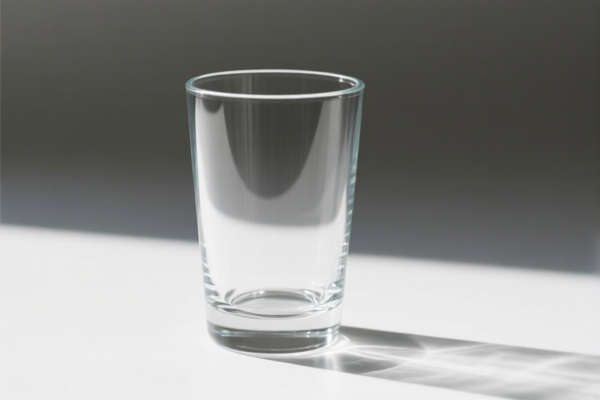
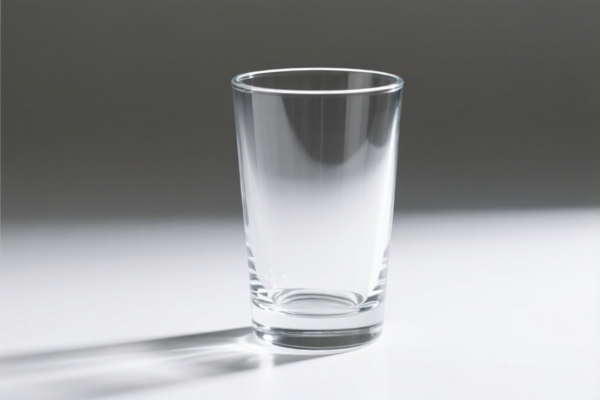
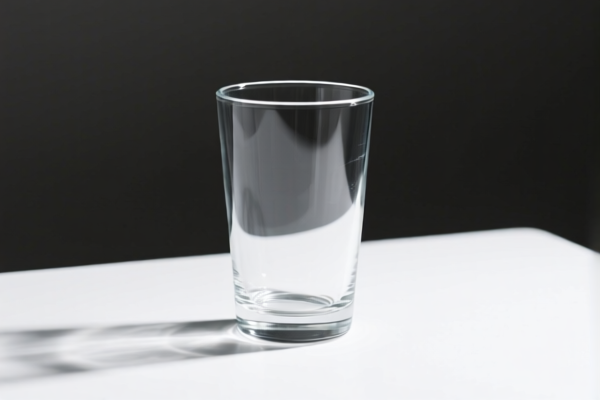
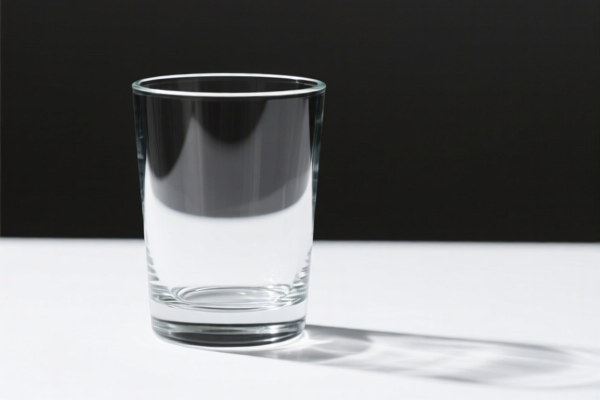
AI Analysis
🥛 Glass Drinkware & Containers: The Ultimate HS Code & Duty Breakdown (US Market)
🌐 HS Code Reference & Customs Clearance Guide | 2024 Latest Tariff Analysis | Professional Level Clearance Strategy
📌 One, Product Definition and Classification: Do You Really Understand "Glass"?
In international trade, "Glass" is not a single entity. It is strictly divided by Function, Shape, and Usage. Misclassification leads to disastrous duty rates. The data provided focuses on two main categories:
- Drinkware (Glass Drinkware): Items primarily designed for drinking liquids (cups, glasses).
- Containers (Glass Containers): Items designed for storing, preserving, or packaging goods (jars, bottles, flasks).
⚠️ Key Distinction Point:
- If the item is shaped like a cup, tumbler, or chalice for direct consumption → Go to Heading 7013.
- If the item is shaped like a bottle, jar, or flask for storage → Go to Heading 7010.
📦 II. HS Code Classification Details (2024 Latest Tariff Authority Comparison)
Based on the provided data, here are the precise classifications, tax rates, and breakdowns.
| HS Code | Product Description | Applicable Scenario | Total Tax Rate | Tax Breakdown Detail |
|---|---|---|---|---|
| 7013.37.10.01 | Glass Drinkware (Cups) | Drinking cups, tumblers, made of glass | 46.0% | Base: 28.5% + Section 301: 7.5% + Section 122: 10% |
| 7013.37.20.90 | Glass Drinkware (Cups) | Drinking glasses, made of glass | 40.0% | Base: 22.5% + Section 301: 7.5% + Section 122: 10% |
| 7010.90.50.39 | Glass Containers | Storage jars, bottles, flasks, shape/usage match | 35.0% | Base: 0.0% + Section 301: 25.0% + Section 122: 10% |
| 7010.90.50.29 | Glass Containers | Storage jars, bottles, flasks, usage fits container class | 35.0% | Base: 0.0% + Section 301: 25.0% + Section 122: 10% |
| 7013.49.60.90 | Glass Bowls | Tableware/Kitchen bowls, made of glass | 24.7% | Base: 7.2% + Section 301: 7.5% + Section 122: 10% |
🔍 Critical Reminder:
- 7013 Codes (Drinkware/Tableware): Higher base tariffs (22.5%-28.5%) due to consumer goods nature.
- 7010 Codes (Containers): Zero base tariff (0.0%) but subject to a heavier Section 301 surcharge (25.0%) because they are often classified as industrial/packaging materials under specific US trade remedies.
- Section 122 (10%): A uniform additional duty applied to all these categories from the specified origin.
💰 III. 2024 Latest Tariff Rate Detail (Including Surcharges & Policy Add-ons)
✅ Applicable Country: United States (US)
✅ Origin: China (CN) (Implied by the specific Section 301/122 structure)
✅ Effective Time: Current Trade Policy (Post-2024 Updates)
🎯 1. 7013.37.10.01 —— Glass Drinkware (Cups) - The Highest Tax Bracket
| Item | Content |
|---|---|
| Base Tariff | 28.5% (Ad Valorem) |
| Section 301 Tariff | +7.5% (Specific to Heading 7013.37 under current lists) |
| Section 122 Tariff | +10.0% (Additional duty on certain goods) |
| Total Effective Rate | 46.0% |
| Tax Calculation | CIF Value × 46% |
| De Minimis Exemption | ❌ No (Section 301 duties generally apply regardless of value for these HS codes) |
| Legal Basis Path | HTSUS: 7013.37.10.01 → Section 301 List → Section 122 Authority |
📌 Explanation:
- The 28.5% base is the standard MFN (Most Favored Nation) rate for glass cups.
- The 7.5% Section 301 is a significant increase from previous years, reflecting recent trade policy tightening on glassware.
- Total 46% makes this one of the most taxed consumer glass categories. High-risk for margin erosion.
🎯 2. 7013.37.20.90 —— Glass Drinkware (Glasses) - Slightly Lower Base
| Item | Content |
|---|---|
| Base Tariff | 22.5% |
| Section 301 Tariff | +7.5% |
| Section 122 Tariff | +10.0% |
| Total Effective Rate | 40.0% |
| Tax Calculation | CIF Value × 40% |
| De Minimis Exemption | ❌ No |
| Legal Basis Path | HTSUS: 7013.37.20.90 → Section 301 List → Section 122 Authority |
📌 Note:
- Subtle difference from .01: The base tariff is 6% lower (22.5% vs 28.5%).
- This often applies to specific shapes or weights of drinking glasses.
- Savings: 6% per unit compared to .01. Still very high.
🎯 3. 7010.90.50.39 & 7010.90.50.29 —— Glass Containers - The "Zero Base" Trap
| Item | Content |
|---|---|
| Base Tariff | 0.0% |
| Section 301 Tariff | +25.0% (High surcharge!) |
| Section 122 Tariff | +10.0% |
| Total Effective Rate | 35.0% |
| Tax Calculation | CIF Value × 35% |
| De Minimis Exemption | ❌ No |
| Legal Basis Path | HTSUS: 7010.90.50.xx → Section 301 List (Packaging) → Section 122 Authority |
📌 Warning:
- Do NOT be fooled by the 0% Base Rate.
- The Section 301 surcharge is 25%, which is significantly higher than the 7.5% applied to drinkware.
- Total rate (35%) is lower than cups (40-46%) but still substantial.
- Common items: Jam jars, pickle jars, spirit bottles, medicine flasks.
🎯 4. 7013.49.60.90 —— Glass Bowls - The Lowest Duty
| Item | Content |
|---|---|
| Base Tariff | 7.2% |
| Section 301 Tariff | +7.5% |
| Section 122 Tariff | +10.0% |
| Total Effective Rate | 24.7% |
| Tax Calculation | CIF Value × 24.7% |
| De Minimis Exemption | ❌ No |
| Legal Basis Path | HTSUS: 7013.49.60.90 → Section 301 List → Section 122 Authority |
📌 Opportunity:
- Glass bowls (tableware/kitchen) have a much lower base rate (7.2%).
- This is the most tax-efficient category in the dataset.
- Ideal for food storage bowls, mixing bowls, etc.
🛠️ IV. Customs Clearance Practical Advice (Battlefield Pitfall Guide)
✅ 1. Document Checklist (None Can Be Missing)
| Document | Required | Description |
|---|---|---|
| ✅ Product Specification Sheet | ✔️ | Must specify: Material (100% Glass), Usage (Drinkware/Container), Shape (Cup/Bowl/Jar) |
| ✅ Product Photos | ✔️ | Clear images of the item without packaging. Must show distinct shape (e.g., handle for mug, screw neck for jar). |
| ✅ Commercial Invoice | ✔️ | Description must match HS Code exactly. Do NOT use generic "Glass Product". Use "Glass Drinking Cup" or "Glass Storage Jar". |
| ✅ Packing List | ✔️ | Detail weight and volume. Containers often have different weight limits than drinkware. |
| ✅ Origin Certificate | ✔️ | Proof of China origin triggers these specific duties. |
| ✅ Declaration of Non-Ultrasound | ✔️ | Ensure no electronic components (for smart glass) to avoid heading 85/90 classification errors. |
✅ 2. Declaration Tips (Key Mnemonics)
🔥 "Shape Determines Code, Usage Determines Duty!"
| Scenario | Correct HS Code | Incorrect Practice | Consequence |
|---|---|---|---|
| Drinking Cup | 7013.37.10.01 or .20.90 |
Declare as "Container" (7010) | Audited & Penalized (Base rate mismatch) |
| Jam Jar | 7010.90.50.39 |
Declare as "Drinkware" (7013) | Wrong Tax (0% base vs 22.5% base risk) |
| Mixing Bowl | 7013.49.60.90 |
Declare as "Container" | Overpay Tax (24.7% vs 35%) |
| Glass + Metal Lid | 7013 or 7010 (Main Item Rule) |
Split declaration | Complexity & Delay (Keep as one unit) |
📌 Rule of Main Component:
- If a glass cup has a wooden handle, it still goes to 7013 (Glass is the essential character).
- If a glass jar has a plastic lid, it still goes to 7010.
✅ 3. Special Case Handling
| Scenario | Handling Advice |
|---|---|
| OEM Private Label | Provide the customer's design drawing. Ensure the shape matches the HS definition. |
| Set of Items (Gift Box) | If a cup, bowl, and jar are in one box, split the invoice. Do not lump them under one HS Code. |
| Decorative Glass (Not for Use) | If purely decorative and labeled "Not for Drinking/Food", it might fall under 7013.99 (Other). Requires advanced ruling. |
| Pyrex/Heat-Resistant | Still falls under 7013 if it's a cup/bowl. Heat resistance does not change the HS code, but may affect the "use" description. |
🌍 V. Global Market Comparison (2024 Snapshot)
| Country/Region | Recommended HS Code | Approx. Duty (China Origin) | Key Requirement | Note |
|---|---|---|---|---|
| 🇺🇸 USA | 7013.37 / 7010.90 |
24.7% - 46.0% | Section 301 + 122 | Highest Barrier. Plan margins carefully. |
| 🇨🇳 China | Same HS Codes | 8% - 28.5% | None | Base rate is similar to US, but no Section 301. |
| 🇪🇺 EU | 7013 / 7010 |
4.5% - 6.5% | CE/FDA equivalent | No Section 301. Much more competitive. |
| 🇬🇧 UK | Same HS Codes | 4.5% - 6.5% | UKCA | Post-Brexit, similar to EU. |
| 🇯🇵 Japan | 7013 / 7010 |
5% - 14% | PSE/Food Safety | Moderate rates. |
📌 Conclusion:
- The US market is the most expensive due to the additive nature of Section 301 and Section 122.
- Duty Avoidance Strategy: Consider sourcing from Vietnam or Thailand if possible, as they may have 0% or low Section 301 rates for glassware (depending on current FTAA rules).
- Product Mix Shift: Prioritize Bowls (7013.49) over Cups (7013.37) if the market is the US, to save ~20% in duties.
📌 VI. Common Errors & Pitfall Guide (Blood Lessons)
❌ Error 1: Declaring Glass Jars as Glass Cups (7013)
👉 Consequence: Customs will reclassify to 7010. You underpaid base tax (0% vs 22.5%) but overpaid Section 301? No, usually Customs corrects to the right code, leading to Back Duty + Interest + Penalties.
👉 Result: High Audit Risk.
❌ Error 2: Declaring Bowls as Containers (7010)
👉 Consequence: You pay 35% instead of 24.7%.
👉 Result: Unnecessary profit loss. ~10.3% higher cost.
❌ Error 3: Ignoring Section 122
👉 Consequence: Assuming only Base + Sec 301.
👉 Result: Under-declaration by 10%. 100% Penalty + Seizure Risk.
❌ Error 4: Vague Description "Glass Item"
👉 Consequence: Customs examiner uses their discretion, often picking the highest duty code (7013.37.10.01 at 46%).
👉 Result: Max Tax Bill.
✅ Correct Practice:
"16oz Clear Glass Tumbler, Heat Resistant, Model XYZ" → 7013.37.10.01
"28oz Glass Jam Jar with Metal Lid, Model ABC" → 7010.90.50.39
"Stainless Steel Salad Bowl, Glass Bowl, Model DEF" → 7013.49.60.90
🎯 VII. Conclusion: Precision is Profit!
🎯 Remember the Mantra:
🔹 "Cups & Glasses: 40-46%. Containers: 35%. Bowls: 24.7%."
🔹 "Don't Mix Shapes! A Jar is not a Cup!"
🔹 "Base Tax is Easy, Section 301 is the Killer!"
📌 Pro Tip:
If your product qualifies as "Tableware" (Bowls/Plates), you SAVE compared to Drinkware.
If you are selling Storage Jars, you pay less base tax but a higher Section 301.
📣 Immediate Action:
📞 Review your Invoice Descriptions.
📐 Verify the Shape against the 8-digit HS Code.
🧮 Calculate the 35% vs 46% impact on your COGS.
✨ Professional Clearance Starts with Accurate Classification!
💼 Every Percentage Point Saved is Pure Profit!
Customer Reviews
About HS Code Classification
The Harmonized System (HS) is an internationally standardized nomenclature developed by the World Customs Organization (WCO) to classify traded products. Over 200 countries use the HS system as the basis for customs tariffs, trade statistics, and import/export regulations.
Each HS code follows a hierarchical structure:
- Chapter (2 digits) — Broad category of goods (e.g., Chapter 84: Machinery and Mechanical Appliances)
- Heading (4 digits) — More specific grouping within the chapter
- Subheading (6 digits) — Internationally standardized breakdown, used by all WCO member countries
- National subdivisions (8-10 digits) — Country-specific extensions for further classification, such as US HTSUS 10-digit codes
Correct HS code classification is essential for smooth customs clearance, accurate duty payment, and compliance with trade regulations. Misclassification can lead to customs delays, overpayment of duties, or penalties.
When importing from CN to US, the applicable tariff rates may include:
- Most-Favored-Nation (MFN) rate — The standard duty rate applied to WTO members
- General rate — Applied to countries without trade agreements
- Trade remedy duties — Additional tariffs such as Section 301 (anti-dumping), Section 232 (national security), or countervailing duties
The information provided on this page is for reference purposes only. For official classification, please consult with your local customs authority or a licensed customs broker.